

Products are selected by our editors, we may earn commission from links on this page.

Tuberculosis, historically referred to as the “white plague,” is once again emerging as a serious global health concern, but this time it is evolving in ways that make it far more difficult to detect and treat effectively. Health experts are increasingly alarmed by the growing spread of drug-resistant strains, which are not only harder to cure but also more likely to persist in communities where healthcare systems are already under pressure.
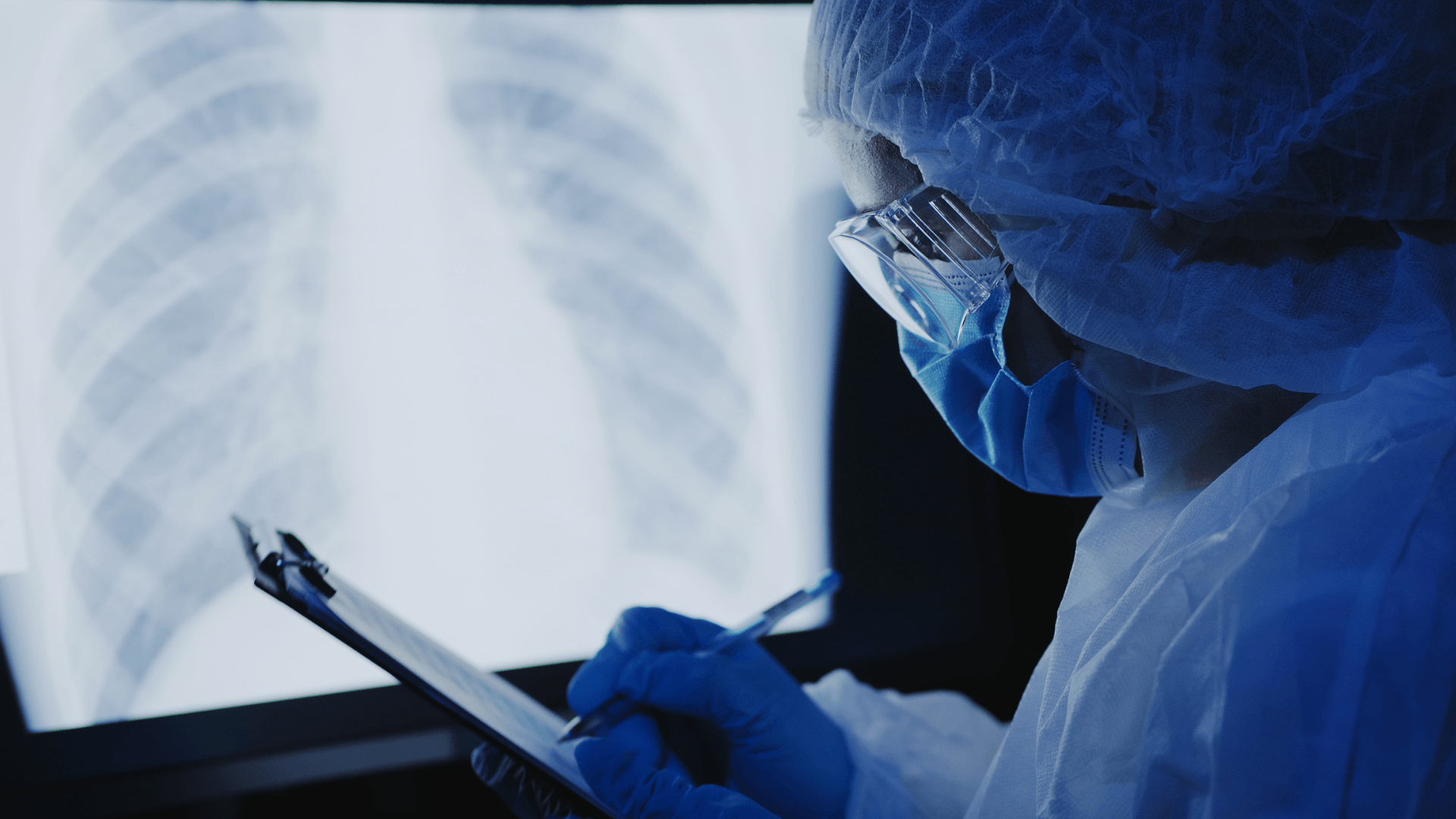
What makes the current situation especially concerning is that nearly one in five tuberculosis cases are going undetected, meaning a large portion of infected individuals are not receiving treatment and are unknowingly contributing to the continued spread of the disease. This silent transmission creates a dangerous cycle, particularly in crowded or poorly ventilated environments, where airborne infections can move quickly from person to person without immediate warning signs.
Tuberculosis spreads through microscopic droplets released into the air when an infected person coughs, speaks, or even breathes heavily, making it one of the most easily transmissible infectious diseases under the right conditions. Although it is both preventable and treatable with proper care, gaps in early diagnosis and inconsistent access to healthcare are allowing it to regain a foothold, echoing patterns seen during some of the most devastating outbreaks in history.
The Hidden Spread Behind Missed Diagnoses

One of the most critical challenges in addressing tuberculosis today is the large number of cases that are either missed entirely or diagnosed far too late, which significantly weakens efforts to control its spread. Experts estimate that around 20 percent of infections are not properly detected, creating a hidden pool of contagious individuals who continue to transmit the disease within their communities without even realizing it.
The symptoms of tuberculosis, including a persistent cough, ongoing fatigue, mild fever, and gradual weight loss, often resemble more common illnesses, which can lead both patients and healthcare providers to overlook the possibility of a more serious underlying condition. This misinterpretation delays accurate diagnosis and allows the bacteria to progress further in the body, increasing both the severity of illness and the likelihood of spreading it to others.
This diagnostic gap is particularly pronounced among vulnerable populations, such as children or individuals living in areas with limited medical infrastructure, where access to testing and early screening may be inconsistent or unavailable. As a result, these undetected cases play a major role in sustaining transmission chains, making it far more difficult for public health systems to contain outbreaks effectively.
Drug Resistance Is Making Tuberculosis Harder to Treat
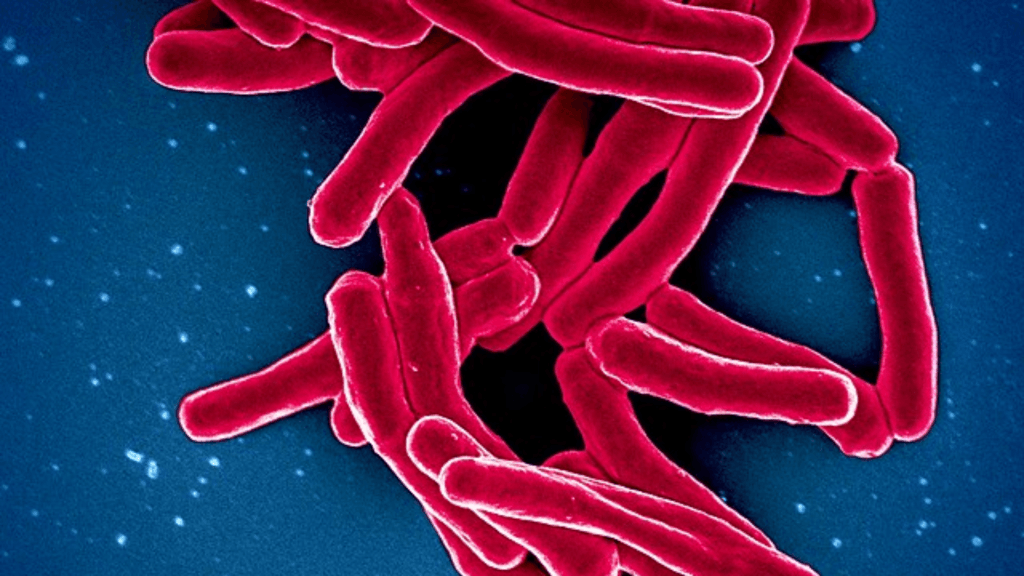
At the same time that cases are being missed, the rise of drug-resistant tuberculosis is creating an additional layer of complexity that is making the disease far more dangerous to manage on a global scale. In some regions, more than one in five new infections show resistance to standard first-line antibiotics, which significantly reduces the effectiveness of traditional treatment methods and forces healthcare providers to rely on more complicated alternatives.
Drug resistance often develops when treatment is interrupted or not completed properly, allowing the strongest bacteria to survive and adapt over time, eventually becoming resistant to the medications designed to eliminate them. These resistant strains can then spread from person to person, meaning that even individuals who have never been treated before can become infected with a version of the disease that is already harder to cure.
Treating drug-resistant tuberculosis typically requires longer treatment durations, sometimes lasting many months or even over a year, and involves a combination of medications that can produce significant side effects, making adherence more difficult for patients. This not only places additional strain on healthcare systems but also increases the risk that patients may discontinue treatment prematurely, further fueling the cycle of resistance.
Why Early Detection and Awareness Are Critical

The resurgence of tuberculosis, particularly in its drug-resistant form, highlights the urgent need for stronger global efforts focused on early detection, consistent treatment, and improved public awareness. Identifying cases as early as possible not only increases the likelihood of successful recovery for individuals but also plays a crucial role in preventing further transmission within communities.
Expanding access to reliable testing, investing in healthcare infrastructure, and ensuring that patients are supported throughout the full course of their treatment are essential steps in slowing the spread of this evolving disease. Without these coordinated efforts, tuberculosis will continue to exploit gaps in healthcare systems and become increasingly difficult to control over time.
Ultimately, addressing the modern “white plague” requires a combination of medical innovation, public education, and sustained global cooperation, as the world confronts a disease that has not only persisted through history but is now adapting in ways that demand renewed vigilance and action.