

Products are selected by our editors, we may earn commission from links on this page.

Blurry or clouded sight that interferes with ordinary tasks. Trouble seeing in low light or after dark. Halos ringing headlights and lamps. Sharply increased sensitivity to glare. Prescription changes that come faster than they used to. Difficulty driving at night. Needing more light than before just to read. Those are the seven signs Dr. Jeffrey Levenson, a board-certified ophthalmologist and medical director of Levenson Eye Associates in Jacksonville, Florida, says point toward a cataract. His threshold for recommending surgery is not the presence of clouding alone. It is the point where these problems disrupt daily life and a new prescription no longer corrects them.
This article was created with the assistance of AI and reviewed by our editorial team for accuracy and clarity.
The decision belongs to the patient, not the scan

There is no measurement that triggers the operation automatically. Levenson describes the choice as one made jointly with an eye doctor, weighing benefits against risks together. A comprehensive exam with an ophthalmologist establishes whether the lens is the cause, through a vision assessment and a direct inspection of the eye. This cuts against a common assumption that a cataract found on an exam must be removed on sight. Someone with mild clouding who reads comfortably and does not drive after dark may wait. Someone with a less advanced cataract who drives for work at night may not. The symptom list on the previous slide is the real deciding factor.
How surgeons break up and remove a clouded lens
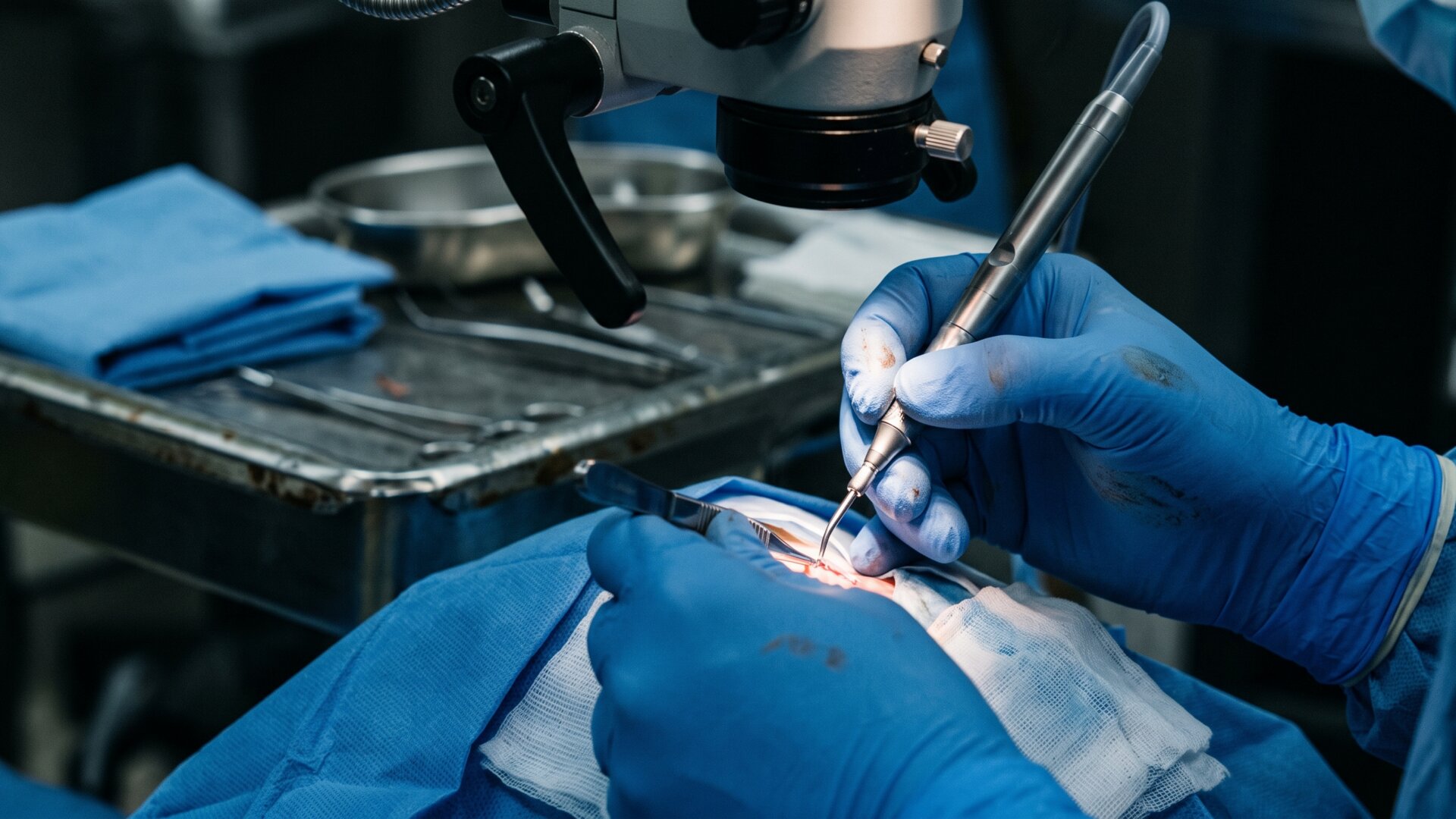
The standard operation is phacoemulsification, the method Levenson identifies as the most commonly used. A surgeon makes a small incision in the cornea, the clear dome at the front of the eye. Ultrasound waves then break the clouded natural lens into fragments, which are drawn out through suction. An artificial intraocular lens, abbreviated IOL, goes in to replace what was removed. Levenson notes the incision is typically small enough that no stitches are needed. Patients usually return to normal activities with excellent vision within days. A related approach, laser-assisted surgery, uses a femtosecond laser to perform some of these steps with added precision.
Over 98 percent recover excellent vision
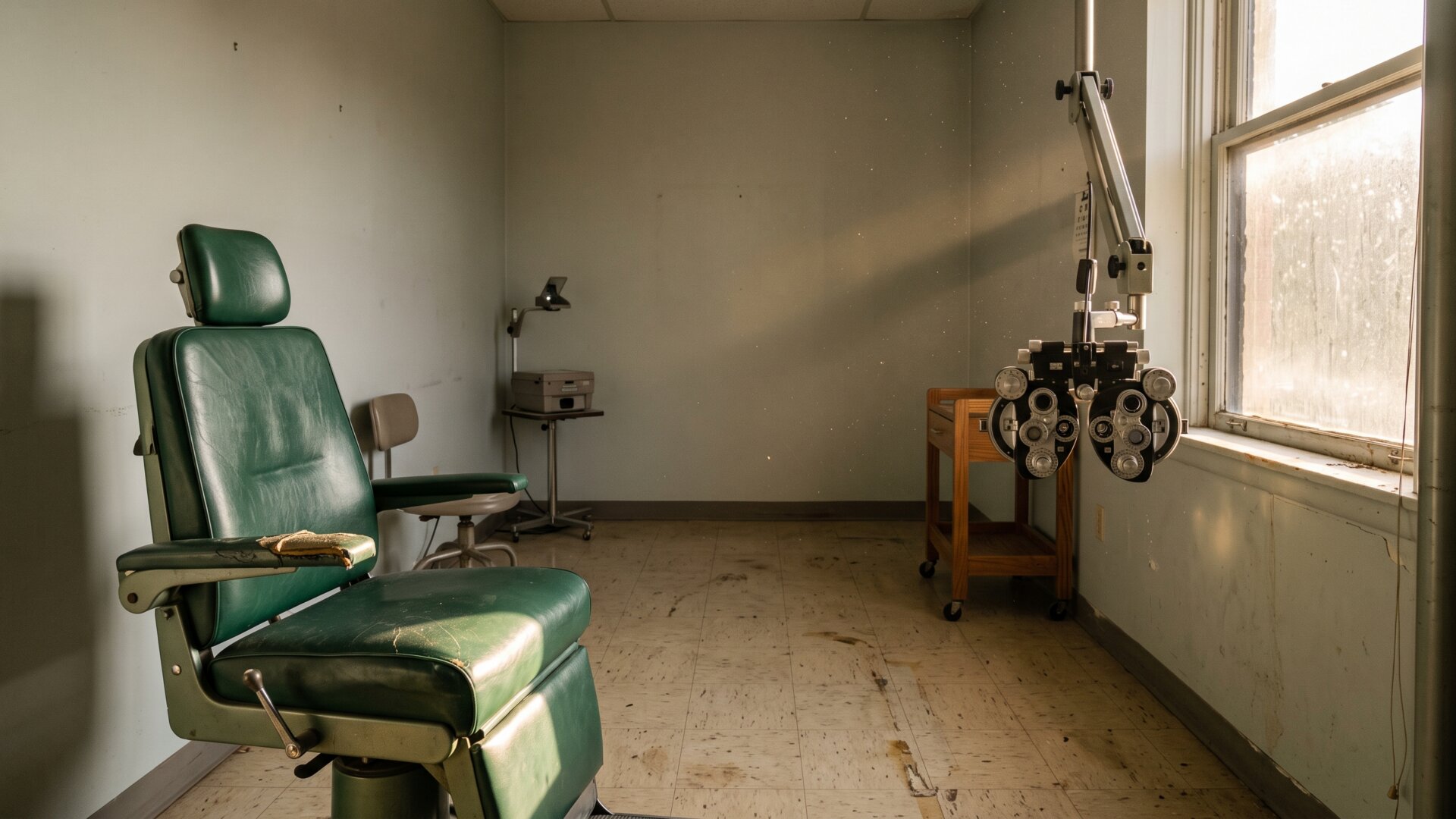
Levenson puts the figure plainly: in otherwise healthy eyes, more than 98 percent of patients can expect to recover excellent vision from cataract surgery. Depending on which lens is implanted, many will no longer need glasses at all. The qualifier carries real weight. Levenson says outcomes become less predictable for patients who also have glaucoma, macular degeneration, or diabetic eye disease. In those cases, full restoration of vision is less certain, because the lens was only one of several things limiting sight. A clear lens cannot compensate for a damaged retina or an optic nerve already affected by pressure.
Three lens types, three different trade-offs

Levenson says he works through the options with each patient based on daily routine rather than defaulting to one choice. A monofocal IOL is set for clear distance vision, and reading glasses remain part of life afterward. A multifocal IOL carries several focal zones, covering a book in the hands and a street sign down the block, often without readers. A toric IOL is built for astigmatism, an irregularly shaped cornea that blurs vision at every distance, and sharpens overall sight for those patients. Insurance coverage shapes this decision too. Levenson notes that advanced techniques including laser-assisted surgery and specialty IOLs are frequently not covered.
Most people drive and work again within a week

Levenson says patients can usually resume normal activities within 24 hours, and that vision is typically clear a day or two after surgery. Anti-inflammatory drops are commonly prescribed for a few weeks. Most people are back to working, driving, and exercising inside a week. The reaction he describes most often is surprise at color. Because cataracts thicken over years rather than months, the brain adapts to the gradual dimming and accepts it as normal. When the clouded lens comes out, that adjustment is suddenly undone. Patients regularly report that the world looks brighter and more saturated than they remembered in the days afterward.
The lens capsule can cloud years later
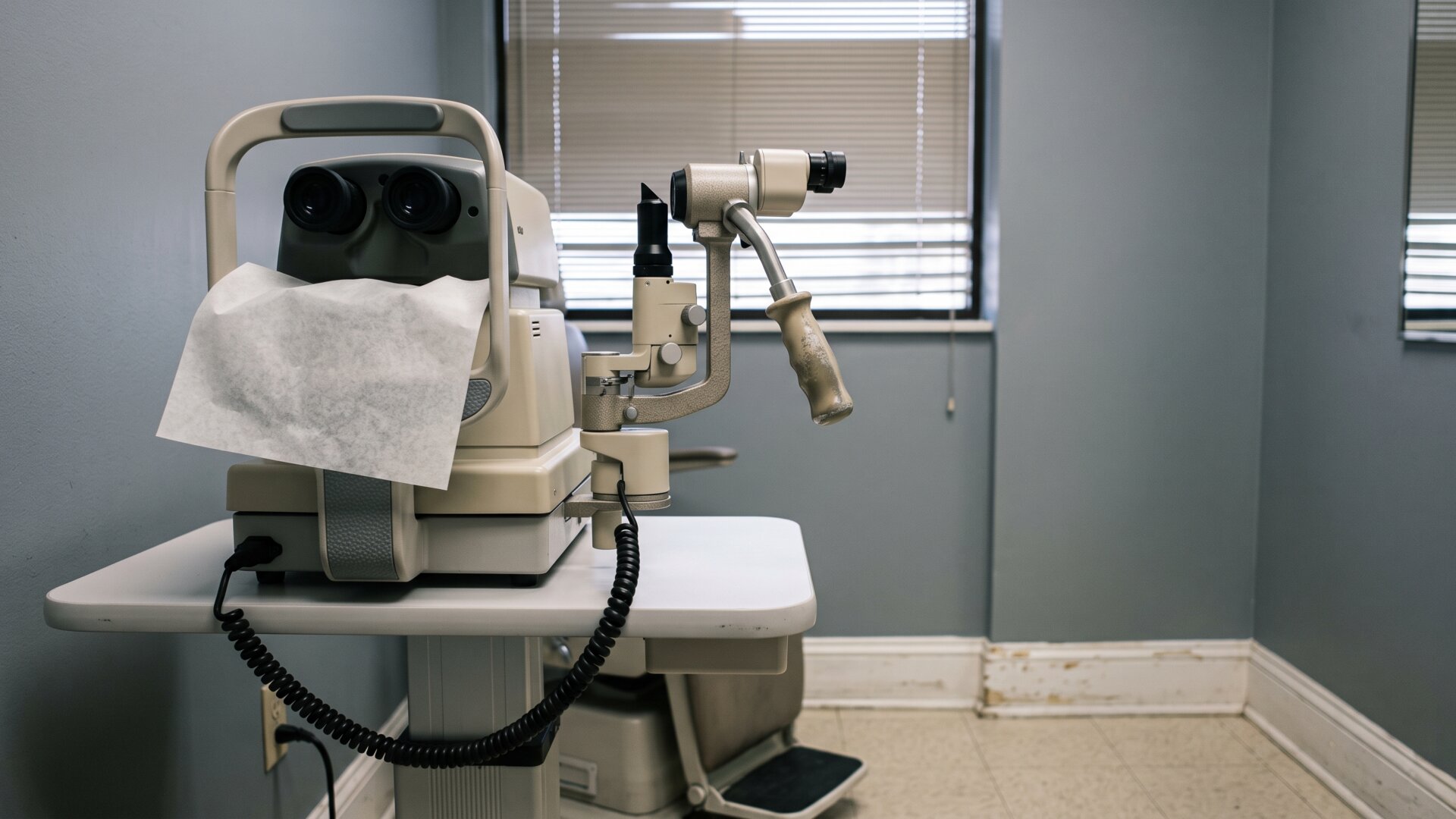
The most common complication is not a failure of the surgery itself. According to the American Academy of Ophthalmology, it is posterior capsule opacification, or PCO, sometimes called a secondary cataract. The surgeon leaves the thin membrane that held the natural lens in place, because it anchors the new implant. That membrane can turn cloudy afterward, and vision blurs again. PCO can appear weeks, months, or years after the operation. The fix is a YAG laser capsulotomy, a quick non-invasive procedure that opens a clear path through the clouded capsule. It restores sharp vision without a return to the operating room.
Surgery can help or temporarily hurt other conditions

Removing the cataract gives doctors a clear view of the back of the eye, which Levenson says improves detection and monitoring of glaucoma, diabetic retinopathy, and macular degeneration. Conditions that were hidden behind a clouded lens become visible and trackable. There are benefits beyond the view. Levenson notes the operation may reduce eye pressure in some glaucoma patients and can improve how well diabetic retinopathy treatments work. The exception runs the other way. Post-surgical inflammation can temporarily worsen diabetic macular edema or uveitis, swelling conditions affecting the retina and the eye’s middle layer. He describes this as manageable with proper treatment.
What a newer implant is designed to fix
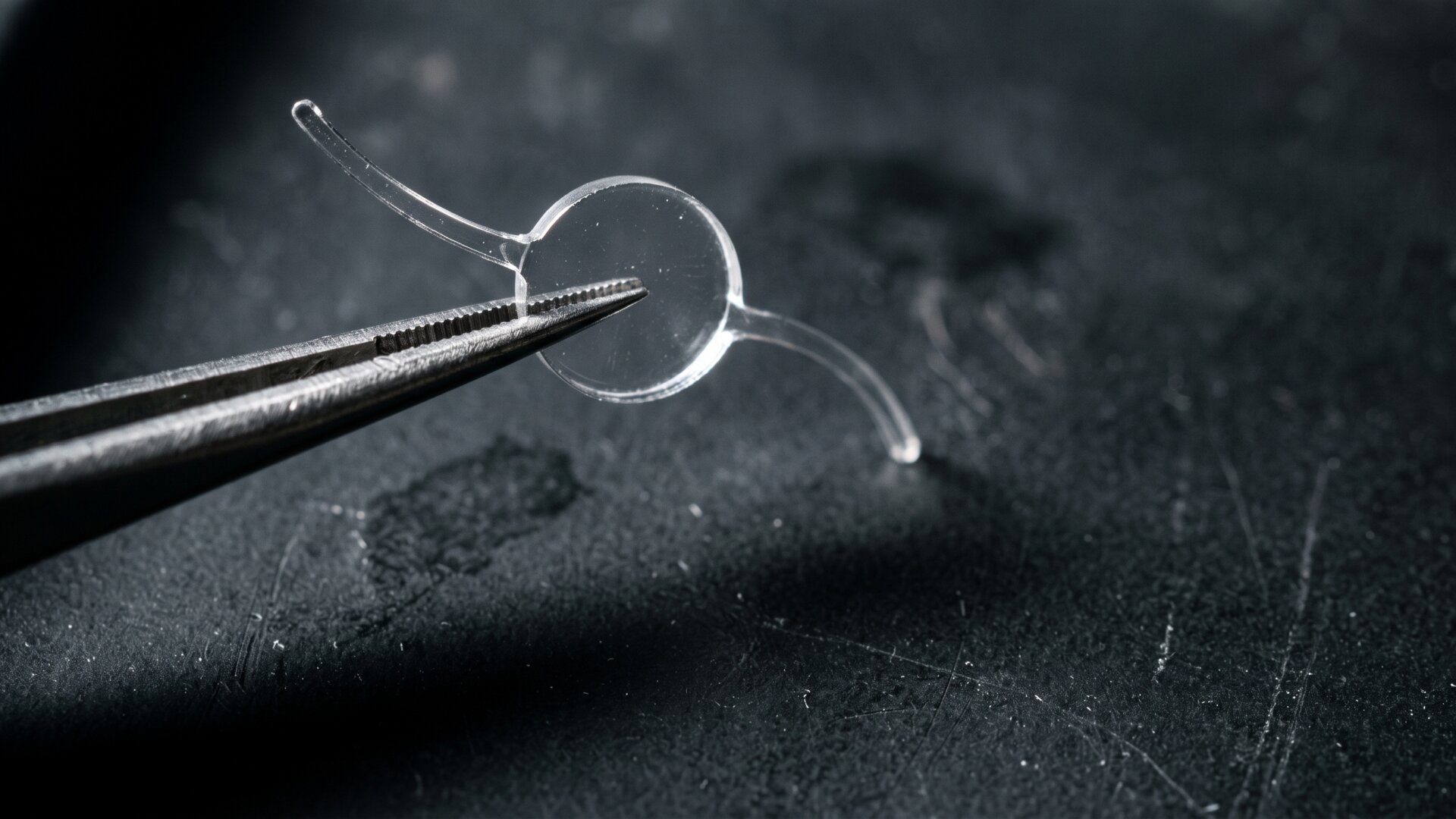
Levenson points to the TECNIS Odyssey from Johnson & Johnson as a recent development in implant design. He says it is built to deliver clear vision across the full range of distances, from a page held close to a road ahead, while reducing the night vision disturbances that have historically come with multifocal lenses. That last point matters because glare and halos around lights at night are among the symptoms that send people to surgery in the first place. Levenson says most of his patients are satisfied with their vision afterward and often find they no longer need glasses.
A clouded lens is now a correctable problem

Cataracts are the clouding of the eye’s natural lens, and for most of medical history they ended in permanent vision loss. Levenson’s summary of where the field stands is direct: cataracts are not only curable, but modern phacoemulsification and specialty implants restore excellent vision to most patients. He calls it one of the clearest demonstrations of what medicine can now do. The practical takeaway sits back on slide one. If reading takes more light than it used to, if headlights throw halos, if a new prescription stopped helping, those are the symptoms worth bringing to an ophthalmologist for a full exam.