

Products are selected by our editors, we may earn commission from links on this page.
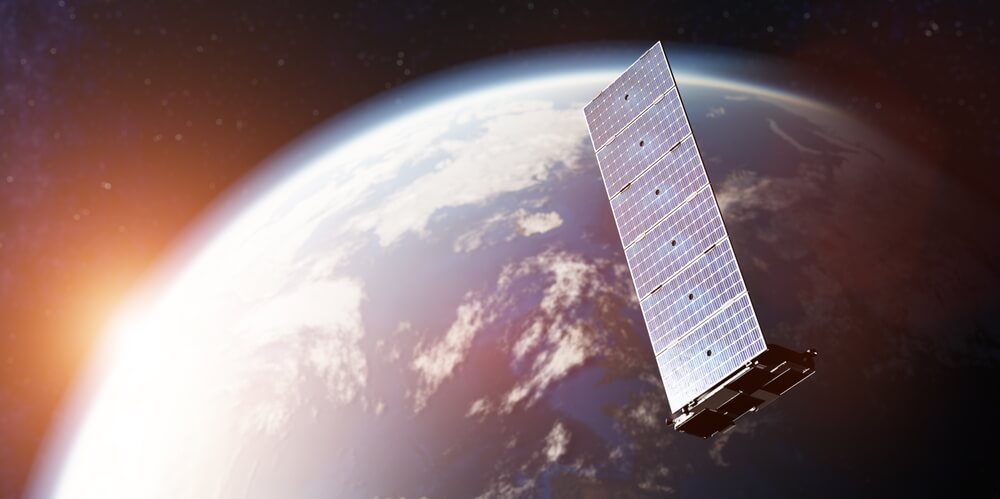
The Federal Aviation Administration (FAA) has issued a stark warning over the growing risks posed by Elon Musk’s Starlink satellite network, which is shedding debris and burning up in Earth’s atmosphere at an alarming rate. With thousands of defunct satellites reentering orbit, scientists are sounding alarms over safety, pollution, and mounting financial fallout — a bill that may ultimately be paid by taxpayers.
The Growing Skyfall Problem
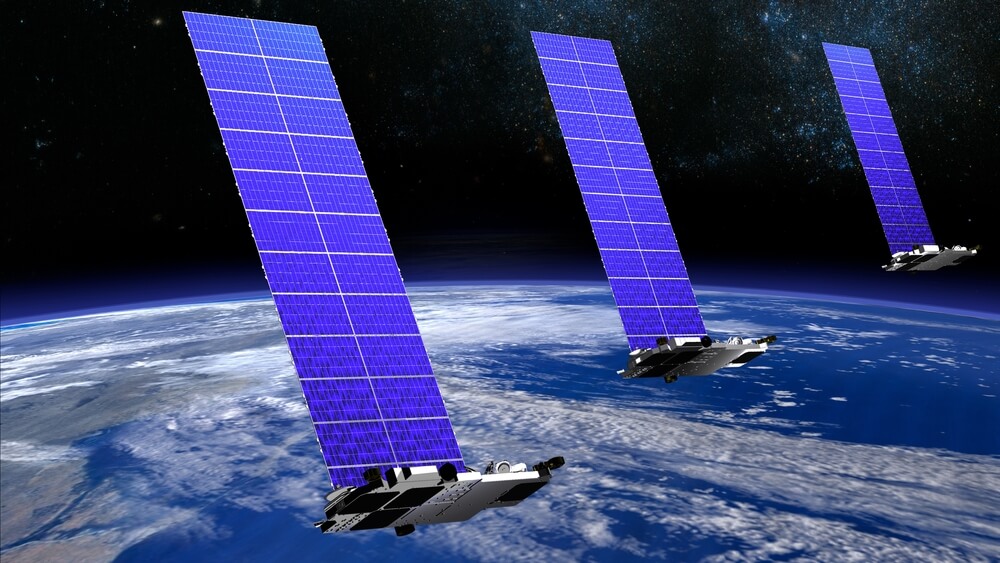
Every day, one to two Starlink satellites fall from orbit and vaporize in the upper atmosphere. Experts estimate that out of roughly 8,000 Starlink satellites currently circling Earth, hundreds are nearing the end of their operational lifespan. As SpaceX continues its rapid deployment pace, the FAA warns that by the 2030s, falling debris could dramatically increase the risk of ground casualties and environmental contamination.
Warnings From Scientists
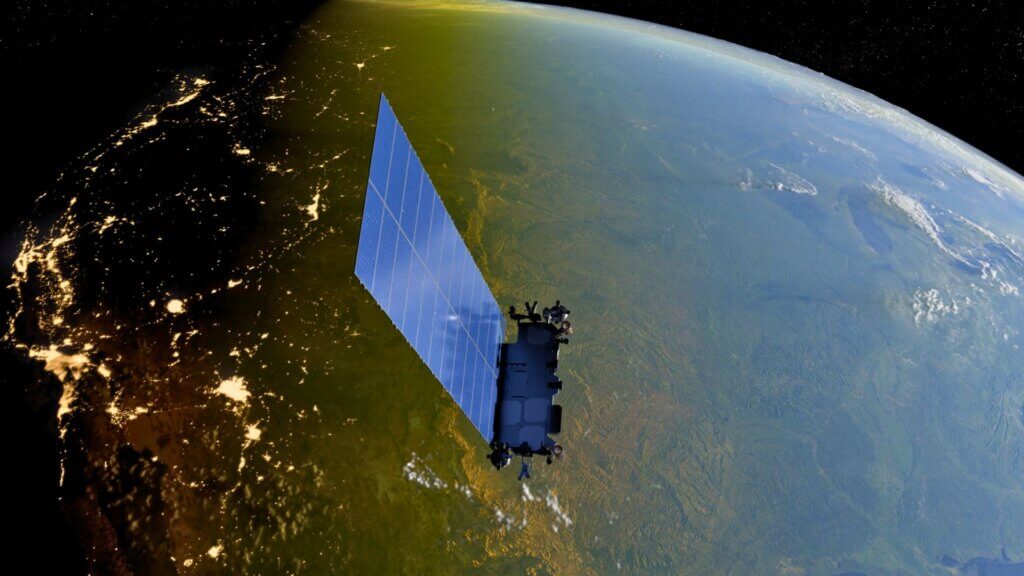
Harvard astrophysicist Avi Loeb has described the phenomenon as “a new threat from the sky.” He and other researchers caution that while most satellites disintegrate before hitting the ground, a small fraction survive reentry, leaving behind heavy metals and debris that can accumulate over time. Some scientists argue that widespread reentry events could alter atmospheric chemistry, creating pollution risks comparable to large-scale industrial waste.
The Kessler Effect Looms
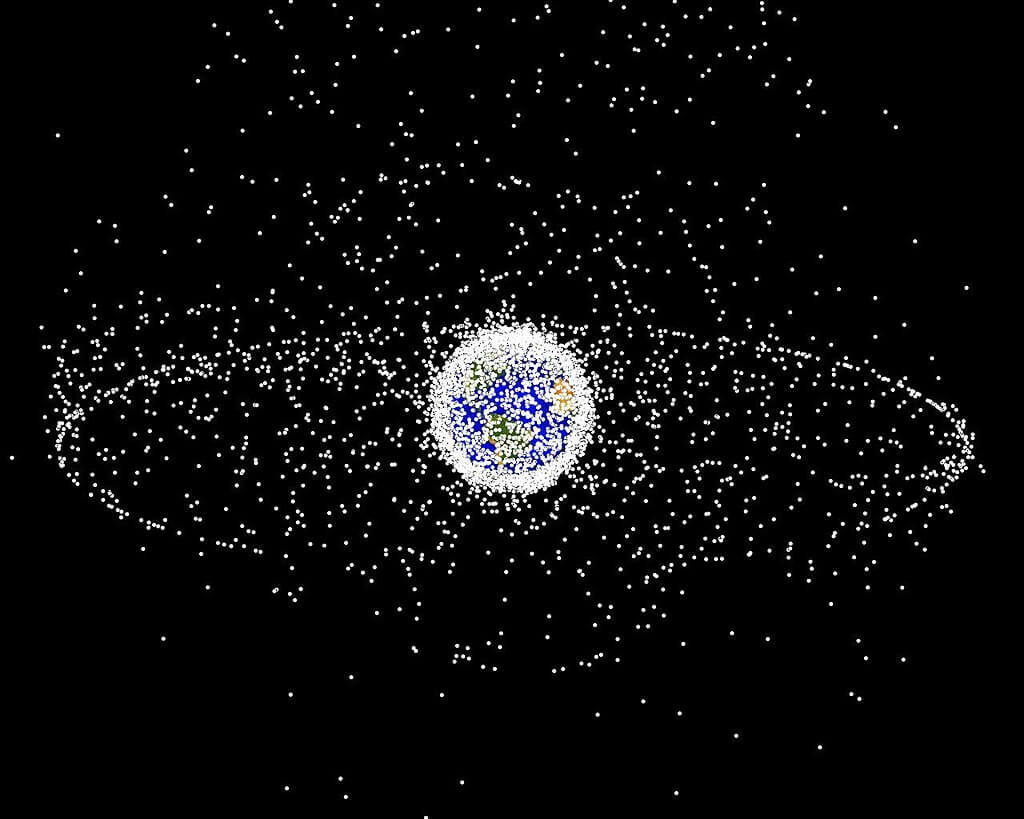
The danger doesn’t stop at reentry. Experts are also raising concerns about the potential for a catastrophic chain reaction of orbital collisions, known as the Kessler syndrome, where one crash creates debris that triggers more. With Starlink satellites now accounting for more than half of all active spacecraft, even a single malfunction could have far-reaching consequences. Astronomers warn that relying on the atmosphere to “burn off” old satellites is not a sustainable solution.
FAA Steps In
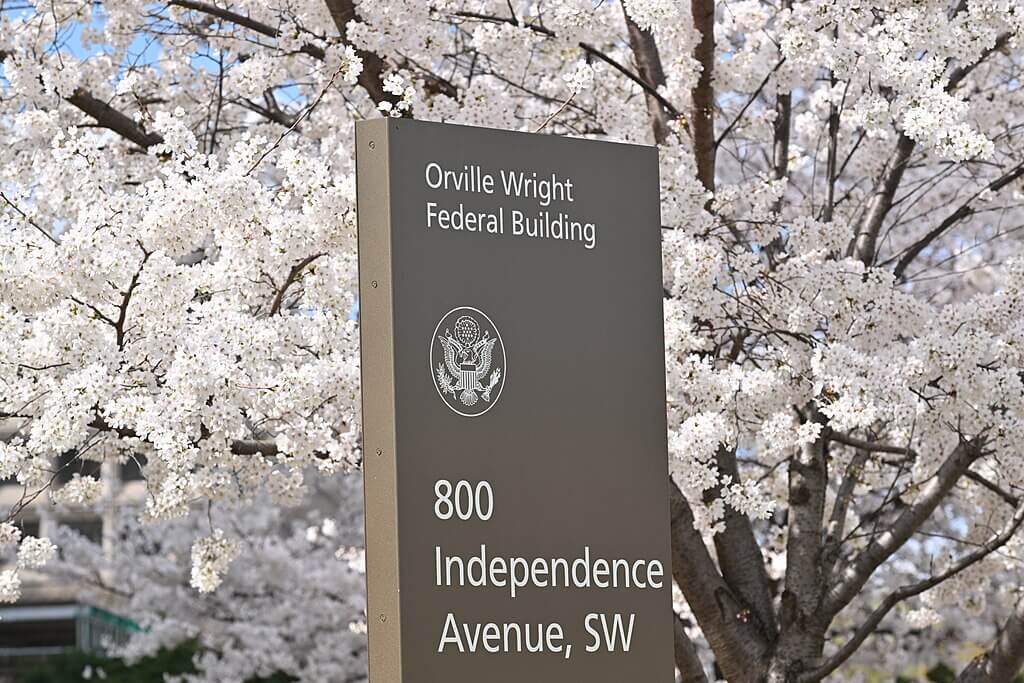
In a move that underscores the tension between innovation and oversight, the FAA proposed $633,009 in civil penalties against SpaceX for multiple license violations during its satellite launches. The agency emphasized that “safety drives everything we do,” highlighting a growing willingness to hold private space companies accountable. The fines are modest compared to the billions at stake, but they signal the FAA’s intent to assert authority in the increasingly crowded private space race.
Billions in Fallout

Each satellite may weigh only a few hundred pounds, but collectively, the cost of monitoring, cleanup, and regulation is immense. Analysts warn that taxpayers could bear part of the burden as space debris management becomes an unavoidable government expense.
Meanwhile, the satellite communication market is projected to surge to $33 billion by 2029, a growth that risks outpacing both environmental safeguards and international cooperation. Without coordinated oversight, the economic gains of satellite expansion may come with an even higher hidden cost.
Musk’s Expanding Reach
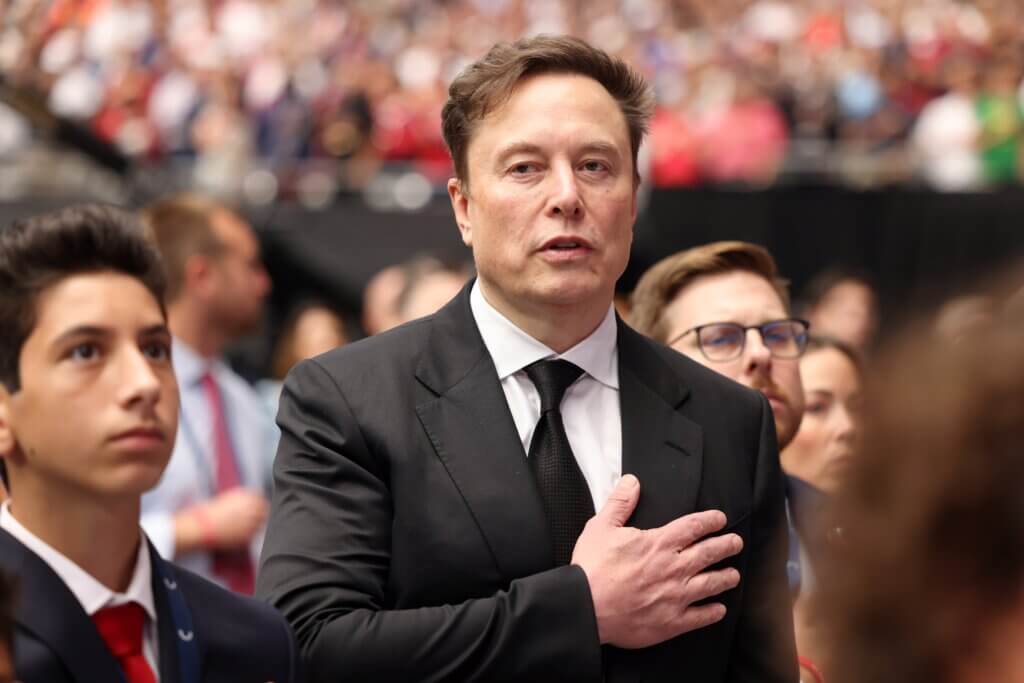
Despite mounting scrutiny, Musk’s ambitions continue to grow. SpaceX recently purchased $17 billion worth of satellite spectrum to strengthen Starlink’s global broadband network, aiming to extend connectivity even to the world’s most remote regions. The company’s dominance now stretches from commercial internet to defense, as SpaceX positions itself as a front-runner in major U.S. missile defense contracts. But with expansion comes accountability and growing unease about one man’s control over both cyberspace and outer space.
The Cost of Ambition
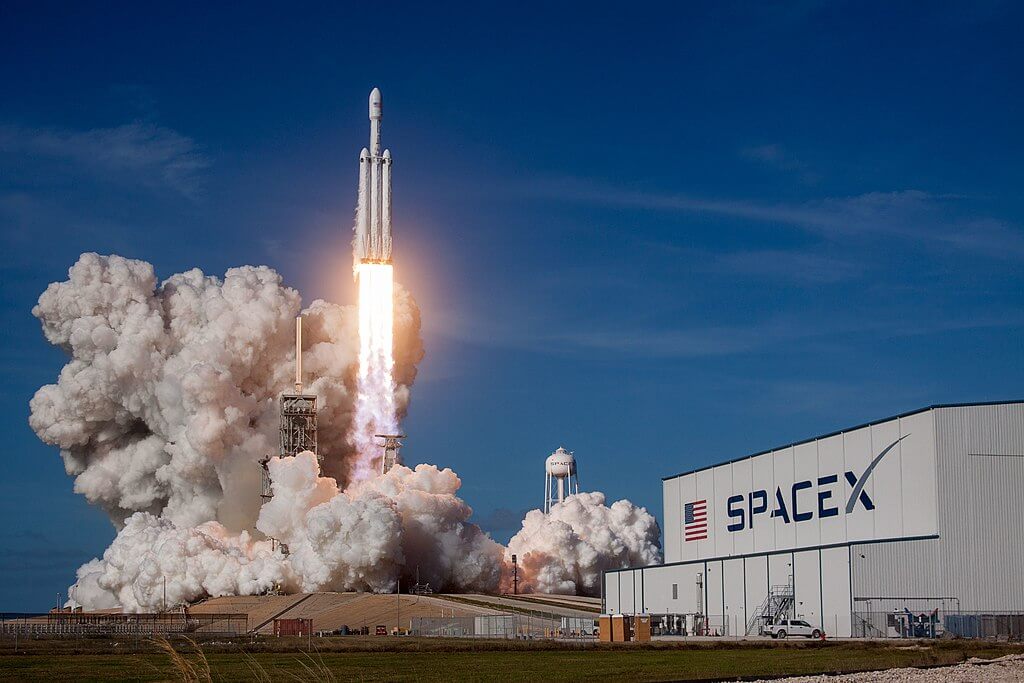
Critics say SpaceX’s rapid growth has consistently outpaced regulation. Environmentalists point to untested reentry models and an absence of long-term debris recovery plans, while policymakers question whether the company’s military partnerships create conflicts of interest. Supporters, however, argue that without Musk’s relentless drive, global satellite internet would still be decades away. The debate captures the paradox of modern innovation: progress that inspires awe and anxiety in equal measure.
A Sky Full of Debris and Dreams

Starlink’s impact on connectivity is undeniable. Rural communities now enjoy fast internet for the first time, and global emergency networks have become more resilient. Yet these advancements come with a price, one measured not just in dollars but in environmental stewardship and shared responsibility. The challenge ahead is to balance ambition with accountability, ensuring that the dream of universal access doesn’t end with a cloud of debris.
The Price of Reaching Higher
The FAA’s warning is more than bureaucratic red tape — it’s a reminder that innovation in orbit still has consequences on Earth. Starlink’s vision of global connectivity has reshaped communications, but it’s also reshaping the sky itself. As regulators, scientists, and the public grapple with the fallout, one truth is becoming clear: humanity’s reach for the stars may depend on how well it manages the mess it leaves behind.