

Products are selected by our editors, we may earn commission from links on this page.
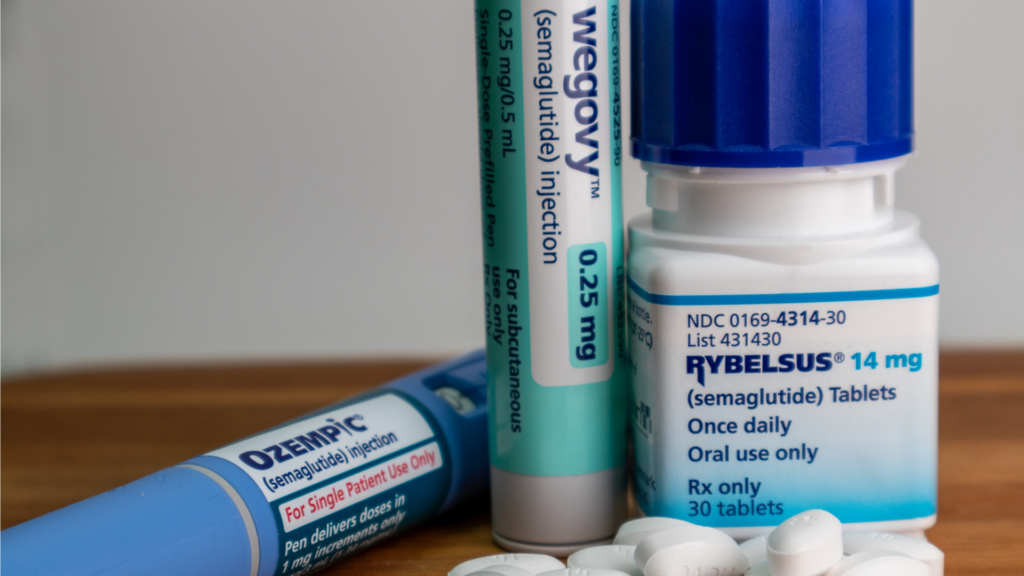
GLP-1 medications such as Ozempic and Wegovy are widely used to manage Type 2 diabetes and support weight loss, but regulators are highlighting a rare eye condition that may threaten vision. The U.S. Food and Drug Administration has added a warning about nonarteritic anterior ischemic optic neuropathy, or NAION, to prescribing information for certain GLP-1 products. The condition can cause sudden vision loss when blood flow to the optic nerve is disrupted. Although the reported risk is considered rare, the warning is important for patients and healthcare professionals to understand.
The Warning Applies to More Than Ozempic and Wegovy
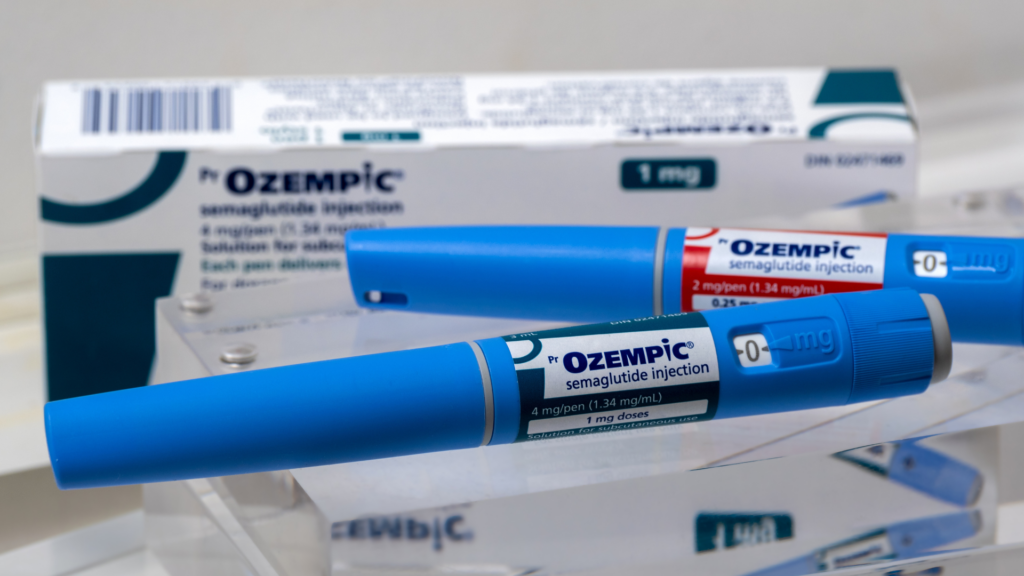
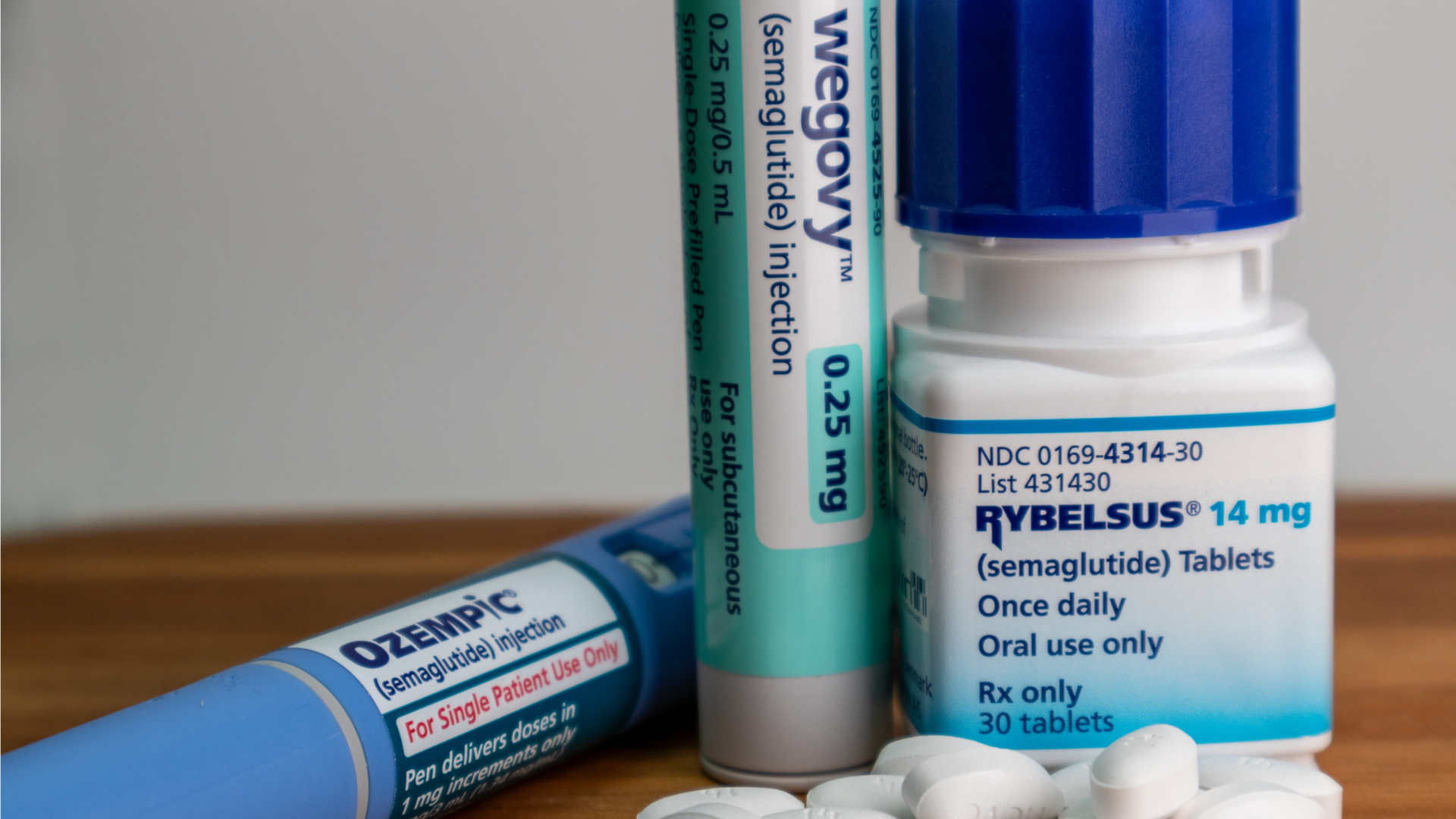
The FDA’s safety update covers the broader group of glucagon-like peptide-1 receptor agonists, commonly called GLP-1 medications. This includes semaglutide products Ozempic, Wegovy and Rybelsus, as well as medications such as Victoza, Saxenda and Trulicity. The agency’s list also includes tirzepatide products Mounjaro and Zepbound, which act on both GIP and GLP-1 receptors, and the newer medication Foundayo. Manufacturers are being required to add information about the potential NAION risk to the Warnings and Precautions section of their drug labeling.
What Is NAION and How Can It Affect Vision?
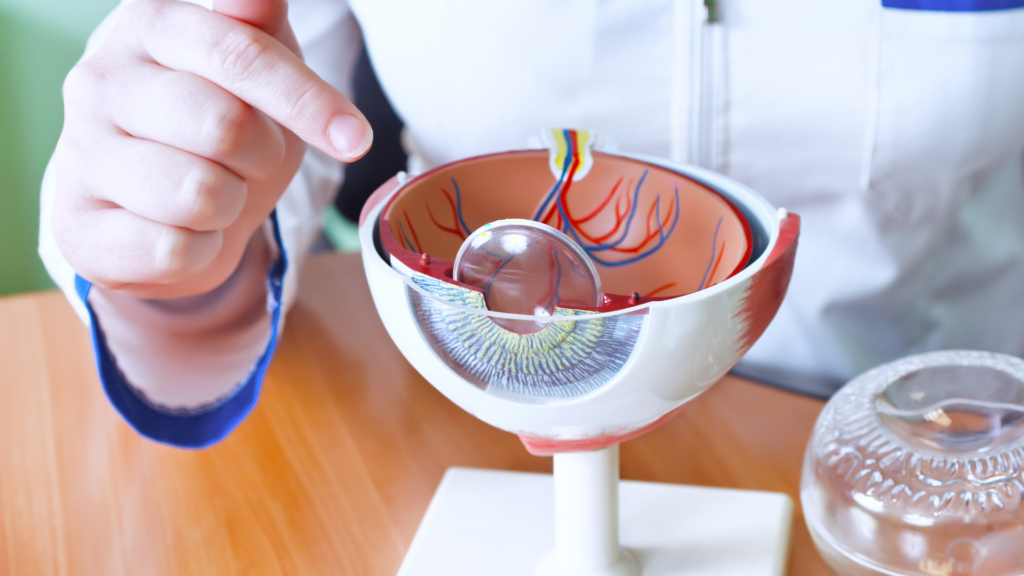
Nonarteritic anterior ischemic optic neuropathy, or NAION, occurs when blood flow to the front portion of the optic nerve is reduced. The optic nerve carries visual information from the eye to the brain, so damage to it can result in sudden vision changes or permanent vision loss. The condition typically affects one eye and is often painless, which means a person may not experience discomfort before noticing a problem. Its underlying cause is not completely understood, although several health conditions can increase a person’s risk.
Sudden Vision Changes Are a Major Warning Sign
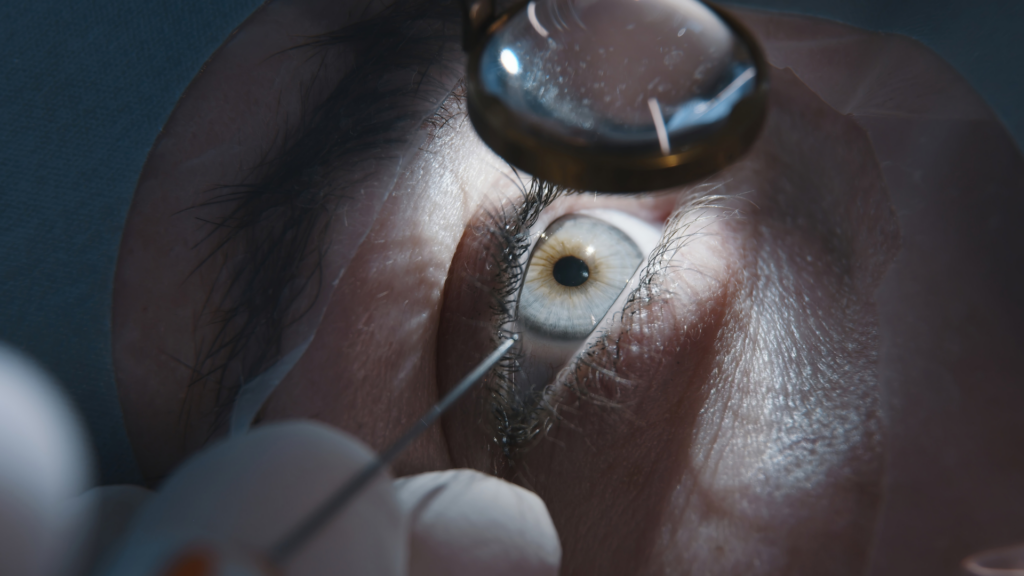
The FDA says patients should watch for sudden, painless decreases in vision in one eye, which may become noticeable when they wake up. Other possible symptoms include blurred or hazy areas, blind spots, missing portions of the visual field, tunnel vision and changes in how colors appear. Some people may notice reduced sharpness in the center of their vision. Anyone taking a GLP-1 medication who experiences these symptoms should contact a healthcare professional immediately and seek prompt evaluation by an eye specialist.
FDA Data Found a Small but Potentially Increased Risk

The FDA reviewed data from 126 randomized clinical trials involving more than 134,000 participants to examine possible cases of NAION among people taking GLP-1 medications. Its analysis identified an estimated 6.4 cases per 100,000 person-years among patients treated with GLP-1 drugs, compared with 3.8 cases per 100,000 person-years among people receiving a placebo or certain other glucose-lowering treatments. These figures indicate that the condition remains uncommon, even though the rate was higher in the GLP-1 group. The agency also reviewed other research and safety reports before deciding that the potential risk warranted a labeling change.
Earlier Research Helped Trigger the FDA’s Review

Concern about a possible connection gained attention after a 2024 study published in JAMA Ophthalmology examined NAION among patients prescribed semaglutide. The study reported an association between semaglutide use and the rare eye condition, prompting further discussion among researchers and eye specialists. However, the FDA noted limitations in the available evidence and conducted a broader review that included clinical trials, observational research, animal data and reports submitted after the medications entered the market. The agency’s latest decision reflects a potential safety signal rather than proof that GLP-1 medications directly cause NAION.
Certain Health Conditions May Increase the Risk

NAION can occur in people with several underlying health conditions, some of which are also common among patients prescribed GLP-1 medications. The FDA identifies diabetes, high blood pressure, smoking, sleep apnea, anemia and kidney disease as potential risk factors. This overlap makes it difficult for researchers to determine how much of the observed risk comes from the medication itself and how much may be related to a patient’s existing health. People who have already experienced NAION in one eye also face an increased risk of developing the condition in the other eye.
Patients Should Not Stop Their Medication Without Medical Advice
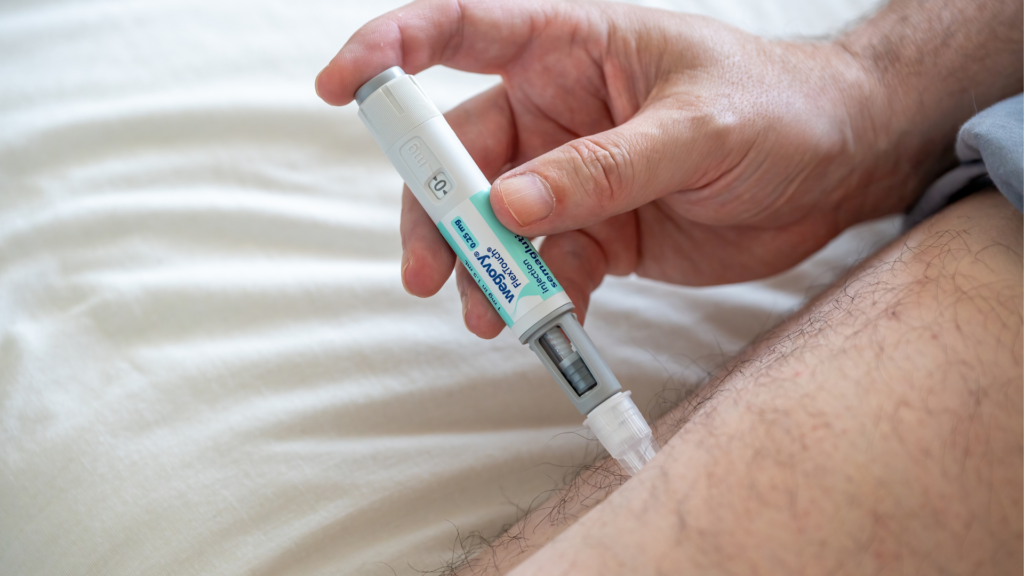
The new warning does not mean everyone taking Ozempic, Wegovy or another GLP-1 medication should discontinue treatment. These drugs can provide important benefits for people managing Type 2 diabetes, obesity and certain cardiovascular or kidney conditions, so stopping treatment may carry its own risks. Patients should discuss concerns with their healthcare team rather than changing or stopping their prescriptions on their own. If NAION is diagnosed, healthcare professionals should consider discontinuing the GLP-1 medication unless the benefits of continuing clearly outweigh the risks.
Doctors Are Being Asked to Monitor and Respond to Symptoms

The FDA is advising healthcare professionals to explain the potential eye risk to patients and take reports of sudden vision changes seriously. If NAION is suspected, patients should be referred promptly to an ophthalmologist for evaluation. Doctors may need to consider the patient’s medical history, existing risk factors, reason for taking the medication and available treatment alternatives when discussing whether to continue therapy. People with diabetes should also continue their regular diabetic eye examinations.
The New Warning Calls for Awareness, Not Panic

The FDA’s decision highlights the importance of understanding a rare but potentially serious complication as GLP-1 medications become more widely used. The available evidence suggests a possible increased risk of NAION, but it does not establish that the drugs directly cause the condition or mean that most patients will experience vision problems. Patients can continue discussing the benefits and risks of treatment with their healthcare professionals while staying alert to sudden, painless vision changes. Recognizing symptoms quickly and getting prompt medical attention may be especially important because NAION can result in permanent vision loss.