

Products are selected by our editors, we may earn commission from links on this page.
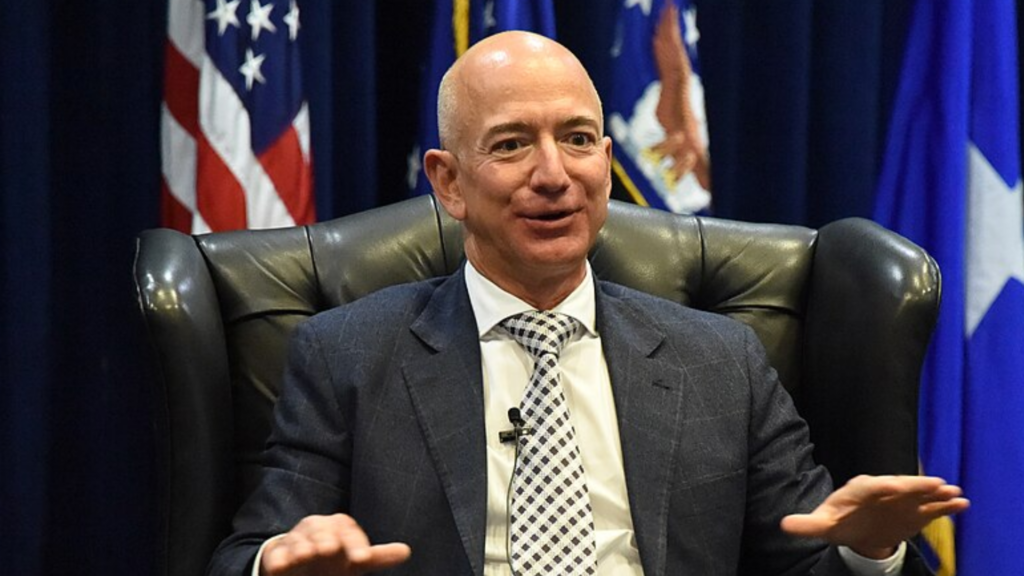
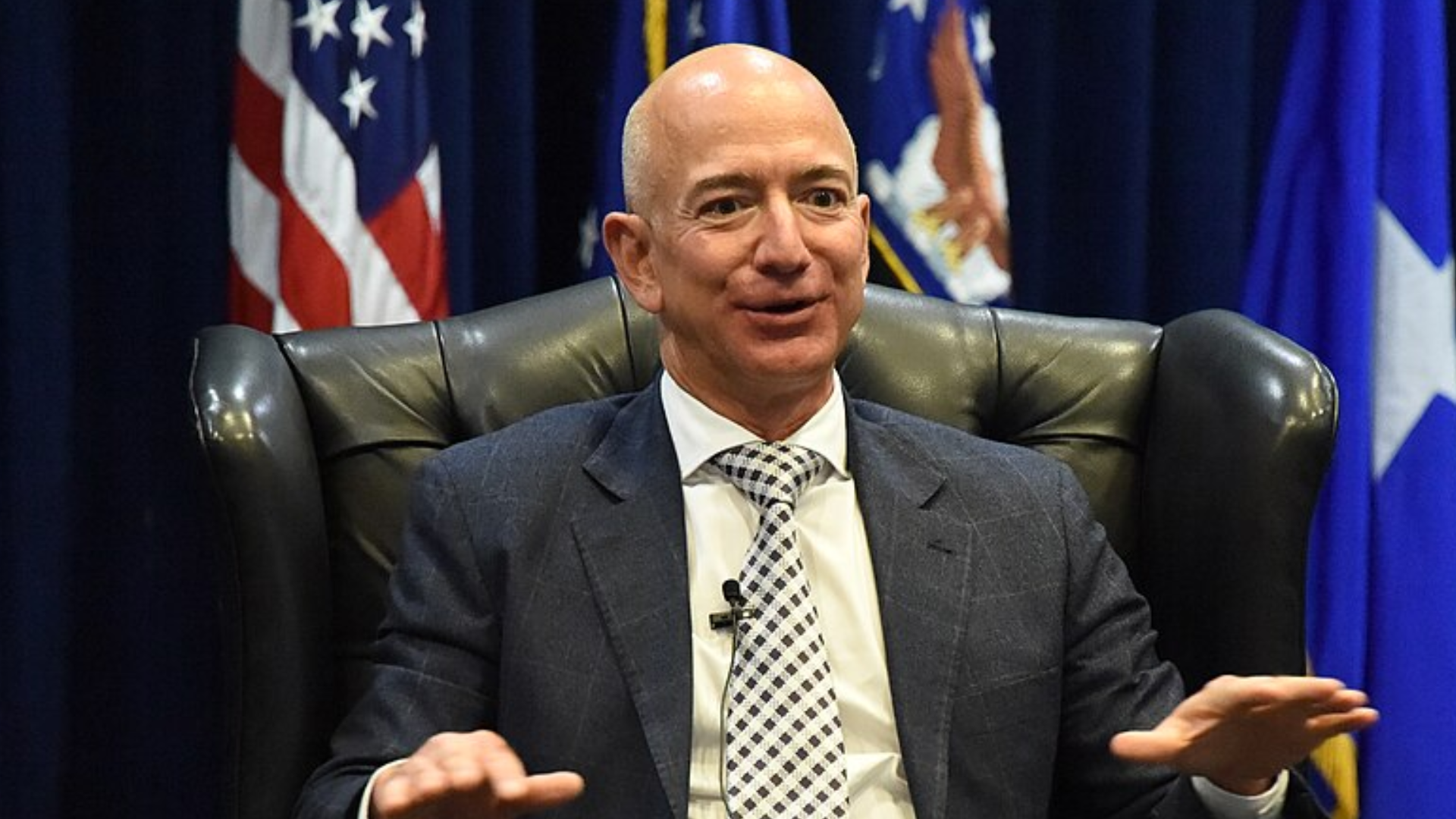
Artificial intelligence could eventually change how much people need to work to support their families, according to Amazon founder Jeff Bezos. During an interview with Fox News in October 2026, Bezos predicted that AI-driven productivity gains could allow some households to rely on just one paycheck instead of two. He also suggested that certain workers might earn enough to support their families while working only three days a week. His vision offers an optimistic picture of the future, although questions remain about whether AI’s economic benefits will actually translate into higher incomes and shorter workweeks for ordinary Americans.
Bezos Believes AI Could Make Two-Income Households Less Necessary

Bezos believes AI could increase productivity so significantly that some families may no longer need both adults to work full-time. During his Fox News interview with Bret Baier, he explained that households with two earners might eventually decide that one person can leave the workforce if the remaining income is sufficient. He emphasized that families could still choose to have two working adults, but doing so might become less financially necessary. His prediction challenges the assumption that households will always need multiple paychecks to maintain their standard of living.
Some Workers Could Support Their Families With Three-Day Workweeks

One of Bezos’s most striking predictions was that AI could eventually allow people to work fewer days without sacrificing their ability to support their families. He suggested that some workers might reach a point where they can say, “I can support my family working three days a week.” The idea is based on the possibility that AI tools will help employees complete tasks faster and produce more value in less time. However, Bezos did not provide a specific timeline or explain how employers would translate those productivity improvements into shorter schedules and sufficient wages.
AI Could Make Businesses Far More Productive

The foundation of Bezos’s prediction is that artificial intelligence could dramatically increase the amount of work people accomplish. AI systems can already assist with writing, coding, research, data analysis and repetitive administrative tasks, allowing employees to complete certain assignments more efficiently. Bezos has suggested that productivity improvements could reach double-digit percentages across parts of the economy as these tools become more widely adopted. If businesses can produce more goods and services with fewer working hours, the resulting economic gains could potentially create room for shorter workweeks.
Bezos Predicts a Labor Shortage Instead of Mass Unemployment

While many technology leaders and workers worry that AI will eliminate jobs, Bezos believes the technology could eventually create a different problem for employers. He argued that if people no longer need to work two jobs or maintain traditional full-time schedules, businesses could find it more difficult to recruit enough workers. In his view, increased productivity could allow individuals to choose more leisure time rather than automatically seeking additional employment. This prediction depends on whether AI creates enough new economic opportunities and whether workers actually receive a meaningful share of the productivity gains.
Amazon’s 30,000 Job Cuts Raise Questions About His Prediction
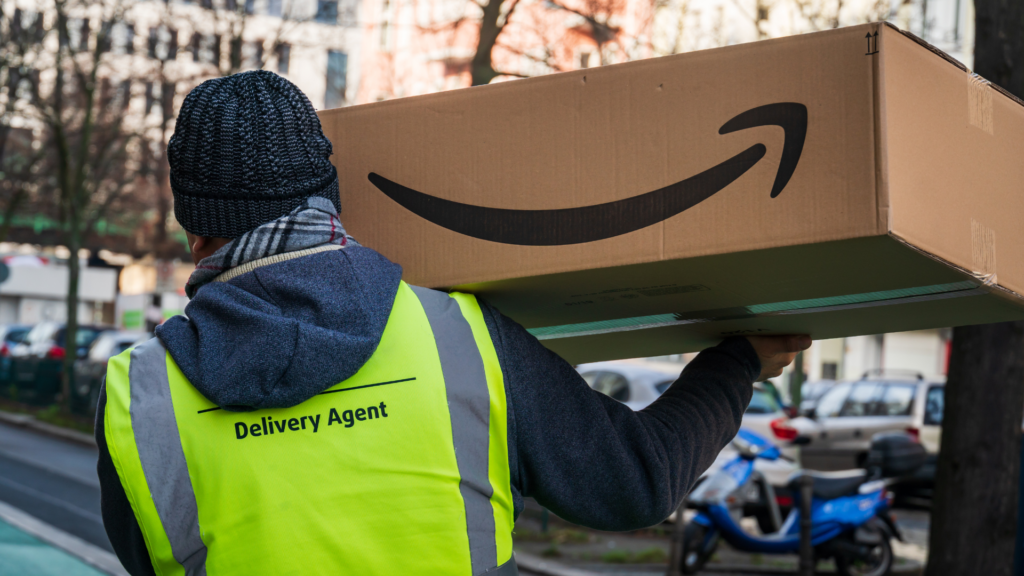
Bezos’s optimistic outlook comes as Amazon has eliminated approximately 30,000 corporate positions since late 2025, including major rounds of cuts in October 2025 and January 2026. During the interview, Baier raised the job reductions and asked about concerns that AI could replace employees. Bezos responded that Amazon had significantly expanded its workforce during the COVID-19 pandemic and needed to adjust after that hiring surge. However, Amazon CEO Andy Jassy had previously told employees that increased use of AI would reduce the company’s corporate workforce as efficiency improved, highlighting the uncertainty facing workers.
Bezos Is Also Investing in AI’s Long-Term Potential

Bezos is not simply predicting an AI-powered future from the sidelines, as he is also involved in developing the technology. His AI startup, Project Prometheus, launched in 2025 and is focused on building advanced tools that could help people design and develop physical products. Bezos has described an ambition to make these tools so accessible that people without traditional engineering backgrounds could eventually use them to turn ideas into real products. If successful, such technology could lower barriers to innovation and allow smaller teams or individual creators to accomplish work that once required much larger organizations.
Other Technology Leaders Also Predict Shorter Workweeks
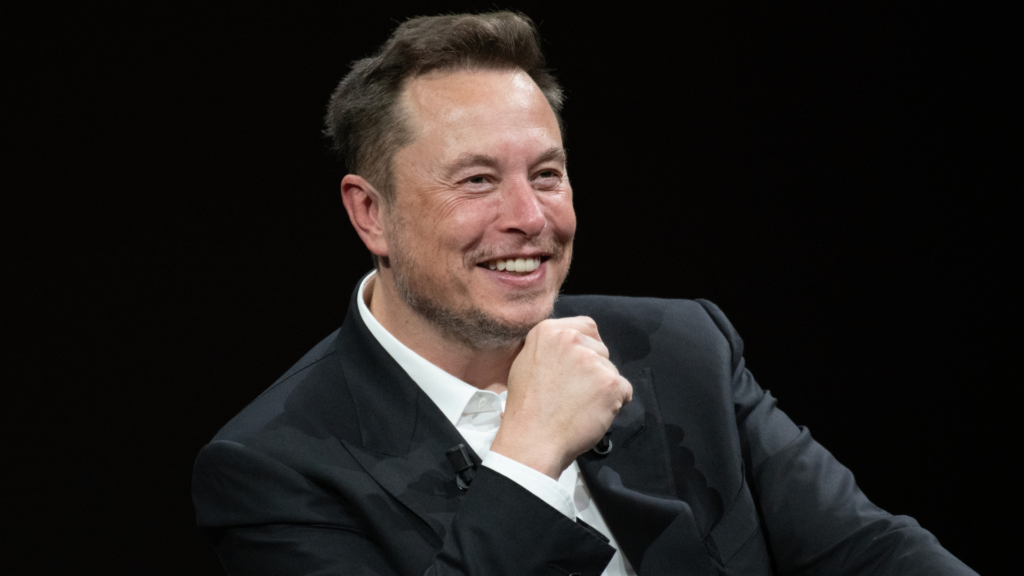
Bezos is not the only prominent technology figure who believes AI could eventually reduce the amount of time people spend working. Elon Musk has predicted that employment could become optional as AI and robotics increase production, while Microsoft co-founder Bill Gates has raised the possibility of a two- or three-day workweek. JPMorgan Chase CEO Jamie Dimon has also suggested that future generations could work fewer days than today’s employees. Although their predictions differ, these executives share the belief that automation could fundamentally change traditional employment patterns.
Experts Warn That AI Could Also Eliminate Jobs

Not everyone shares Bezos’s confidence that AI will primarily create greater freedom for workers. Some technology leaders, including Anthropic CEO Dario Amodei, have warned that artificial intelligence could eliminate a substantial number of entry-level white-collar jobs as companies automate routine tasks. Bill Gates has also cautioned that the transition into an AI-driven economy could be highly disruptive, even if the long-term benefits prove significant. The central concern is that productivity gains may not automatically translate into better wages or shorter workweeks if companies retain most of the savings through higher profits and reduced hiring.
The Three-Day Workweek Is Still a Prediction, Not a Guarantee

Bezos’s vision suggests that artificial intelligence could eventually give Americans more control over their schedules, allowing some families to depend on one income and others to work fewer days. However, the transition will depend on how quickly businesses adopt AI, whether productivity improvements create new opportunities and how much of the resulting wealth reaches employees. Amazon’s own workforce reductions demonstrate that increased efficiency can also lead to difficult employment decisions, even as technology companies invest heavily in AI. For now, a three-day workweek remains an ambitious possibility rather than an immediate reality, and American workers will be watching to see whether AI delivers more financial freedom or simply changes the jobs they depend on.