

Products are selected by our editors, we may earn commission from links on this page.
Florida is experiencing its largest locally acquired dengue outbreak in decades, with health officials reporting hundreds of infections and warning residents about the risks posed by infected mosquitoes. According to the Florida Department of Health, the state recorded 624 locally acquired dengue cases in 2026 through November 7, an increase of 100 reported cases compared with the previous weekly update. Although dengue has historically been more common in tropical regions outside the continental United States, the unusually large Florida outbreak has raised concerns about how easily the virus can spread when environmental conditions favor mosquitoes.
Florida Has Surpassed Its Previous Dengue Records

The current outbreak has surpassed Florida’s previous record of fewer than 200 locally acquired dengue cases in 2023, making 2026 an especially concerning year for mosquito-borne disease surveillance. Earlier in October, health officials had already reported more than 250 locally acquired infections, prompting national attention because the outbreak had become the largest recorded in the continental United States in several decades. By the beginning of November, Florida’s cumulative total had climbed substantially higher, although officials cautioned that reporting delays and ongoing investigations can affect when individual cases appear in weekly surveillance figures.
Hillsborough County Has Become the Center of the Outbreak

The outbreak has been particularly severe in Hillsborough County, where health officials recorded 468 locally acquired dengue cases through November 7, accounting for approximately three-quarters of Florida’s statewide total. Neighboring Pinellas County reported another 109 cases, while smaller numbers of locally acquired infections were identified in several other counties, including Miami-Dade, Orange, and Pasco. The concentration of infections around the Tampa Bay area has prompted local authorities to strengthen mosquito surveillance and control operations while encouraging residents to take additional precautions against mosquito bites.
An Older Tampa Resident Has Died From the Virus
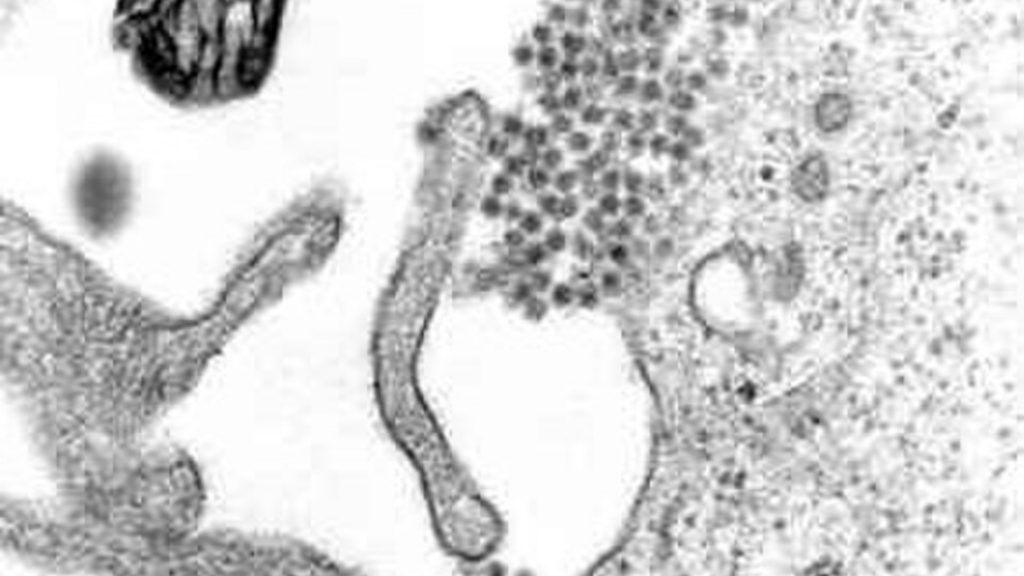
The outbreak has already had serious consequences, including the death of an older Tampa woman who died on September 4 after becoming infected with dengue. Although many people who contract the virus experience mild symptoms or recover without major complications, some patients develop severe illness involving internal bleeding, organ damage, or dangerous changes in blood circulation. Health officials emphasize that older adults and people with certain underlying medical conditions may require particularly careful monitoring, especially when symptoms become more severe or warning signs appear after the initial fever begins improving.
Infected Mosquitoes Are Spreading Dengue Locally
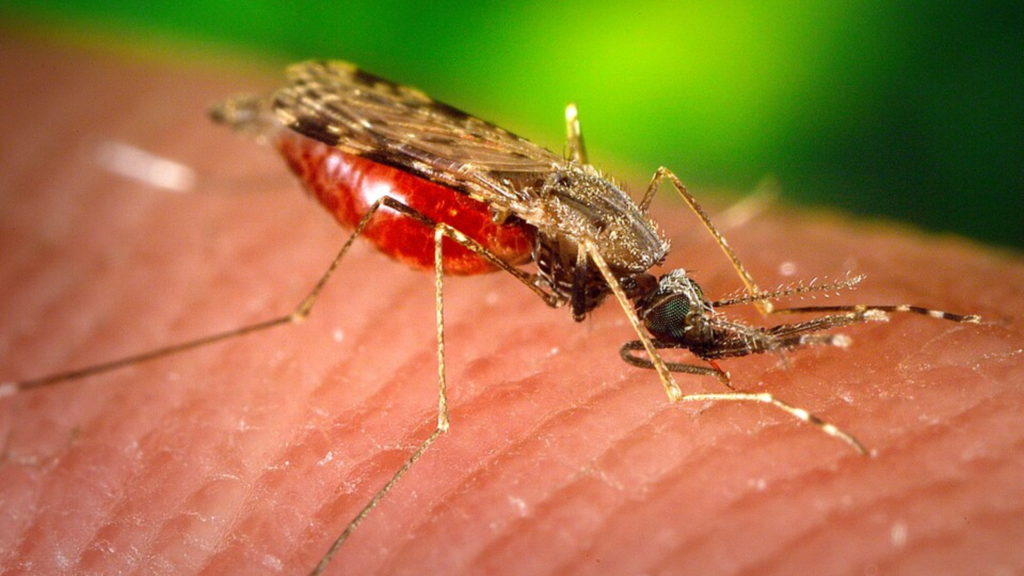
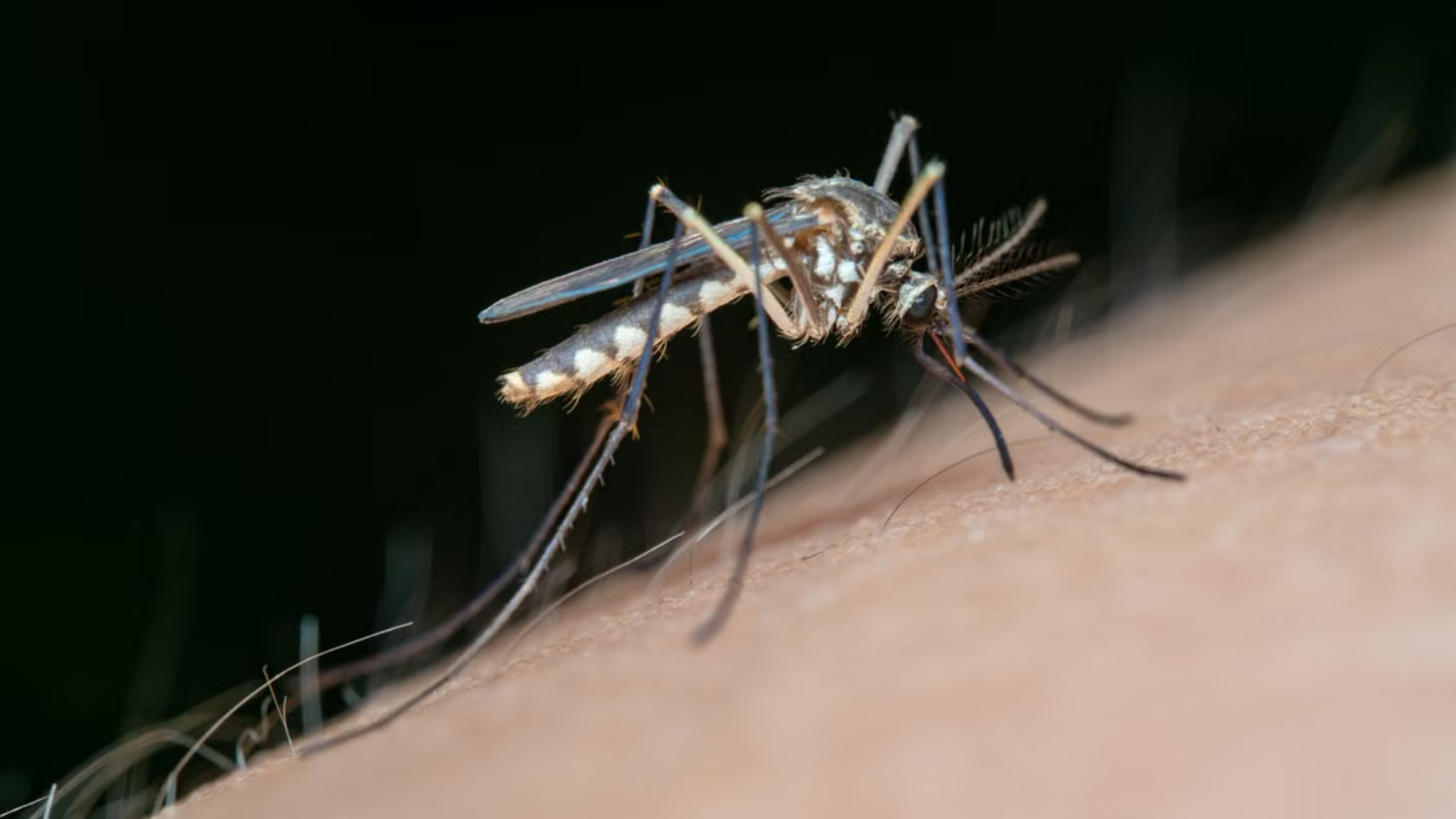
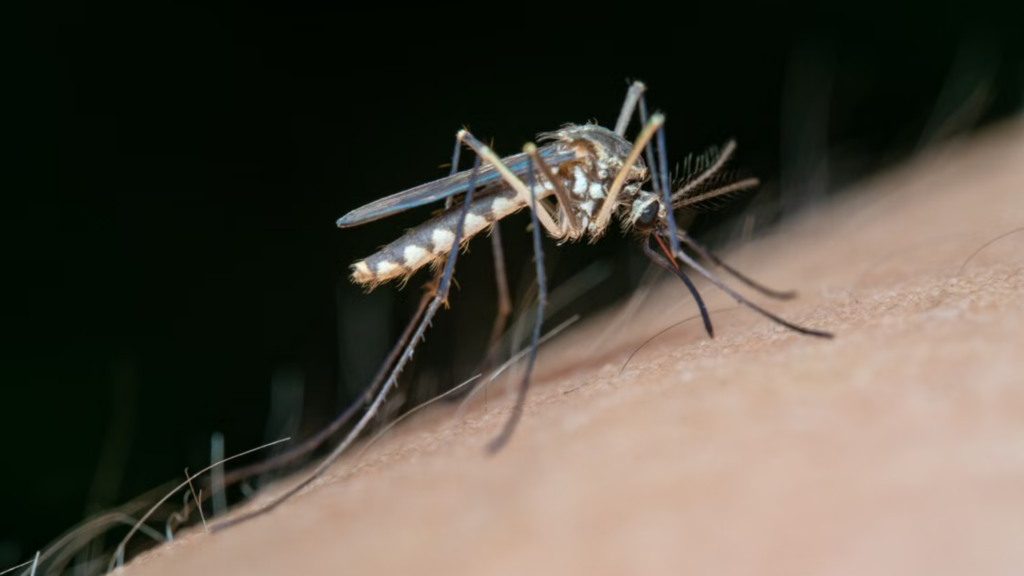
Dengue spreads primarily through bites from infected Aedes mosquitoes, particularly Aedes aegypti, a species commonly found in warm environments and areas with standing water. Unlike cases involving travelers who become infected abroad, locally acquired infections indicate that people contracted the virus within Florida after being bitten by infected mosquitoes. These mosquitoes often live near homes and bite during daylight hours, meaning residents can encounter them while gardening, walking outside, or spending time in their own backyards.
Warm Weather and Standing Water Can Make the Problem Worse

Florida’s warm temperatures, seasonal rainfall, and humid environment provide favorable conditions for mosquitoes, particularly when standing water collects around residential properties. Aedes mosquitoes can lay eggs in relatively small amounts of water, including those found in discarded containers, clogged gutters, flowerpots, and other outdoor objects that are easily overlooked. Researchers are also examining how changing temperatures, rainfall patterns, international travel, and expanding mosquito habitats may influence dengue transmission, although no single environmental factor fully explains the unusually large outbreak.
Dengue Symptoms Can Resemble the Flu
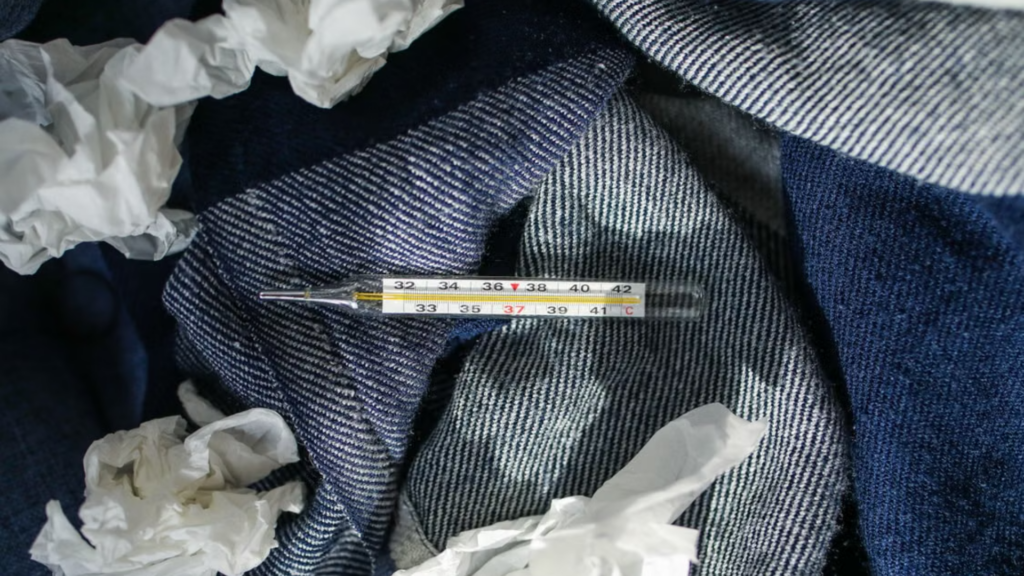
People infected with dengue may develop a sudden fever accompanied by severe headaches, muscle and joint pain, nausea, vomiting, or a rash, making the illness easy to confuse with other common infections. The CDC estimates that approximately one in four people infected with dengue will become sick, and symptoms typically last between two and seven days, although recovery can take longer for some patients. Because the symptoms are not unique to dengue, anyone experiencing a fever after possible mosquito exposure in an affected area should contact a healthcare professional, who may recommend blood testing to help confirm the diagnosis.
Certain Warning Signs Require Immediate Medical Attention

Although most people with symptomatic dengue recover, approximately one in 20 may develop severe dengue, a potentially life-threatening condition that can involve internal bleeding, shock, or serious organ complications. Warning signs include severe abdominal pain, repeated vomiting, bleeding from the nose or gums, blood in vomit or stool, and unusual tiredness or restlessness, particularly during the 24 to 48 hours after a fever begins to disappear. The CDC recommends seeking immediate medical attention when these symptoms occur, because severe dengue can worsen quickly and may require hospitalization and careful fluid management.
Florida Communities Are Increasing Mosquito Control Efforts
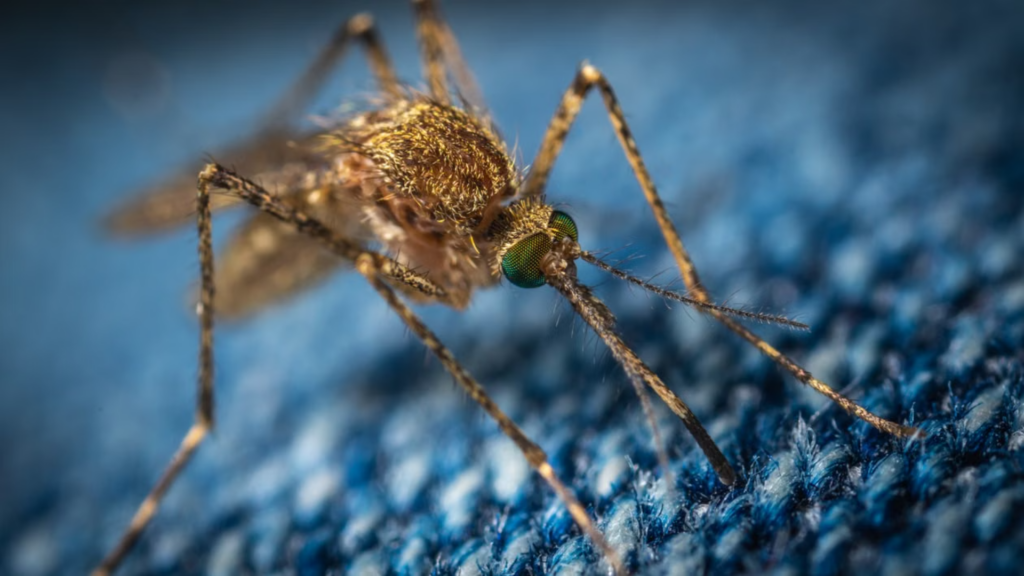
Local health authorities have responded to the outbreak by increasing mosquito control activities, including surveillance, targeted spraying, and public education campaigns designed to reduce the number of mosquitoes capable of transmitting dengue. In Hillsborough County and surrounding areas, officials have declared or extended local emergencies to support ongoing response efforts as additional infections continue to be investigated. The Florida Department of Health has also reported that the number of new locally acquired cases under investigation has recently decreased, although the growing cumulative case count shows that the outbreak has already affected hundreds of residents.
Protecting Yourself From Mosquito Bites Remains Essential
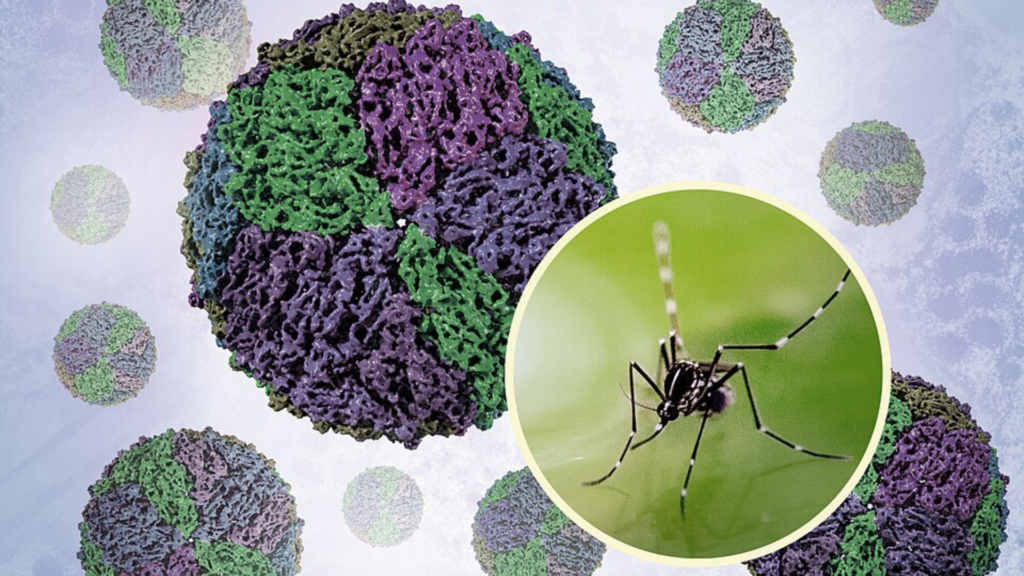
Health officials recommend using EPA-registered insect repellents, wearing long sleeves and pants when practical, and maintaining window and door screens to reduce contact with mosquitoes. Residents should also empty standing water from buckets, flowerpots, birdbaths, and other containers at least once a week, since removing mosquito breeding sites can help lower the risk of exposure around homes. Anyone who develops symptoms consistent with dengue should seek medical advice and avoid taking aspirin or ibuprofen unless a healthcare professional specifically recommends them, because these medications can increase bleeding risks associated with the illness.