

Products are selected by our editors, we may earn commission from links on this page.
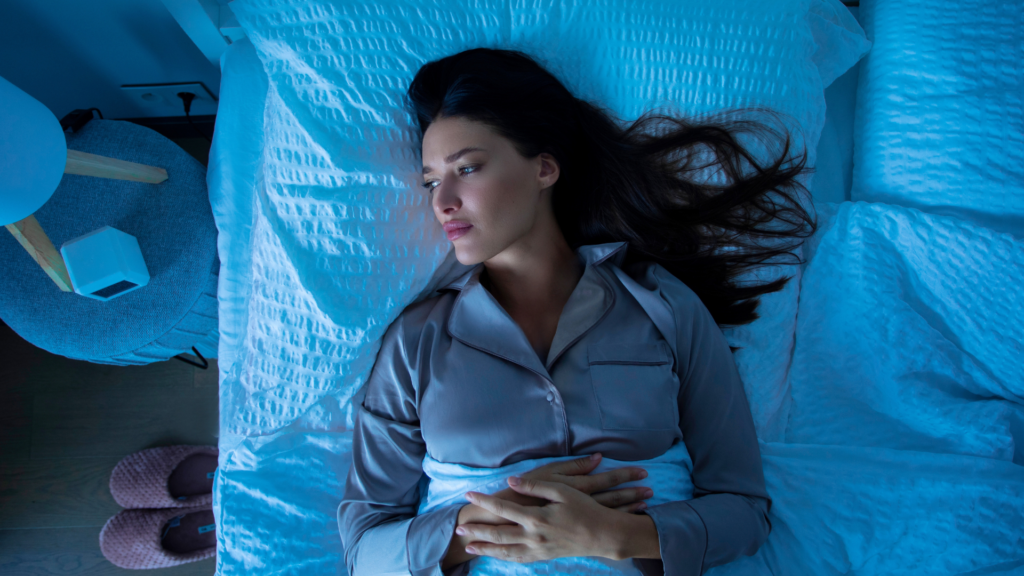
People who naturally stay up late may face more than just difficulty waking up in the morning. A new study suggests that evening-oriented adults, commonly known as night owls, are more likely to experience symptoms of anxiety and depression than people who naturally wake up early. Researchers also found that difficulties balancing work and personal life may help explain why these mental health problems are more common among people with evening chronotypes.
The research, published in the journal Sleep Health in June 2026, analyzed information from 2,266 working adults in Finland who participated in the population-based Healthy Finland Study. Participants were between 20 and 65 years old and were grouped according to their natural sleep-wake preferences, including morning types, intermediate types, and evening types. The researchers examined mental health symptoms, healthcare records, and how effectively participants could recover from work.
The findings showed that people who identified as definite evening types were more likely than definite morning types to have received treatment for depression or anxiety disorders. They were also more likely to report psychological distress, general anxiety symptoms, and suicidal thoughts. Sci.News reported that some measures of treated depression and anxiety were up to three times higher among evening types, although the study does not establish that staying up late directly causes mental health conditions.
Work-Life Balance May Explain Part of the Increased Risk

One of the study’s most important findings involved the difficulty night owls experience when trying to separate their jobs from their personal lives. Evening-oriented workers reported more work spilling into their free time and greater difficulty recovering from the demands of the workday. This can make it harder to mentally disconnect from responsibilities, relax, and regain energy before the next shift.
The researchers found that poor recovery from work partly explained the relationship between evening chronotype and anxiety disorders serious enough to require healthcare treatment. Specifically, difficulties recovering from work accounted for approximately 12.7% of the association between being an evening type and receiving treatment for anxiety. Work spilling into personal time also played a role in the relationship between circadian preferences and mental health problems.
A possible explanation is that conventional daytime schedules do not always match the natural rhythms of people who feel more alert later in the day. Night owls may have to complete demanding tasks during hours when their bodies are less naturally prepared for activity, while still meeting early morning work or family responsibilities. That mismatch can contribute to exhaustion, insufficient recovery, and stress that follows employees long after they have finished working.
Why Traditional Work Schedules Can Be Difficult for Night Owls
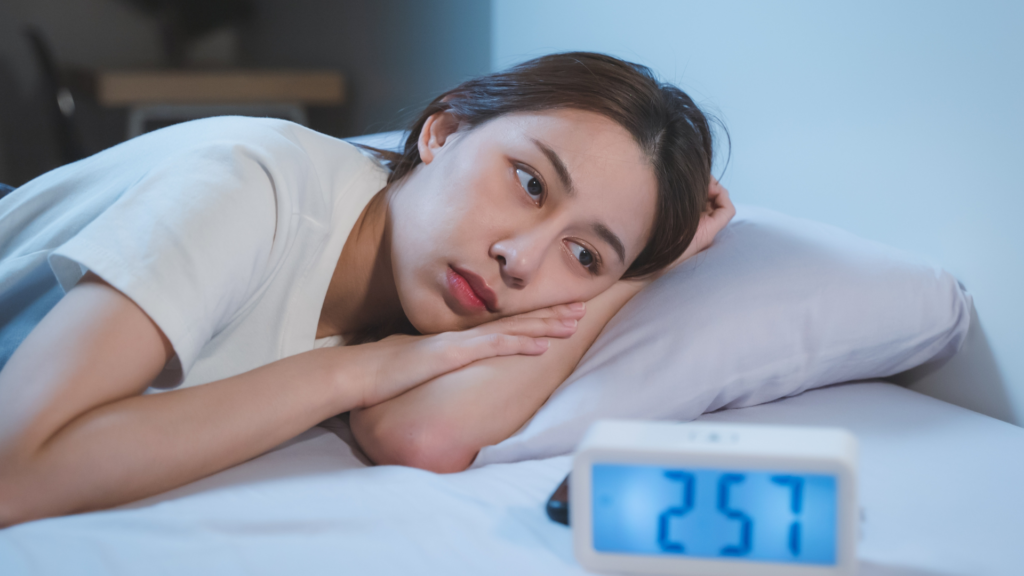
A person’s chronotype refers to their natural preference for sleeping and being active at particular times of the day. Morning types tend to feel more alert earlier, while evening types generally prefer later bedtimes and may feel more productive during the afternoon or evening. These preferences are influenced by the body’s internal circadian rhythm, which helps regulate sleep, alertness, and other biological processes.
When an evening-oriented person must regularly wake up early for work, the schedule can conflict with their preferred sleep timing. Some may stay awake late because that is when they naturally feel most alert, only to get up early the following morning. Over time, this pattern can make it harder to get sufficient sleep and recover from daily demands, particularly when work responsibilities continue to occupy their evenings.
The Finnish study also considered health behaviors, including insufficient sleep, physical activity, and risky alcohol consumption. Although evening types showed some less healthy patterns, adjusting for these factors did not eliminate the associations between evening chronotype, work-life balance difficulties, and mental health symptoms. This suggests that lifestyle habits alone may not explain the differences, and that workplace conditions deserve attention as part of the broader picture.
Better Recovery and Flexible Work Practices Could Help

The researchers believe that improving work-life balance and helping employees recover from work could be meaningful ways to support evening-oriented workers. Employers may be able to help by reviewing workloads, limiting unnecessary after-hours communication, and giving employees more control over when they complete certain tasks. Where possible, flexible starting times and schedules that better accommodate different sleep preferences may also reduce the strain of working against a person’s natural rhythm.
Workers can also take practical steps to protect their recovery time. Establishing a consistent sleep routine, setting boundaries around work messages, and allowing time to relax after demanding shifts can help prevent professional responsibilities from taking over personal hours. People who regularly struggle with anxiety, depression, or persistent sleep difficulties should consider speaking with a qualified healthcare professional rather than assuming their chronotype is the only explanation.
The findings do not mean that every night owl will develop a mental health condition or that evening preferences are inherently unhealthy. Instead, the research highlights how natural sleep patterns and workplace expectations can interact, potentially creating additional pressure for some employees. By recognizing differences in circadian rhythms and making room for healthier work-life boundaries, employers may help support the well-being of workers who do not naturally function on an early-morning schedule.