

Products are selected by our editors, we may earn commission from links on this page.
Can two sweaters cost exactly the same and still leave shoppers feeling that women are getting less? That was the concern Rachael Brownfield raised after comparing Abercrombie & Fitch’s women’s wool blends with men’s all-wool options. Her complaint centered on what shoppers received for their money, not a higher price tag in the women’s department.
Brownfield posted her TikTok comparison on October 9, 2026, after browsing the retailer’s website. “The worst part is they’re the same price. They’re both $95,” she said. Complex’s October 14 coverage reported that the video had surpassed 2 million views, citing The Mary Sue.
The criticism spread to Abercrombie’s TikTok and Instagram comments, where some shoppers called it a “pink tax.” The term can describe women paying more for comparable products or paying the same for something considered lower quality. In this case, shoppers were questioning the materials they received. What did the two sweaters’ product descriptions actually reveal?
What the $95 Comparison Showed
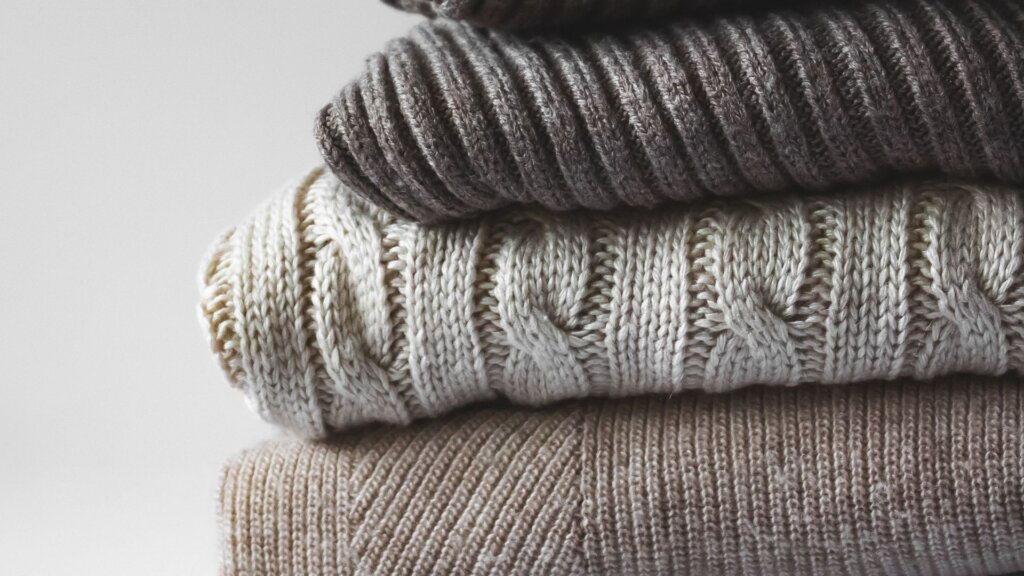
In its October 14 report, Complex identified the women’s Merino Wool-Blend Polo Sweater as 66% nylon, 30% merino wool and 4% elastane, priced at $95. The men’s 100% Merino Wool 3-Button Collared Sweater carried the same price. That supported the specific comparison of equal prices for substantially different wool content, without establishing which finished garment was better.
However, Abercrombie did not reserve pure wool for men. Yahoo Shopping found at least three women’s 100% wool sweaters and four men’s options when it checked the inventory for its October 14 report. Complex also identified a $90 women’s merino mock neck and noted that the mixed-fiber products were clearly labeled as blends.
Eric Turney, president of the Monterey Company, told Yahoo Shopping that shoppers could reasonably question different materials at equal prices when construction and styling were similar. He emphasized value per dollar while cautioning against treating one sweater as proof of the entire pink-tax problem. But does a higher wool percentage automatically mean better quality?
Fiber Content Does Not Tell the Whole Story
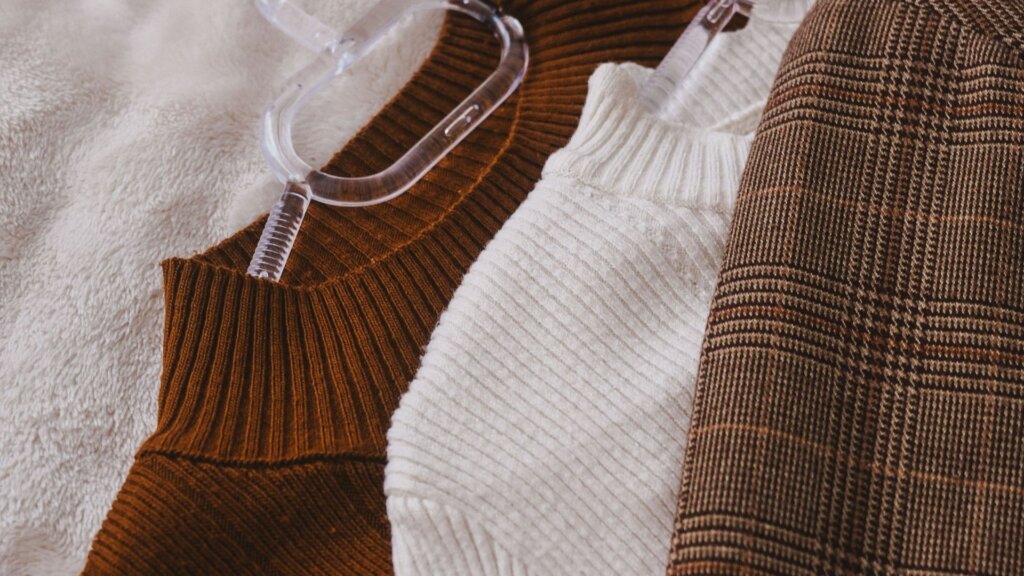
Not necessarily, according to Melanie DiSalvo, an apparel manufacturing expert and founder of A Look Behind the Seams. She told Yahoo Shopping that an all-wool sweater could be the inferior product if it used lower-quality fiber than a blend. Yahoo also noted that synthetics can improve durability or wrinkle resistance. The percentages alone therefore do not settle the quality comparison.
Production costs can extend beyond the yarn, too. Sheng Lu, a fashion and apparel professor at the University of Delaware, explained that broader ranges of women’s styles, fits and sizes can increase development and production costs. Belinda Jacobs, founder of clothing-development firm Tech Packs Co, added that faster-changing trends can lead brands to offset anticipated markdowns with higher initial prices. These were general industry explanations, not a breakdown of Abercrombie’s costs.
Brownfield later highlighted sweater markdowns. Complex confirmed an online promotion of up to 30% off select sweaters and sweatshirts from October 10 through 13, but reported no evidence connecting it to her video. Yahoo Shopping said Abercrombie had not answered its request for comment as of October 14. Without a company explanation, what could shoppers assess for themselves?
Compare the Garment, Not Just the Department
Jacobs recommended checking care labels and online product descriptions rather than relying on brand marketing or whether an item was labeled for men or women. She favored natural fibers or blends containing higher percentages of them. Read alongside DiSalvo’s caution, that advice makes composition a useful starting point, rather than a complete verdict on quality.
Shopping across departments can offer alternatives, but fit remains a consideration. Gayane Rakopyan, owner of activewear brand Flex Life Wear, told Yahoo Shopping that men’s garments are cut for broader shoulders, longer torsos and narrower hips. Options such as hoodies or sweatpants may work, she said, while other categories do not offer equivalent substitutes. Switching departments is not an answer that fits every purchase.
Brownfield’s comparison documented different materials at matching prices, but it did not establish why Abercrombie priced those garments that way. Turney’s emphasis on value leaves room to question the difference without assuming every blend is inferior. The useful comparison goes beyond either the price tag or the wool percentage to consider the materials, construction and styling together.