

Products are selected by our editors, we may earn commission from links on this page.
The U.S. Department of Agriculture (USDA) has issued an urgent food safety alert for select HelloFresh ready-made meals that may be contaminated with Listeria monocytogenes. The warning, released on October 6, follows a supplier-linked recall of spinach used in the affected dishes. Officials are urging consumers to check their refrigerators immediately and discard any impacted products.
The Alert That Sparked Concern

According to the U.S. Department of Agriculture’s Food Safety and Inspection Service (FSIS), the public health alert applies to two HelloFresh Ready Made Meals containing spinach, later found to be contaminated with Listeria monocytogenes.
The affected Cheesy Pulled Pork Pepper Pasta meals come in 10.1-ounce containers labeled with establishment numbers “Est. 47718” and “Est. 2937”, carrying lot codes 49107 and 48840. The Unstuffed Peppers with Ground Turkey meals are packaged in 10-ounce containers marked “P-47718” with lot codes 50069, 50073, and 50698.
All items were shipped directly to consumers under HelloFresh branding.
Contamination Source Traced to Spinach Supplier
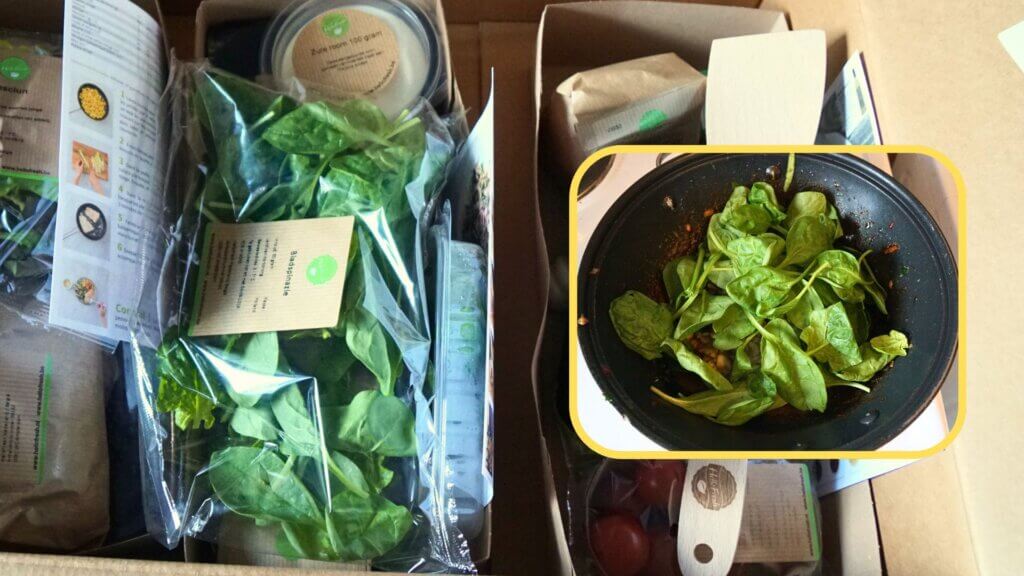
The contamination originates from Sno Pac Foods, a Minnesota-based supplier that discovered Listeria monocytogenes in its frozen spinach during routine testing. Sno Pac voluntarily recalled its spinach nationwide in late September, leading FreshRealm, the manufacturer of HelloFresh’s ready-made line, to identify and report potentially affected meals to the FSIS. The agency subsequently issued the national alert to prevent any contaminated items from reaching consumers.
FreshRealm’s Response and Recall Actions
FreshRealm immediately halted production and quarantined all spinach linked to the recall. The company said it is cooperating with federal regulators to ensure that any affected ingredients are removed from circulation. So far, no confirmed cases of listeriosis have been reported, though officials caution that symptoms could take up to 70 days to develop.
Understanding the Listeria Threat
According to the FDA, Listeria monocytogenes is a hardy bacterium that can survive refrigeration and contaminate foods during harvesting or packaging. Infection can lead to fever, muscle aches, nausea, and, in severe, life-threatening cases such as sepsis, meningitis, or pregnancy complications. Because it thrives in cold conditions, ready-to-eat meals and salads are particularly vulnerable when contaminated.
CDC: A Rare but Serious Foodborne Illness
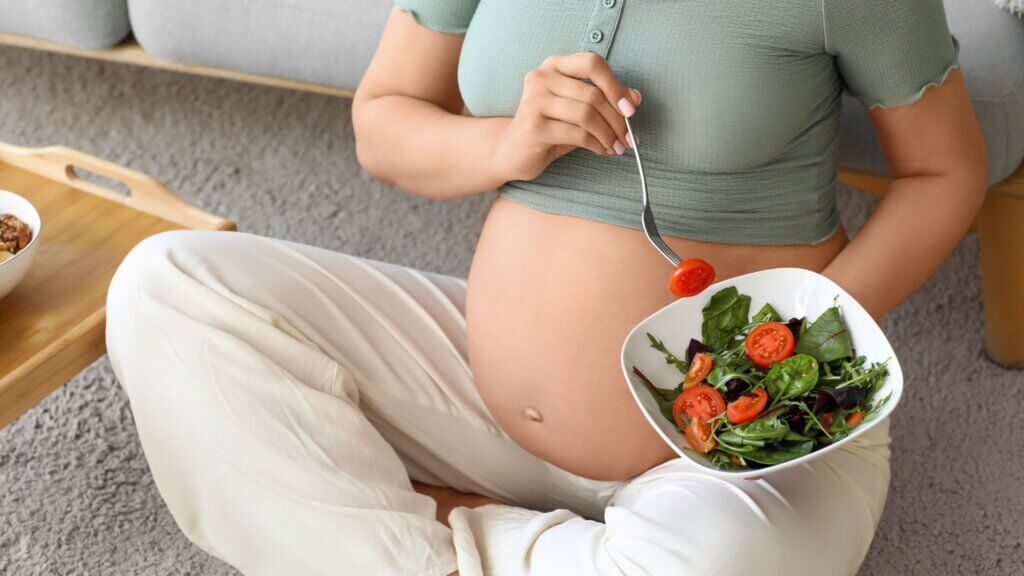
The Centers for Disease Control and Prevention (CDC) lists Listeria as the third leading cause of death from foodborne illness in the U.S., with roughly 1,250 infections and 170 deaths annually. The bacterium poses its greatest risk to pregnant women, newborns, older adults, and those with weakened immune systems. Because it can incubate for weeks, early detection and immediate reporting of symptoms are critical.
A Wider Listeria Outbreak Across Ready-to-Eat Foods
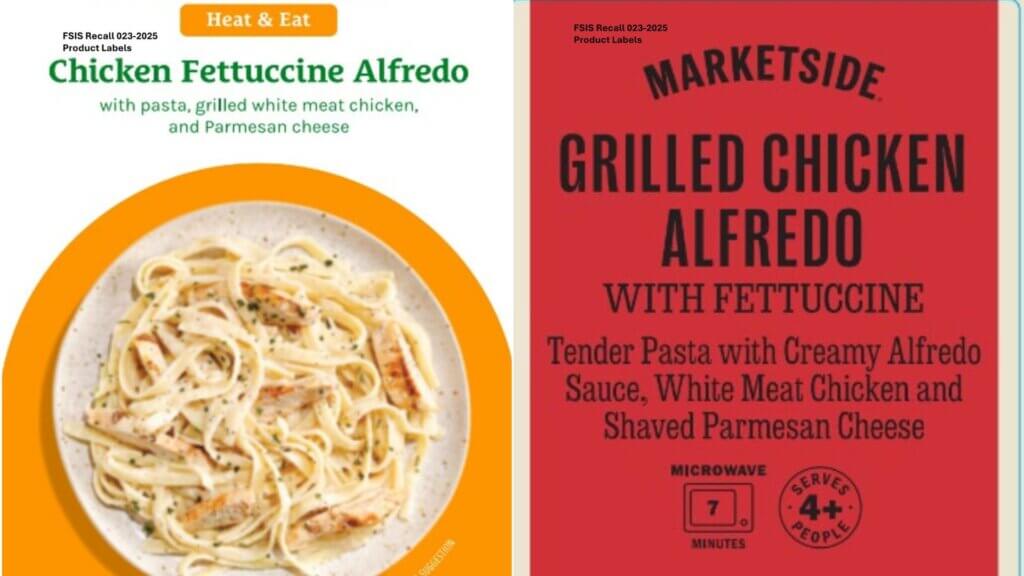
The HelloFresh warning comes amid a broader Listeria outbreak that has affected other ready-to-eat products in recent months. In September, the CDC and FSIS linked cases of Listeria monocytogenes to prepared pasta and chicken meals from Trader Joe’s, while the FDA oversaw recalls of ready-to-eat sandwiches and snack boxes from Fresh & Ready Foods distributed across several western states.
What Consumers Should Do Now
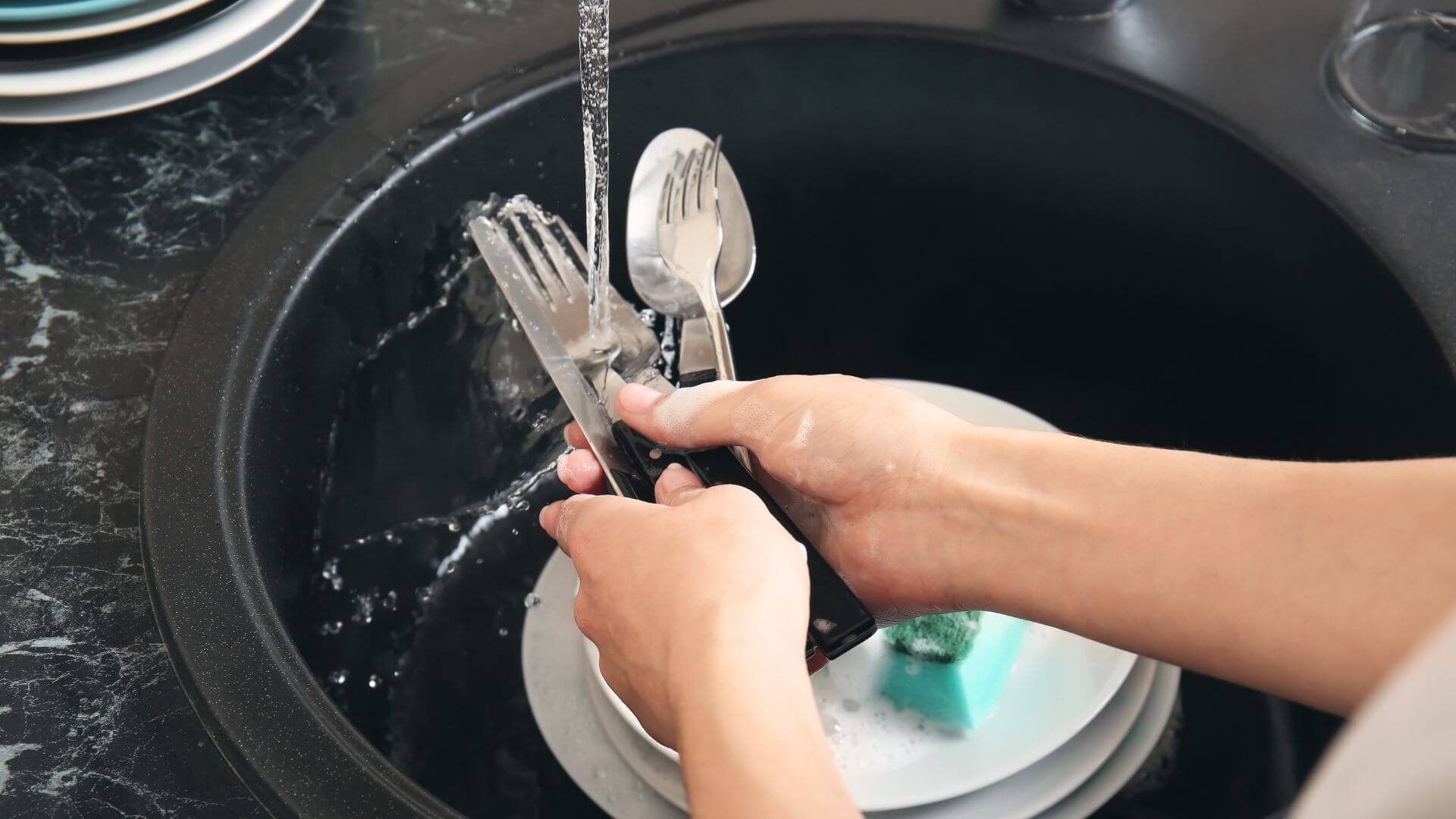
Consumers are urged not to eat the affected meals and to throw them away or return them for a refund. The USDA recommends cleaning and sanitizing any surfaces or utensils that may have come into contact with the packages. The FDA also advises keeping refrigerators below 40 °F (4 °C) and washing hands thoroughly after handling recalled items.
HelloFresh’s Customer Advisory
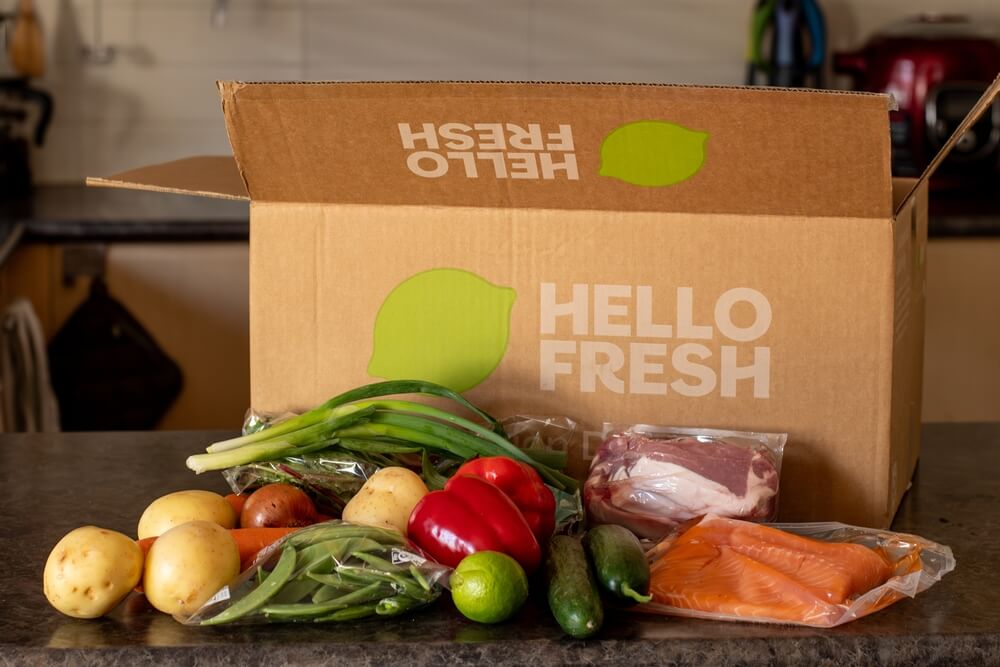
HelloFresh issued a customer advisory outlining the recall details and affected product codes. The company said it is working with FreshRealm and Sno Pac Foods to ensure all contaminated ingredients are removed from circulation and that future shipments meet enhanced safety checks. “Customer safety is our top priority,” the company stated, confirming refunds are being offered to anyone who purchased recalled meals.
Broader Implications for Meal Kit Safety
The incident underscores the vulnerabilities of the meal kit industry, which relies on a complex web of shared suppliers. A single contaminated ingredient can affect multiple brands nationwide, as seen in past recalls involving broccoli, lettuce, spinach, and ready-to-eat salads. Food safety experts say the sector’s rapid growth demands tighter oversight and more transparent supplier auditing to protect consumers.
A Wake-Up Call for Food Safety

The HelloFresh warning highlights how interconnected—and fragile—the modern food supply chain has become. What started with one contaminated spinach batch rippled through manufacturers, prompting a nationwide alert. As Americans increasingly depend on convenient meal services, this case serves as a reminder that speed and scale must never outpace safety.