

Products are selected by our editors, we may earn commission from links on this page.
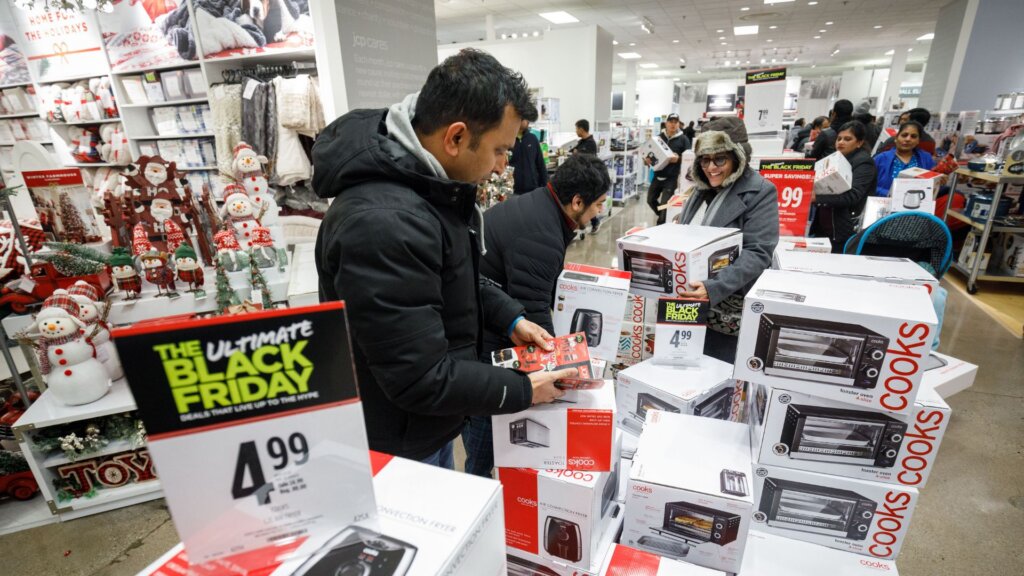
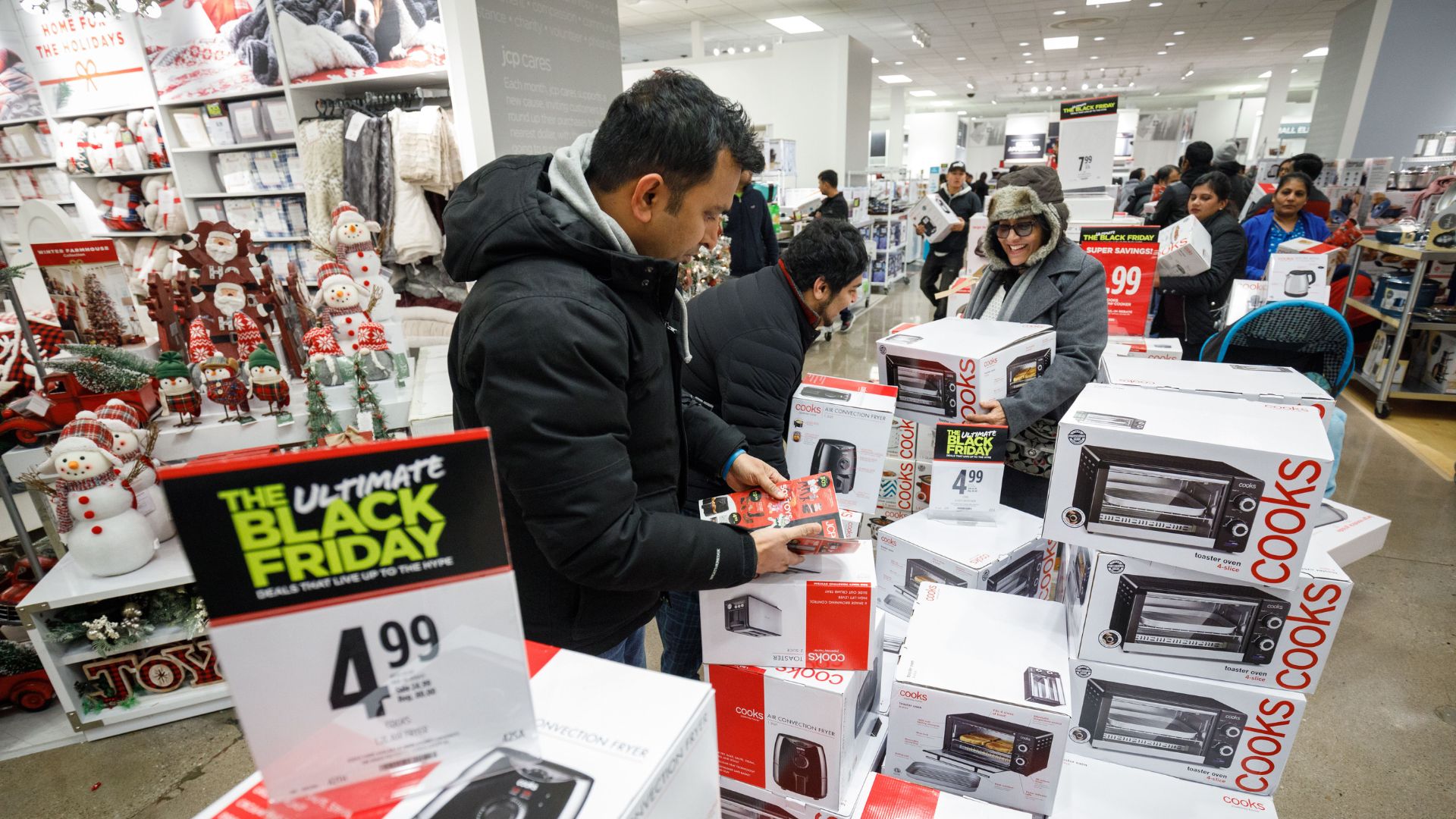
Before the first gift gets wrapped, Americans’ credit cards are already carrying more debt than at any point on record. The Federal Reserve Bank of New York’s latest household debt report, released Nov. 10, showed card balances grew by $22 billion in the July-to-September quarter and stood 4.2% higher than a year earlier. Holiday spending forecasts point higher too, and the season is starting with that debt already in place.
What the Average Balance Looks Like

A separate TransUnion report found the average balance per consumer sits at $6,678, up 2.4% from a year ago. The number of people holding credit cards rose 2% over the same stretch, from 174.8 million to 178 million. Zoom out to the national total, and it is 67% higher than in the first quarter of 2021, when pandemic restrictions held back things like travel and dining out.
What Carrying a Balance Costs
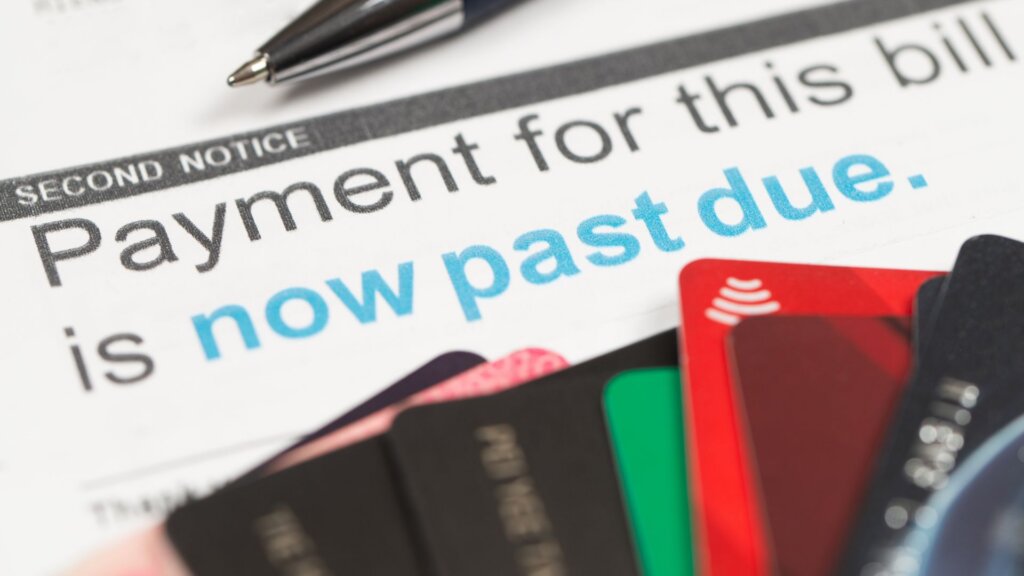
Cards are easier to get than other types of loans, which is part of the appeal, but they are expensive to carry. The average rate on a new card offer is about 24%, according to LendingTree, though APRs vary with the type of card, the issuer, and the borrower’s creditworthiness. TransUnion’s Charlie Wise, senior vice president of global research and consulting, says cards remain one of the priciest ways to borrow.
Why Balances Keep Growing
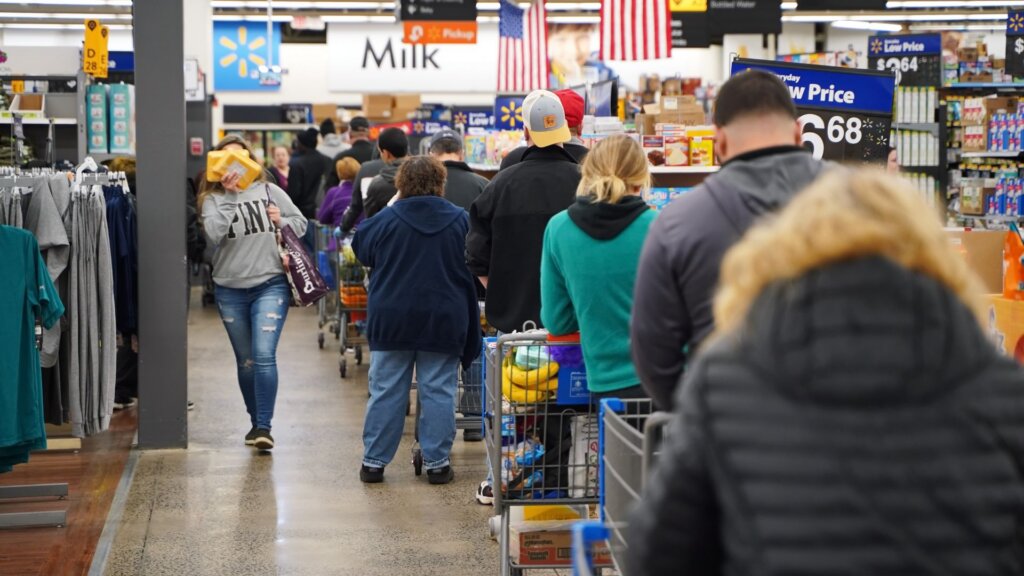
Climbing prices and borrowing costs have pushed more people into debt, says Ted Rossman, principal consumer finance analyst at Money Management International, a nonprofit credit counseling agency. Prices are up an average of 30% since 2019, he says, and millions of Americans have used up savings and taken on debt to make ends meet. Federal data shows the savings rate has dipped below 4% of total income, well under pre-pandemic levels.
How a Surprise Bill Becomes Debt

“I was doing OK until X happened,” Rossman says that is often how clients’ stories start, and X is commonly a medical bill, a car repair, a home repair, or everyday costs like gas and groceries. One surprise can start a debt cycle that is hard to shake, he adds. The past two months were Money Management International’s busiest for debt management plan sign-ups in more than 15 years.
Where the Strain Is Showing
A growing share of new credit cards has gone to borrowers with lower incomes and credit scores, and New York Fed researchers say those accounts now show higher levels of distress. Issuers loosened lending standards during the pandemic, the researchers said, and delinquency rates rose afterward. The latest report showed one improvement. Transitions into serious delinquency for cards improved slightly after a sharp climb between 2022 and 2024, even as aggregate delinquency worsened.
A Record Season in the Forecast

Forecasts still point to a big season. In mid-October, the National Retail Federation projected November and December retail sales would grow 4.2% to $1.01 trillion, the first time crossing the $1 trillion mark. Visa said in early November it expected holiday retail sales to rise 4.5%, the largest jump since 2021. October retail sales rose just 0.2%, the slowest pace in nearly a year, according to a monthly gauge from CNBC and the Retail Federation.
How People Plan to Pay

Debit cards edged past credit cards as the preferred way to pay for the holidays, at 73% versus 69%, according to KPMG’s Consumer Pulse survey of 2,005 consumers taken Sept. 10 to 25. Cash followed at 68%. The same survey estimated holiday spending would rise 5% year over year, with an expected average of $783, and found close to a quarter expecting to put more than 21% of their purchases on buy now, pay later.
When Housing Payments Take a Back Seat

Accredited Debt Relief, a debt settlement firm, surveyed 2,000 American adults from Oct. 16 to 20. Among Gen Z respondents, 46% have postponed or skipped a rent or mortgage payment to pay for holiday spending, versus 28% of millennials and 14% of Gen X. Chief financial education adviser Bobbi Rebell told Newsweek that many people may feel embarrassed to scale back, or underestimate what the season adds up to.
What Keeps Spending Going

Jobs are where the news is better. Employment growth averaged 137,000 over the past three months, versus an average loss of 45,000 in the same stretch of 2025. “The core support for consumer spending is being employed,” says Nationwide chief economist Kathy Bostjancic, who adds that falling gas prices may give shoppers a little more daylight. Wage growth remains stagnant, though, so the season arrives with plenty of cards in play and little slack.