


Products are selected by our editors, we may earn commission from links on this page.

Asking a business to stop contacting you will not necessarily silence every kind of automated message it sends. Federal Communications Commission rules scheduled to take effect November 25, 2026, change how consumers withdraw permission and how broadly a request applies. Businesses may specify a required opt-out method, while marketing and informational messages receive different treatment. That distinction matters before assuming one reply will end every automated call or text from the same sender.
Marketing Opt-Outs Cover More Than One Promotion

A valid opt-out from an automated advertising or telemarketing call or text will revoke permission for all future automated marketing messages from that business. Advertising and telemarketing count as one category, rather than separate promotions requiring individual requests. A broader provision adopted in 2024 would have extended that effect across message types, but it was delayed and never took effect. What happens when the message is a reminder instead of an advertisement?
Reminders Can Stop While Fraud Alerts Continue

For informational calls and texts, a sender may limit an opt-out to the category the consumer rejected. Payment reminders, appointment notices, and fraud alerts are examples of these messages. Someone who stops a bank’s payment reminders would not necessarily stop its fraud alerts as well. The distinction allows different kinds of information to be treated separately, rather than making a request about one category automatically apply to every automated message from that sender.
Businesses Can Specify How to Opt Out

The order allows callers to designate an exclusive opt-out method from three options. These include an automated voice or button-press prompt during a call, a standard reply to a text, or a designated website or phone number. The chosen method must be disclosed clearly and conspicuously during the call or in the message itself. For consumers, checking those instructions becomes part of making a request the business must honor.
Text Replies Have Seven Recognized Options

When text replies are used to withdraw consent, senders must recognize seven standard responses: stop, quit, end, revoke, opt out, cancel, and unsubscribe. A message can display just one of those options, such as stop, without listing all seven. However, showing only one does not let the sender disregard the other accepted responses. The distinction is between what appears in the instructions and which standard replies must work.
An Email Complaint May Not Be Enough
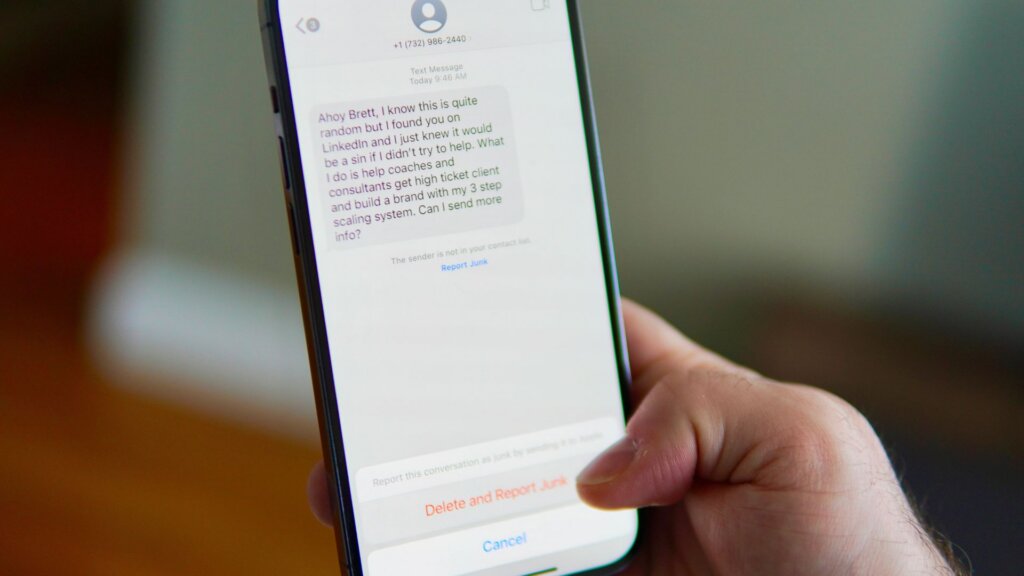
An emailed complaint or a request made to a customer service agent may no longer qualify when a sender has designated a different required method. That changes the previous approach allowing consumers to withdraw consent through any reasonable means. However, businesses that designate no exclusive method must continue honoring reasonable requests. The same approach can therefore count with one sender and not another, depending on the instructions provided.
Ten Business Days Remains the Maximum

A valid request must be honored within a reasonable period that does not exceed ten business days. That is a maximum deadline, not a requirement to wait the full period or a promise of an immediate stop. The FCC is seeking comments on shortening the period to seven business days. That shorter deadline is a proposal, not part of the rules taking effect on November 25.
Fraud Alerts Get a Separate Change

Financial institutions will also have more flexibility in obtaining phone numbers for fraud alerts. The order allows those calls and texts to go to wireless numbers obtained from a reliable source, rather than only numbers customers supplied directly. One example is a number provided by an authorized family member. This provision concerns fraud alerts, not general permission to send promotional messages, which remain subject to the separate marketing opt-out rules.
Further Changes Are Still Under Consideration

The FCC is also considering requiring two-way texting so recipients can reply directly. Another proposal would require a one-step option to stop all message categories when a caller offers category-specific opt-outs. The agency is asking whether separately branded affiliates should count as separate callers, too. Comments are due November 25, 2026, with replies due December 28, but those deadlines do not make the proposals adopted rules.
The Instructions Matter as Much as the Request

The November 25 rules change how opting out works, but their effect on unwanted contact remains an open question. They distinguish between rejecting one informational category and withdrawing permission for marketing, while allowing senders to specify a process. For consumers, the practical step is checking which method a business has clearly provided. A valid request matters, but so does understanding which messages that request is meant to stop.