

Products are selected by our editors, we may earn commission from links on this page.
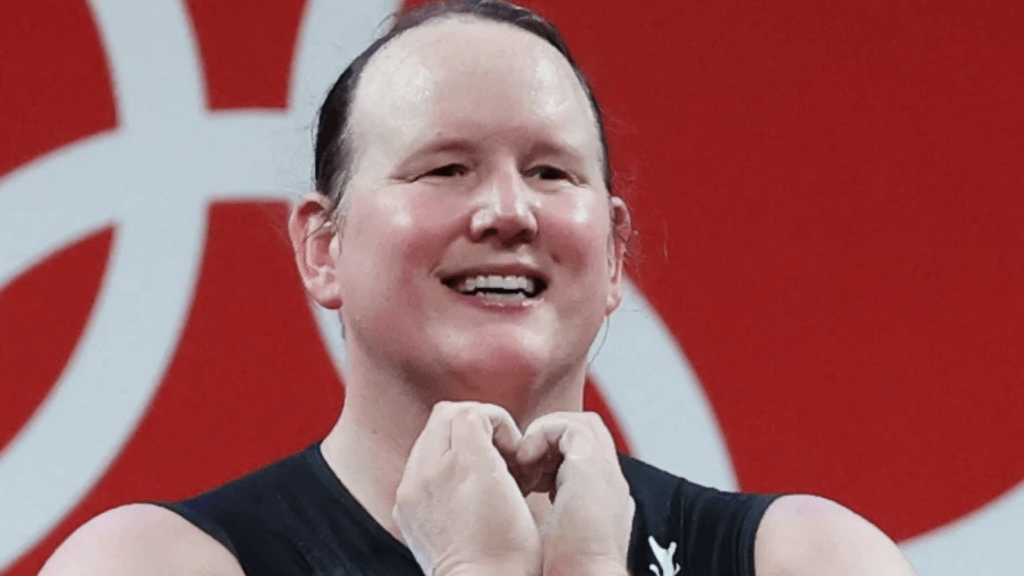
In a landmark ruling that has sent shockwaves through the sporting world, the International Olympic Committee has officially banned transgender women from competing in female categories at the 2028 Los Angeles Olympics and beyond. The policy also extends to athletes with Differences in Sex Development (DSD), effectively ending a decade of intense debate over who qualifies for the women’s podium. Kirsty Coventry, President of the IOC, stated plainly that the decision was made because it would not be fair for biological males to compete in the female category.
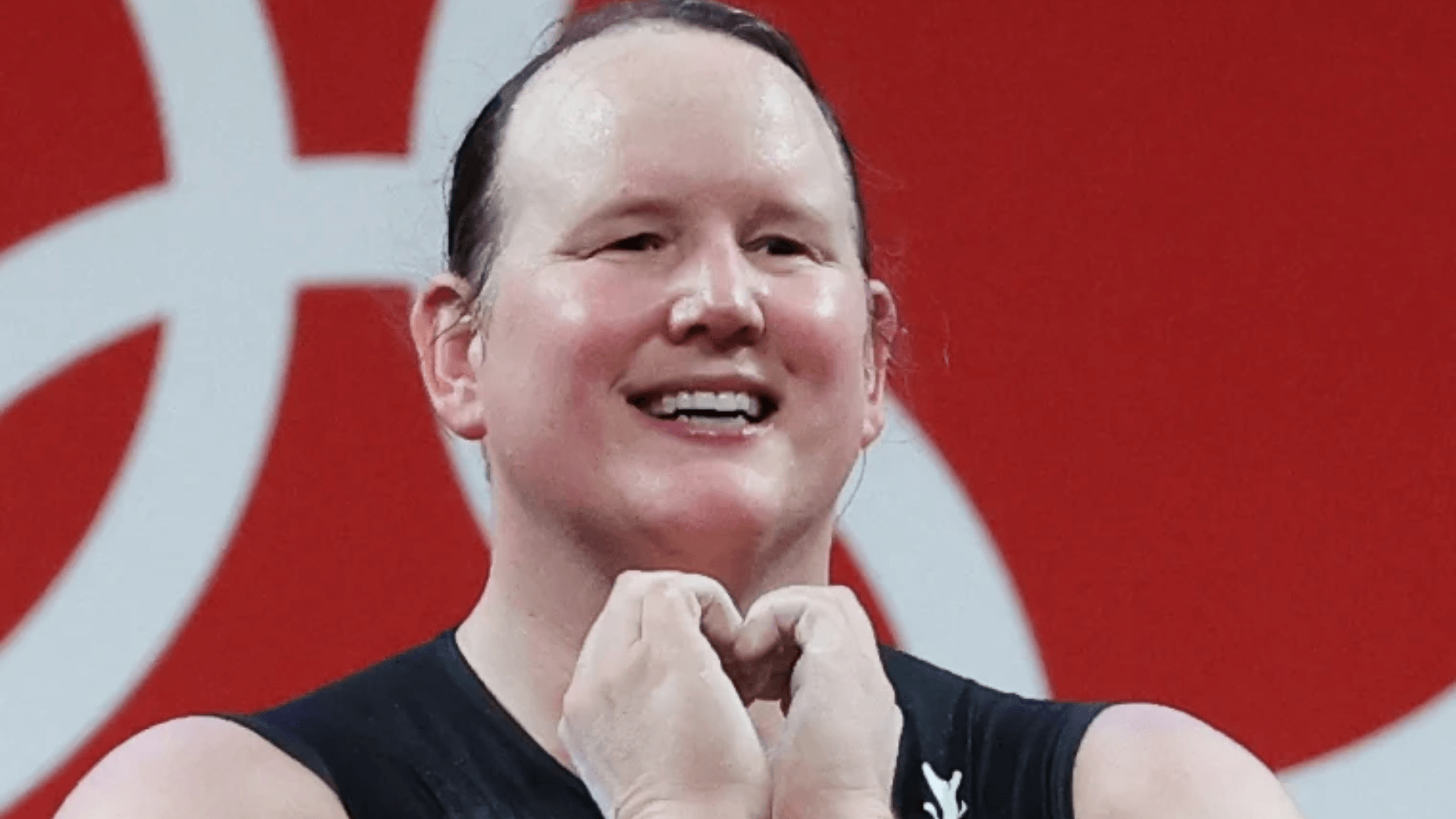
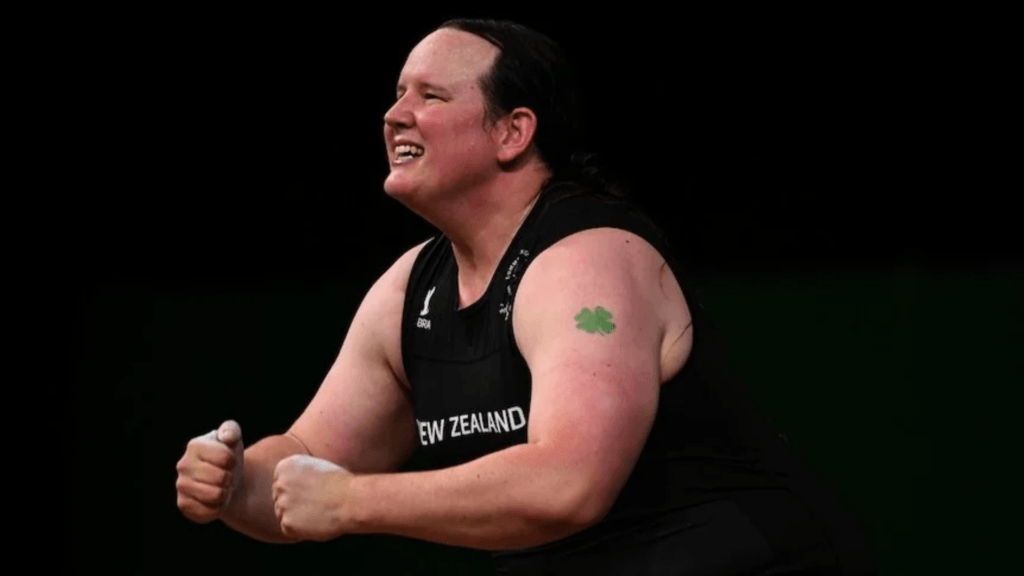
The move marks a hard pivot from previous years, such as when weightlifter Laurel Hubbard became the first transgender woman to compete at the Tokyo Games. The IOC now argues that the fairness, safety, and integrity of elite competition require a strictly sex-based female category. This decision aims to protect the narrow margins that separate Olympic victory from defeat, ensuring that female athletes are not displaced by those who have experienced male puberty.
While the committee insists that every athlete must be treated with dignity and respect, the new rules draw a firm line in the sand. By prioritizing the biological advantages gained during development, the IOC is betting that a return to sex-based eligibility is the only way to maximize the total benefit for the vast majority of female competitors. The ruling has already sparked a firestorm of opinions, with some calling it a win for fairness and others a blow to inclusion.
The Science of the 100% Advantage
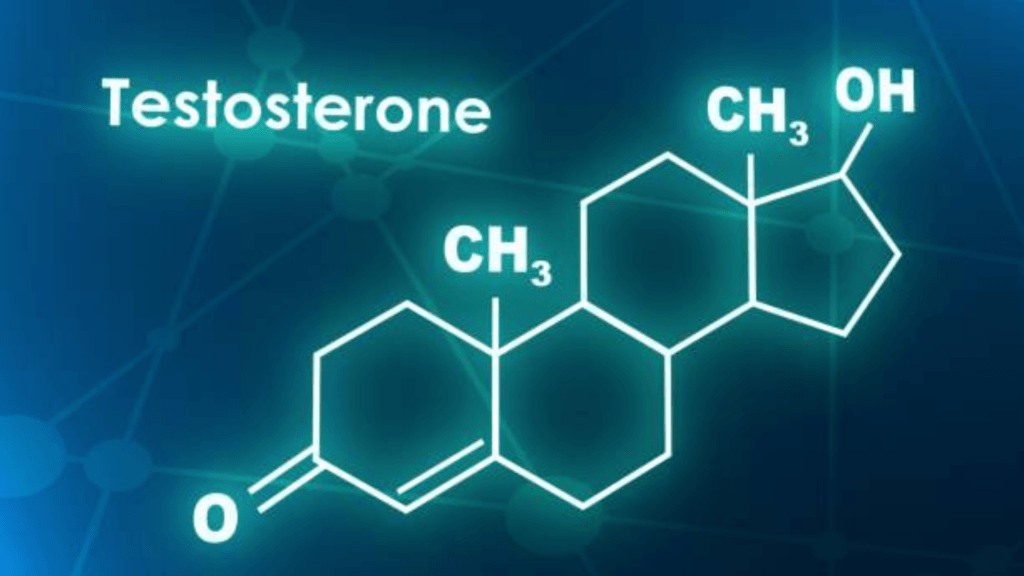
The IOC’s decision is backed by a 10-page scientific document that details the overwhelming performance gap between biological sexes. According to the report, biological males hold a 10–12% advantage in most running and swimming events, which jumps to over 20% in throwing and jumping disciplines. Most shockingly, the advantage can exceed 100% in explosive power sports, such as those involving lifting, punching, or collisions. These findings suggest that the physical gap is not merely a marginal difference but a fundamental biological reality.
The medical evidence specifically highlights that transgender women and XY-DSD athletes typically retain testosterone levels that remain within the male range. Furthermore, the majority of these athletes are identified as androgen-sensitive, meaning their bodies actively utilized that testosterone during key stages of growth and development. Because the physiological advantages gained during male puberty are considered fixed, the IOC maintains that these athletic benefits cannot be fully reversed through transition alone.
By focusing on these statistics, the IOC argues that allowing participation based on gender identity rather than biological sex creates an insurmountable barrier for female-born athletes. From a utilitarian standpoint, protecting the integrity of the female category preserves the value of the competition for thousands of women, even if it excludes a small minority. The committee asserts that the compelling interest of fairness and safety outweighs the desire for universal inclusion in elite sport.
The One-Time Genetic Test Mandate
To enforce this new era of eligibility, the IOC is introducing mandatory SRY (sex-determining region Y gene) screening for all athletes wanting to compete in the female category. This screening is designed to detect the presence of male chromosomes through a simple, non-intrusive cheek swab or saliva test. The IOC considers this the most accurate way to verify biological sex development, and once a test is completed, it never has to be done again.
This policy aims to prevent future controversies similar to those surrounding high-profile medalists like South African runner Caster Semenya or Algerian boxer Imane Khelif. The IOC maintains that the SRY gene is a highly accurate marker of male sex development that remains fixed throughout an athlete’s life. By implementing a standardized genetic check, the committee hopes to remove the ambiguity that has plagued international sports federations for years.
The charity Sex Matters has already voiced strong support, calling the screening a simple, non-invasive way to return female sport to female athletes. However, the mandate has also faced sharp criticism from advocacy groups like Dsdfamilies, who worry the process lacks the necessary dignity and respect for a vulnerable minority. Despite the pushback, the IOC is moving forward, insisting that the clarity provided by genetic testing is the only way to ensure a level playing floor for the 2028 Games.
A Divided Legacy for Future Games

The fallout from this policy is expected to reshape the landscape of the 2028 Los Angeles Olympics and every Summer and Winter Games thereafter. While the ban applies strictly to elite competition and not grassroots sports, the message to international federations is clear: biological sex is the new gold standard for eligibility. The move has been hailed by many who believe women’s sports were at a breaking point, but it remains a deeply polarizing topic for those advocating for gender-diverse athletes.
The IOC faces the difficult task of balancing the rights of a few against the safety and fairness of many. Proponents argue that without these rules, women’s sports would eventually lose their meaning, as biological advantages would consistently sideline female competitors. Critics, meanwhile, argue that the rules are disproportionate and could cause avoidable harm to athletes who have identified as female since birth.
As the world prepares for the journey to Los Angeles, the debate over who belongs in the starting block is far from over. The IOC’s new policy is a calculated attempt to settle the science, but the cultural impact will likely be felt for generations. Whether this creates a safe and fair category or a new era of exclusion, the 2028 Games will be defined by this landmark decision to prioritize biology over identity.