

Products are selected by our editors, we may earn commission from links on this page.

As the federal government shutdown stretches into its second week, nearly half of the Internal Revenue Service (IRS) workforce has been placed on furlough. The agency confirmed that about 34,000 employees are currently off duty without pay, a move that could slow tax services and complicate preparations for the upcoming filing season.
The Scope of the Furlough

In a statement released October 8, the IRS said roughly 39,870 employees (53.6% of its workforce) will continue working, while the remaining 34,000 have been sent home without pay. The decision follows the lapse in federal appropriations as lawmakers failed to agree on a funding plan. The agency’s contingency plan outlines which operations must continue under “excepted” or “exempt” status.
What Triggered the Shutdown
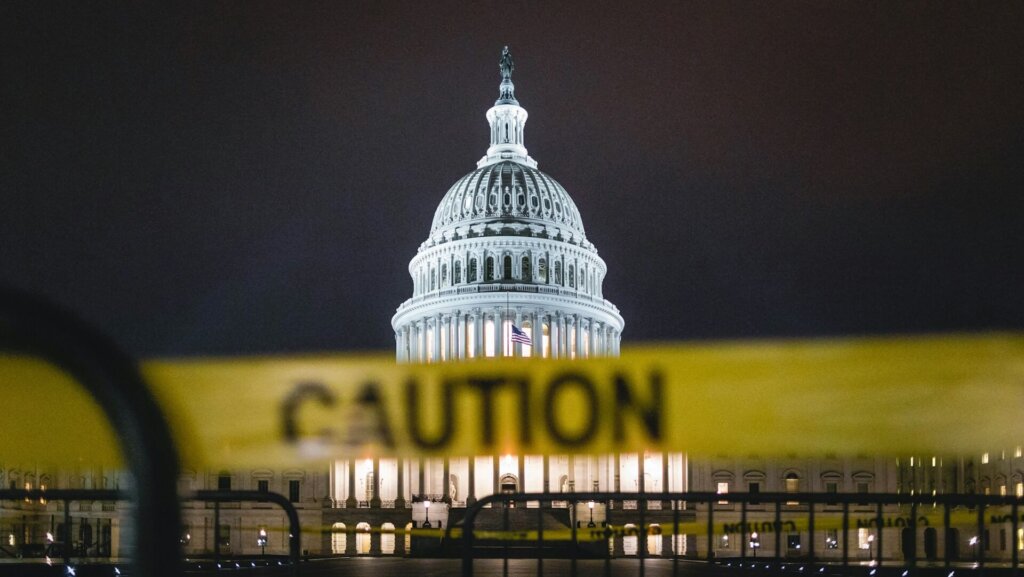
The furloughs are part of the broader government shutdown that began when Congress failed to pass a budget resolution for the 2026 fiscal year. Now in its eighth day, the shutdown has stalled federal operations across multiple agencies, including the Departments of Agriculture, Education, and Treasury — the parent agency of the IRS.
Internal Orders and Employee Notification

According to an internal memo dated October 8, 2025, IRS Acting Human Capital Officer David Traynor notified employees that those not deemed essential would be placed in “non-pay, non-duty status.” The order instructed affected staff to spend their final four hours completing administrative tasks and securing government equipment. The letter emphasized that furloughed employees are prohibited from working, even voluntarily, under federal law.
Who Keeps Working and Why

Roughly half of the IRS workforce remains active, maintaining operations tied to the protection of federal revenue and taxpayer data. That includes 24,470 employees in Taxpayer Services, 4,552 in Information Technology, and 3,001 in Criminal Investigation. These roles are considered essential to national interest and public safety, especially for managing sensitive data systems and ongoing enforcement actions.
Impact on Taxpayers and the Filing Season

The timing of the furlough comes just months before the start of the 2026 tax filing season. As reported by Thomson Reuters, experts warn that the reduced workforce could slow down refund processing, delay responses to taxpayer inquiries, and create bottlenecks in auditing and appeals.
Melanie Lauridsen, vice president for tax policy at the American Institute of CPAs (AICPA), said the agency “may not have the ability to meet all taxpayer needs during this filing season,” even with essential staff remaining on duty.
Employee Rights and Pay Uncertainty

While furloughed federal workers are guaranteed back pay once the shutdown ends under the Government Employee Fair Treatment Act of 2019, payment timing is uncertain. The Office of Management and Budget (OMB) has reportedly questioned whether the back-pay guarantee is “self-executing,” meaning workers might not see their pay restored without additional congressional authorization.
Worker Reaction and Morale
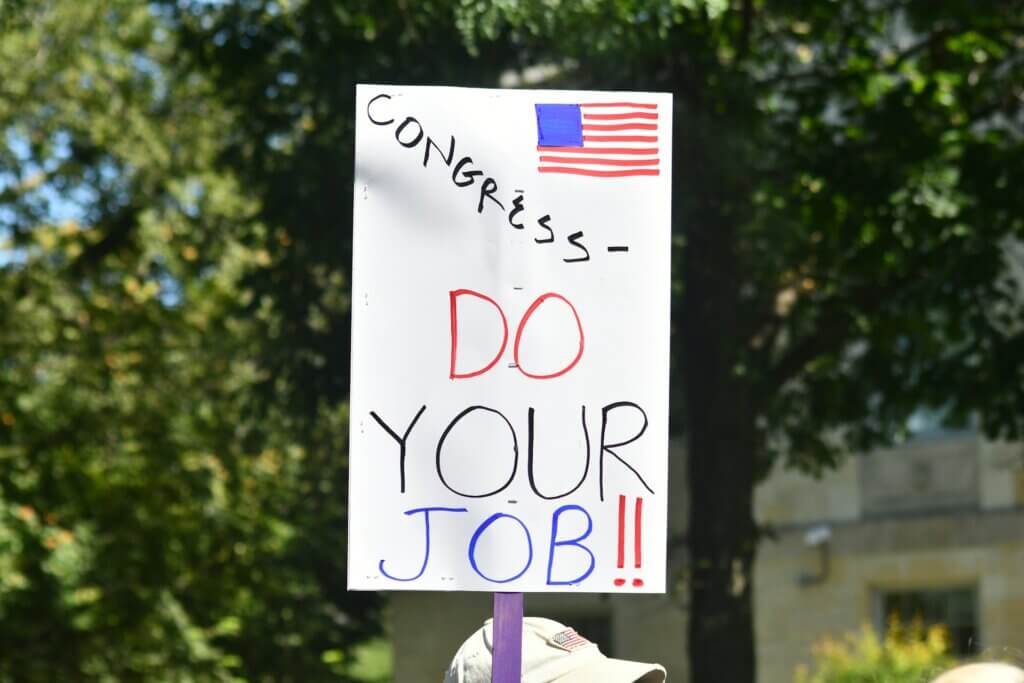
Federal employee unions have condemned the furlough decision, calling it “unnecessary collateral damage” in a political standoff. The American Federation of Government Employees and other advocacy groups have criticized both Congress and Treasury leadership for failing to protect staff stability.
“They are not bargaining chips,” said Virginia Canter of the Democracy Defenders Fund, adding that any refusal to honor back pay would show “an extraordinary degree of bad faith”.
How to Appeal or Seek Assistance
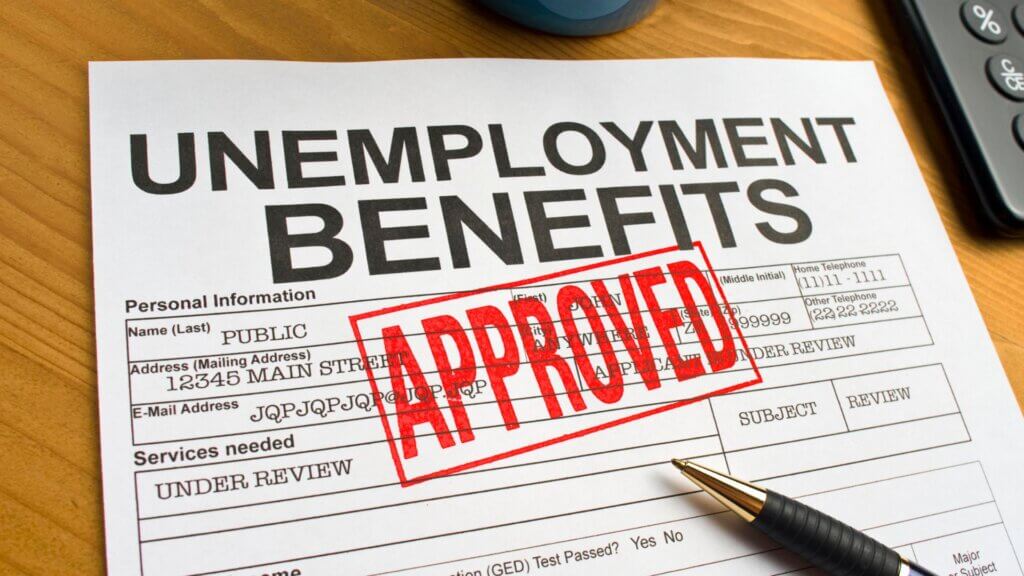
The IRS furlough letter advises employees who believe their status was incorrectly applied to appeal through the Merit Systems Protection Board or their union grievance process. Furloughed employees may also apply for state unemployment benefits, though payments typically end once they receive back pay. The agency emphasized that no employee should use IRS equipment or systems during the shutdown.
Looking Ahead: When the IRS Returns

Once Congress approves a funding resolution, IRS staff will be required to return to work within four hours of official notice. Until then, the agency urges employees to monitor the IRS Employee Emergency Hotline and official social channels for updates. As the stalemate drags on, the IRS faces its largest operational pause since 2019, a reminder that even America’s tax collector isn’t immune to Washington gridlock.