

Products are selected by our editors, we may earn commission from links on this page.
Arizona water officials issued a warning this week that the 1922 Colorado River Compact could be breached as soon as 2026, an event that has never happened in the century-old agreement dividing water among seven western states. The compact requires Upper Basin states to deliver an average of 7.5 million acre-feet annually to the Lower Basin, but declining snowpack and stalled negotiations now threaten that obligation.
The Compact Has Never Been Breached in Its 102-Year History
Brenda Burman, general manager of the Central Arizona Project, told state officials Monday the news is sobering. “We may breach the compact in 2026, and almost certainly it will be breached in 2027,” she said, noting that Upper Basin neighbors have always met delivery obligations in the past. The compact divides the river into two basins, with Colorado, Wyoming, New Mexico, and Utah forming the Upper Basin.
Over 35 Million People Depend on the River System

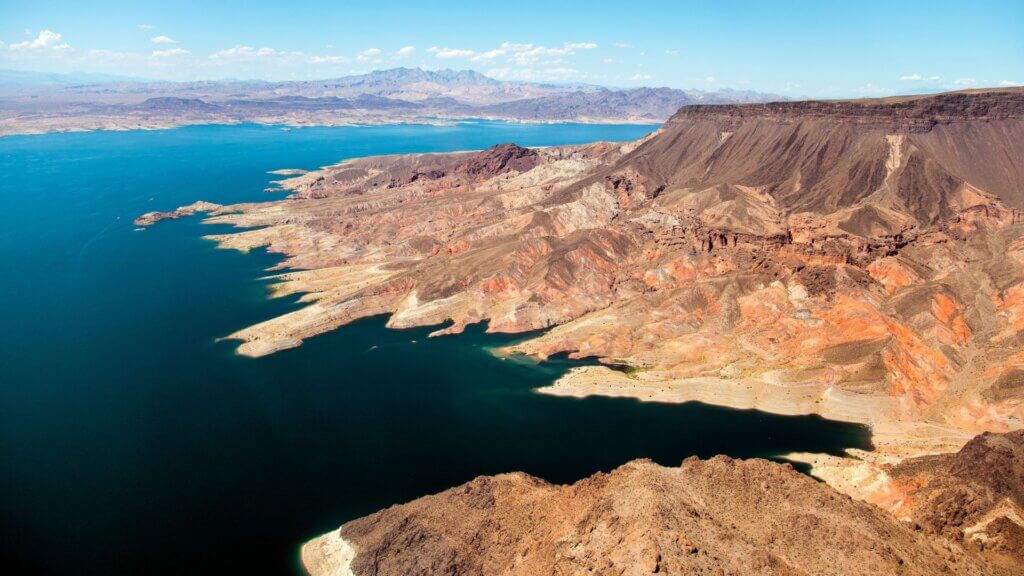
The Colorado River supplies water to more than 35 million people and irrigates over 5 million acres of farmland across the Southwest, stretching from the Rocky Mountains to northern Mexico. The system includes the nation’s two largest reservoirs, Lake Mead and Lake Powell, which store water for cities including Phoenix, Las Vegas, and Los Angeles. California, Arizona, and Nevada make up the Lower Basin, each relying on upstream deliveries to meet water demands.
Lake Mead Could Hit Its Lowest Level Since 2022
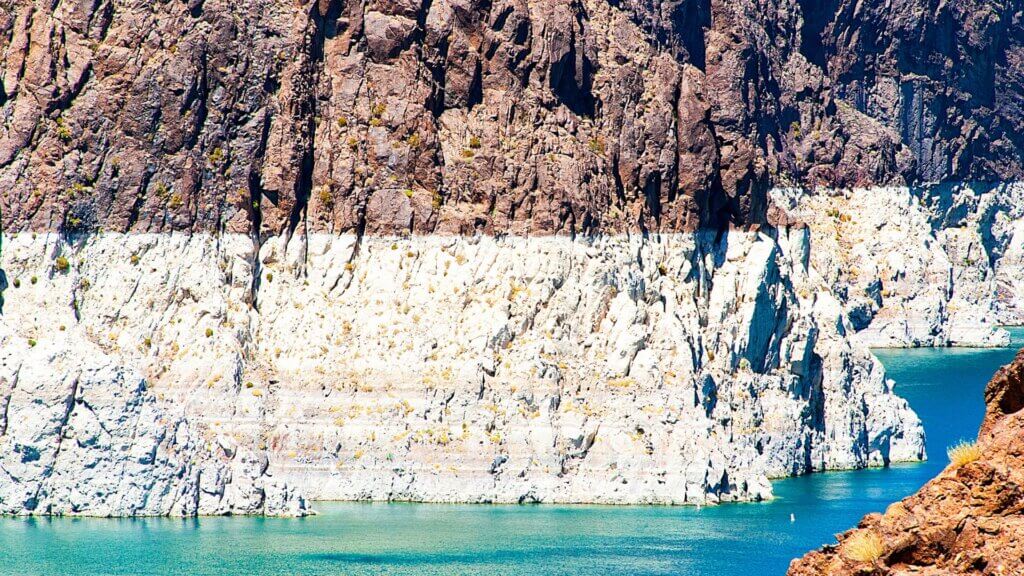
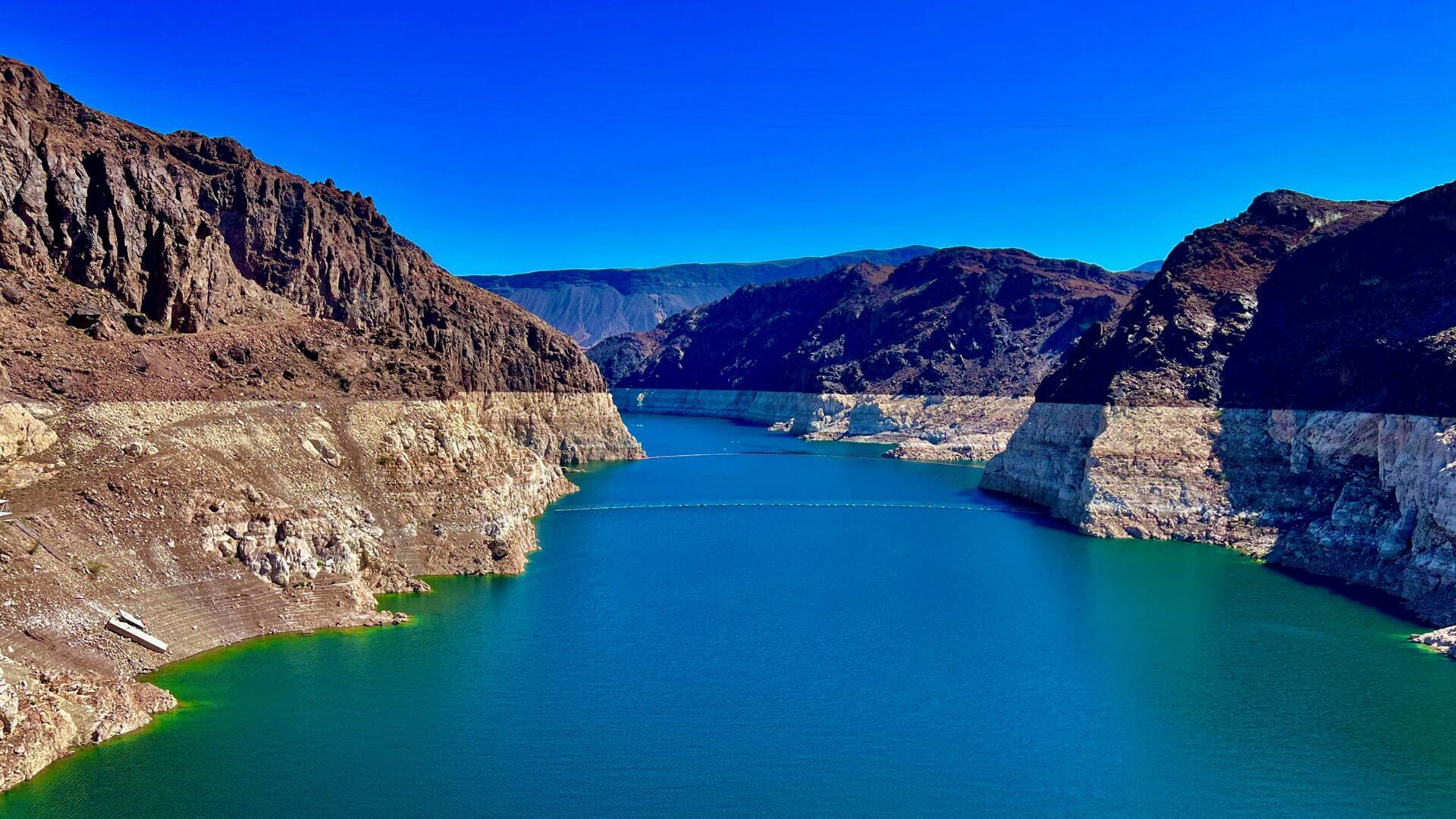
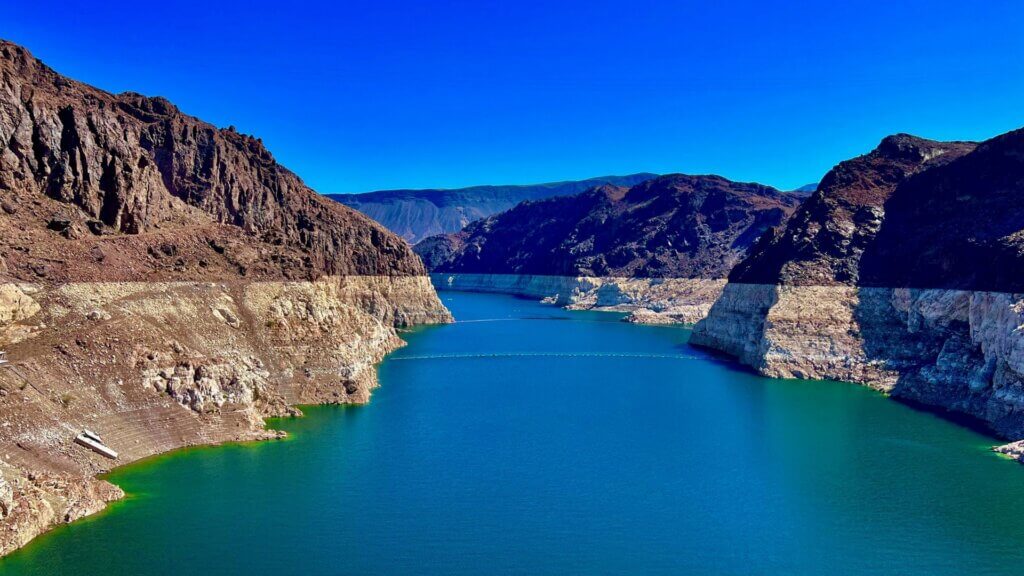
Federal projections show Lake Mead could reach 1,036.5 feet by November 2027, lower than any 2022 level when the reservoir experienced severe depletion. Lake Mead sits at 34 percent full, Lake Powell at 25 percent. Combined storage could fall to about 9 percent of century-start levels by late summer 2026. The ultimate concern is “dead pool” levels, where water sits at the dam’s bottom unable to flow downriver, meaning a catastrophic shutoff for California, Arizona, and Mexico.
Negotiators Are Debating Releases as Low as 7 Million Acre-Feet
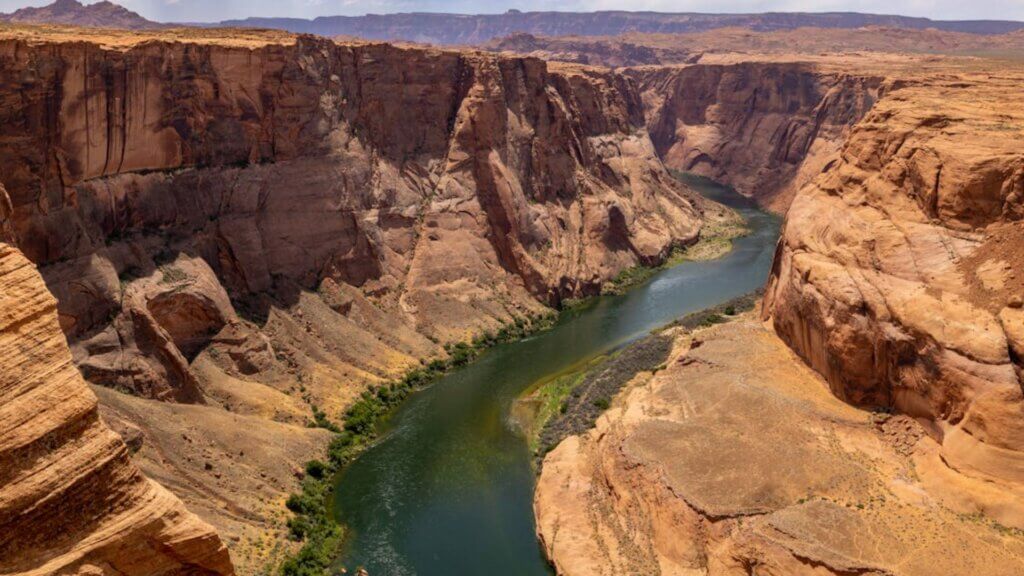
Tom Buschatzke, director of the Arizona Department of Water Resources, said debates with Upper Basin states have covered annual release ranges as low as 7 million acre-feet or perhaps 7.3 million, instead of the required 7.5 million. Lower Basin reductions of 1.5 million acre-feet could stabilize Lake Mead, he said, but Upper Basin leaders are pressing for deeper cuts downstream.
The Lower Basin Has Offered Substantial Cuts
Representatives from Arizona, Nevada, and California have proposed accepting major water reductions: 27 percent for Arizona, 17 percent for Nevada, and 10 percent for California. Arizona Governor Katie Hobbs said the states are willing to do more if Upper Basin partners come to the table with reductions of their own. Federal proposals outlined by the Bureau of Reclamation could impose even steeper cuts without an agreement, ranging from 33 to 69 percent for Arizona.
Upper Basin States Say Mandatory Cuts Are Legally Impossible
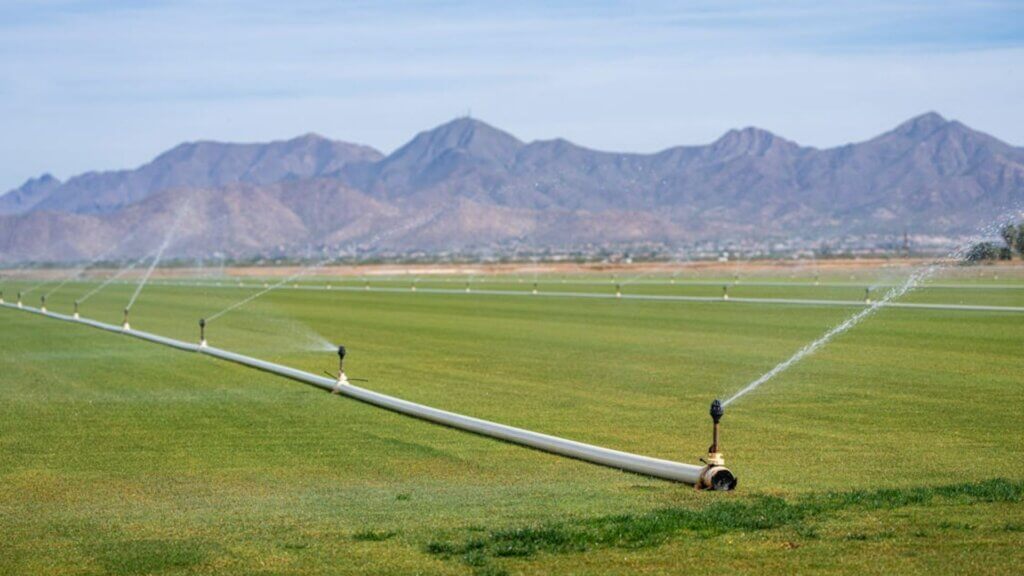
Colorado Governor Jared Polis said demands for mandatory cutbacks are a nonstarter for his state because Upper Basin states have landowners with senior water rights. “The Upper Basin states cannot legally commit to mandatory cutbacks,” Polis explained, noting states would face liability for hundreds of millions or billions of dollars if they took away those rights. Colorado is willing to put conservation goals on the table and hopes that federal funds will support water-saving efforts.
This Winter’s Snowpack Sits at Just 57 Percent of Average

The Rocky Mountain snowpack currently sits at 57 percent of average, one of the smallest measurements in decades, compounding the water crisis. Sharon Megdal, director of the University of Arizona Water Resources Research Center, said current snow conditions are not good, and even if early 2026 snowpack proves robust, the system will remain highly stressed. “We cannot keep drawing from savings (system storage) when the system is not making sufficient deposits of water,” she noted.
A Court Battle Could Bring Years of Uncertainty

If negotiations fail, the federal government could impose unilateral cuts and trigger lawsuits. “All seven states know that if we’re unable to achieve an agreement, it would likely fall to the courts, and that would be a lengthy and uncertain process,” Polis said, though he expressed confidence Colorado would prevail on the merits. Arizona officials indicated a lawsuit seems likely if the Upper Basin doesn’t take significant action.
States Face a February 14 Deadline to Reach Consensus
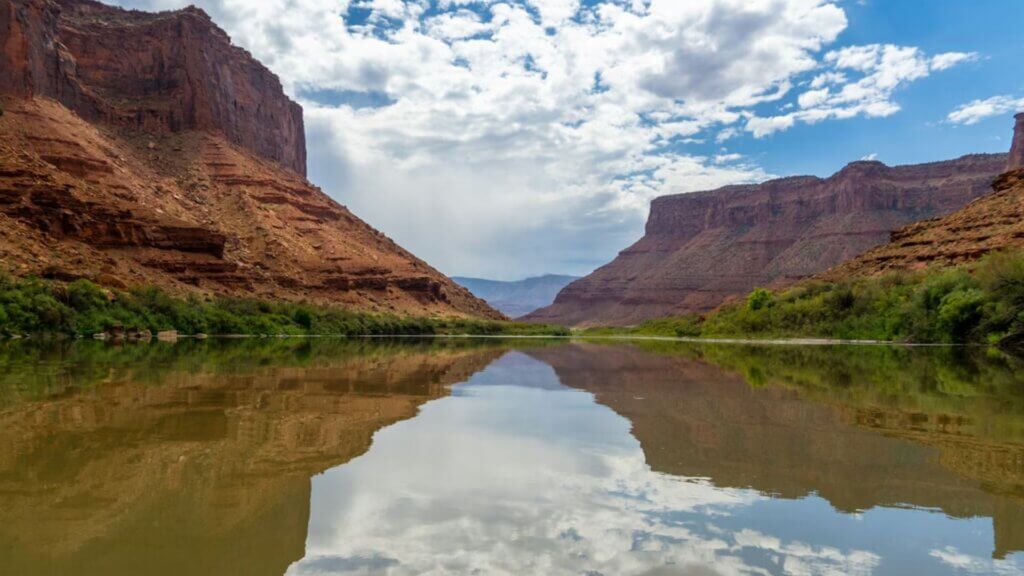
Interior Secretary Doug Burgum has urged negotiators to reach a deal by February 14, though major divisions persist and multiple management plans regulating Colorado River facilities expire at the end of 2026. Stephen Roe Lewis, governor of the Gila River Indian Community in Arizona, said prospects of reaching an agreement seem dim. “I know that we are all preparing for the possibility of failure,” he told state officials.