

Products are selected by our editors, we may earn commission from links on this page.
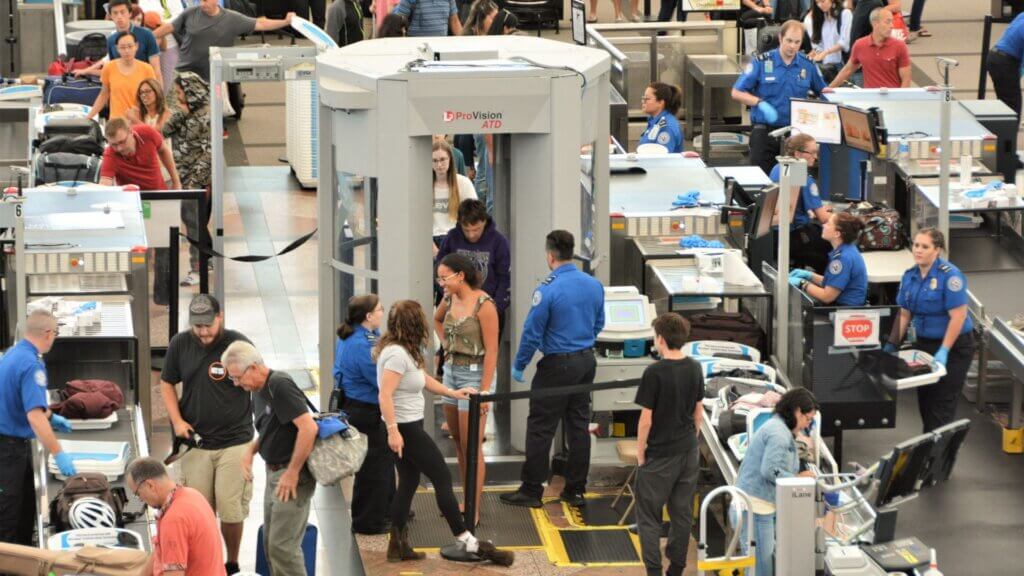
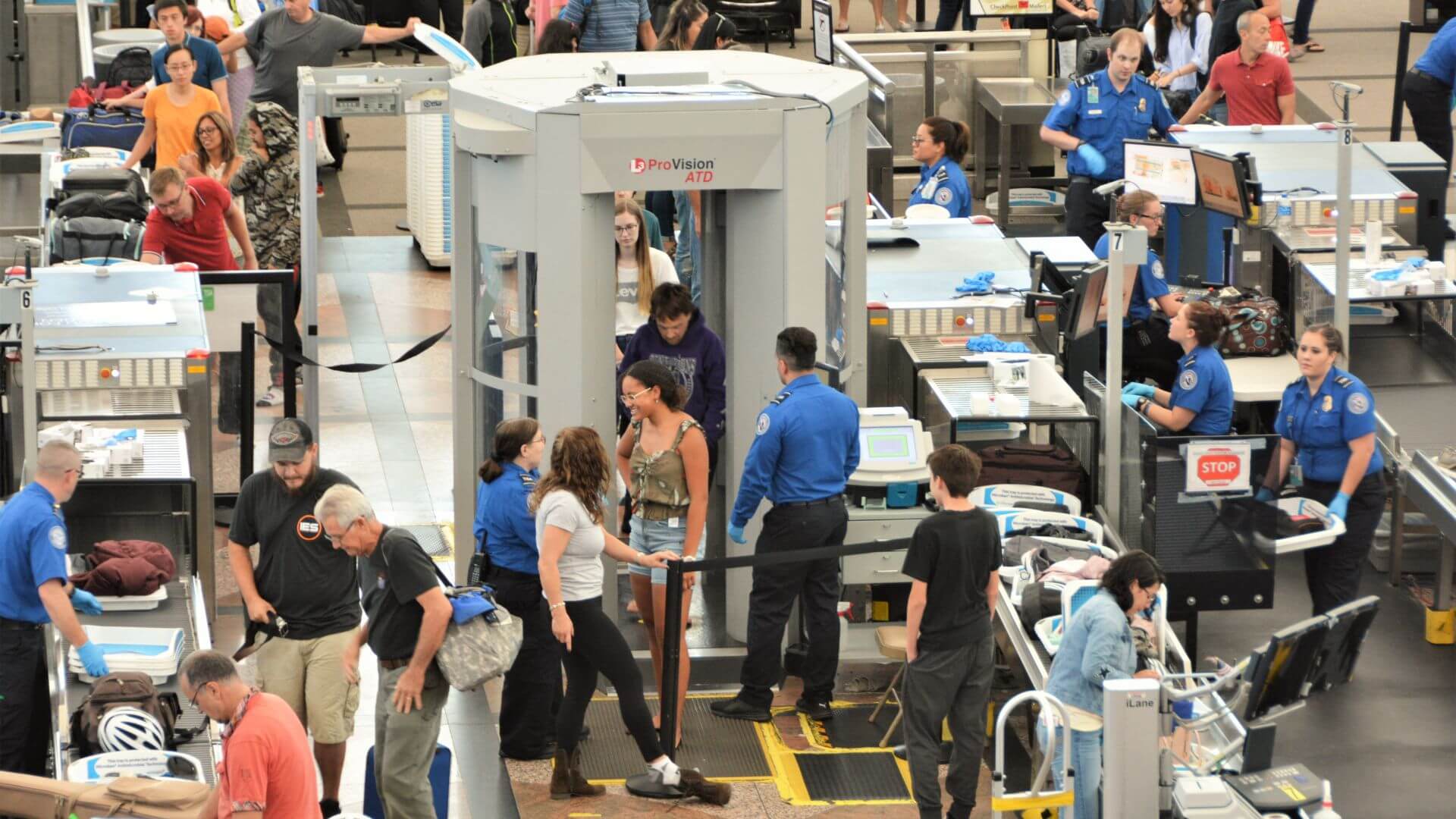
For Kerri Thomas, a spinal cord stimulator was the difference between manageable pain and not. But on the morning of May 21, 2024, at Atlanta’s Hartsfield-Jackson International Airport, she claims the device that was supposed to help her was destroyed by the very security checkpoint she tried to avoid. Her lawsuit alleges TSA employees ignored both her medical card and her repeated requests for a pat-down.
Despite Presenting Her Medical Identification, Thomas Alleges Her Request Was Ignored
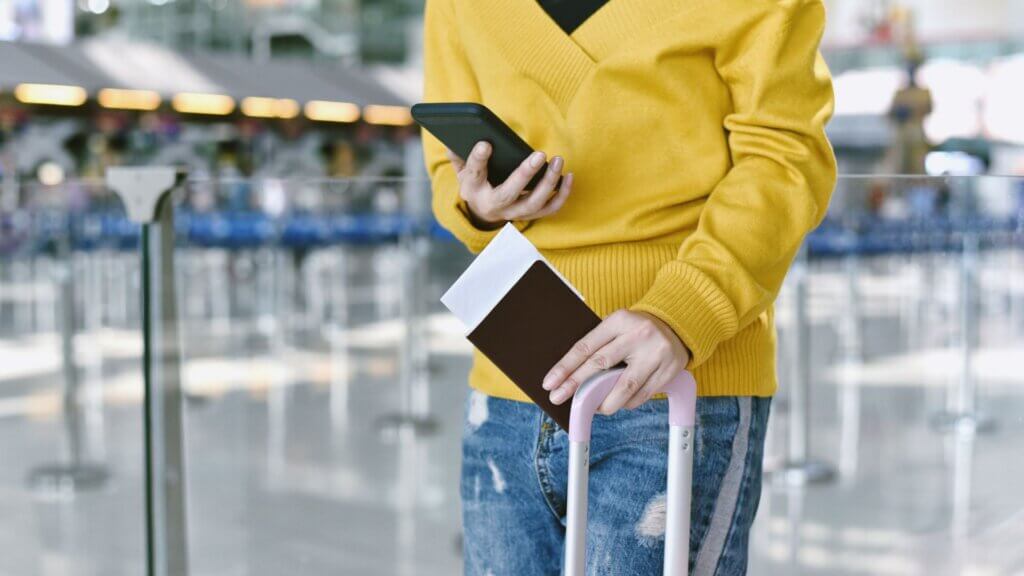
Thomas arrived at the North Security checkpoint around 5 a.m. with a medical identification card in hand, the standard documentation her physician provided for traveling with the device. According to her complaint, filed February 18, she informed TSA employees of her implant and presented the card. She alleges agents ignored both.
When Thomas Pushed Back, an Agent Allegedly Gave Her One Option

When Thomas objected to going through the scanner, she claims a TSA employee shut down any alternative. “The only way you are getting on the plane is to go through the machine,” the agent allegedly told her, according to the complaint. She had asked more than once to be taken to a private room for a pat-down. Each request, she alleges, was refused.
What a Spinal Cord Stimulator Actually Does
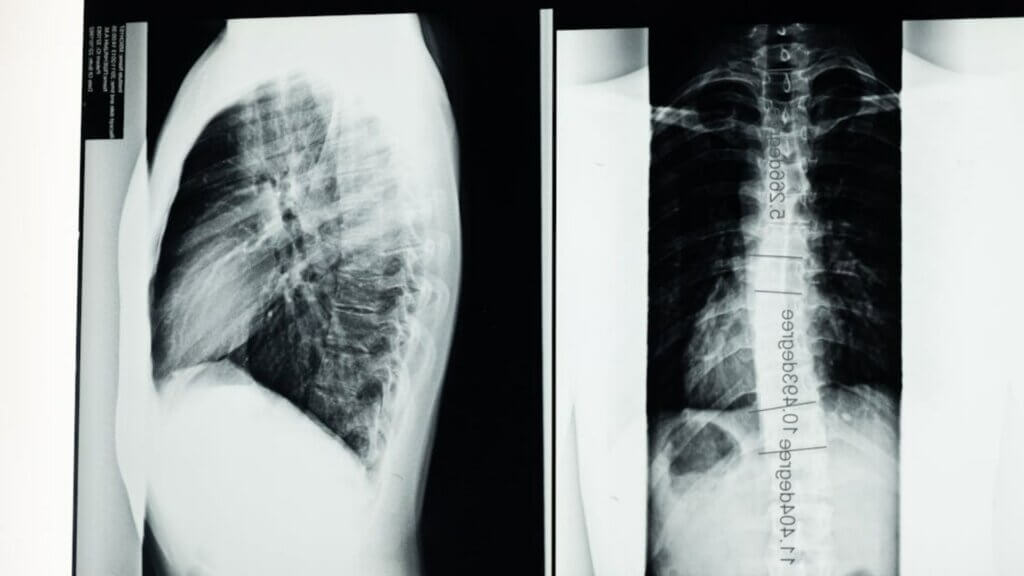
A spinal cord stimulator is not a simple device to replace or repair. According to Hopkins Medicine, a spinal cord stimulator works by delivering small electrical impulses to the spinal cord to interrupt chronic pain signals, typically after other treatments have failed. It consists of thin wires and a small, pacemaker-like battery, and patients control it themselves using a remote when pain flares.
Patients With Stimulators Are Supposed to Be Able to Skip the Scanner
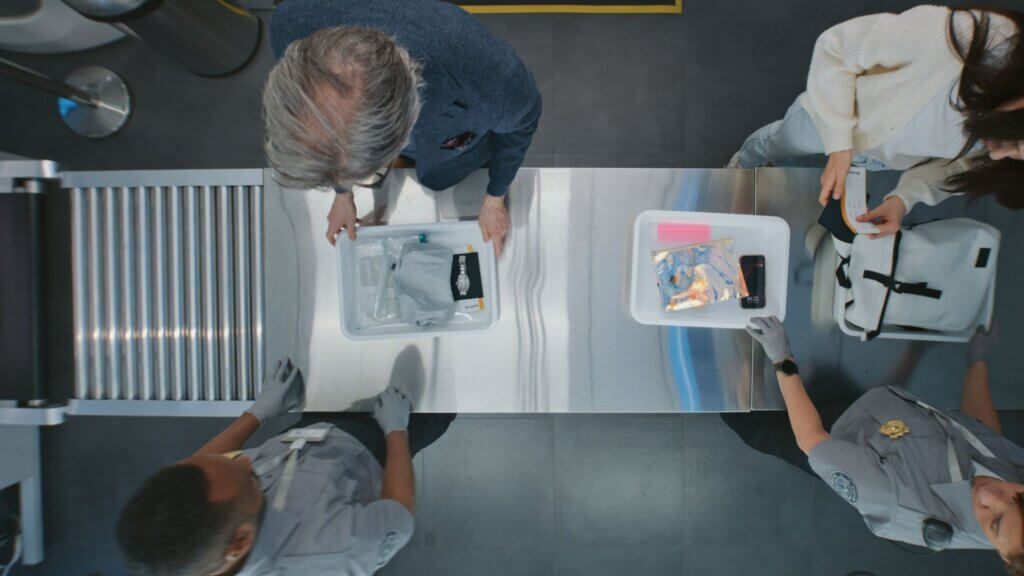
Hopkins Medicine notes that airport security gates will detect a spinal cord stimulator, but a medical identification card issued by a provider is intended to help patients bypass the machine. The guidance also notes that passing through security can cause interference that some patients find uncomfortable. Thomas’s situation goes well beyond discomfort. According to the complaint, the scanner didn’t just interfere; it destroyed the implant.
A Second Agent Said the Machine Had Been ‘Adjusted’

Before Thomas entered the scanner, she states that she tried one more time and approached a second TSA employee to explain her condition. According to the complaint, that employee told her the machine had been “adjusted” and/or “recalibrated” to have less of an effect on her device. Thomas walked through. She says she felt “shock and immediate pain” the moment she did.
The Aftermath Required Surgery
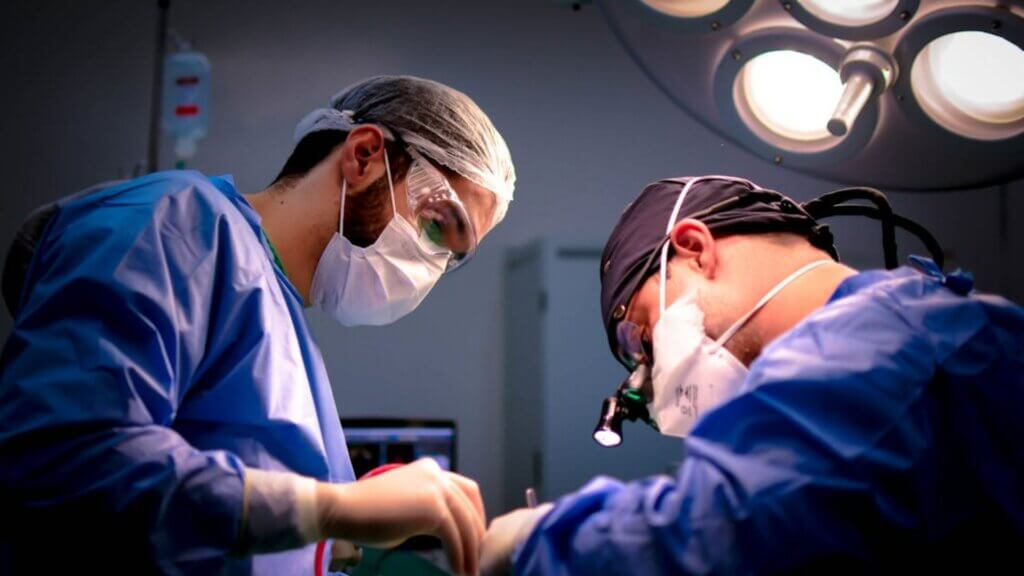
The complaint states Thomas suffered injuries requiring medical treatment, including surgery, following the incident. Replacing or repairing a spinal cord stimulator is no minor procedure. According to Hopkins Medicine, implantation alone takes one to two hours and involves placing electrodes in the epidural space of the spine. Recovery typically spans two to four weeks before incisions fully heal.
TSA’s Own Policy Says Passengers Can Refuse the Scanner
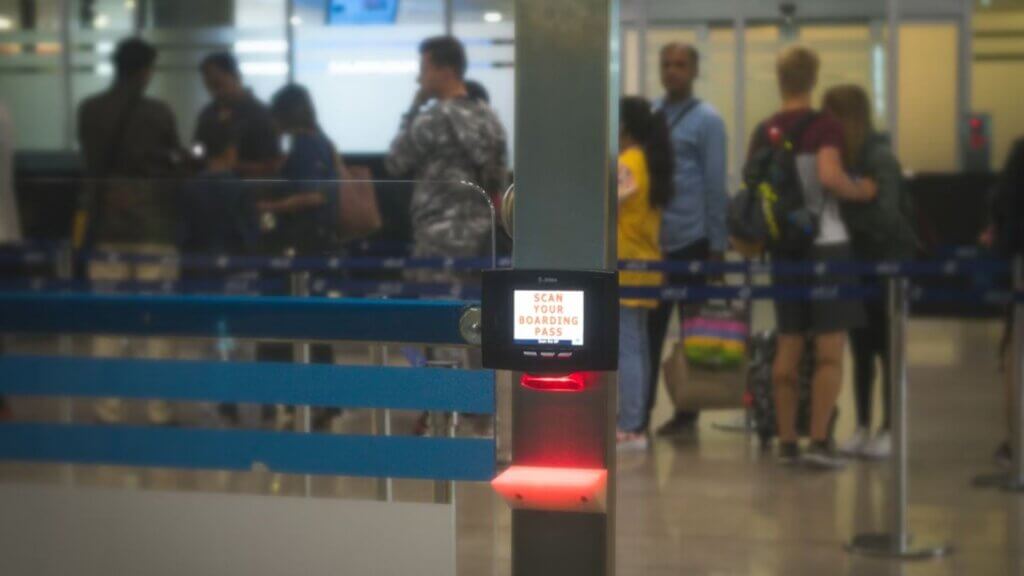
The TSA states clearly on its website that any passenger can opt out of the scanner by notifying an officer and requesting a pat-down. The agency also notes that pat-downs are conducted by an officer of the same sex and that private screening can be requested at any time. Thomas’s complaint alleges the agents at her checkpoint did not follow that policy.
The Lawsuit Names the U.S. Government as Defendant
Thomas filed her civil complaint against the United States, invoking the Federal Tort Claims Act, a law that allows individuals to pursue monetary damages against the federal government. The lawsuit demands a jury trial and seeks relief for her injuries in an amount to be determined by the court. The case, as of writing, is still ongoing.
Her Case Raises Questions Travelers With Implants Are Already Asking

Thomas’s lawsuit puts a spotlight on a gap between federal security procedures and the real-world needs of passengers with medical devices, and her case is far from an isolated concern. Spinal cord stimulators, pacemakers, and neurostimulators are increasingly common, and each one puts travelers in the same position Thomas found herself in that morning. The outcome of her case could set a precedent for how TSA is required to accommodate passengers with medical implants.