

Products are selected by our editors, we may earn commission from links on this page.

Few economic headlines are as universally welcomed as lower oil prices. Cheaper crude often translates into lower gasoline prices, reduced transportation costs, and relief from inflation. But some economists and market analysts caution that falling oil prices are not always a sign of improving conditions. In certain cases, they can signal that businesses and consumers are cutting back, pointing to a broader slowdown in economic activity rather than a healthier economy.
Why Oil Prices Matter Beyond The Pump

Oil remains one of the world’s most important commodities because it fuels transportation, manufacturing, agriculture, shipping, and countless industrial processes. Changes in crude prices ripple through nearly every sector of the economy. When prices rise because supply is disrupted, households and businesses often pay more for fuel and goods. When prices fall because demand weakens, however, the underlying reason may be slowing economic growth rather than improved market conditions.
One Forecast Challenges The Optimism

One recent analysis highlighted a scenario that runs against conventional thinking. While many expected geopolitical tensions around the Strait of Hormuz to push oil toward $150 per barrel, analyst Gail Tverberg argued in an article for OilPrice.com that prices could instead fall sharply, potentially below $40 per barrel, if weakening global demand ultimately outweighs supply concerns. The argument is that a recession can reduce fuel consumption so dramatically that prices collapse even while geopolitical risks remain elevated.
Geopolitical Risks Have Not Disappeared

The debate comes against the backdrop of ongoing concerns over energy supplies moving through the Strait of Hormuz, one of the world’s most important oil shipping routes. Investopedia noted that roughly 20% of global oil supply passes through the narrow waterway, and disruptions there have historically pushed crude prices higher. Some economists have warned that oil prices remaining above roughly $130 per barrel for an extended period could significantly increase recession risks by driving up inflation and transportation costs.
Why Prices Sometimes Fall During A Crisis

At first glance, lower oil prices during geopolitical uncertainty may seem contradictory. The National Security Journal article points to several factors that could temporarily suppress prices despite supply concerns, including previously produced oil finally moving through shipping lanes, China’s ability to rely on its own strategic petroleum reserves for a period, and what some analysts describe as a temporary oversupply entering the market. These conditions, the article argues, could weigh on prices even before broader economic forces take over.
Demand Can Collapse Faster Than Supply

The more significant concern raised by Tverberg is that recessions fundamentally change how economies consume energy. As businesses reduce production, trucking volumes decline, airlines operate fewer flights, construction projects slow, and consumers cut discretionary spending, demand for oil can fall rapidly. In that environment, weakening consumption may outweigh supply shortages, causing oil prices to decline even while production remains constrained.
Falling Oil Can Reflect A Broader Economic Slowdown
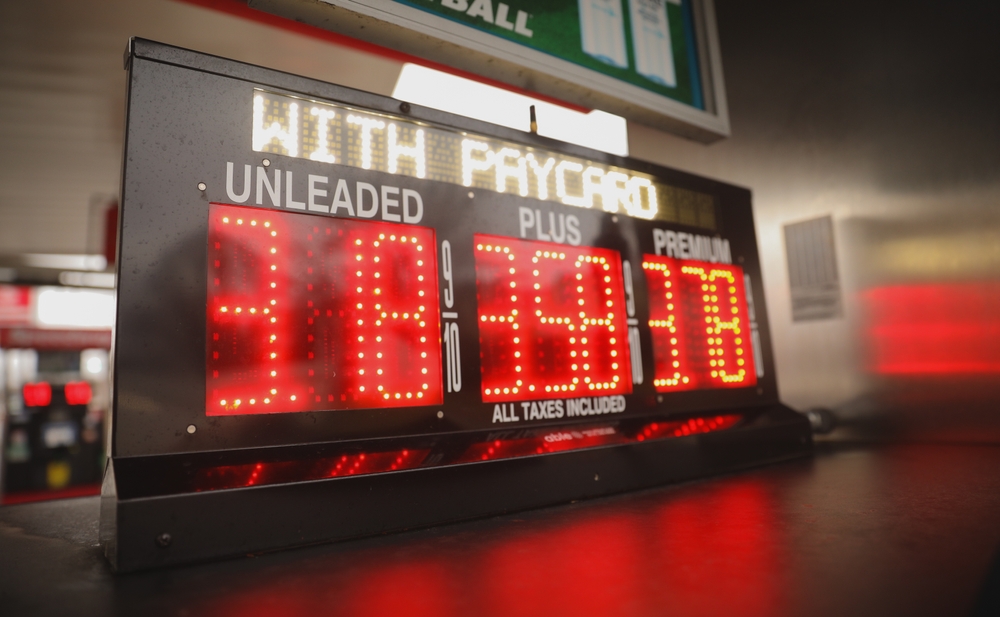
This relationship helps explain why some economists watch oil prices as an economic indicator rather than simply a consumer expense. Investopedia cited forecasts suggesting that sustained oil prices above $130 per barrel could eventually help trigger a recession by increasing inflation and reducing consumer spending. Conversely, once economic activity contracts, reduced demand often pulls oil prices back down. In other words, both extremely high and sharply falling prices can occur during different stages of the same economic cycle.
The Broader Effects Extend Beyond Energy

According to Tverberg’s analysis, a prolonged energy disruption could eventually produce shortages well beyond gasoline. Modern manufacturing depends heavily on petroleum products for transportation, plastics, chemicals, pharmaceuticals, and global supply chains. If economic activity slows while supply remains constrained, businesses may face production delays, investment declines, and rising unemployment, even if lower oil prices create the impression that conditions are improving. These conclusions reflect one analyst’s interpretation rather than an established consensus among economists.
Not Everyone Shares The Same Outlook

Many economists continue to view declining oil prices as beneficial when they result from increased production or easing geopolitical tensions. Lower fuel costs can leave households with more disposable income, reduce shipping expenses, and help central banks bring inflation under control. The more pessimistic interpretation applies primarily when falling prices stem from weakening demand caused by slowing economic activity. Distinguishing between those two drivers is critical because the same price movement can reflect very different underlying conditions.
What Investors And Consumers Should Watch Next
Rather than focusing solely on whether oil is becoming cheaper or more expensive, analysts say the more important question is why prices are moving. Energy markets remain influenced by geopolitical events, shipping disruptions, production decisions, and changing global demand. Whether lower prices ultimately provide lasting relief or prove to be an early warning of economic weakness will depend on which of those forces becomes the dominant driver in the months ahead.