

Products are selected by our editors, we may earn commission from links on this page.
Macy’s is continuing its sweeping wave of store closures in 2026, as the iconic department store chain pushes forward with a major restructuring plan. The company has already shut dozens of locations in recent years, and now more stores across the country are being marked for closure. While Macy’s says the move is part of a long-term strategy to modernize and improve performance, the ongoing shutdowns are raising concerns about the future of traditional retail and the fate of once-bustling shopping malls.
How Many Macy’s Stores Are Closing in 2026

In 2026 alone, Macy’s has identified at least 14 stores that are either closing soon or have already shut down, affecting locations across 12 states. These closures are part of a much larger plan announced in 2024, in which the company committed to closing approximately 150 underperforming stores by the end of 2026. The scale of the effort reflects a major shift in how the retailer operates nationwide.
The ‘Bold New Chapter’ Strategy Behind the Closures
Macy’s has described its restructuring initiative as “A Bold New Chapter,” a strategy aimed at strengthening the brand, modernizing operations, and focusing on higher-performing locations. The company plans to reinvest in around 350 remaining stores while eliminating locations that are no longer profitable. This shift is designed to improve customer experience and streamline operations across the business.
Which States Are Seeing Closures
The 2026 closures are spread across a wide range of states, including California, Texas, Pennsylvania, New York, New Jersey, and Washington, among others. This geographic spread highlights that the issue is not limited to one region, but instead reflects broader national challenges facing brick-and-mortar retail. Many of the affected stores are located in traditional shopping malls that have seen declining foot traffic in recent years.
Why Macy’s Is Closing So Many Stores
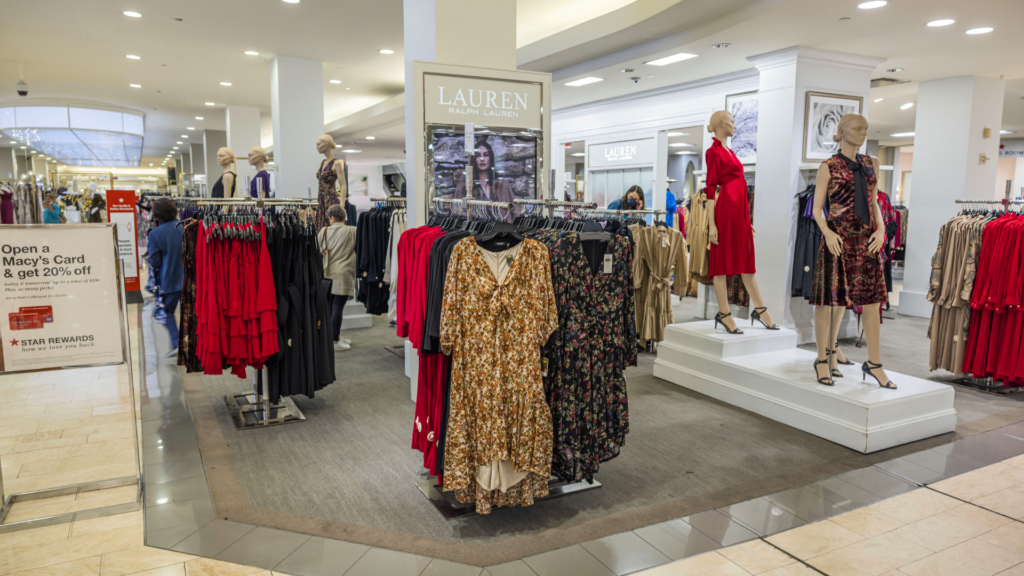
The closures are largely driven by changing consumer habits, with more shoppers turning to online shopping and fewer visiting physical stores. Declining mall traffic, rising operational costs, and increased competition have made it difficult for some locations to remain profitable. By shutting down underperforming stores, Macy’s hopes to concentrate resources on areas with stronger demand.
A Retail Industry Facing Massive Changes

Macy’s is not alone in this shift, as thousands of retail locations across the U.S. are expected to close in 2026. The ongoing “retail apocalypse” has affected everything from department stores to restaurants, as businesses adapt to e-commerce growth and shifting consumer preferences. Macy’s closures are part of this larger transformation reshaping the retail landscape.
What Happens to Employees and Communities

Each store closure impacts employees and local communities, often resulting in job losses and reduced foot traffic for surrounding businesses. For many malls, Macy’s has historically served as an anchor tenant, meaning its departure can have ripple effects on nearby stores and the overall viability of the shopping center. This makes the closures especially significant beyond just the company itself.
Clearance Sales Signal the Final Days

As stores prepare to shut down, many locations are holding large liquidation sales, offering steep discounts to clear out inventory. These sales often last several weeks and draw crowds of bargain hunters, but they also signal the final chapter for each location. Once doors close, the stores typically do not reopen, marking a permanent loss for local shoppers.
Macy’s Shift Toward Fewer, Better Stores
Rather than disappearing entirely, Macy’s is repositioning itself by focusing on fewer but more profitable stores, as well as expanding its higher-end brands like Bloomingdale’s and Bluemercury. The company believes that investing in stronger locations and improving the in-store experience will help it compete more effectively in today’s retail environment.
What This Means for the Future of Macy’s
The continued closures in 2026 highlight a pivotal moment for Macy’s as it attempts to reinvent itself in a rapidly changing retail world. While the strategy may help stabilize the company financially, it also reflects the challenges facing traditional department stores nationwide. As Macy’s moves forward with its transformation, the success of this plan could determine whether the iconic brand thrives (or continues to shrink) in the years ahead.