


Products are selected by our editors, we may earn commission from links on this page.

The conversation around higher education has grown increasingly complex for younger generations. Rising tuition costs and a highly competitive entry-level job market have led many students to question whether a college degree still delivers real value. This uncertainty has been amplified by influential voices in the tech industry who openly challenge the relevance of formal education.
In contrast, Valerie Capers Workman, former Vice President of People at Tesla, offers a markedly different perspective. Speaking to recent graduates, she emphasized that education should not be dismissed based on trending opinions or high-profile criticism. According to her, the long-term benefits of higher education remain significant, especially in a rapidly evolving professional landscape.
Workman argues that the true worth of a degree extends beyond immediate job placement. It lies in the development of critical thinking, ethical judgment, and the ability to navigate complex human dynamics, skills that continue to gain importance as technology reshapes industries.
Why Human Skills Matter More In The Age Of AI

As artificial intelligence becomes more integrated into daily work, the nature of valuable skills is shifting. Workman highlights that capabilities such as reasoning, communication, and empathy are increasingly difficult for machines to replicate, making them essential assets for professionals.
Interestingly, disciplines often labeled as less practical, such as the humanities, are gaining renewed relevance. Fields like history, literature, and the arts foster analytical thinking and cultural awareness, qualities that complement technological advancement rather than compete with it.
From this perspective, education is not simply about technical expertise. It serves as a foundation for understanding context, interpreting information, and making informed decisions, all of which are crucial in an AI-driven environment.
Adapting Degrees To A Changing Job Market

Despite the enduring value of education, entering the workforce has become more challenging. Fewer job openings and increased competition have created a more demanding environment for recent graduates, leading to growing concern about career prospects.
Workman suggests that relying solely on a degree is no longer sufficient. Instead, graduates should complement their academic background with a strong understanding of artificial intelligence. This includes learning how to interact effectively with AI tools and integrating them into everyday problem-solving processes.
She points to two key areas for development, mastering prompt engineering and improving the ability to ask precise, insightful questions. These skills enable individuals to leverage AI more effectively, positioning them for better performance and opportunities in the workplace.
Balancing Skepticism And Opportunity In Modern Education
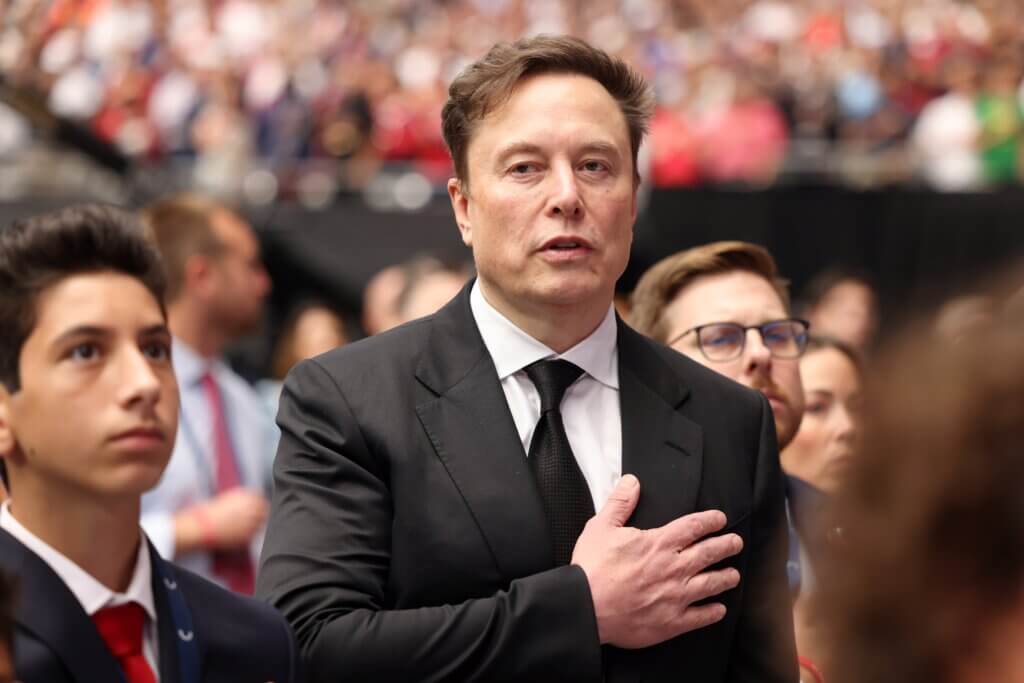
While some prominent technology leaders continue to question the value of higher education, their views do not fully reflect broader trends. Although concerns about student debt and job readiness persist, many students still choose to pursue degrees, suggesting continued confidence in the system.
The debate ultimately highlights a broader shift rather than a clear decline. Education is evolving, and its role is being redefined in response to technological and economic changes. Degrees are no longer seen as guarantees, but as part of a larger toolkit for personal and professional growth.
In this context, the most effective approach combines formal education with adaptability, curiosity, and technological awareness. For today’s graduates, success depends not on choosing between education and innovation, but on learning how to integrate both into a cohesive path forward.