

Products are selected by our editors, we may earn commission from links on this page.
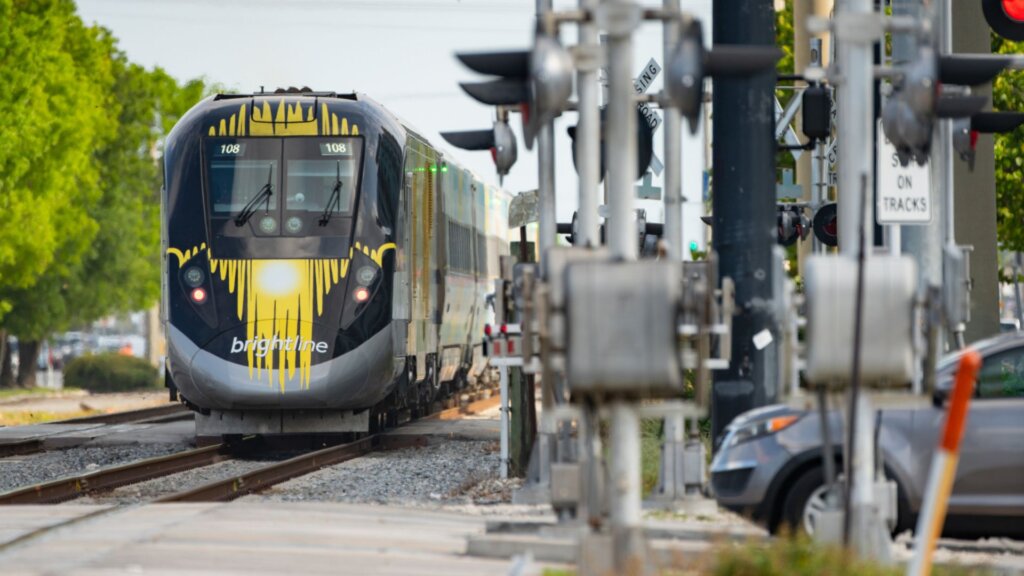
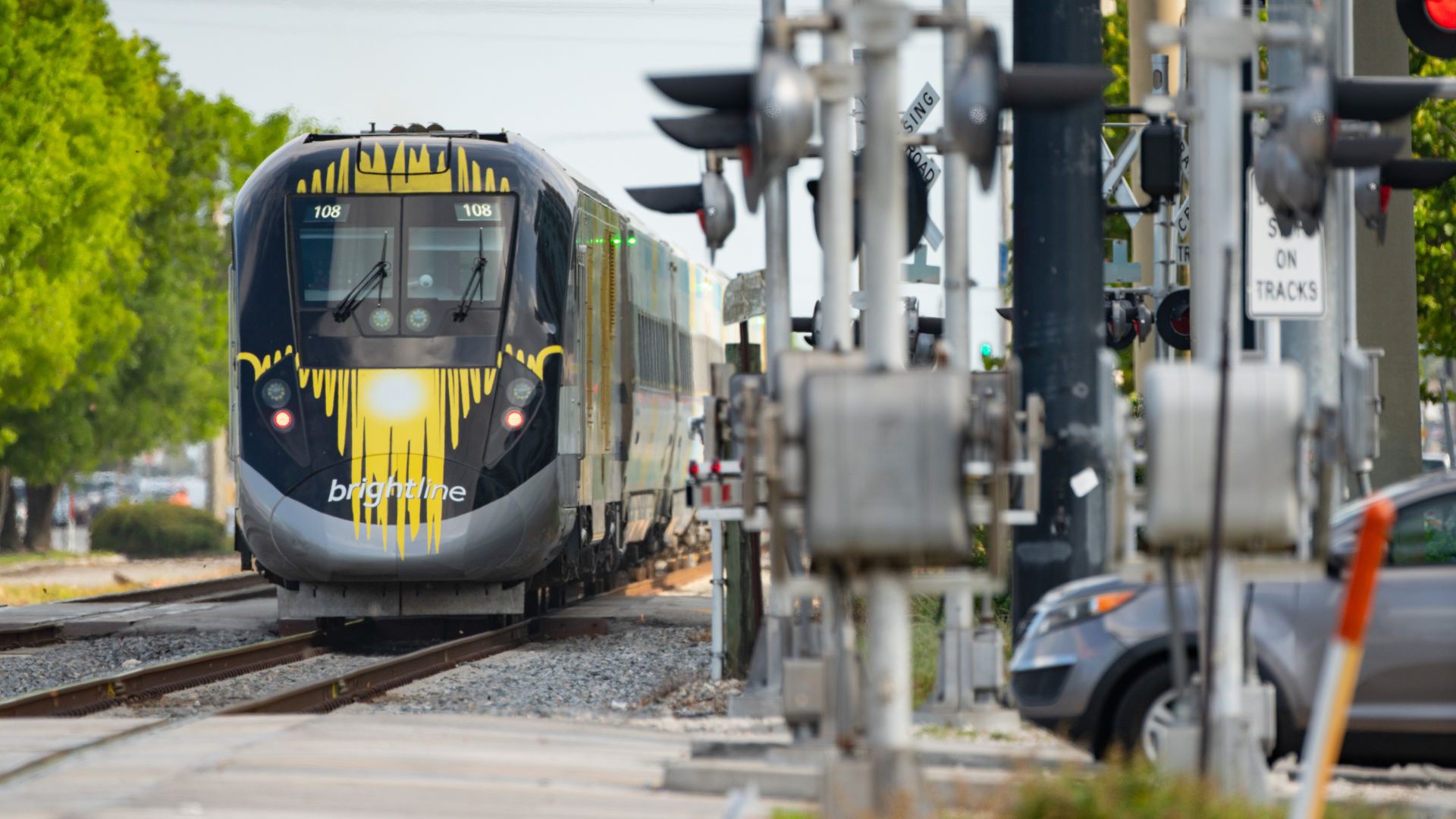
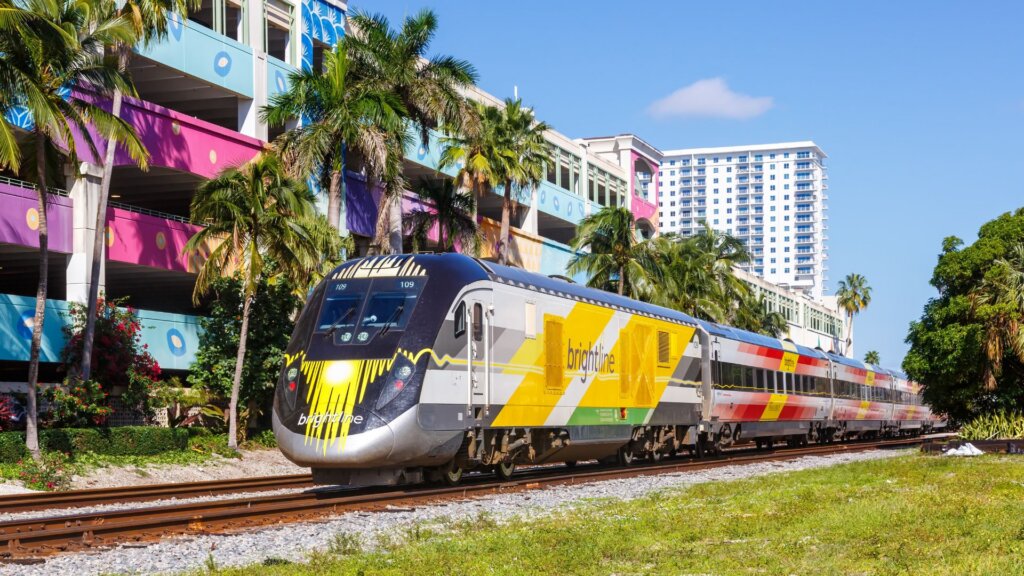
Brightline, the only privately owned passenger railroad in the country, has long been pitched as proof that America can build world-class rail. Sleek cars, leather seats, and cocktail bars made it easy to believe. But the same train now faces mounting debt and a death toll that has made it, per mile traveled, the most dangerous passenger railroad in the United States.
Brightline’s Finances Are Under Serious Strain
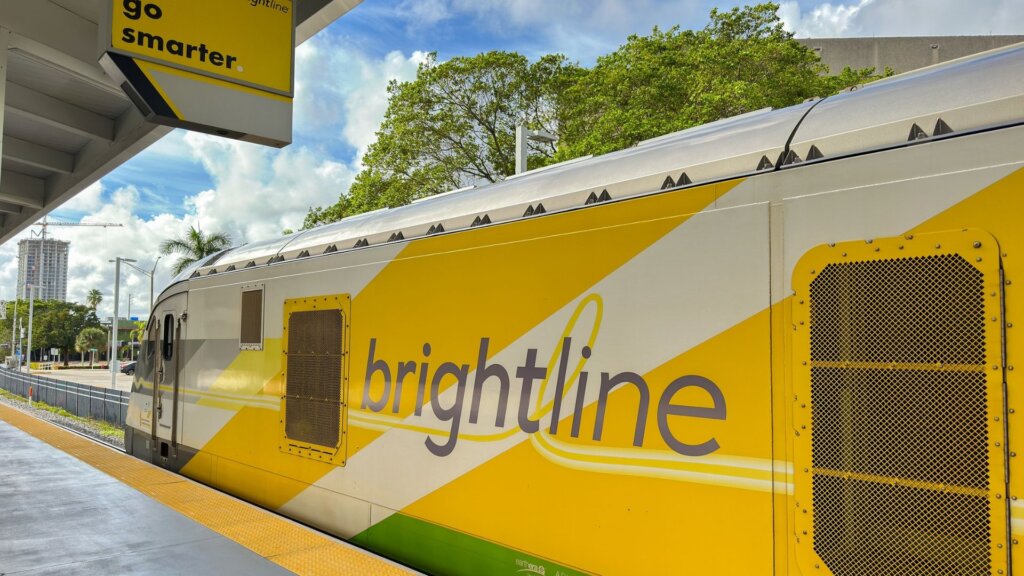
Brightline lost more than $500 million in 2024, its bonds have been downgraded multiple times, and the company announced plans to defer interest payments on roughly $1.2 billion in debt. While it has not filed for bankruptcy, analysts and observers have raised the possibility. Passenger numbers for early 2026 were up 13 percent compared to the year before, reaching nearly one million riders in the first quarter, but the growth hasn’t been fast enough to offset those losses.
No Other Passenger Train Comes Close to Its Death Rate

Since beginning commercial service in 2018, Brightline has recorded roughly 24 deaths per million miles traveled, according to an analysis of Federal Railroad Administration data by the Miami Herald and WLRN. The next-closest passenger railroad sits at about 16.6. Amtrak, which covers more than 241 million miles across the country, logs 4.2. Brightline runs just 32 trains a day.
More Than 180 People Have Been Killed Since 2017

Behind that rate is a specific and documented count. A year-long investigation by the Miami Herald and WLRN, drawing on federal rail data, medical examiner records, and police reports, identified at least 182 people killed by Brightline trains through 2024, with 99 additional injuries. The first death came in 2017, before commercial service even began. In 2024, 49 people were killed according to the Herald/WLRN investigation, the highest single-year total on record.
Most Deaths Were Ruled Accidents

Brightline has consistently described the fatalities as the result of illegal or reckless behavior, with company officials suggesting more than half were suicides. Reporters who reviewed autopsy rulings for each case found that 91 of the 182 deaths were ruled accidental by local medical examiners. Only 75, about 41 percent, were ruled suicides. Ten were undetermined.
The Route Runs Through One of the Most Densely Populated Corridors in Florida
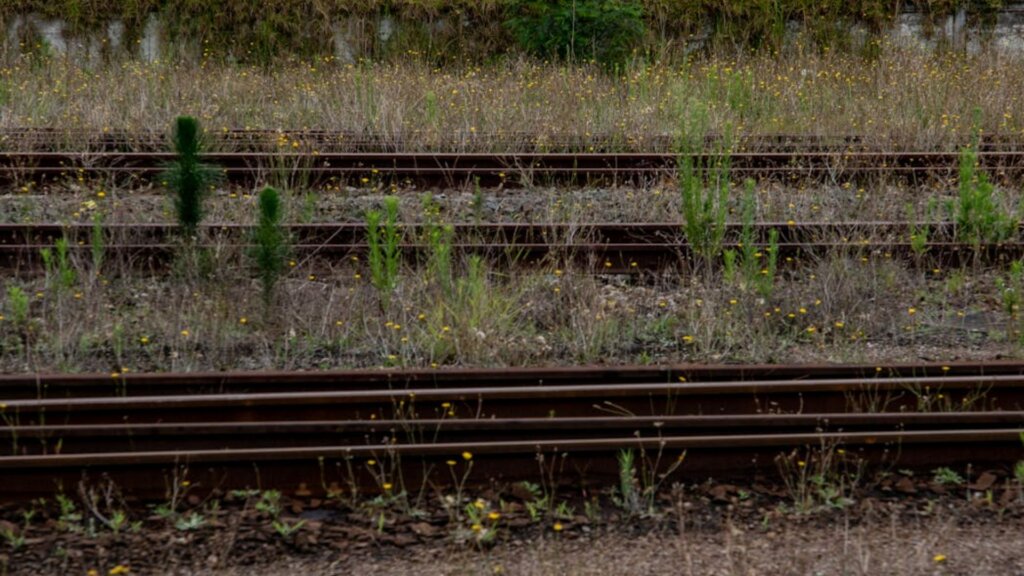
Brightline shares its tracks with freight trains on the old Florida East Coast Railway, a corridor that runs through urban neighborhoods and areas near schools and parks. There are 331 grade crossings along the route, meaning no separation between the tracks and streets. More than half of those crossings are within quiet zones, where train horns are silenced at local request.
Regulators Warned About the Dangers Years Before Service Began
Frank Frey, a Federal Railroad Administration engineer who walked the Brightline corridor in 2014, warned that trespassing had reached what he described as epidemic levels and urged the company to install fencing and upgraded crossing gates. Brightline disputed the need for the upgrades, arguing the measures were ineffective, expensive, and difficult to maintain. State legislation introduced in 2017, 2018, and 2020 that would have required additional safeguards died without a floor vote each time, in part due to the company’s opposition.
Federal Funds Were Delayed for Nearly Three Years
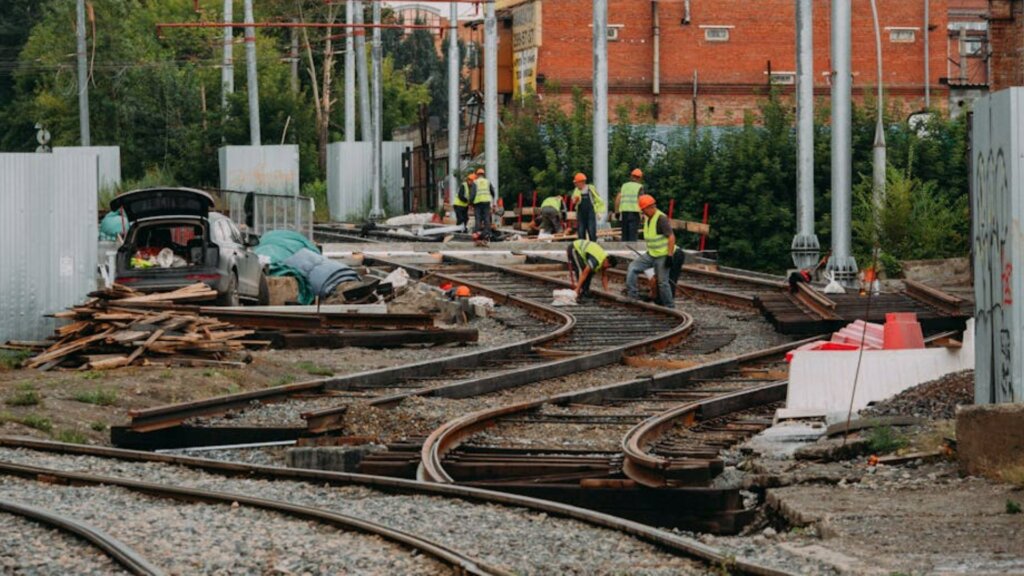
More than $42 million in federal grants for safety improvements, including fencing and crossing upgrades, was awarded between 2022 and 2024 but sat undisbursed for nearly three years. During that time, 101 more people were killed. Transportation Secretary Sean Duffy helped move the funds along after the Miami Herald investigation was published in mid-2025. The money will cover 33 miles of protective fencing and 168 crisis-support signs along the route.
The Only Section With No Deaths Is the Only Section That’s Fully Fenced
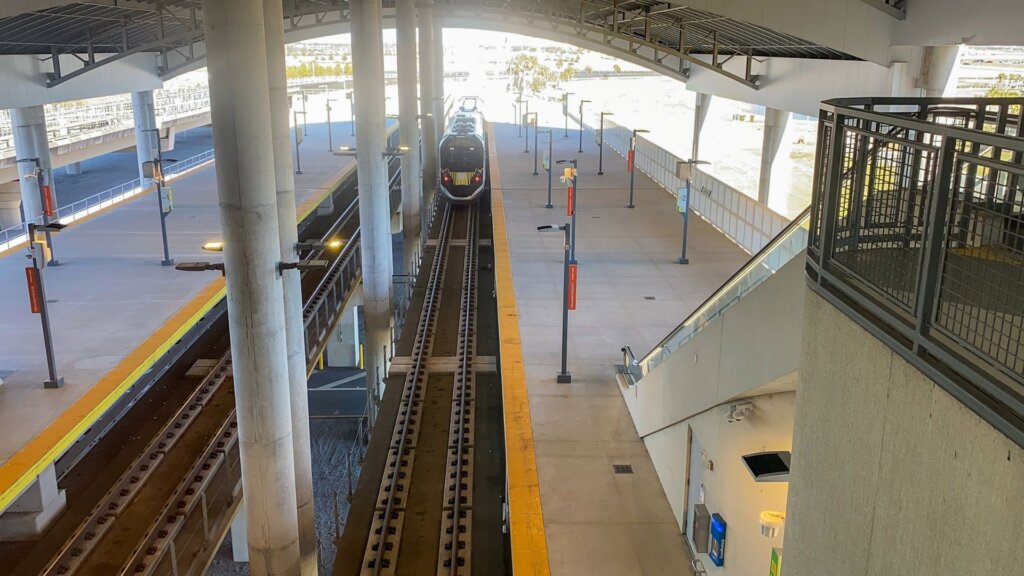
The final stretch of the Brightline route from Cocoa to Orlando, which opened in September 2023 and travels at speeds up to 125 miles per hour, is fully fenced and separated from roads and pedestrian traffic. It is the only segment of the line where no one has been killed. Rail safety expert Ian Savage of Northwestern University noted that the existing South Florida corridor, built over a century-old freight line, would never be designed this way from scratch.
The Question of Who’s Responsible Remains Unresolved
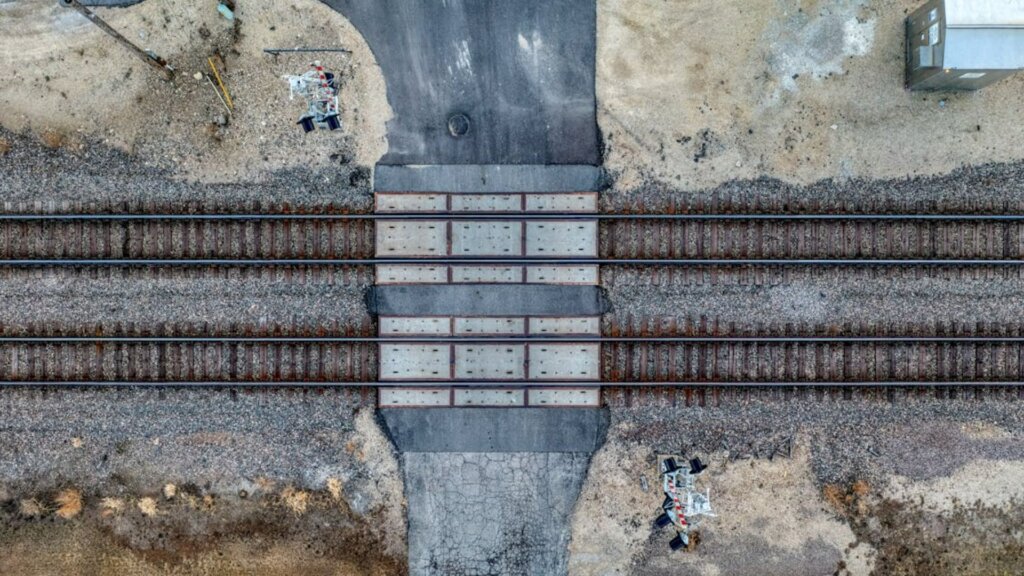
No single agency or entity holds jurisdiction over the entire corridor. The Federal Railroad Administration oversees crossing gates. State highways, city streets, and county traffic signals each fall under different jurisdictions. Brightline has not been found at fault for any of the deaths. What experts broadly agree on is that fast trains and open grade crossings are a dangerous combination, and in South Florida, there are hundreds of them.