

Products are selected by our editors, we may earn commission from links on this page.
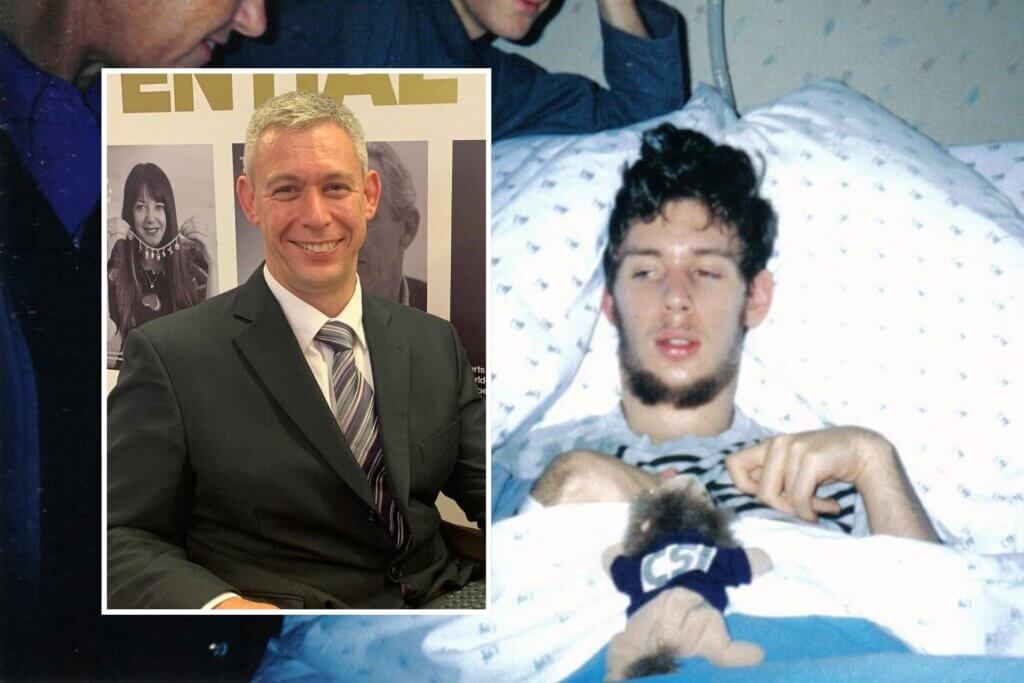
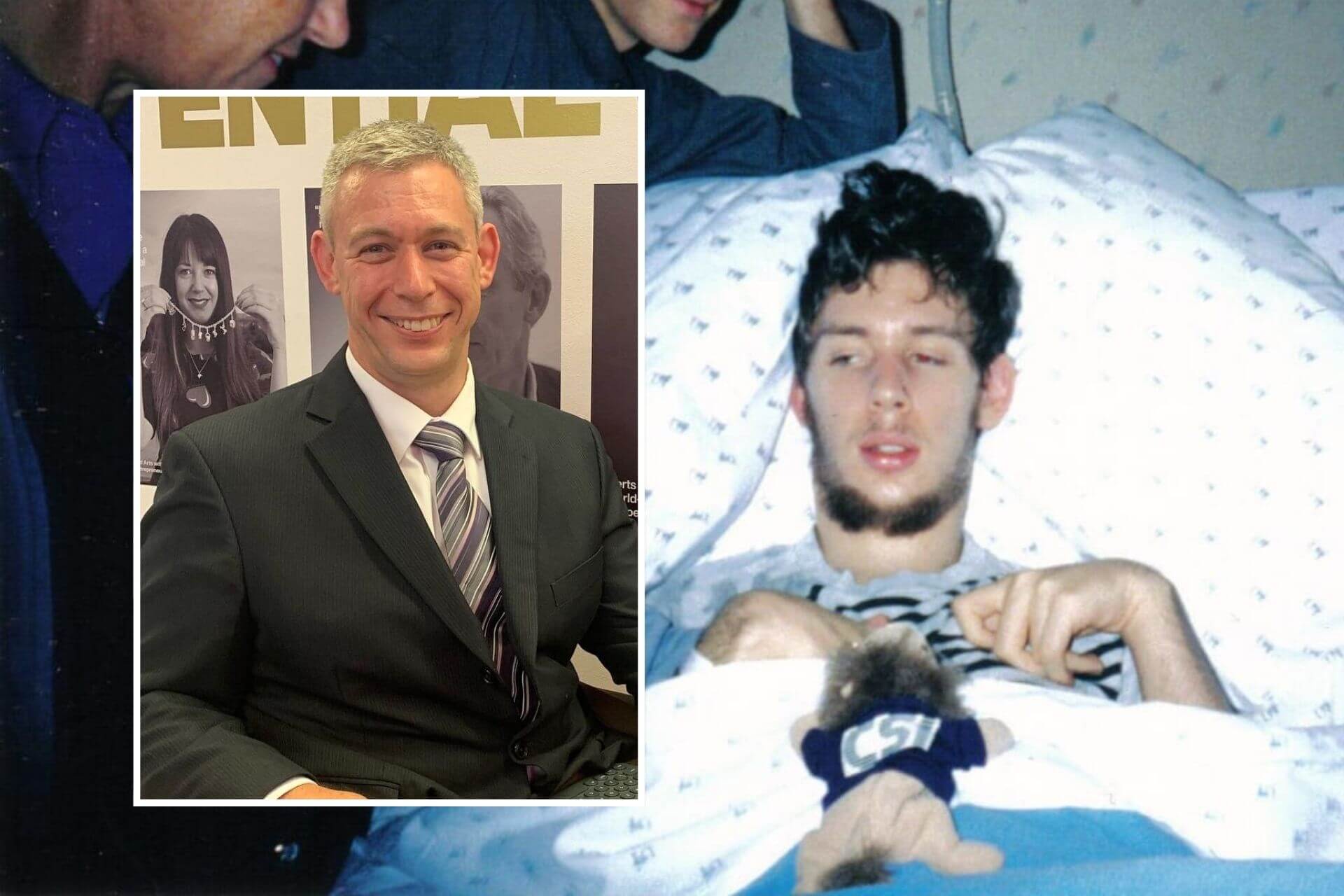
For more than a decade, Martin Pistorius was awake but unable to move or speak, fully conscious inside a body that no longer responded. Doctors believed he had suffered irreversible brain damage after a mysterious illness in childhood. What followed was 12 years of near-total silence before a slow and unexpected return to the world.
A Sudden Illness at Age 12
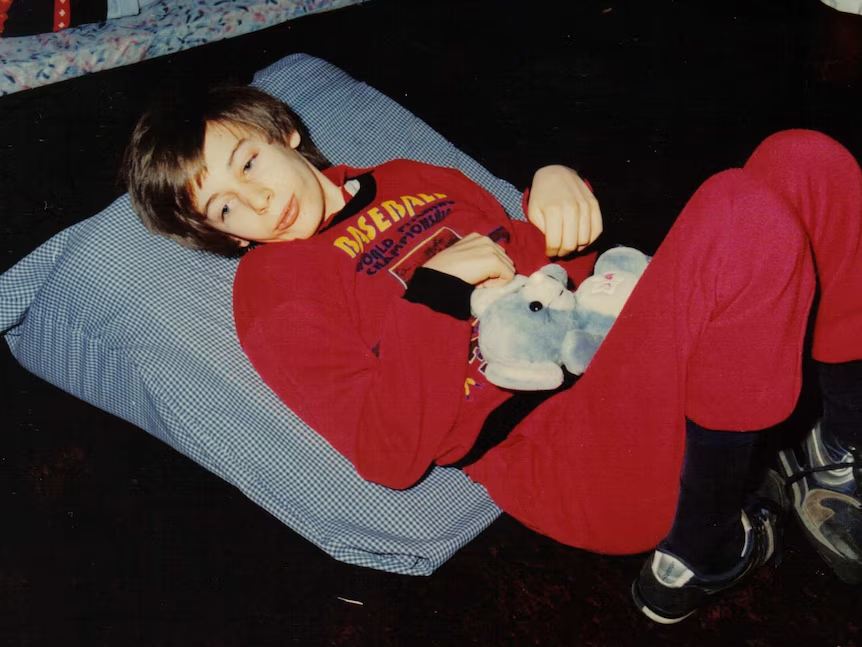
Pistorius was a healthy child in South Africa when he fell ill at 12 with what doctors initially thought was the flu. His condition worsened rapidly, leaving him unable to speak, eat, or move. Over time, he slipped into a coma-like state that medical professionals could not fully explain.
Misdiagnosed and Written Off

Doctors eventually told Pistorius’ parents that their son had profound brain damage and would not recover. He was sent to care facilities and later home care, where those around him assumed he was unaware. In reality, his consciousness slowly returned while his body remained unresponsive.
Awake but Unable to Respond
As his awareness returned, Pistorius realized he could hear and understand everything happening around him. He later described feeling invisible as people spoke freely in his presence, unaware he was listening. Despite being mentally present, he had no way to signal that he was still there.
A Possible Medical Cause Emerges
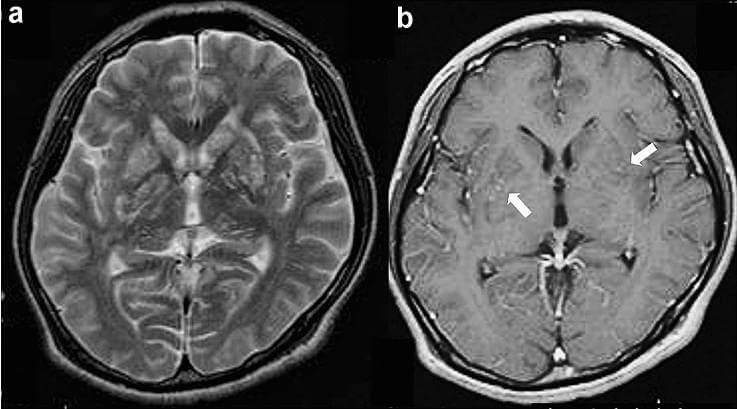
Years later, testing suggested Pistorius had suffered from cryptococcal meningitis, a rare fungal infection that can cause severe brain inflammation. The illness is known to develop slowly and can lead to coma, neurological damage, and long-term disability if untreated. In rare cases, patients survive but are left with profound physical impairment despite preserved cognition.
Life Inside Care Facilities
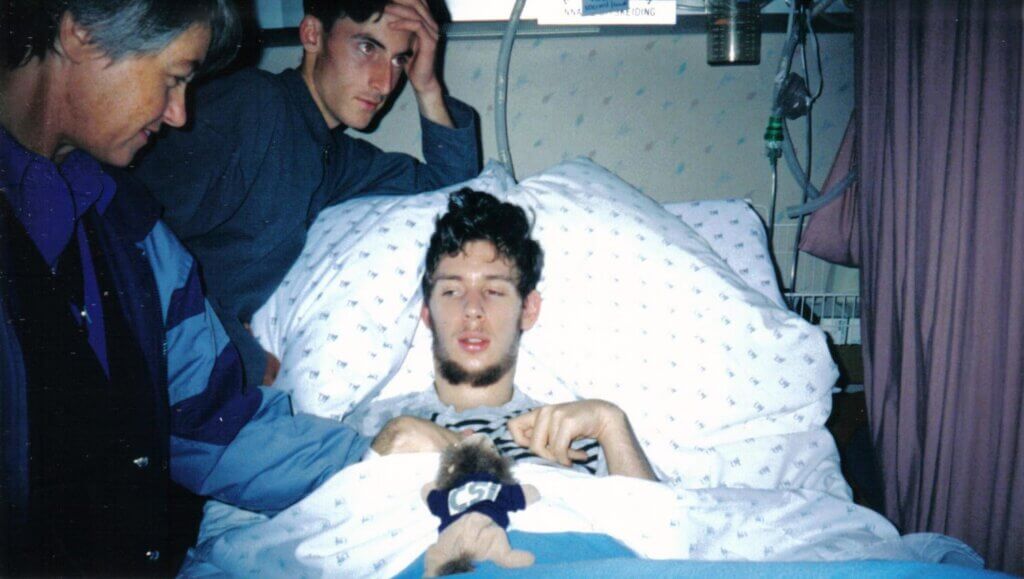
Pistorius spent years in care centers, where daily routines continued around him as if he were absent. He endured emotional distress and, at times, mistreatment, unable to protest or defend himself. He later described these years as the most psychologically painful part of his experience.
A Subtle Sign Someone Noticed

Everything began to change when a caregiver noticed Pistorius responding subtly to spoken language. She suspected he was aware and pushed for further evaluation. Specialists later confirmed that he could understand instructions and respond using eye movements, marking the first step toward communication.
Finding a Voice Through Technology
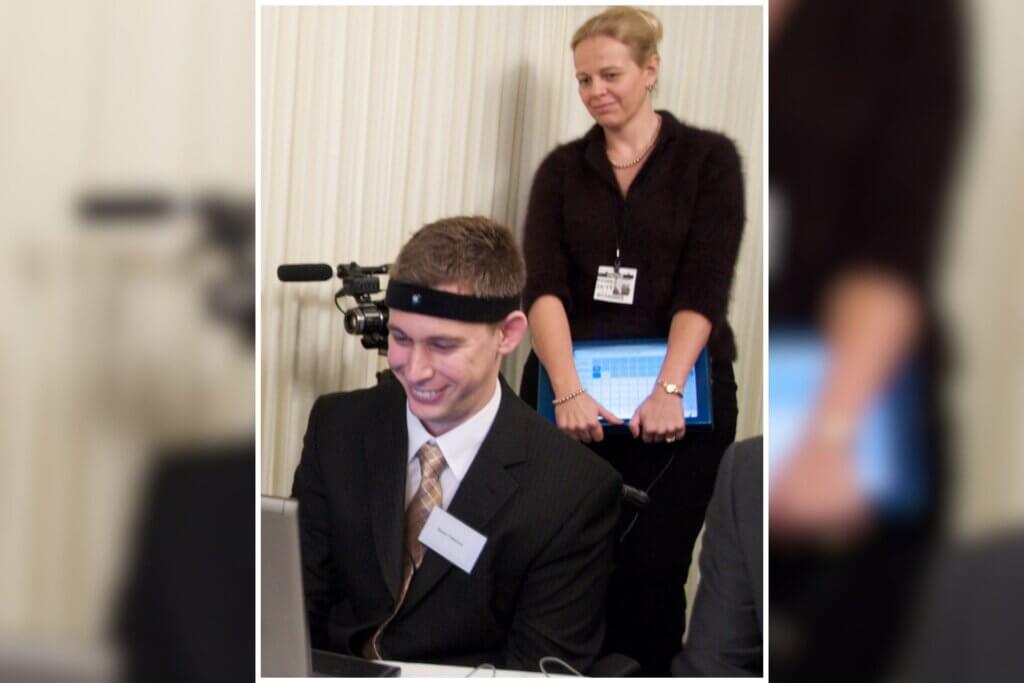
With therapy and assistive communication tools, Pistorius learned to express himself using a computer-based speech system. The process was slow and exhausting, but it allowed him to reconnect with others after years of isolation. Communication restored his sense of identity and control over his own life.
Reentering the World
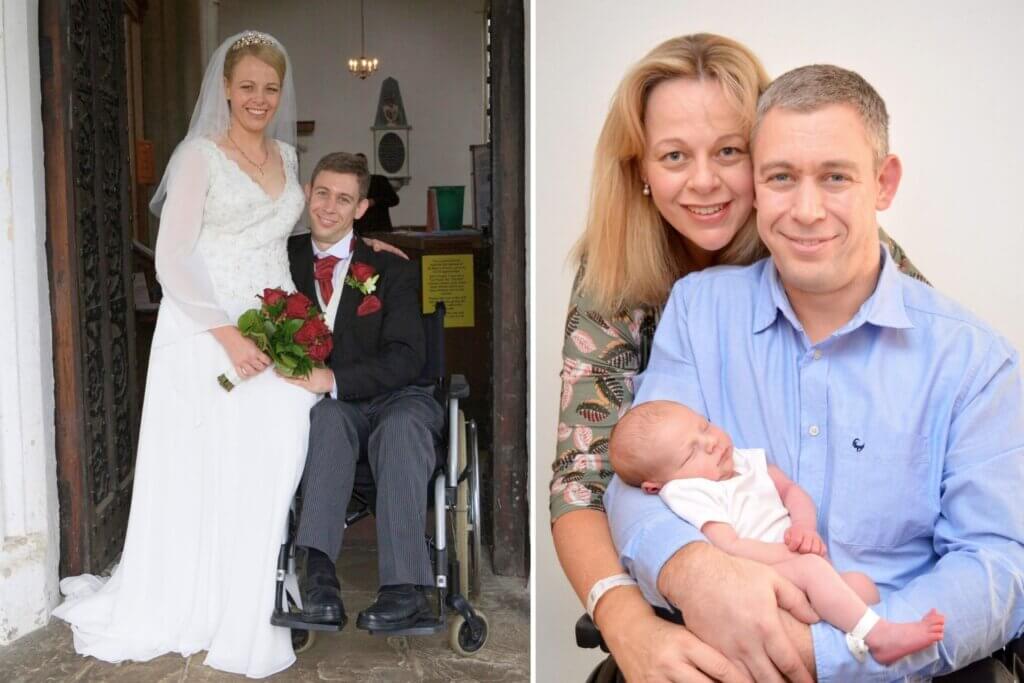
As his abilities improved, Pistorius rebuilt a life that had once seemed impossible. He later married, pursued education, and has since shared his story publicly through his memoir Ghost Boy and a documentary of the same name. His experience has since helped raise awareness about locked-in syndrome and the importance of reassessing unresponsive patients.
A Story That Changed How Doctors Listen
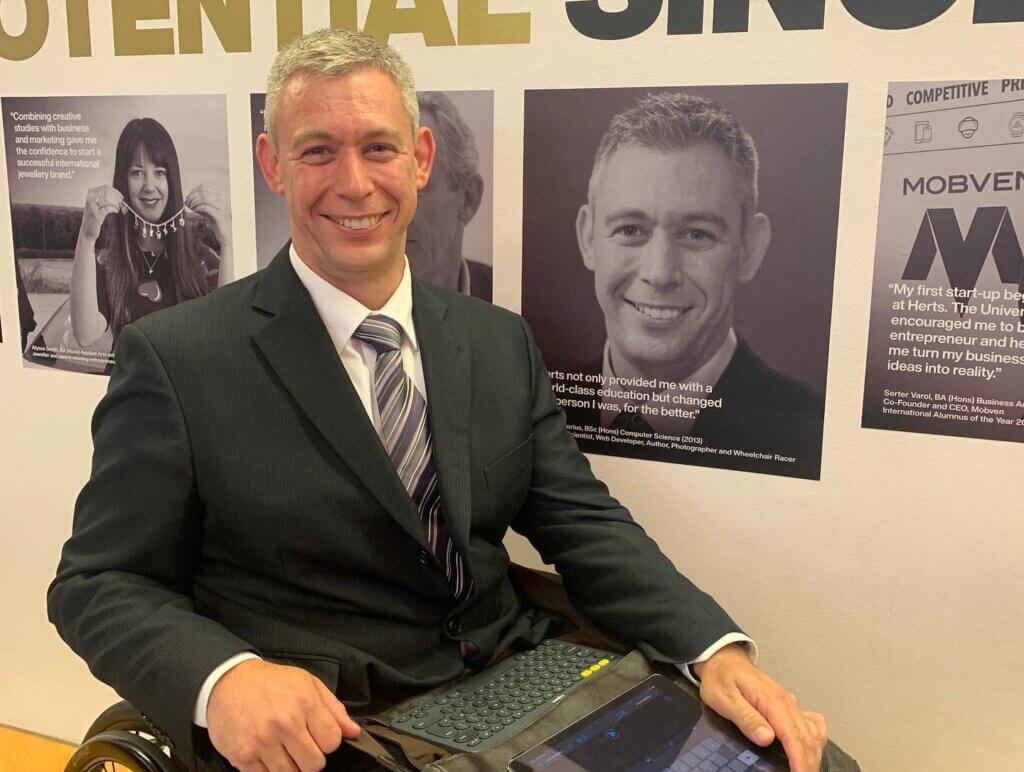
Pistorius’ story has reshaped conversations about consciousness, diagnosis, and patient care. It highlights how awareness can exist without outward movement and how easily patients can be misjudged. His return from silence serves as a reminder that absence of response does not always mean absence of mind.