

Products are selected by our editors, we may earn commission from links on this page.
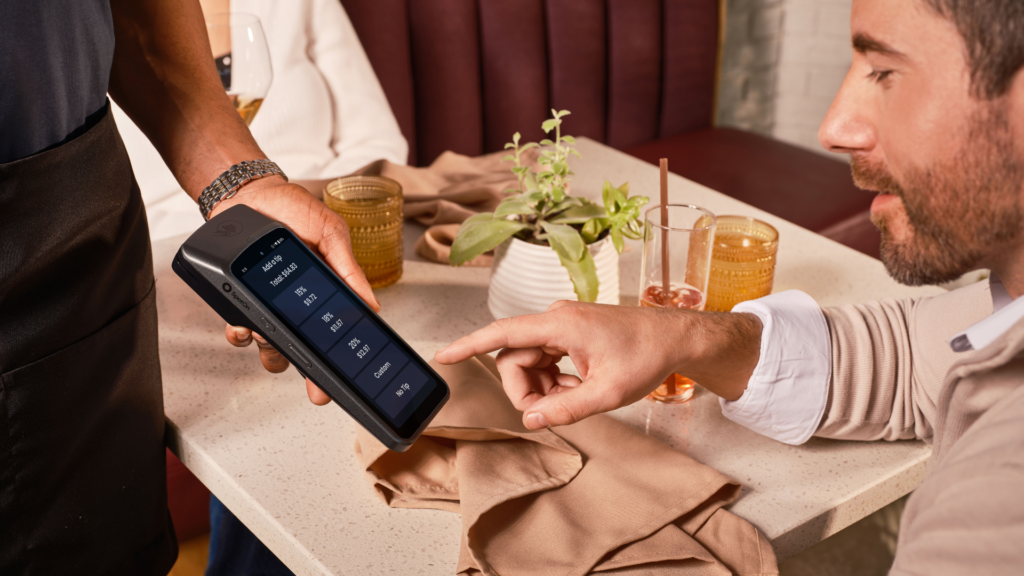
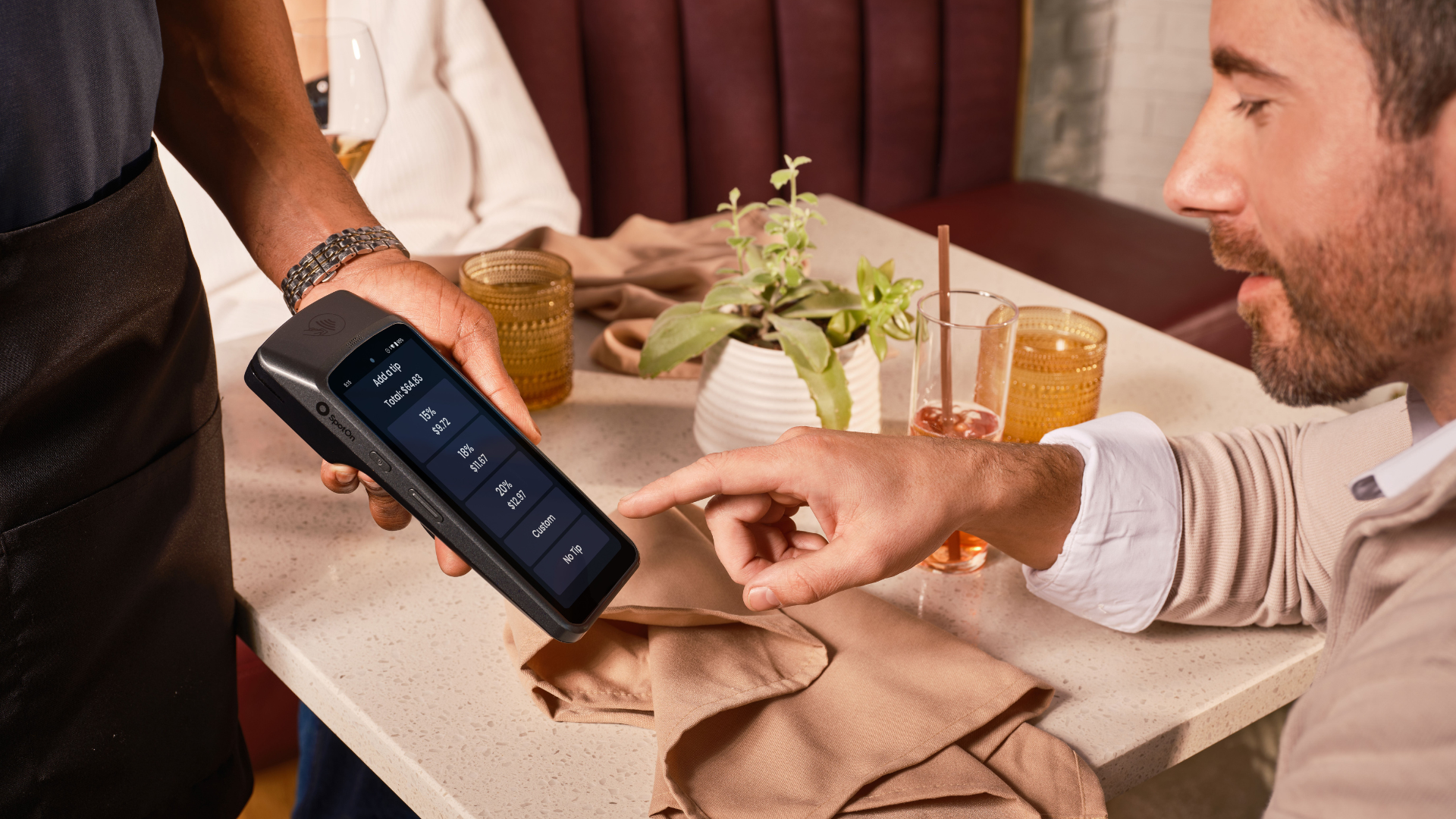
For many Americans, tipping has evolved from a simple way to reward good service into a source of daily frustration. What was once largely reserved for restaurants, bars, and personal services has expanded into coffee shops, takeout counters, food trucks, self-service kiosks, and even some retail stores. As digital payment screens routinely suggest tips of 20%, 25%, or even 30%, many consumers say they’re feeling pressure to tip in situations where they never expected to before.
The phenomenon, often called “tipflation,” has sparked a nationwide debate over who should be tipped, how much is appropriate, and whether businesses are relying too heavily on customers to supplement employee wages. Surveys show growing dissatisfaction with current tipping expectations, even among people who continue to tip regularly.
While most Americans still believe good service deserves recognition, many say the expanding reach of tipping has made everyday transactions more confusing and uncomfortable.
Digital Checkout Screens Are Changing Tipping Culture
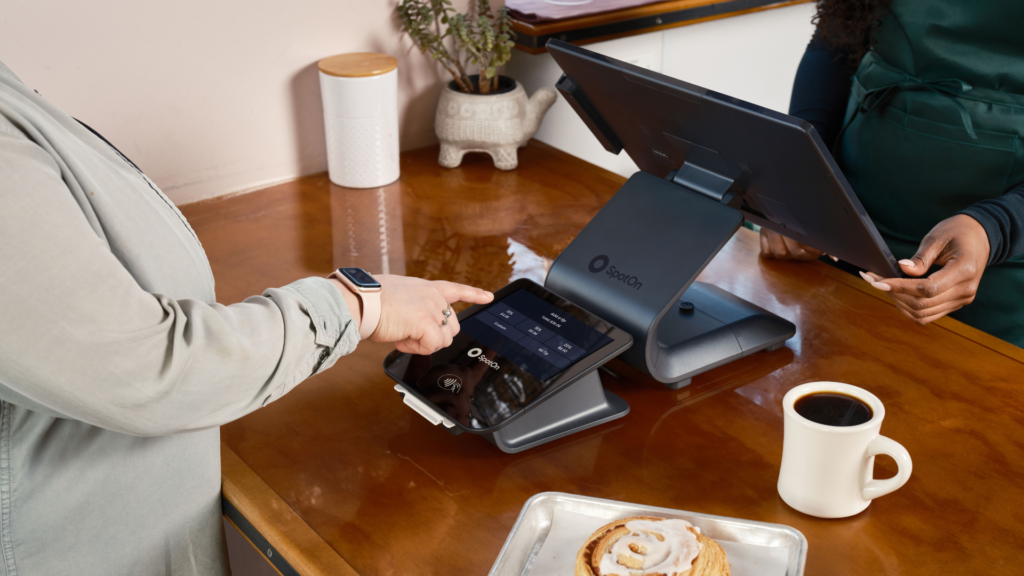
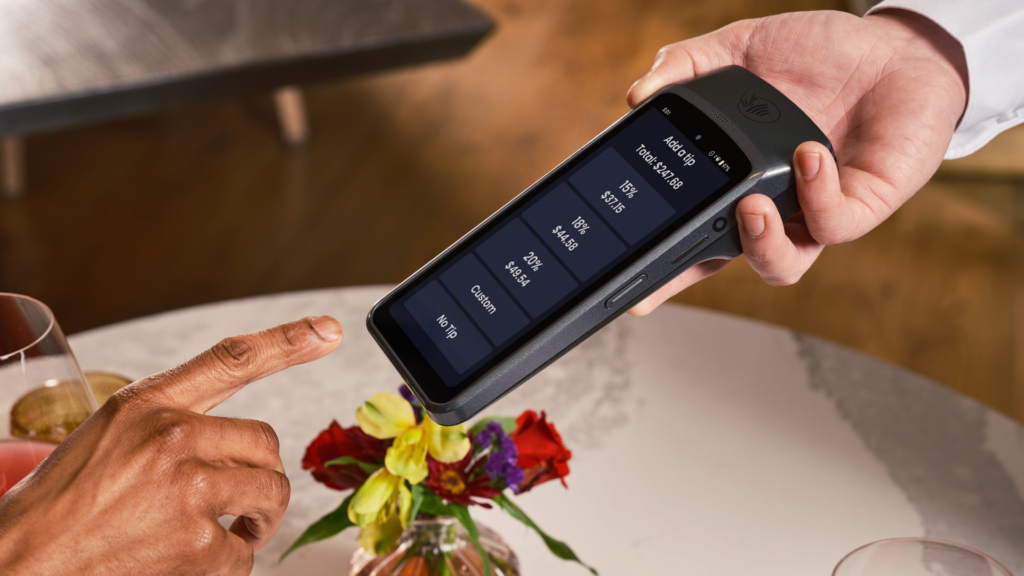
One of the biggest drivers behind changing tipping habits has been the widespread adoption of digital payment systems. Many modern checkout terminals automatically display suggested gratuities before customers can complete a purchase, sometimes even for counter-service transactions or prepackaged items. These prompts have introduced tipping into settings where it was once uncommon.
Behavioral researchers say these screens can create subtle social pressure. Because employees often stand nearby while customers make their selection, some people report feeling uncomfortable declining a tip, even when they believe no additional service was provided. Research suggests that social norms, not just appreciation for service, play a major role in why many people tip.
At the same time, businesses argue that digital systems simply give customers the option to reward employees and that tipping remains voluntary. Still, many consumers say the growing number of tip requests has made it harder to distinguish between situations where tipping is customary and those where it feels unnecessary.
Why The Debate Has Become More Heated
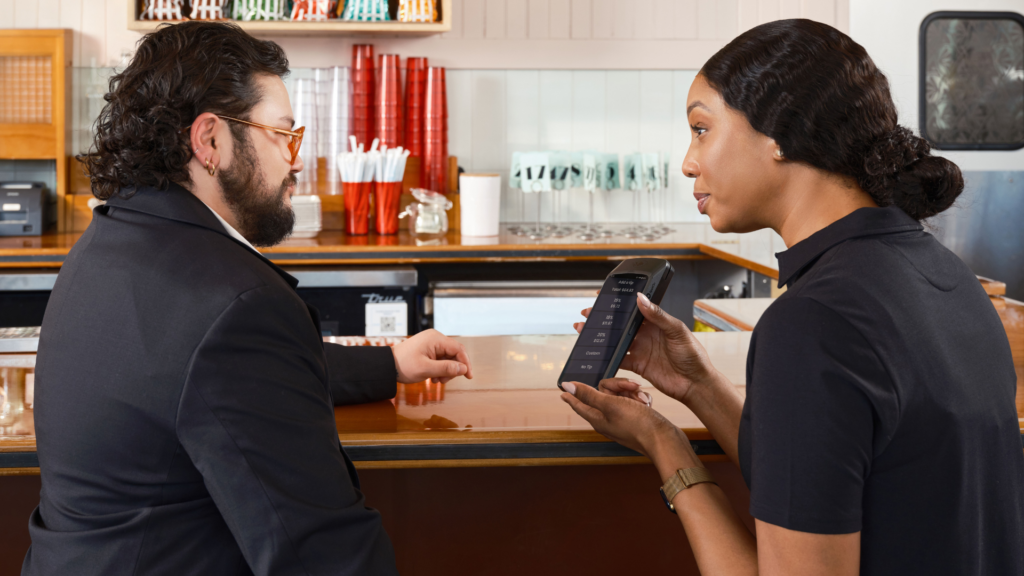
The conversation around tipping extends beyond payment screens. Many workers in restaurants and hospitality continue to rely heavily on gratuities because federal labor rules allow employers in some states to pay tipped employees below the standard minimum wage, provided tips bring total earnings up to the required minimum. That reality has made tipping an important source of income for millions of workers.
At the same time, critics argue that consumers are increasingly being asked to shoulder responsibilities that should belong to employers. Surveys show that many Americans believe businesses are relying on tips instead of raising wages, contributing to growing dissatisfaction with the current system. One recent survey found that more than 80% of Americans believe tipping culture has gotten out of control, while many respondents said they sometimes tip because they feel social pressure rather than because of exceptional service.
Industry experts note that not every business follows the same model. Some restaurants have experimented with no-tip policies or service-inclusive pricing, while others continue using traditional gratuity systems. As a result, customers often encounter different expectations depending on where they shop or dine.
Finding A Balance Between Appreciation And Expectation
Despite growing frustration, most Americans continue to support tipping in situations involving personalized service, such as full-service restaurants, salons, hotels, and similar industries. The disagreement centers less on tipping itself and more on how broadly the practice has expanded into everyday transactions.
Consumer advocates encourage people to understand local customs and remember that tipping remains optional unless a mandatory service charge has been added to the bill. They also recommend reviewing receipts carefully, since some businesses automatically include gratuities for larger groups or specific services.
Ultimately, the debate over tipping reflects broader questions about wages, technology, and customer expectations. While most people still value rewarding excellent service, many believe the growing number of tip requests has blurred the line between voluntary appreciation and perceived obligation. As businesses continue experimenting with different compensation models, the conversation about tipping culture is likely to continue evolving.