


Products are selected by our editors, we may earn commission from links on this page.

Artificial intelligence is no longer a distant concept, it is reshaping industries in real time. Billionaire entrepreneur Mark Cuban has repeatedly warned that the next decade will separate adaptable businesses from those that fail to evolve. His perspective is not about fear, but about understanding where value is shifting, and how companies and professionals can respond before it is too late.
Businesses That Fail To Embrace Artificial Intelligence

Organizations that resist adopting artificial intelligence risk becoming irrelevant as competitors gain efficiency, speed, and insight through automation. Cuban emphasizes that ignoring AI today mirrors the mistake of companies that once dismissed the internet or mobile technology, ultimately losing their competitive edge. Businesses that integrate AI into operations, decision-making, and customer experiences are far more likely to lead their markets, while those that hesitate may struggle to survive.
Traditional Media Companies Facing Disruption

Legacy media organizations are no longer protected by high production costs or distribution barriers, as AI-powered tools have made content creation more accessible than ever. Writers, editors, and producers now compete with technology capable of generating high-quality output at scale. This shift empowers independent creators to bypass traditional gatekeepers, weakening the long-standing advantage that established media companies once held.
Restaurants And Fashion Brands Under Pressure

Although restaurants and fashion labels will continue to exist, they present increasing challenges for sustainable growth and profitability. Low barriers to entry invite constant competition, while rising operational costs and shifting consumer behavior create financial instability. These industries are particularly vulnerable during economic downturns, when reduced discretionary spending quickly impacts revenue and exposes already thin margins.
Businesses Dependent On External Platforms

Companies that rely heavily on platforms they do not control face ongoing uncertainty, as their performance can be directly affected by policy changes, fee adjustments, or algorithm updates. Cuban highlights that dependence on ecosystems like large marketplaces limits autonomy and introduces risk that cannot be fully managed. A single change imposed by the platform can significantly alter visibility, revenue, or even the viability of the business.
The Likely Consolidation Of AI Companies
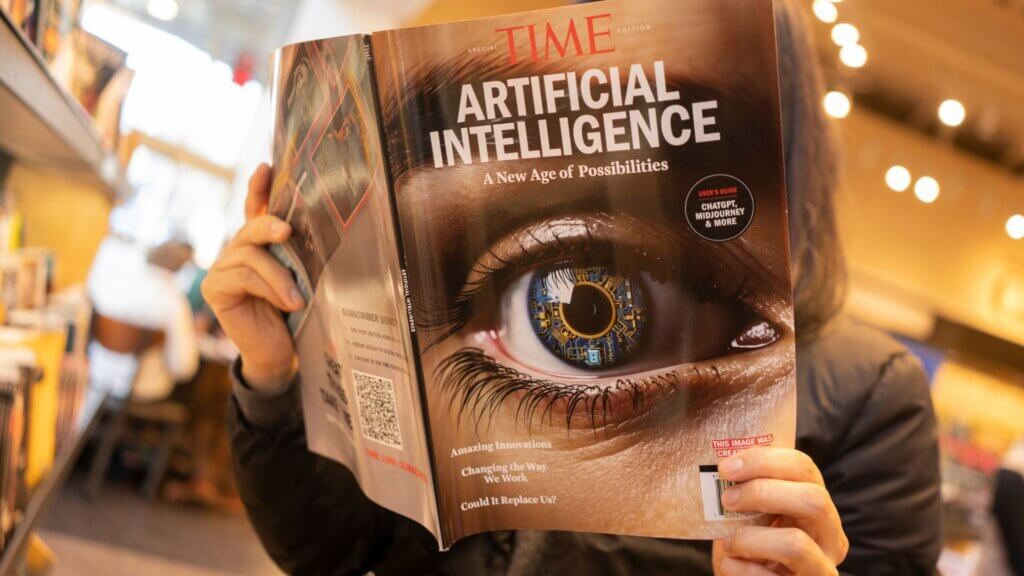
While artificial intelligence is expanding rapidly, not every company in the space will endure. Cuban draws a parallel to the early days of search engines, where only a few dominant players emerged while many others disappeared. As the market matures, competition will intensify, and only those with strong differentiation, scalability, and real-world value will remain relevant.
Organizations Tied To Government Funding

Businesses and nonprofits that depend heavily on public funding may face heightened risk during economic contractions. If governments reduce spending to manage fiscal pressure, these organizations could lose critical financial support. Cuban suggests that reliance on external funding without diversified revenue streams can leave companies exposed when economic conditions shift.
Local And Rural Businesses Without Scale

Smaller businesses operating in rural or local markets often lack the financial resilience needed to withstand economic downturns. In periods of recession, reduced government spending and declining local demand can create a ripple effect that impacts employment and business stability. Without the ability to scale or diversify, these companies may find it difficult to recover from prolonged economic stress.
Creative Independence In The AI Era

One of the less obvious shifts highlighted by Cuban is the growing independence of creators in an AI-driven world. Individuals can now produce, edit, and distribute content without relying on traditional infrastructure, allowing them to build direct relationships with their audiences. This transformation changes not only industries but also the dynamics of ownership and control in content creation.
Economic Sensitivity Across Vulnerable Industries

Several of the sectors Cuban mentions share a common trait, they are highly sensitive to economic fluctuations. Whether due to cost structures, demand volatility, or external dependencies, these industries often experience sharper declines during financial downturns. Understanding this sensitivity allows businesses and workers to anticipate risks and prepare more effectively for changing market conditions.
Adapting To A Rapidly Changing Business Landscape

Cuban’s broader message is not simply about which businesses may disappear, but about the importance of adaptability. Professionals and companies that invest in learning, diversify their capabilities, and remain responsive to technological change are more likely to navigate uncertainty successfully. Preparing today, whether through skill development or financial planning, can make a meaningful difference when facing the challenges of tomorrow.