

Products are selected by our editors, we may earn commission from links on this page.
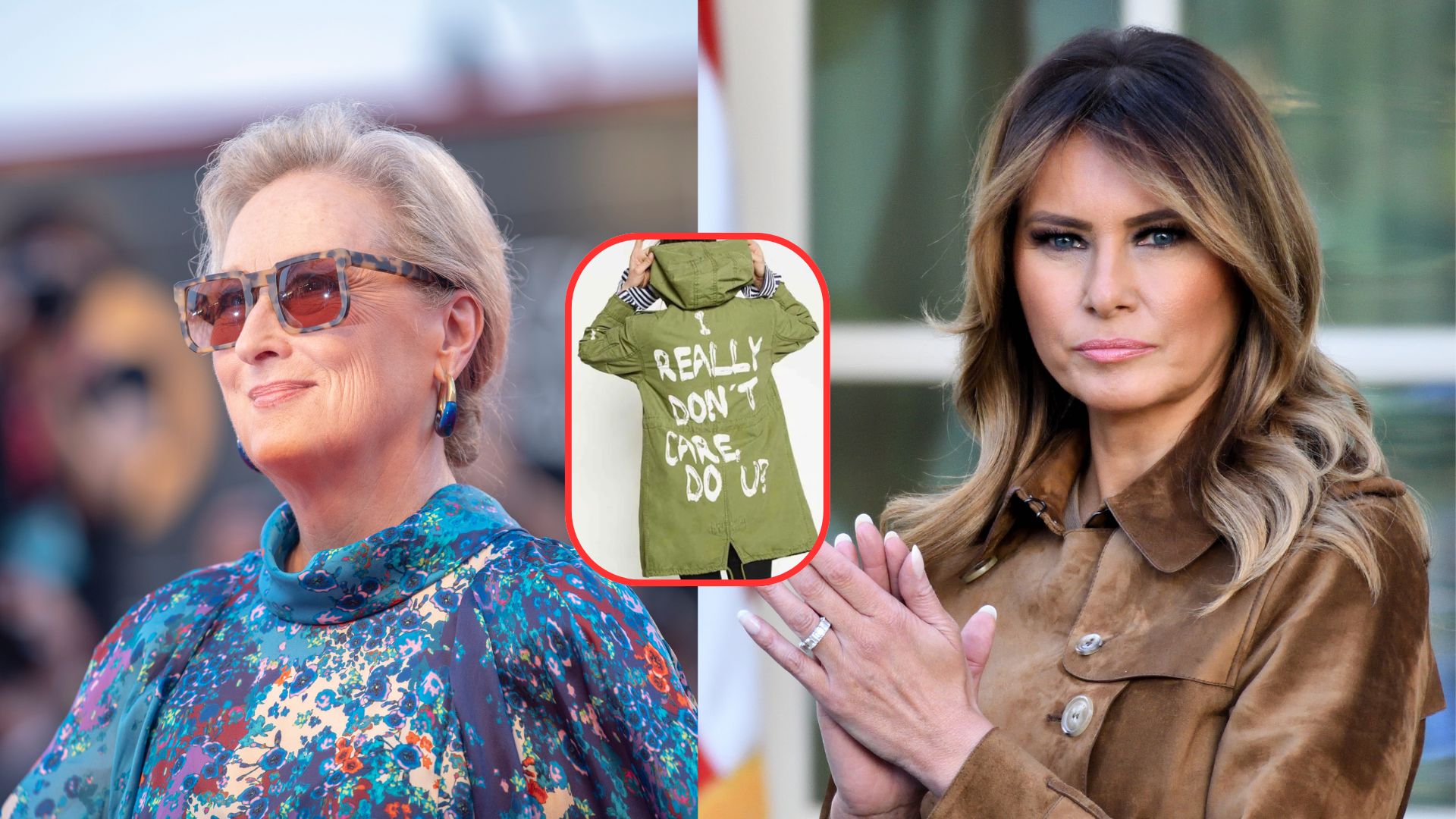
A single word can ignite a global conversation, and that is exactly what happened when Meryl Streep weighed in on Melania Trump’s fashion. During a high-profile interview, the Oscar-winning actress revisited one of the former First Lady’s most controversial style moments, sparking fresh debate. What seemed like a passing remark quickly gained traction, pulling fashion, politics, and public perception into one tense spotlight that few could ignore.
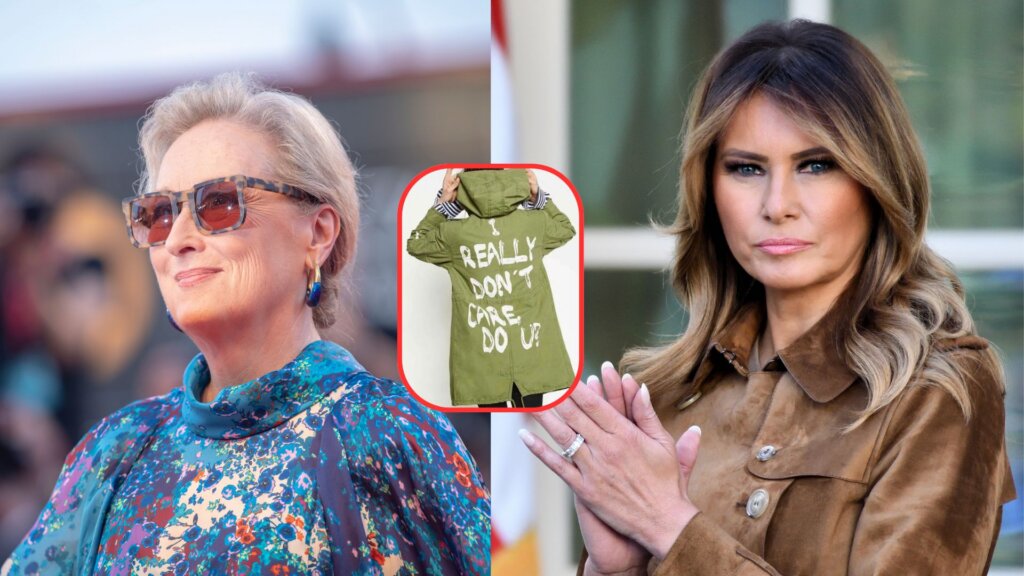
The moment traces back to Melania Trump’s widely criticized 2018 jacket, which bore the phrase “I Really Don’t Care, Do U?” during a visit to migrant children. According to multiple reports, Streep highlighted this as an example of how clothing can communicate powerful, even troubling messages beyond personal taste. Her reaction reframed the outfit not as a fashion misstep, but as something far more symbolic.
That interpretation is where Streep’s sharp comment lands. While others described Melania’s style as consistent or personal, Streep distilled her critique into a pointed observation about meaning and intent. Her remark did not just critique a wardrobe choice, it questioned what that choice represented. From there, the conversation quickly expanded into a broader discussion about how public figures use fashion to communicate, intentionally or not.
When Fashion Speaks Louder Than Words
Fashion has always been more than fabric and design, especially for figures in power. In the same interview, Streep emphasized that clothing sends messages whether people intend it or not. Her perspective reframed style as a form of communication, one that can reinforce authority, empathy, or controversy depending on the context, setting the stage for deeper scrutiny of public appearances.
Anna Wintour, who joined the conversation, offered a softer take by saying Melania Trump “always looks like herself.” While seemingly neutral, that statement opened the door for contrast. Streep’s response suggested that authenticity alone is not enough when the stakes are high, especially when actions and visuals intersect in politically sensitive moments.
This clash of viewpoints highlights a deeper tension in fashion discourse. Is style purely personal expression, or does it carry responsibility when seen by millions? For Streep, the answer appears clear. Clothing becomes part of a larger narrative, particularly for women in positions of influence, where every detail is analyzed and interpreted in ways that go far beyond aesthetics.
The Jacket That Still Sparks Debate
The 2018 jacket continues to resurface because of its timing and message. Melania Trump wore it during a visit to a Texas facility housing migrant children, a setting already charged with political and emotional weight. The contrast between the message on the jacket and the purpose of the visit created a moment that critics and commentators still revisit today.
Streep’s reflection adds a new layer to that ongoing conversation. She described the outfit as sending a powerful message, reinforcing the idea that fashion choices can unintentionally amplify controversy. Her words suggest that even silence or ambiguity in style can speak volumes, especially when the audience is global and highly attentive.
Beyond the specific incident, the discussion touches on how women in power are often judged through appearance. Streep pointed out that expectations around vulnerability and presentation can shape how women dress and are perceived. This raises questions about whether fashion becomes a tool of empowerment or a constraint shaped by public scrutiny.
A Conversation That Goes Beyond Style
What began as a comment about a jacket has evolved into a broader reflection on visibility, responsibility, and symbolism. Streep’s critique is not just about Melania Trump, but about the weight that public figures carry in every visual choice they make. In a media landscape where images spread instantly, even a single outfit can shape narratives and influence public perception in lasting ways.
The timing of the discussion, tied to Streep’s promotion of The Devil Wears Prada 2, adds another layer. The film itself explores the power dynamics of fashion, making her comments feel especially relevant. It blurs the line between fiction and reality, showing how themes from entertainment often mirror real-world conversations about influence and identity.
As debates around fashion and meaning continue, one question remains unresolved. Can style ever be separated from the message it sends, especially for those constantly in the public eye? Streep’s pointed remark suggests the answer may be no, leaving audiences to reconsider not just what leaders wear, but what those choices quietly communicate.