

Products are selected by our editors, we may earn commission from links on this page.
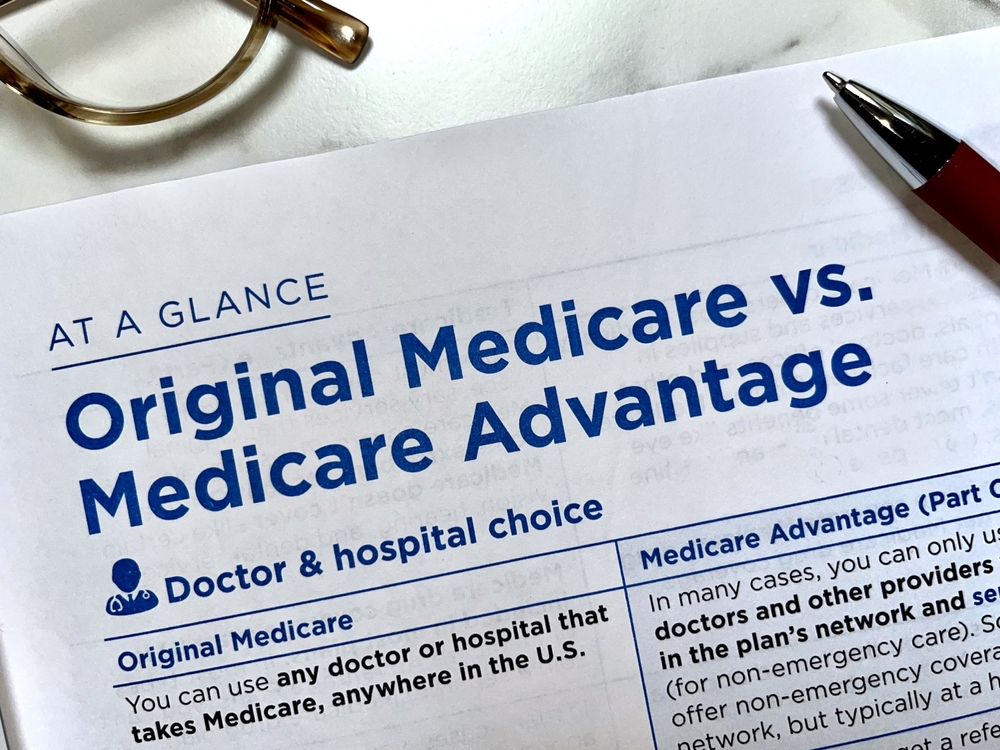
The federal government is set to send a lot more money into Medicare Advantage plans in 2027, and it could have ripple effects for millions of seniors. The Centers for Medicare and Medicaid Services finalized a payment increase of about 2.48%, translating to more than $13 billion in additional funding flowing to private Medicare plans next year.
From Near-Zero to Billions More
Just months earlier, the outlook looked very different. In January, CMS had proposed a minimal increase of about 0.09%, essentially flat funding that alarmed insurers. Industry groups warned that such a small bump would not keep up with rising medical costs and could force cuts to benefits or higher premiums. After a wave of feedback and lobbying, regulators reversed course, approving a much larger increase that exceeded expectations and immediately boosted insurer confidence.
Why Insurers Pushed So Hard
Behind the scenes, insurers argued that their costs have been rising quickly, driven by higher medical utilization and an aging population. Companies like UnitedHealth and Humana rely heavily on Medicare Advantage for growth, and tighter payment rates in recent years had squeezed profits. When the government initially signaled flat funding, it triggered a major market reaction, wiping out nearly $100 billion in stock value for insurers tied to the program. The final increase helped reverse that trend almost immediately.
Wall Street Reacts Instantly

The financial markets offered a clear signal of how significant the change was. After the final rates were announced, shares of major insurers surged, with UnitedHealth jumping as much as 10% and Humana rising even higher during trading, according to reporting by The Columbian. Analysts described the increase as not dramatic on its own, but a meaningful improvement over the earlier proposal, giving insurers more room to stabilize margins after a challenging period.
What It Means for Seniors

For seniors enrolled in Medicare Advantage, the impact is less direct but potentially significant. Higher payments to insurers can translate into more generous benefits, lower premiums, or fewer cutbacks in coverage. At the same time, analysts caution that insurers may still adjust benefits or cost-sharing to manage expenses, meaning the outcome could vary by plan. In simple terms, more federal funding creates flexibility, but it does not guarantee lower costs for every enrollee.
The Risk Adjustment Decision That Matters

One of the most consequential choices regulators made was what they did not change. CMS decided to delay updates to the program’s risk adjustment system, which determines how much insurers are paid based on how sick their patients are. Critics have long argued that insurers inflate these payments by coding more diagnoses, increasing reimbursements. By holding off on reforms, the agency effectively preserved a system that can generate higher payments for plans, adding to the financial boost.
Critics Say the System Already Overpays
Not everyone sees the payment increase as good news. Policy experts and watchdog groups have warned for years that Medicare Advantage plans are already overpaid compared to traditional Medicare. One analysis cited by advocacy groups estimates that payments could exceed traditional Medicare spending by tens of billions annually, in part due to coding practices and favorable enrollment patterns. From this perspective, the new increase raises concerns about long-term costs for taxpayers and the sustainability of the program.
A Balancing Act for Regulators

Federal officials say they are trying to strike a balance between competing priorities. On one hand, they want to ensure stability in the Medicare Advantage market so plans can continue offering coverage to millions of seniors. On the other, they face pressure to control spending and address concerns about inefficiencies. As one Medicare official explained in comments reported alongside the announcement, the goal is to ensure funding improves care and access rather than fueling unnecessary costs.
Why This Matters Now

The timing of the increase is especially important. Medicare Advantage has grown rapidly in recent years and now covers more than half of all Medicare beneficiaries, making it a central pillar of the U.S. healthcare system. Decisions about how much the government pays insurers have wide-reaching effects, influencing not just company profits but also plan availability, benefit design, and what seniors ultimately pay out of pocket. Even small percentage changes can translate into billions of dollars and real-world impacts for enrollees.
What Seniors Should Watch Next

As insurers begin designing their 2027 plans, the real effects of this policy will come into focus. Some plans may expand benefits or hold premiums steady, while others may still tighten coverage to manage costs. The bigger question is whether this increase marks a turning point toward more generous funding or simply a temporary adjustment. For seniors navigating Medicare choices, the details will matter, and the changes coming in 2027 could quietly shape what they pay and what coverage they receive for years to come.