


Products are selected by our editors, we may earn commission from links on this page.

Social media giant Meta is planning to funnel billions of additional dollars into artificial intelligence this year, even as millions of Americans and global users appear to be stepping away from its platforms. In a recent earnings call, the company revealed that its Family Daily Active People metric declined by 20 million this quarter compared to the previous three months. This rare contraction represents a significant shift for a company that has long defined itself through relentless growth.
The company attributes this sudden drop in activity to internet disruptions in Iran and new restrictions on access to WhatsApp within Russia. By grouping data from Facebook, Instagram, WhatsApp, and Messenger into a single combined figure, Meta makes it difficult to see exactly which app is losing the most steam. This lack of transparency has led some industry observers to suggest that the decline might be tied to deeper issues with user satisfaction and platform fatigue.
This user dip occurs as Meta continues to overhaul its algorithms to prioritize AI-recommended content over traditional posts from friends and family. While the company points to geopolitical factors, critics argue that the increasingly crowded and ad-heavy nature of its feeds is alienating long-time users. As digital habits evolve in 2026, the company is under immense pressure to prove that its platforms can remain essential in an era of rapidly changing social connectivity.
Billion Dollar Bet on Artificial Intelligence

The reported drop in users comes as Meta announced a massive increase in its projected capital expenditures for 2026, now ranging between $125 billion and $145 billion. This is a ten billion dollar jump from previous estimates, a move that caused the company’s stock price to fall more than 7 percent following the news. The aggressive spending is fueled by a need for high-end components and a desperate rush to secure future data center capacity.
Chief Financial Officer Susan Li described the spending spike as a necessary course correction, admitting that the company had previously underestimated the sheer amount of compute power required for its AI goals. To put this in perspective, the midpoint of the updated budget is nearly double what the company spent just one year ago. Mark Zuckerberg is once again betting the entire company’s future on a single technological frontier, much like his previous focus on the metaverse.
Investors are currently weighing the potential of Meta’s AI ambitions against the staggering costs required to achieve them. While the company is racing to develop its own advanced models, the market remains wary of the immediate return on such high-level spending. The massive capital requirements for AI infrastructure are now competing with the company’s core business, creating a high-stakes environment for shareholders who are concerned about the long-term sustainability of such an expensive transition.
Record Revenue Meets Reality Labs Losses
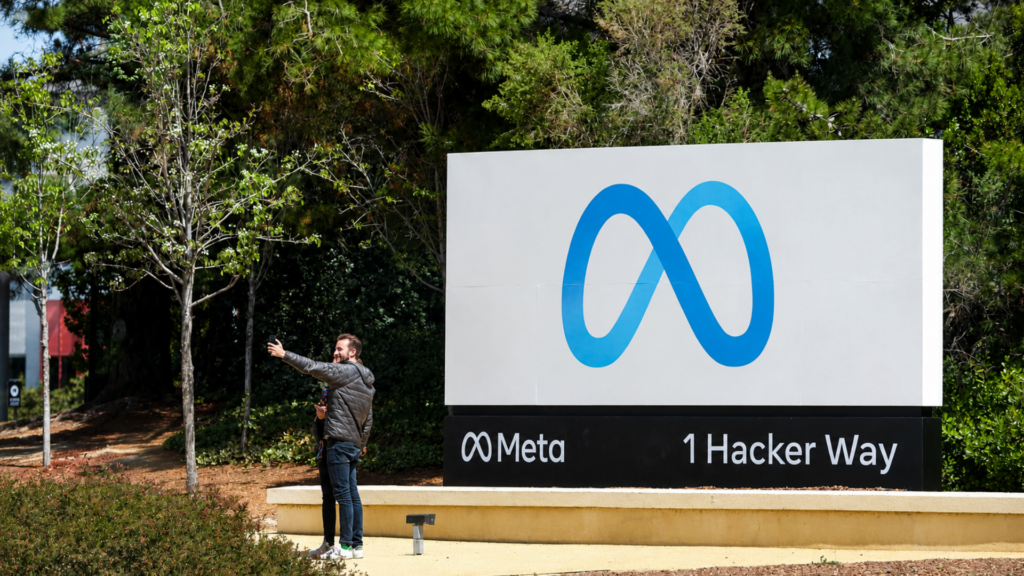
Despite the red flags regarding user numbers and spending, Meta’s total revenue experienced its fastest growth since 2021. The company reported a 33 percent increase in revenue, climbing from $42.3 billion this time last year to a staggering $56.3 billion this quarter. This momentum was largely supported by a 19 percent increase in ad impressions, proving that despite the user dip, the company’s advertising machine is still working at full capacity for its business partners.
However, the company’s experimental divisions continue to bleed significant amounts of cash. The Reality Labs unit, responsible for virtual reality and wearable tech, reported an operating loss of $4.03 billion for the same three-month period. These losses come despite two separate waves of layoffs within that specific division since the start of the year. The tension between the highly profitable advertising business and the money-losing research labs remains a defining feature of the company’s finances.
Management is now focused on delivering what they call personal superintelligence to its billions of active users. Zuckerberg highlighted the release of new models as a major milestone, even as the stock market punished the company for its massive spending outlook. Meta expects its total expenses for the year to land between $162 billion and $169 billion, a sum that underscores the astronomical cost of remaining the world’s dominant social media and technology ecosystem.
A Global Pivot Toward Personal Superintelligence

The current shift in strategy suggests that the era of simple social networking is being replaced by an AI-driven experience. Meta is revamping its content algorithms, especially on Instagram, to prioritize original content while limiting the reach of accounts that simply reshare old posts. These changes are a direct response to concerns regarding low-quality feeds and user churn. The company is fighting to keep its platforms engaging as the way people consume media changes.
As Meta navigates this transition, the rare loss of 20 million daily users serves as a reminder of how vulnerable the company is to global shifts. Whether this decline is a temporary blip caused by international politics or a sign of deeper structural issues remains to be seen. The company’s cash reserves, currently exceeding $81 billion, offer a safety net as it pursues these expensive goals. However, the pressure to turn AI into a profitable product is rising.
The future of the company depends on whether it can deliver a user experience that remains valuable while spending unprecedented amounts of money. Will the push toward personal superintelligence bring back the millions of users who have left, or will it create further distance between the brand and its audience? As 2026 progresses, Americans and the global market will see if Zuckerberg’s latest multi-billion dollar gamble secures the company’s dominance or marks a turning point.