

Products are selected by our editors, we may earn commission from links on this page.
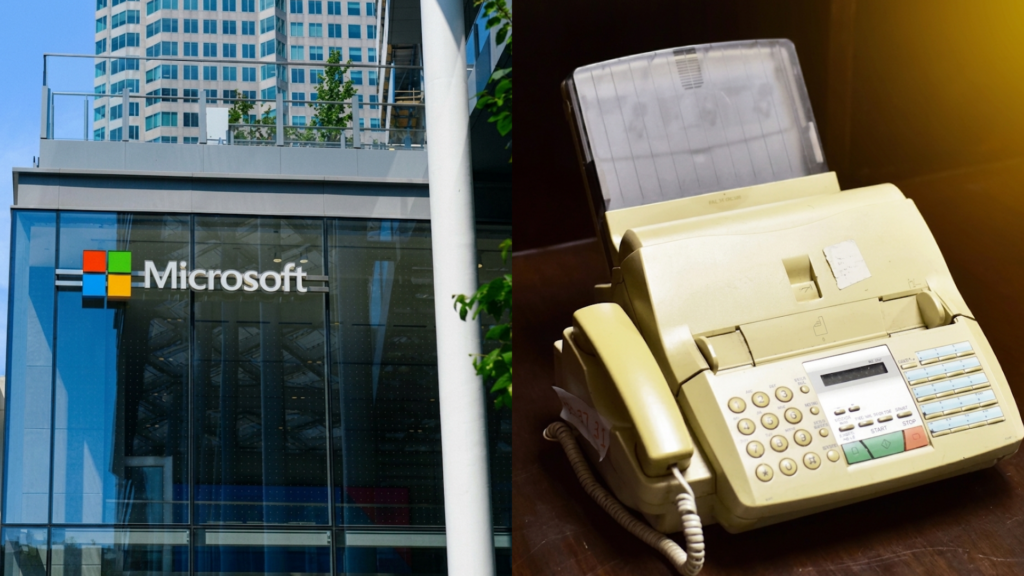
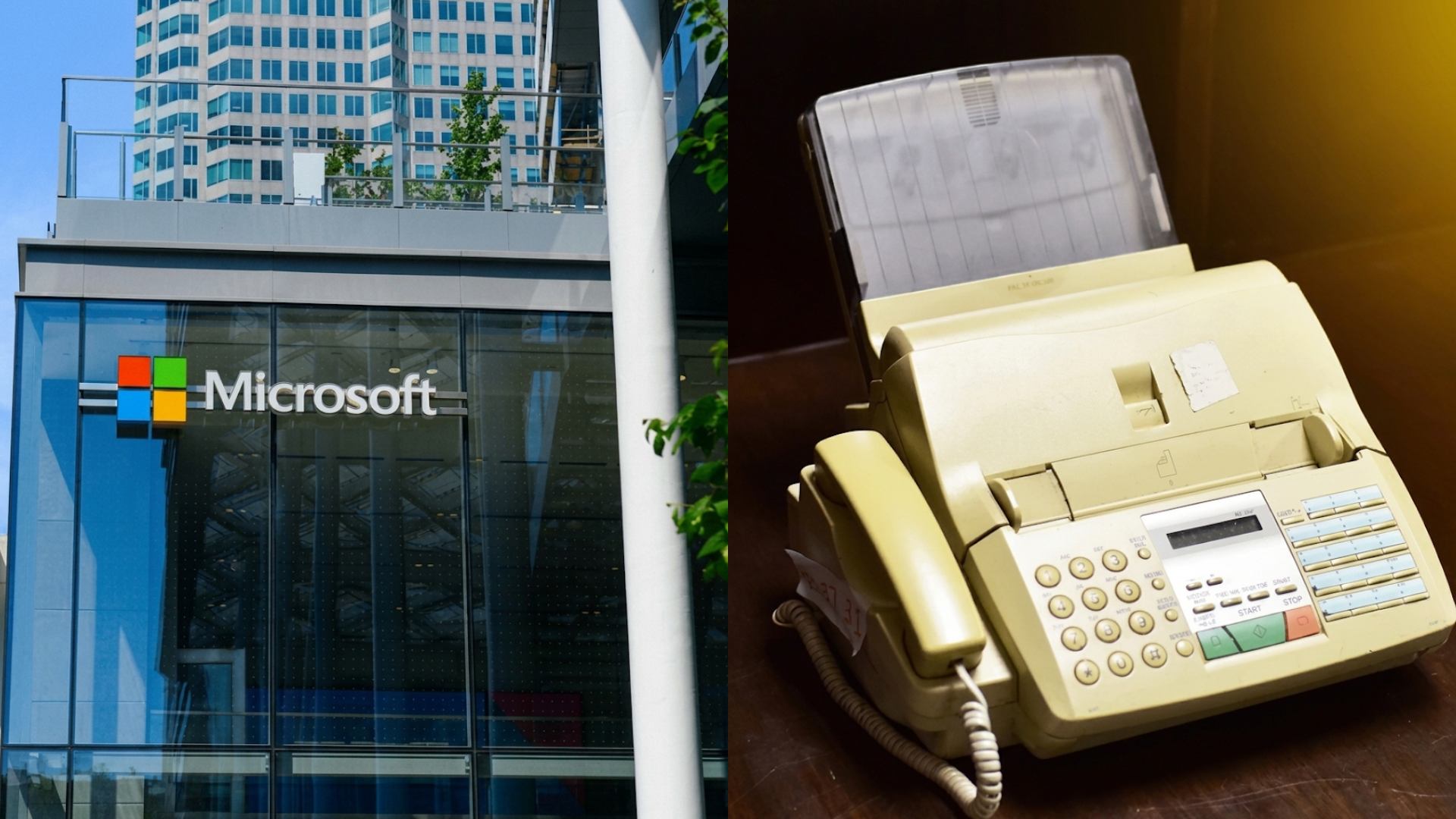
On Thursday afternoon, Nov. 12, workers across America clicked Outlook and got nothing. No email. No Teams call. No Copilot. Offices that run on Microsoft went quiet. Meanwhile, halfway around the world, a trading company worker in Tokyo sent a fax for the first time in his life. One tech failure sent some people home and sent others to a machine from the past. How did that happen?
This Was No Small Glitch
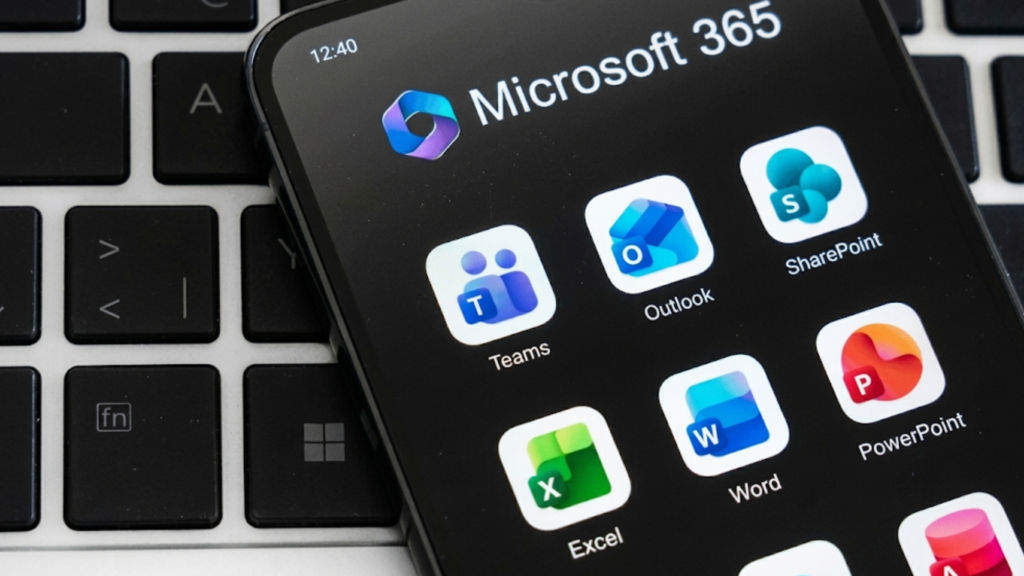
This was no small glitch. It began on Nov. 12 and hit Exchange Online, Teams, SharePoint and Microsoft 365 Copilot. Reports spiked as workdays began in Asia and Europe. The disruption lasted more than 24 hours. Ookla, the company behind Downdetector, counted more than 7.4 million user reports worldwide. That is millions of people staring at a screen that would not load. What went wrong inside Microsoft?
A Network Upgrade Helped Cause the Crash
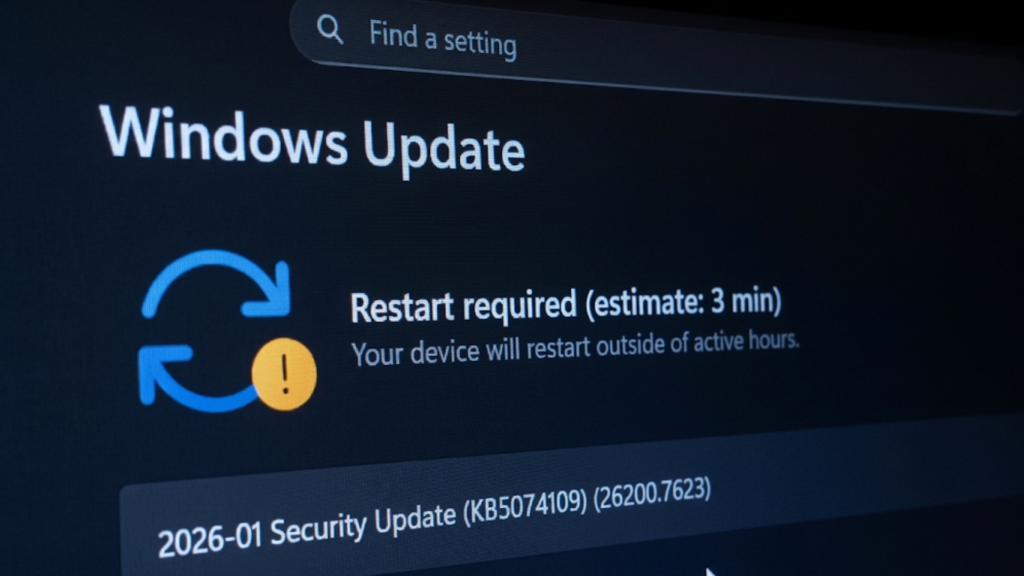
A network upgrade lit the fuse. Microsoft first blamed heavy traffic. Later it said several servers had unexpectedly gone down, which left the rest overloaded. It traced the root to a network capacity upgrade, with a later network change exposing the flaw. In plain terms, a change meant to add room helped cause the crash. For workers, the cause mattered less than the silence. What did that silence look like at work?
Without Email, Some Bosses Called It a Day

Work slowed to a crawl, and some bosses gave up for the day. USA Today reported that Tom Spacey sent his staff home early because nobody could do much without email. Big companies felt it too. Aviva turned to backups for its earnings calls. Workhorse Group moved its results to Nov. 16. When the tools vanish, the day can too. Did public services escape the trouble?
Even Hospitals and Police Felt the Hit

Public services felt it as well. The Honolulu Star-Advertiser reported that UK government agencies were affected, and the National Health Service switched to other systems and paper records. London’s Metropolitan Police had trouble taking some crime reports online, though emergency calls still worked. Australian government agencies were hit too. Paper is slow, but it does not crash. So what did people reach for when email failed?
The Fax Machine Got Its Moment
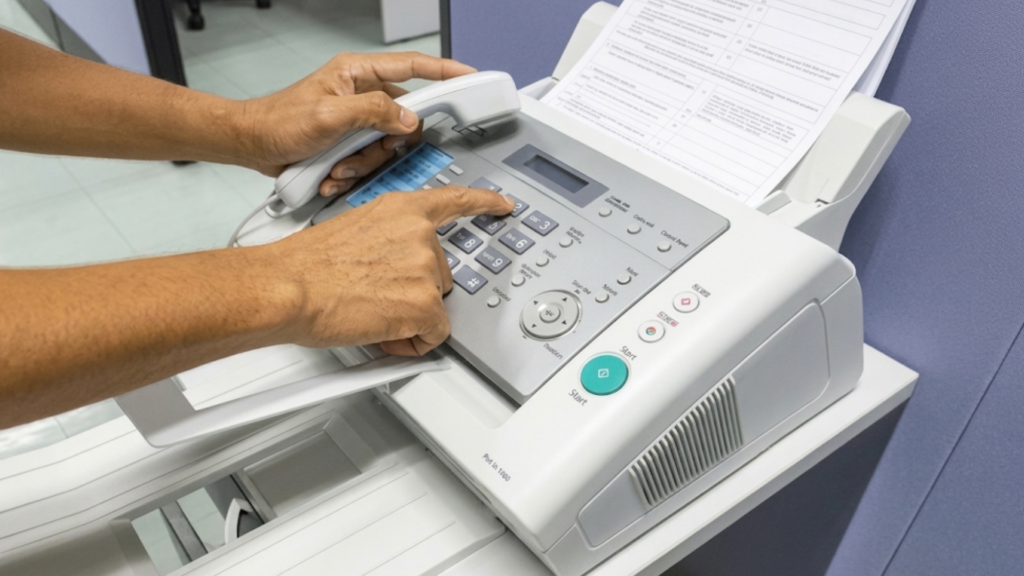
Some reached for the fax. Dexerto reported that Japanese companies and local governments used fax to share papers and confirm deals while email was down. The Star-Advertiser said a Taiwanese securities firm used fax to confirm trades. A 25-year-old Tokyo worker said it was his first time using one. No one has counted how many firms switched. Why does Japan still keep fax machines around?
Japan Never Fully Let Go of Fax

Fax never fully left Japanese offices. A survey by CIAJ, a Japanese industry group, found 40.1% of workers used fax at work in early 2024. In finance and insurance, the 2024 figure was 52.8%. That is more than half of workers in those fields. The rate is falling, though. Use dropped from 49.7% in 2020 to 37.9% in 2025. Was a cyberattack behind the outage?
Microsoft Says Hackers Were Not to Blame
Microsoft said no. It told BleepingComputer: “This was a technical issue not related to cyber or AI / agents.” The company also said it found no sign of malicious activity. Australia’s cyber security minister said Microsoft did not suspect an attack. That was a relief for security teams, but not for workers who still could not log in. A simple mistake can stop millions of people. What did it cost?
One Bad Day Can Cost Hundreds of Millions

Estimates put the damage in the hundreds of millions. Morningstar DBRS projected global insured losses of $300 million to $500 million. That is less than the 2024 CrowdStrike outage, which it put at $400 million to $1.5 billion. On Nov. 14, Microsoft said service was restored for the remaining customers and regions. It promised a full report on what happened. Will companies build a backup plan this time?
The Real Lesson Is Keeping a Plan B

Back to the Outlook window that would not load. For one day, the newest tools failed and an old machine stepped in. Fax did not win. It simply worked when little else did. The lesson is not to bring back the past. It is to keep a Plan B. When everything runs through one screen, what will you reach for when it goes dark?