


Products are selected by our editors, we may earn commission from links on this page.

An Australian parenting influencer triggered widespread backlash after posting a video of herself leaving her six-month-old baby alone in a Bali hotel room while she went for a massage. The clip, later deleted, showed her heading to a nearby resort spa with a baby monitor in hand, explaining she could still keep an eye on her child from a distance.
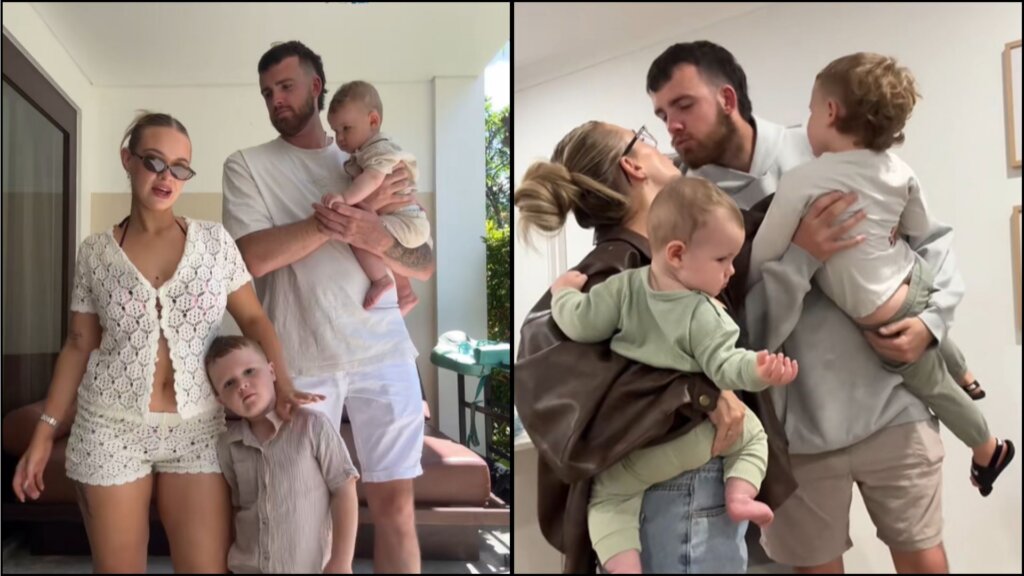
The influencer, Taleigha Skye, shares family-focused content with tens of thousands of followers across TikTok and Instagram, often documenting daily life with her partner and two young sons. During the Bali holiday, she had been regularly updating her audience with travel moments, meals, and family outings before the controversial post shifted attention.
According to reports, the massage lasted around 30 minutes and took place close to the accommodation. However, the fact that her months-old son remained alone in a locked hotel room quickly became the focal point of concern, with viewers questioning the decision regardless of proximity or monitoring.
Backlash Builds as Viewers Raise Safety Concerns
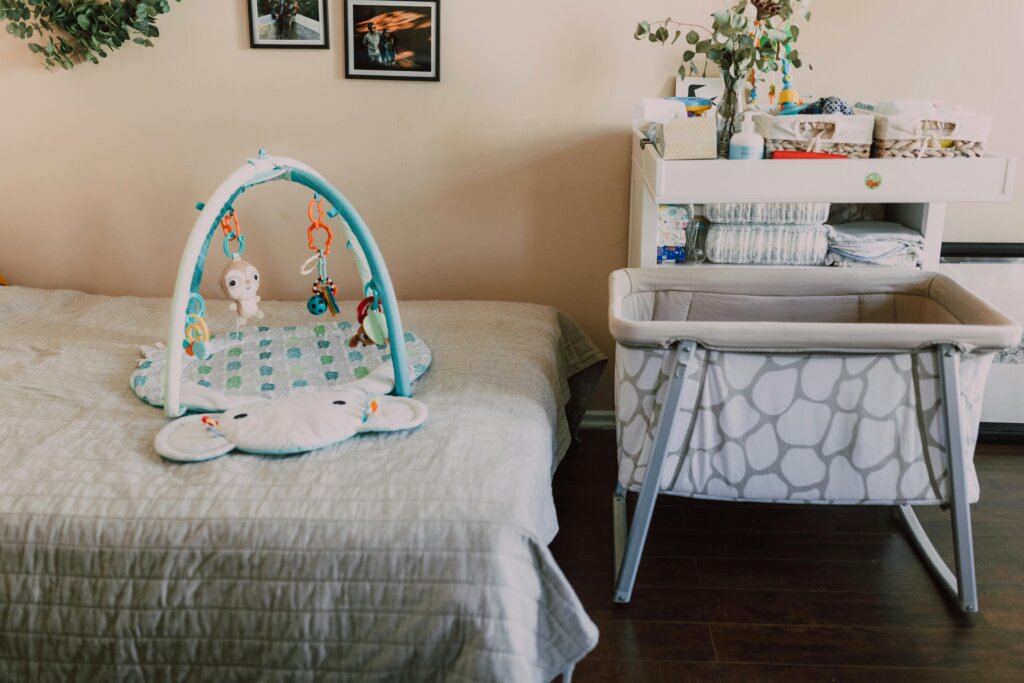
The reaction online was swift and intense. Social media users across platforms criticized the decision, with many labeling it irresponsible and dangerous. Some commenters pointed to the unpredictability of emergencies, arguing that physical distance—even a short one—could delay critical response time.
The controversy spread beyond Skye’s immediate audience after the video was shared in a large Facebook group, amplifying scrutiny. Discussions in online forums and comment sections reflected broader anxiety about child safety, particularly in unfamiliar environments such as overseas hotels.
Several critics drew comparisons to high-profile cases involving unattended children, underscoring the emotional weight of the issue. While such parallels heightened the urgency of the debate, they also contributed to a surge in public outrage that extended well beyond the influencer’s usual reach.
Social Media Amplification and Public Judgment
The incident also illustrates how quickly personal content can escalate when shared on large platforms. What may have been intended as a candid moment became a flashpoint for widespread criticism, fueled by the speed and reach of social media.
Public figures, including influencers, often operate in a space where personal and professional boundaries blur. Their content invites engagement, but it also opens the door to scrutiny. In this case, the influencer’s transparency—typically valued by audiences—became a liability as viewers dissected her actions in real time.
Online reactions ranged from constructive criticism to outright hostility, reflecting the unpredictable nature of digital discourse. The situation serves as a reminder that once content is shared publicly, it can take on a life of its own, shaped by the interpretations and emotions of a global audience.
A Broader Conversation on Parenting in the Digital Age
Beyond the immediate backlash, the controversy has contributed to ongoing discussions about parenting in the age of social media. Influencers often document intimate aspects of their lives, including decisions that would traditionally remain private, inviting both support and judgment.
The incident raises questions about accountability and the role of online communities in shaping behavior. While some argue that public criticism can encourage more responsible choices, others caution against the potential for excessive shaming, particularly when it escalates beyond constructive dialogue.
As the conversation continues, this underscores the complexities of modern parenthood under public scrutiny. It also reflects a growing awareness that while social media offers a platform for connection and expression, it also demands careful consideration of what—and how—personal experiences are shared.