

Products are selected by our editors, we may earn commission from links on this page.
As a new Atlantic hurricane season begins, officials at the National Hurricane Center and researchers across NOAA are focusing on two critical goals, helping people prepare for dangerous storms and improving forecast accuracy through advanced technology. With misinformation spreading rapidly online, experts are emphasizing the importance of trusted guidance, personal preparedness, and innovative tools designed to better predict hurricane behavior before and during landfall.
Understanding Hurricane Risks Before The Season Begins
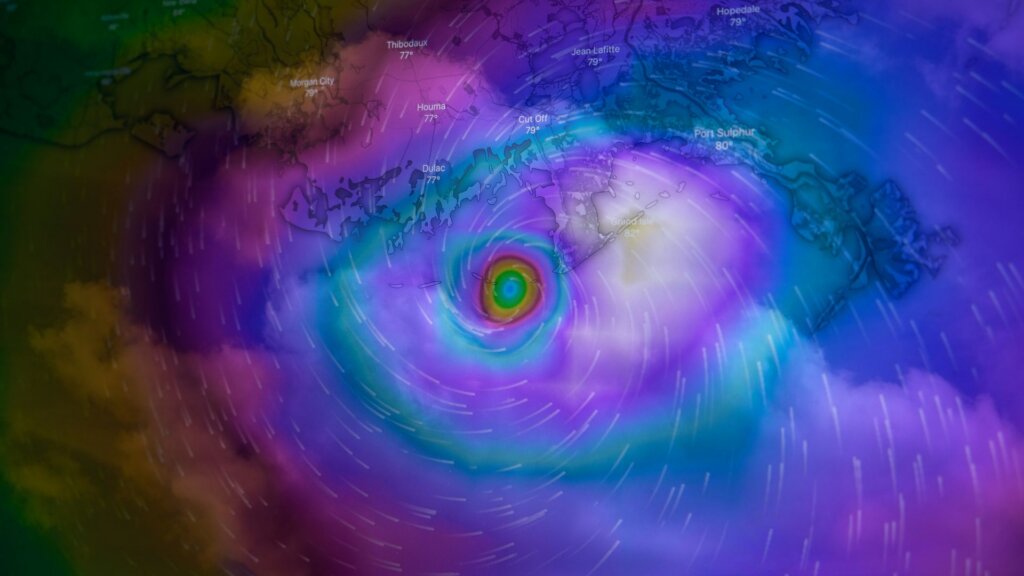
Every hurricane season presents a real threat to millions of people, regardless of seasonal outlooks, ocean temperature patterns, or recent storm activity. National Hurricane Center Director Michael Brennan stresses that residents should not become complacent after quieter years, since even storms that are not classified as major hurricanes can cause devastating flooding, infrastructure damage, and life-threatening conditions. Understanding local hazards is the foundation of effective preparation.
Identifying Evacuation Zones And Flood Threats
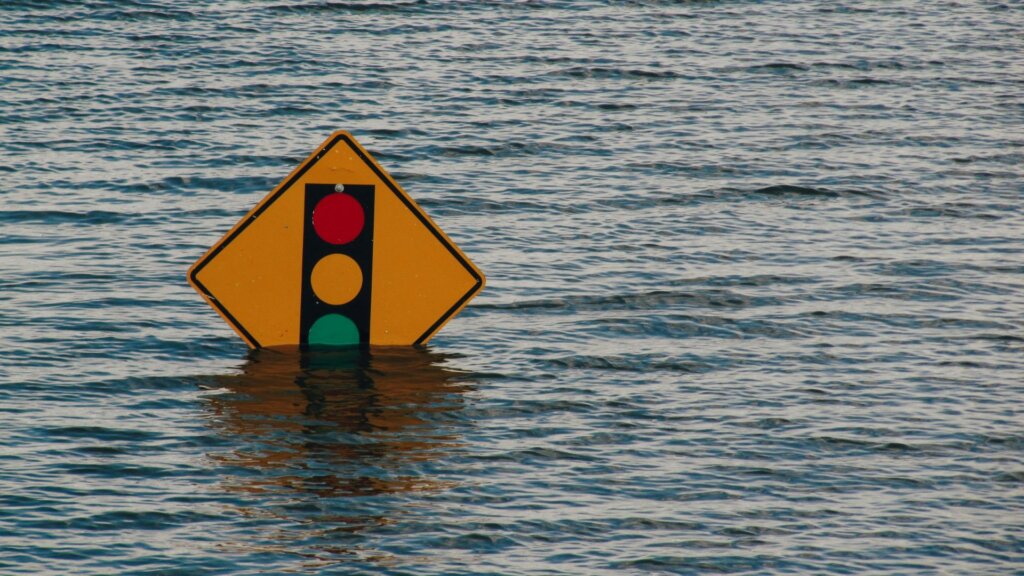
Knowing whether a home is located in a storm surge area or an evacuation zone is one of the most important steps people can take before a hurricane develops. Brennan notes that flooding from rainfall remains the leading cause of hurricane-related deaths in the United States, often affecting locations far from the coastline. Communities hundreds of miles inland can experience severe flooding, making awareness of local flood risks just as important as coastal preparedness.
Building An Emergency Supply Kit Gradually
Emergency supplies can make a significant difference when severe weather disrupts normal services. Experts recommend assembling essentials such as nonperishable food, drinking water, medications, flashlights, batteries, and other necessities well before a storm approaches. Rather than purchasing everything at once, families can gradually build their kits over time, ensuring they are prepared without creating unnecessary financial strain.
Protecting Access To Power And Essential Devices

Modern households depend heavily on electronic devices for communication, navigation, health monitoring, and emergency information. During a hurricane, losing access to power can quickly become a serious problem. Brennan encourages residents to prepare backup charging options and portable power solutions so that phones and critical medical devices remain functional throughout extended outages and recovery periods.
Creating A Reliable Family Communication Strategy

A strong communication plan is essential because cellular networks may become unreliable or unavailable during a disaster. Families should establish alternative ways to stay connected, including predetermined meeting locations and emergency contacts. Planning ahead reduces confusion during stressful situations and helps ensure loved ones know how to reconnect if normal communication channels fail.
Supporting Vulnerable Individuals During Emergencies

Emergency planning should also account for people who may face additional challenges during a disaster. Older adults, individuals with disabilities, and those with specialized medical needs often require extra support before, during, and after severe weather events. Identifying these needs in advance allows families and communities to respond more effectively and keep vulnerable individuals safe when conditions deteriorate.
Preparing For Dangerous Conditions After Landfall
The dangers associated with hurricanes do not end when the storm passes. Extended power outages, extreme heat, damaged infrastructure, and cleanup-related accidents frequently contribute to injuries and fatalities in affected areas. Officials emphasize that evacuation orders are designed not only to protect people from immediate storm impacts but also to keep them away from hazardous post-storm environments where emergency services may be limited.
Deploying Uncrewed Systems Into The Heart Of Storms
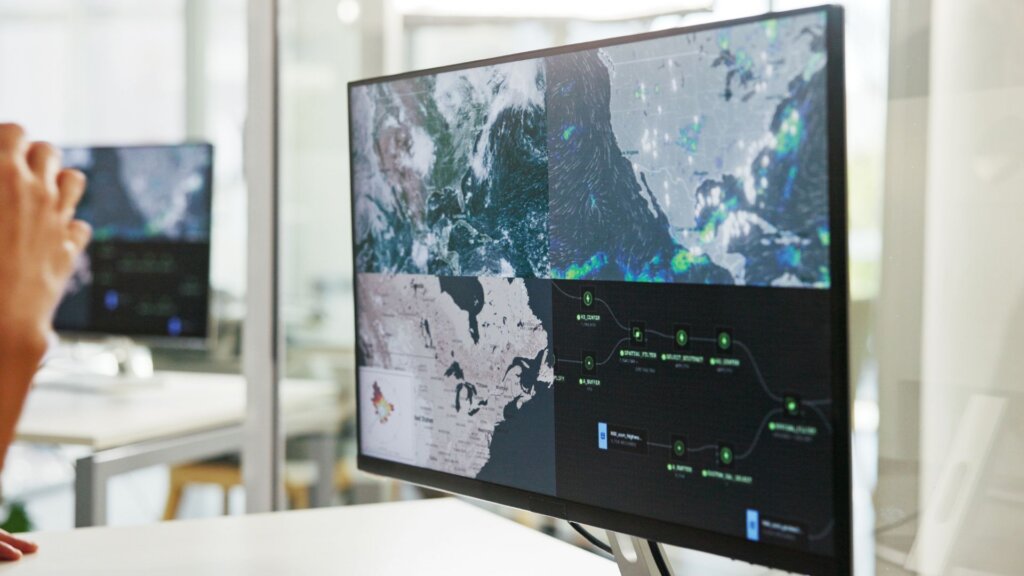
NOAA researchers are expanding the use of advanced uncrewed technologies to gather valuable data from areas that are too dangerous for traditional aircraft and ships. Working alongside industry partners, scientists are deploying drones, surface vehicles, ocean gliders, and other autonomous systems capable of measuring atmospheric and oceanic conditions inside hurricanes. These observations provide critical information that enhances forecasting accuracy and improves scientific understanding of storm behavior.
Enhancing Forecast Models With Real-Time Data And AI
This season brings important upgrades to NOAA’s Hurricane Analysis and Forecast System, including improvements in how hurricanes, wind gusts, terrain, and vegetation are represented within forecast models. Researchers are also incorporating artificial intelligence and machine learning techniques to complement traditional forecasting methods. Early results suggest these tools can improve predictions of seasonal hurricane activity, increase the quality of operational data, and strengthen forecasts of storm intensity and impacts.
Expanding Research Through Hurricane Hunter Missions
NOAA scientists will continue flying aboard Hurricane Hunter aircraft throughout the 2026 season to collect observations from developing and mature storms. These missions help improve forecasts of storm track, intensity, structure, and related hazards. At the same time, research programs are examining issues such as landslide risk, stalled tropical cyclones, and post-hurricane wildfire threats. Together, these efforts aim to provide communities with better information, stronger preparedness strategies, and more effective protection from future hurricanes.