

Products are selected by our editors, we may earn commission from links on this page.
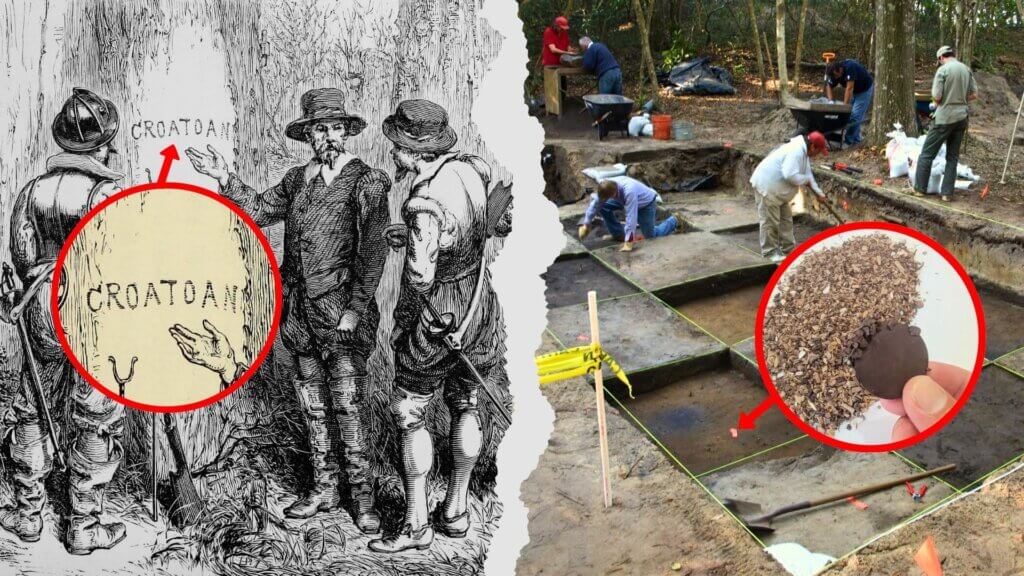
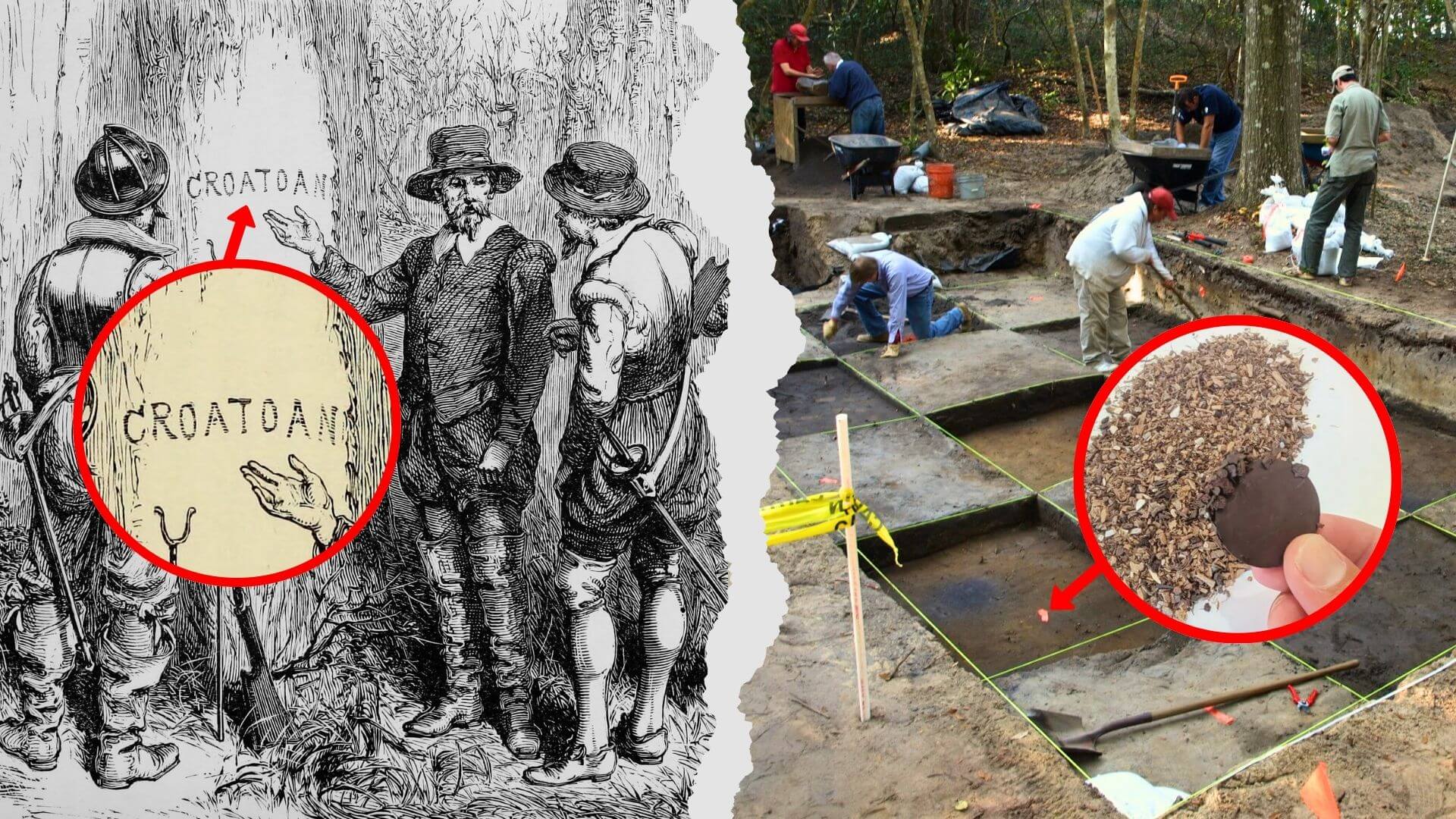
In 1590, Governor John White returned to the Roanoke settlement to find it abandoned. More than 100 men, women, and children had disappeared without violence, bodies, or letters. For centuries, historians relied on clues carved into wood and scattered artifacts, but new archaeological and genetic evidence is strengthening a theory that once seemed unlikely.
A Colony Meant to Plant England in the New World

The 1587 expedition led by Sir Walter Raleigh established the first English settlement on Roanoke Island. White sailed back to England for supplies as tensions with neighboring tribes and food shortages grew. When he returned three years later, only the word “Croatoan” on a palisade post remained.
Theories That Dominated American Memory

Storms, starvation, disease, and attacks by hostile parties were long assumed explanations for the colony’s disappearance. Yet no evidence on the island supported destruction or mass death. Early speculation rooted itself in legend, not archaeological proof, keeping the mystery alive across generations.
A Map With Secrets Beneath Its Surface
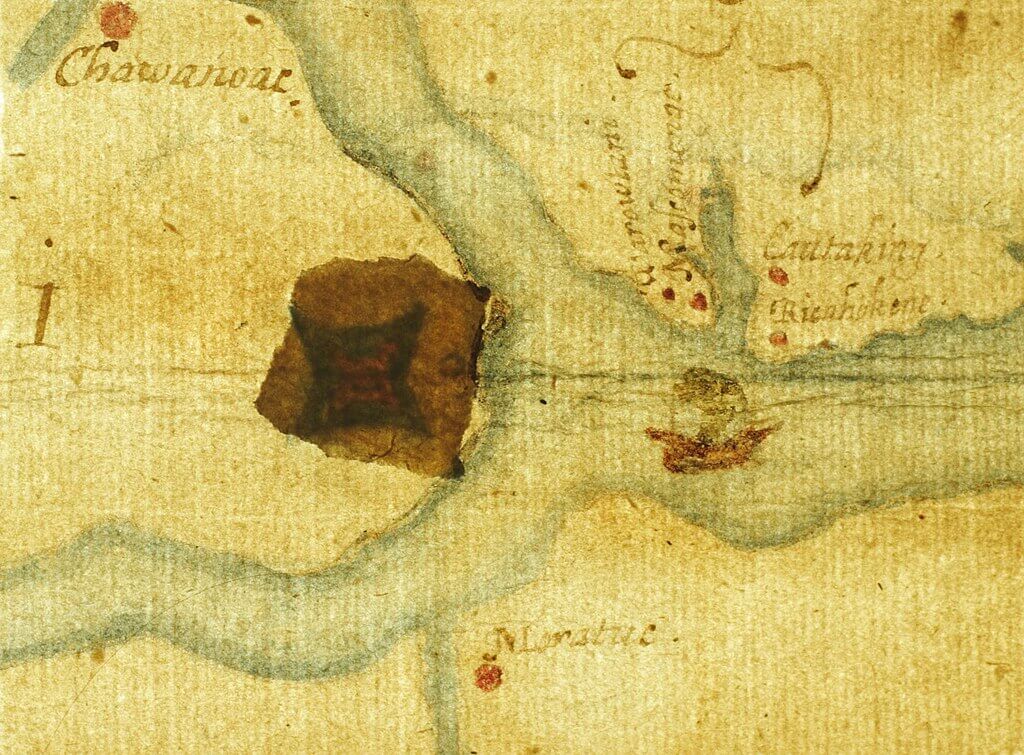
The mystery gained momentum when researchers reexamined John White’s 16th-century map, “La Virginea Pars.” Two patches concealed a red-and-blue symbol, which historians now believe marked a protected inland refuge. Scholars argue the fort’s location may have been hidden intentionally to protect state secrets from rival nations.
Searching Inland for Settlement Remains

Technology such as ground-penetrating radar (GPR) and magnetometers guided investigators to buried wooden structures near the Chowan River. The site revealed patterns suggesting English-style building footprints. While not definitive, these findings indicated a longer colonial presence beyond the coast.
A Shift Toward Assimilation, Not Annihilation

A separate wave of research has focused on Hatteras Island, historically known as Croatoan. Excavations uncovered post holes, fire pits, tobacco pipes, copper earrings, pottery, tools, and weapons mixed with Elizabethan-era material. These findings drew archaeologists to a conclusion far from the original disappearing-colony narrative.
The “Smoking Gun” Hidden in the Soil
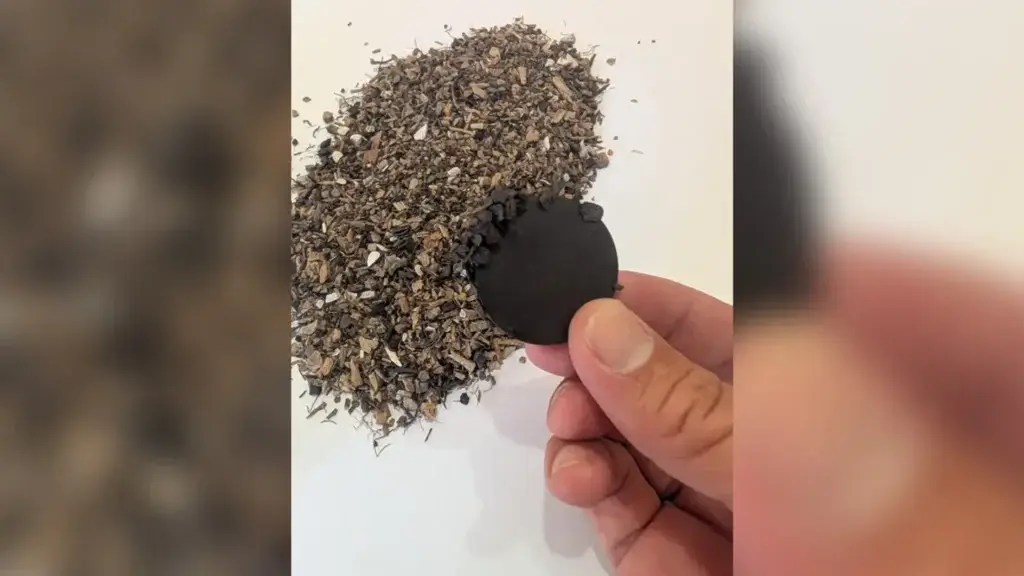
The excavations were led by archaeologist Mark Horton of the University of Bristol, who has spent more than a decade studying colonial-era settlements along the Outer Banks. His team uncovered hammerscale, microscopic iron flakes created only during blacksmithing, which he calls “the smoking gun.”
Because Native Croatoan communities did not forge iron themselves, Horton argues the material is direct evidence of Roanoke colonists living and working on Hatteras Island rather than disappearing without a trace.
Life on Hatteras Island for Decades

The excavations also revealed gun parts, nautical fittings, lead shot, styluses, and fine glassware. Oral histories describe descendants with blue or gray eyes who recalled ancestors “speaking out of a book,” consistent with English literacy. Archaeologists now believe a blended society emerged and continued into the early 18th century.
Why DNA Matters Now

Researchers are moving toward genetic comparisons between populations connected to modern Hatteras Island and potential English descendant lines. DNA analysis may validate what archaeology already suggests: the settlers did not vanish, they integrated. This scientific layer could finally clarify how the Lost Colony survived.
The Legend That Refuses to Fade

Archaeologists admit the mystery may never fully close. Even with heavy archaeological proof, experts say people often resist tidy conclusions. The Lost Colony may have found a new life among the Croatoans, yet its myth remains part of American identity