


Products are selected by our editors, we may earn commission from links on this page.

The electric vehicle revolution is hitting a massive speed bump in Mississippi as one of the world’s largest automakers shifts its gears back to internal combustion. Nissan officially informed its U.S. suppliers on April 30, 2026, that it is abandoning a half-billion-dollar plan to transform its Canton assembly plant into an electric vehicle hub. This dramatic reversal marks a significant retreat from the company’s previous goal to lead the American market into a purely electric future.
Just five years ago, the Japanese manufacturer announced a bold investment to retool its nearly five-million-square-foot facility for the production of several all-electric models. The Canton plant was intended to manufacture high-capacity batteries for both Nissan and Infiniti vehicles as part of a sweeping strategy to sell 200,000 EVs annually by 2028. However, those ambitious dreams have been officially shelved in favor of a more traditional and immediately profitable approach to the North American market.
The decision to scrap the electric transition comes at a time of immense pressure for the automaker as it navigates a cooling demand for battery-powered cars across the United States. While the brand has successfully launched improved versions of the Leaf and its performance-oriented Z car, its overall EV sales have fallen far short of expectations. This financial reality has forced a pragmatic reassessment of the company’s manufacturing footprint, leading to a major strategic pivot back toward the segments Americans still love.
A Return to Rugged Body-on-Frame Workhorses
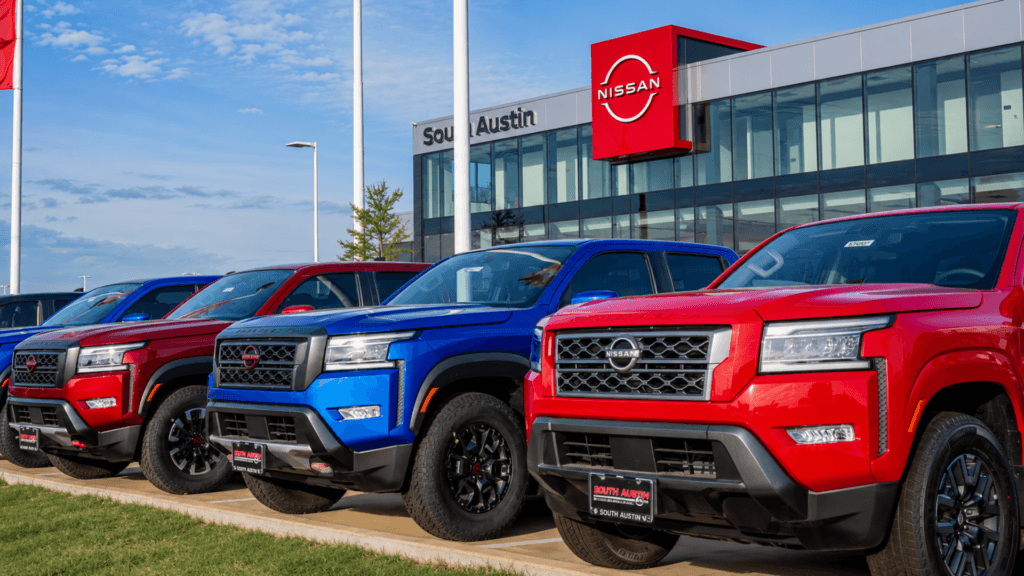
Instead of rolling out silent electric SUVs, the assembly lines in Canton will be repurposed to produce a new generation of gasoline-powered trucks and SUVs. The cornerstone of this comeback is the highly anticipated revival of the Nissan Xterra, a rugged off-road favorite that has been missing from the U.S. market for over a decade. Slated for a late 2028 debut, the new Xterra will be built on a shared, heavy-duty body-on-frame platform.
This strategic shift prioritizes the Frontier pickup and other truck-based models that have historically been the backbone of Nissan’s North American success. By utilizing a shared platform for the Xterra and a new three-row SUV, the company can maximize manufacturing efficiency while lowering production costs. This move is designed to satisfy a growing consumer demand for affordable, capable vehicles that are suitable for adventure, a segment where gasoline engines still maintain a significant advantage over current electric options.
While the Canton plant is moving away from pure battery-electrics, the company is not abandoning electrification entirely. The revived Xterra is expected to offer a V6-based hybrid powertrain alongside a conventional gas engine, providing a more incremental step toward efficiency. This multi-powertrain strategy allows the brand to remain flexible as market conditions evolve. By focusing on what customers are actually buying today, Nissan hopes to stabilize its operations and protect thousands of jobs in the Mississippi region.
The Casualty List of a Shifting Market
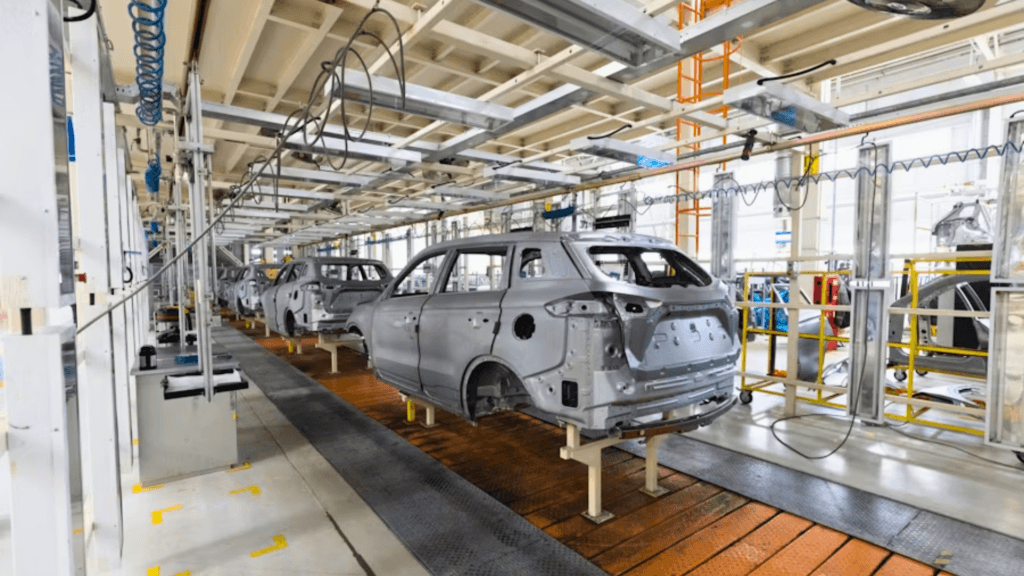
The decision to scale back EV production has already claimed several notable victims within the company’s lineup. The Nissan Ariya, a crossover that was once the face of the brand’s electric future, is set to be discontinued in the United States after the 2026 model year. High import tariffs and a lack of federal tax credits made it difficult for the Japanese-built vehicle to compete on price against locally manufactured rivals like Tesla and Hyundai.
This withdrawal leaves the aging but affordable Leaf as the sole purely electric model in Nissan’s American showrooms for the foreseeable future. Even the Leaf’s position is under threat as competitors prepare to launch lower-priced alternatives that offer newer technology and faster charging speeds. By narrowing its focus, Nissan is effectively pausing its most aggressive EV ambitions to avoid further financial losses. This retreat is a stark admission that the transition to electric mobility is moving slower than predicted.
Nissan is far from the only automaker re-evaluating its commitment to the electric path. Domestic giants like Ford and General Motors have also scaled back their multi-billion-dollar projects in response to slowing consumer interest and shifting political landscapes. The expiration of federal purchase incentives has significantly altered the investment rationale for everyone in the industry. As the sector grows more aggressive, established brands are finding that traditional gasoline and hybrid models remain the safest path to profitability.
Navigating the Long Road to Recovery
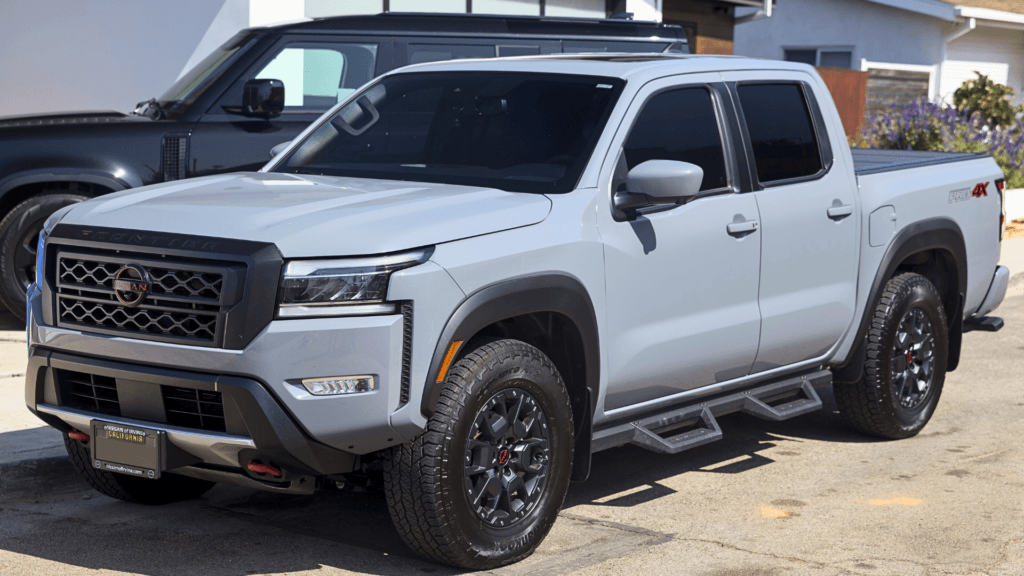
Despite the current pullback, Nissan executives remain optimistic about their long-term recovery in the North American market. The company has set a bold target of reaching one million annual vehicle sales by the fiscal year ending in March 2031. To achieve this, leadership is leaning into the brand’s heritage of producing durable, enthusiast-focused trucks and SUVs. This “back to basics” approach aims to win back loyal customers who miss the rugged DNA of classic Nissan models.
The future of the brand will likely see a greater emphasis on its e-Power technology, which uses a small gasoline engine to generate electricity for the motor. This provides an electric driving feel without the range anxiety or high costs associated with massive battery packs. While solid-state battery development continues in the background, these near-term hybrid solutions are expected to be the primary bridge for the next decade. The company is betting that a diversified lineup is the best defense against economic uncertainty.
As the dust settles on the canceled Mississippi project, the automotive world is left to wonder if this is a temporary delay or a permanent shift in direction. Will the return to gas-powered trucks provide the financial fuel needed to eventually re-enter the EV race, or is the industry undergoing a deeper transformation? For now, the sight of new Xterras and Frontiers on the road will be a reminder of a time when the market forced a giant to look back.