

Products are selected by our editors, we may earn commission from links on this page.
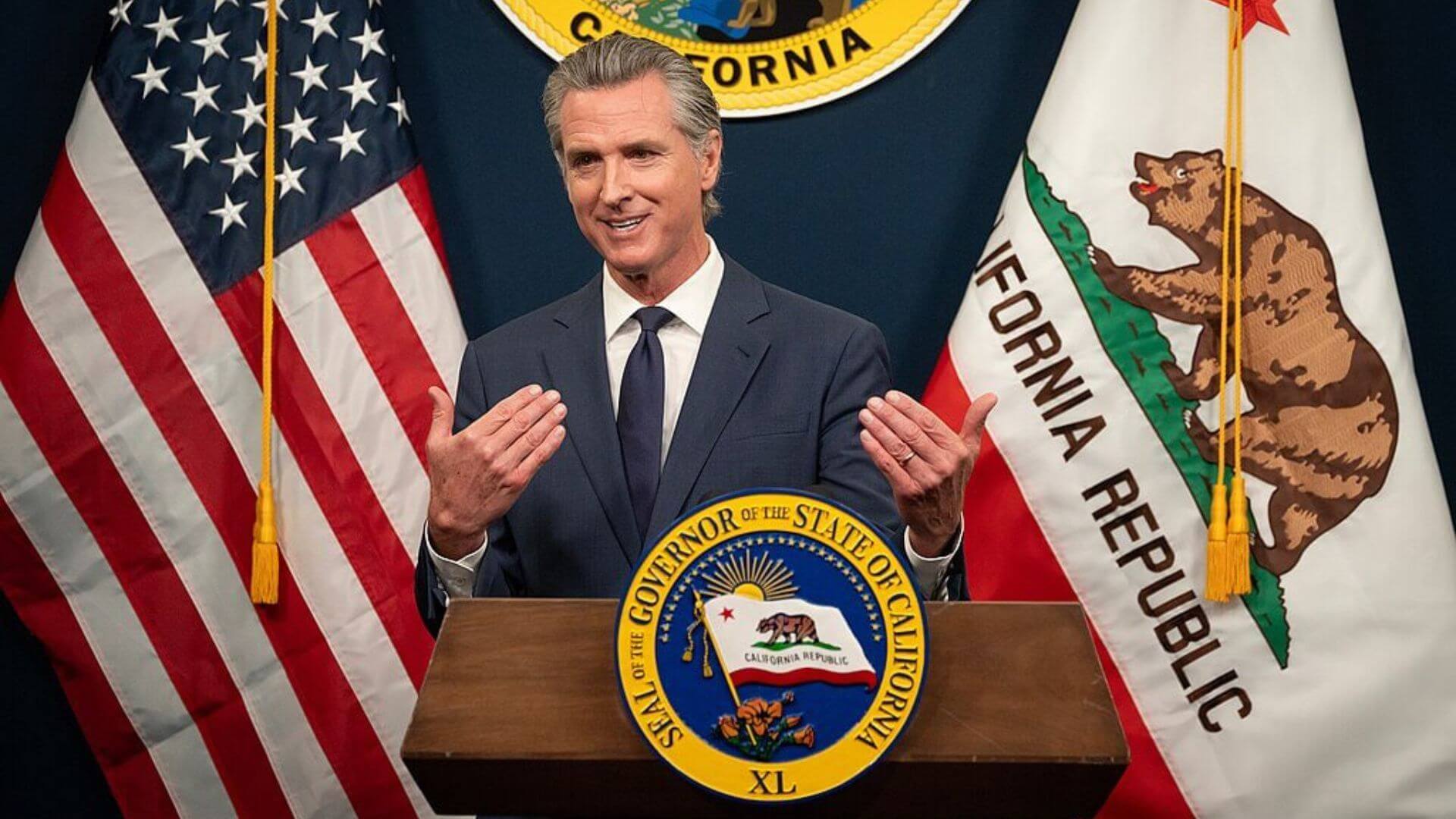
A retail comeback turned into a political exchange when Governor Gavin Newsom mocked Bed Bath & Beyond’s return, and Executive Chairman Marcus Lemonis responded with a pointed critique of California’s business climate. The back-and-forth not only highlighted clashing tones but also drew attention to why some retailers avoid the state despite its massive consumer base.
Newsom’s Sarcastic Swipe

Governor Newsom downplayed Bed Bath & Beyond’s relevance with a sharp retweet, joking that most Americans thought the brand “no longer existed.” His remarks implied skepticism about whether the retailer could succeed in a competitive retail landscape.
Lemonis’ Constructive Rebuttal

Rather than match Newsom’s sarcasm, Lemonis outlined in a counter retweet what he called four “pillars” of reform: streamlined regulations, balanced labor laws, litigation reform, and competitive taxes. He suggested that fixing these issues could make California more attractive for businesses like his.
Bed Bath & Beyond’s Comeback Plan
Lemonis reminded the public that the brand isn’t dead—it’s thriving online. Since acquiring the intellectual property in 2022, his team has grown bedbathandbeyond.com into a billion-dollar business. The plan now is to relaunch with 300 smaller, community-based stores, with the first wave outside California.
Why California Was Left Out

The absence of California locations was no accident. In a press release on Wednesday, Lemonis implied that the state’s regulatory and cost burdens played a decisive role. High real estate costs, complex labor laws, and taxes often make expansion riskier in California compared to other states.
California’s Longstanding Business Exodus

This isn’t the first time California’s business climate has come under fire. Companies like Tesla, Oracle, and Charles Schwab have relocated or expanded outside the state in recent years, citing similar concerns about taxes and regulation. Lemonis’s remarks tapped into that ongoing narrative.
The Stakes for Retailers

For retailers, especially those emerging from bankruptcy like Bed Bath & Beyond, keeping costs predictable is crucial. California’s large customer base is attractive, but operational expenses can erode margins. Lemonis’ decision reflects a broader industry calculus: growth markets with fewer barriers may come first.
Political Theater Meets Business Reality

The exchange between Newsom and Lemonis highlights a broader clash of priorities. For politicians, economic symbolism matters. For business leaders, the focus is on bottom-line sustainability. The friction between these perspectives often plays out publicly, as it did here.
Could Dialogue Lead to Change?

Lemonis closed his response by calling Newsom “a smart man” and suggesting collaboration instead of conflict. Whether or not that happens, the exchange underscores a key question: can California adapt its policies to keep and attract retailers, or will its regulatory environment continue to drive them elsewhere?
A Symbolic Exchange With Real Implications

What began as a sarcastic tweet turned into a microcosm of the larger debate about California’s economic model. Newsom’s jab spotlighted skepticism about a retailer’s revival, while Lemonis used the moment to challenge the state’s high-cost climate.
As Bed Bath & Beyond plots its comeback, the exchange leaves a larger question hanging—whether California can remain a retail destination or if businesses will keep looking beyond its borders.