

Products are selected by our editors, we may earn commission from links on this page.
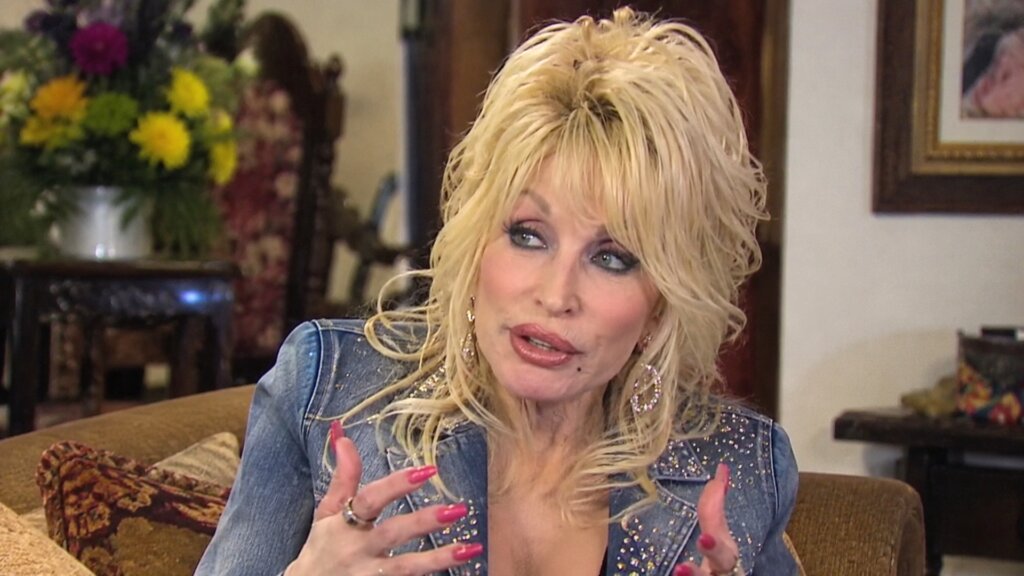
Four days before she died, Dolly Parton said something that barely made a headline. Asked about her health, she told a reporter she was dealing with issues she “just didn’t pay attention to when I was watching over Carl,” referring to the husband she nursed through a long illness before his death last year. The line slipped past almost everyone. It shouldn’t have.
Parton wasn’t describing a diagnosis. She was describing years of quietly ignoring her own body while devoting herself to someone else’s. It’s a pattern familiar to anyone who has stood in a hospital room instead of a doctor’s office, tending to a spouse or parent while their own symptoms pile up unexamined. Her death didn’t come out of nowhere. It came after a long, invisible stretch of exactly that.
This isn’t a rare story. Roughly 63 million Americans, nearly one in four adults, are currently serving as unpaid family caregivers, a 45% jump from a decade ago. Most are caring for a spouse, a parent, or a child with a serious illness or disability, often with no training and little acknowledgment that the work is happening at all.
This article was created with the assistance of AI and reviewed by our editorial team for accuracy and clarity.
The Research Has Warned Us About This for 25 Years
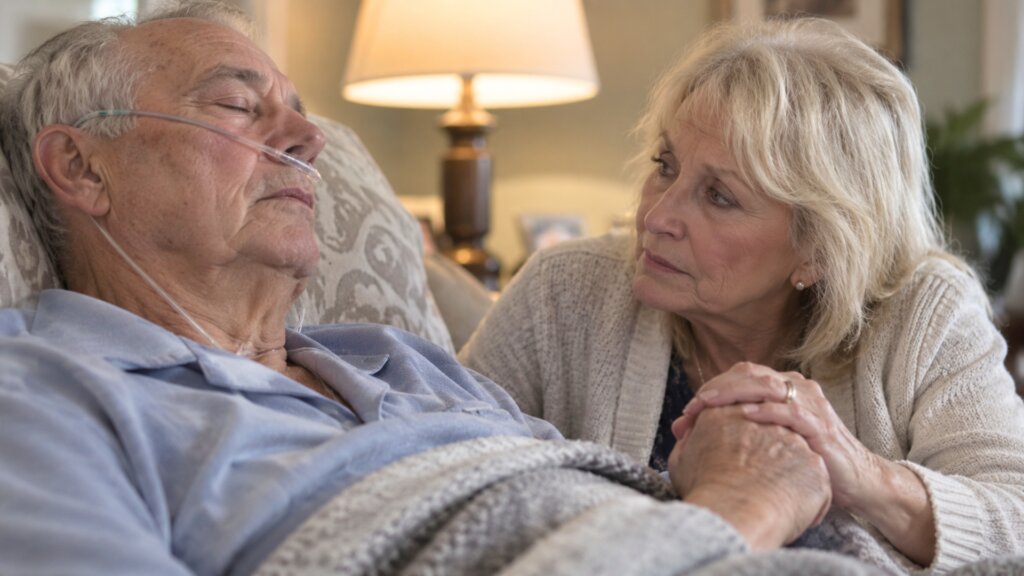
The danger Parton described has a name in medical literature, and it isn’t new. A landmark 1999 study published in JAMA followed elderly spousal caregivers and found that those who reported significant strain had a four-year mortality rate 63% higher than people whose spouses didn’t need caregiving. Caregiving itself, the study suggested, can function as a measurable risk factor for early death.
Later research mapped out why. Psychologist Janice Kiecolt-Glaser’s work found that an identical wound takes roughly nine days longer to heal in a caregiver than in someone without that burden. Caregivers’ immune cells also show faster telomere erosion, a cellular marker tied to accelerated aging. The stress isn’t abstract. It shows up in the body, measurably and consistently, across study after study.
Insurance data backs this up at scale. When the Blue Cross Blue Shield Association analyzed claims from 6.7 million members, caregivers showed 26% poorer overall health than a matched benchmark group, along with sharply higher rates of high blood pressure, major depression, and anxiety. Among caregivers raising kids while also managing a parent’s illness, the so-called sandwich generation, hypertension rates ran even higher.
The Healthcare System Doesn’t Even Ask the Question
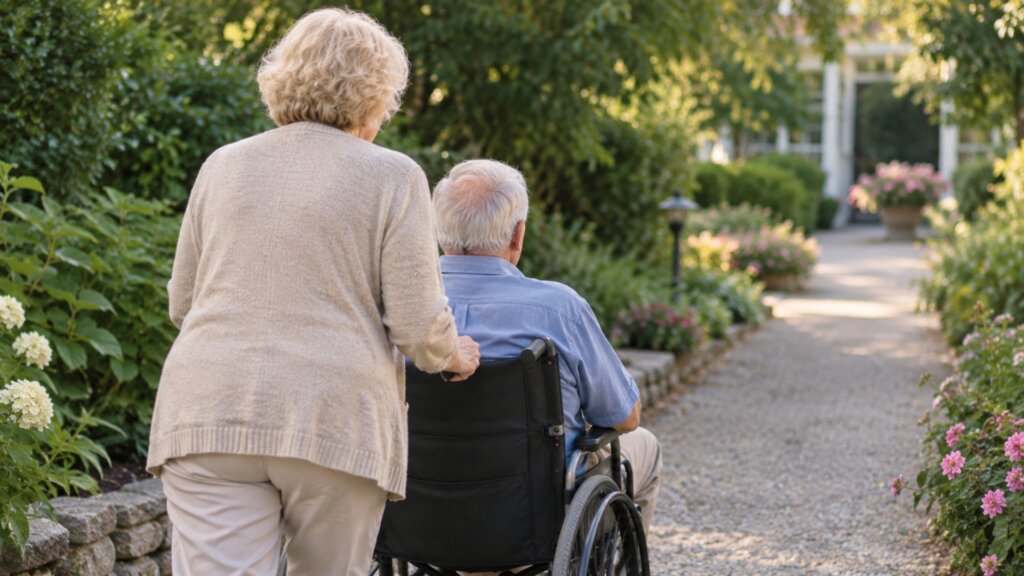
Here’s the part that should trouble people most: almost nobody in medicine is checking on the caregiver at all. Only 15% of caregivers say a healthcare provider has ever asked how they’re doing, even when they’re the one sitting in the exam room, filling out paperwork, and answering questions for someone else. The person absorbing the damage is often standing in plain sight of the very system meant to catch it.
Part of the problem is structural. High blood pressure gets screened, coded, and treated even though it often has no symptoms, purely because it reliably raises the odds of an early death. Caregiving meets that same bar: it drives up blood pressure, depression, and inflammation, and suppresses immune function. Yet there’s no comparable diagnostic code, and no reliable way for a provider to bill for addressing it.
The risk doesn’t end when the caregiving does, either. After a spouse dies, the surviving partner faces what researchers call the “widowhood effect,” a documented spike in mortality of more than 30% in the first three months alone. Grief and years of accumulated physical strain often arrive together. Parton’s own husband, Carl Dean, died in March 2025, not quite a year and a half before she did.
Small Actions Could Change How This Story Usually Ends
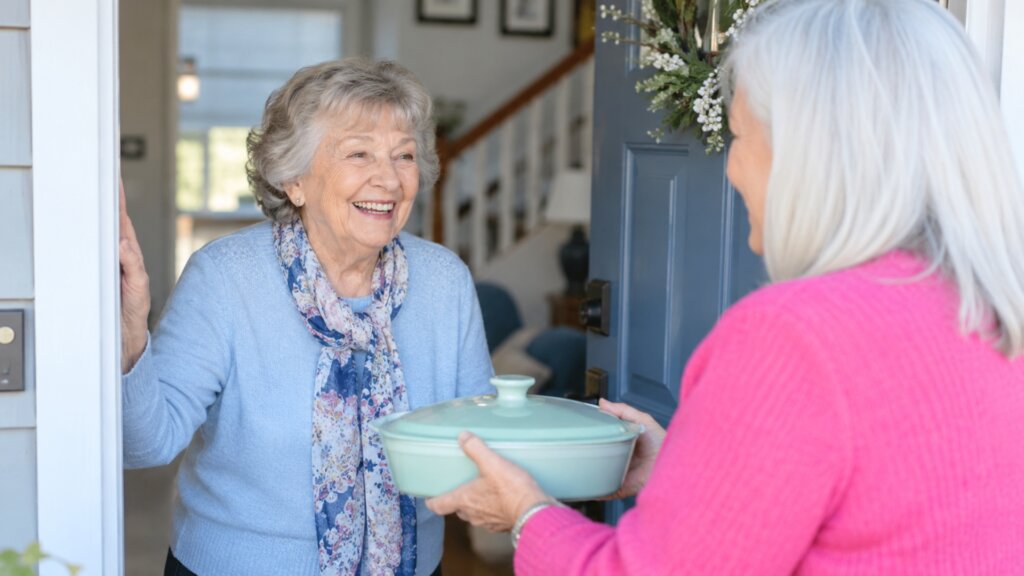
Simple shifts in how people support caregivers around them could matter more than most realize. Skip the open-ended “let me know if you need anything,” since an exhausted caregiver rarely has the bandwidth to answer it. Naming a specific day and a four-hour window, then actually showing up with food or a few hours of relief care, gives someone room to see a doctor, take a walk, or simply rest.
For caregivers themselves, treating their own medical appointments as non-negotiable matters just as much. Booking a personal checkup alongside a loved one’s appointment, and telling at least one member of that care team, “I’m the caregiver, please check on me too,” puts something on record that the system currently has no way of tracking on its own.
None of this requires a medical breakthrough. It requires treating caregiving the way medicine already treats other silent risk factors: screened for, tracked, and supported before it becomes an emergency. Unpaid family caregivers deliver over a trillion dollars in care every year in this country. Dolly Parton spent her life giving to others. The clearest way to honor what she said in her final days is to stop letting the people doing that same work go unseen.