

Products are selected by our editors, we may earn commission from links on this page.
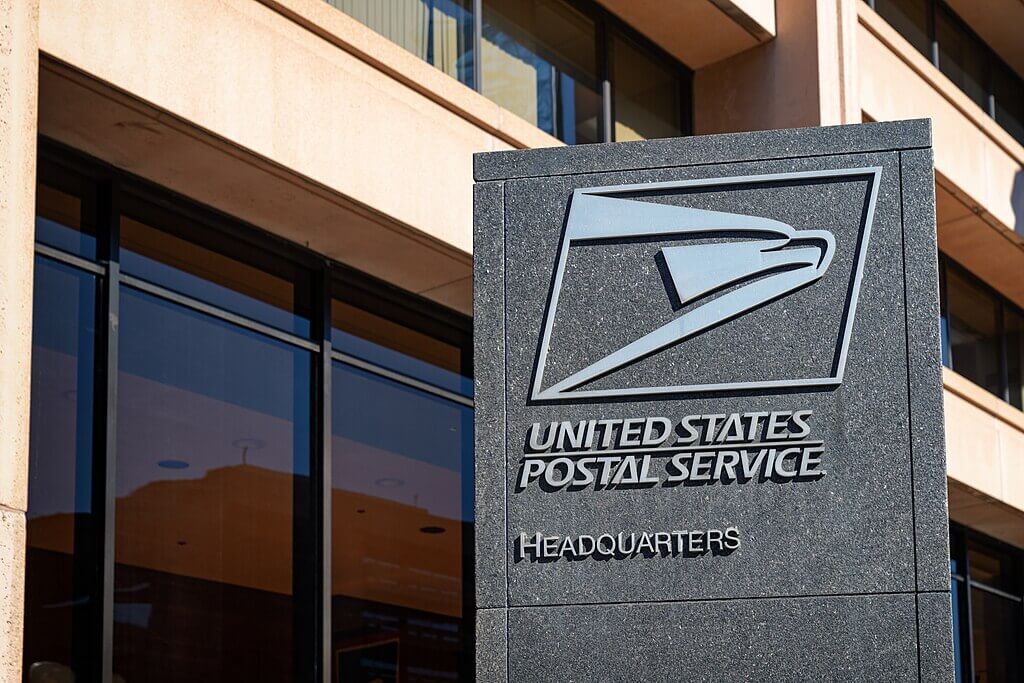
Mail theft in Colorado has evolved from an occasional nuisance into a prolonged public security concern. Despite repeated assurances from federal officials, residents across the Denver metro area continue to report stolen checks, credit cards, ballots, and prescription medications.
For years, postal authorities have acknowledged the problem and pledged corrective action, including upgrades to mailbox locking systems. Yet for many communities, those promises remain abstract, overshadowed by daily experiences of missing mail and compromised privacy.
The gap between institutional assurances and lived reality has eroded confidence in the reliability of a system designed to be universal and secure.
How Master Keys Became a Systemic Vulnerability

At the center of the issue is the widespread misuse of master keys used to open cluster mailboxes. Court records and community investigations indicate that a single type of key has been exploited across multiple states, enabling coordinated theft along major transit corridors.
These keys allow thieves to access dozens of mailboxes at once, turning neighborhood kiosks into high yield targets. The lack of variation in locking mechanisms has made entire regions vulnerable rather than isolated streets or buildings.
While investigators understand where and how these thefts occur, replacing locks across thousands of mailboxes has proven costly and slow, leaving communities exposed in the interim.
Communities Caught Between Responsibility and Powerlessness

Homeowners associations and neighborhood groups often bear legal responsibility for securing mailbox structures, yet they have no authority over the locks themselves, which remain federal property. This division of responsibility has left local leaders with limited options and growing frustration.
Residents describe altering daily routines to retrieve mail immediately upon delivery or abandoning home delivery altogether in favor of post office boxes. Even these workarounds can introduce new complications, including disrupted service and administrative errors.
In response, some communities have turned to grassroots reporting systems, encouraging residents to document every incident in hopes that volume will force institutional action.
Security Promises, Political Pressure, and an Uncertain Timeline

The U.S. Postal Service maintains that nationwide security upgrades are underway, including high security mailboxes and experimental electronic key systems. However, specific timelines, locations, and benchmarks remain undisclosed, citing security concerns.
This lack of transparency has fueled skepticism, particularly as mail theft continues alongside more serious incidents such as the robbery of a mail carrier and the theft of postal property.
For many Colorado residents, the issue is no longer about convenience but about systemic integrity. Until structural vulnerabilities are resolved, mail theft remains not just a crime of opportunity, but a symbol of a system struggling to keep pace with the threats it now faces.