

Products are selected by our editors, we may earn commission from links on this page.
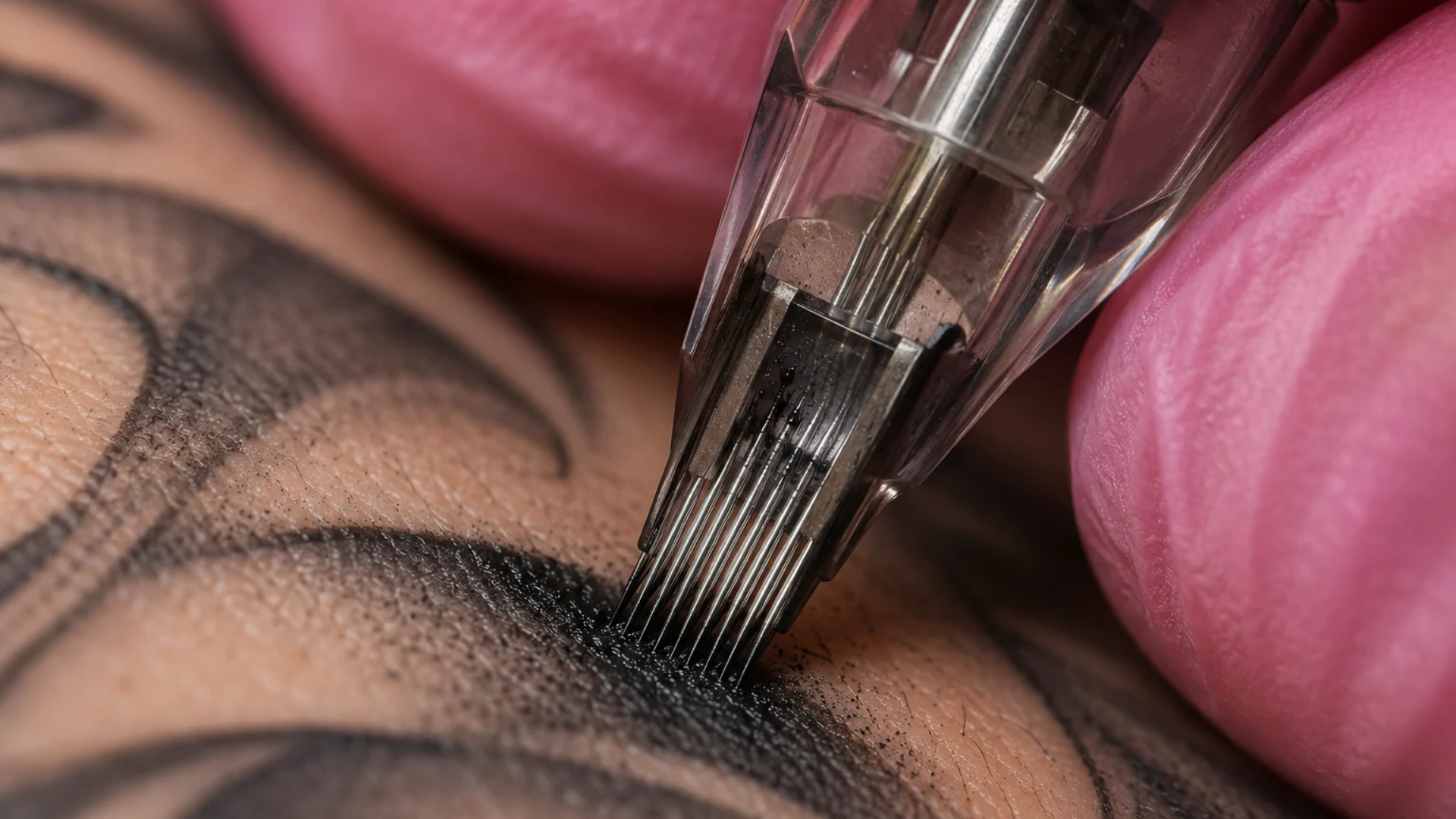
A tattoo heals in a few weeks, but the ink stays, and that’s by design. Tattoo pigments are particles that don’t readily dissolve in body fluids, which is why a design can last for decades. They sit in the dermis, the middle layer of skin, where macrophages, immune cells that engulf foreign material, take them up. The ink tends to outlast the cells that grab it.
Medical microbiologist Manal Mohammed of the University of Westminster wrote in a December 2025 article for The Conversation that tattoos amount to “lifelong chemical exposure.” Some of that ink doesn’t stay in the skin, and the lymph nodes show it.
This article was created with the assistance of AI and reviewed by our editorial team for accuracy and clarity.
Some tattoo ink drains into your lymph nodes and builds up
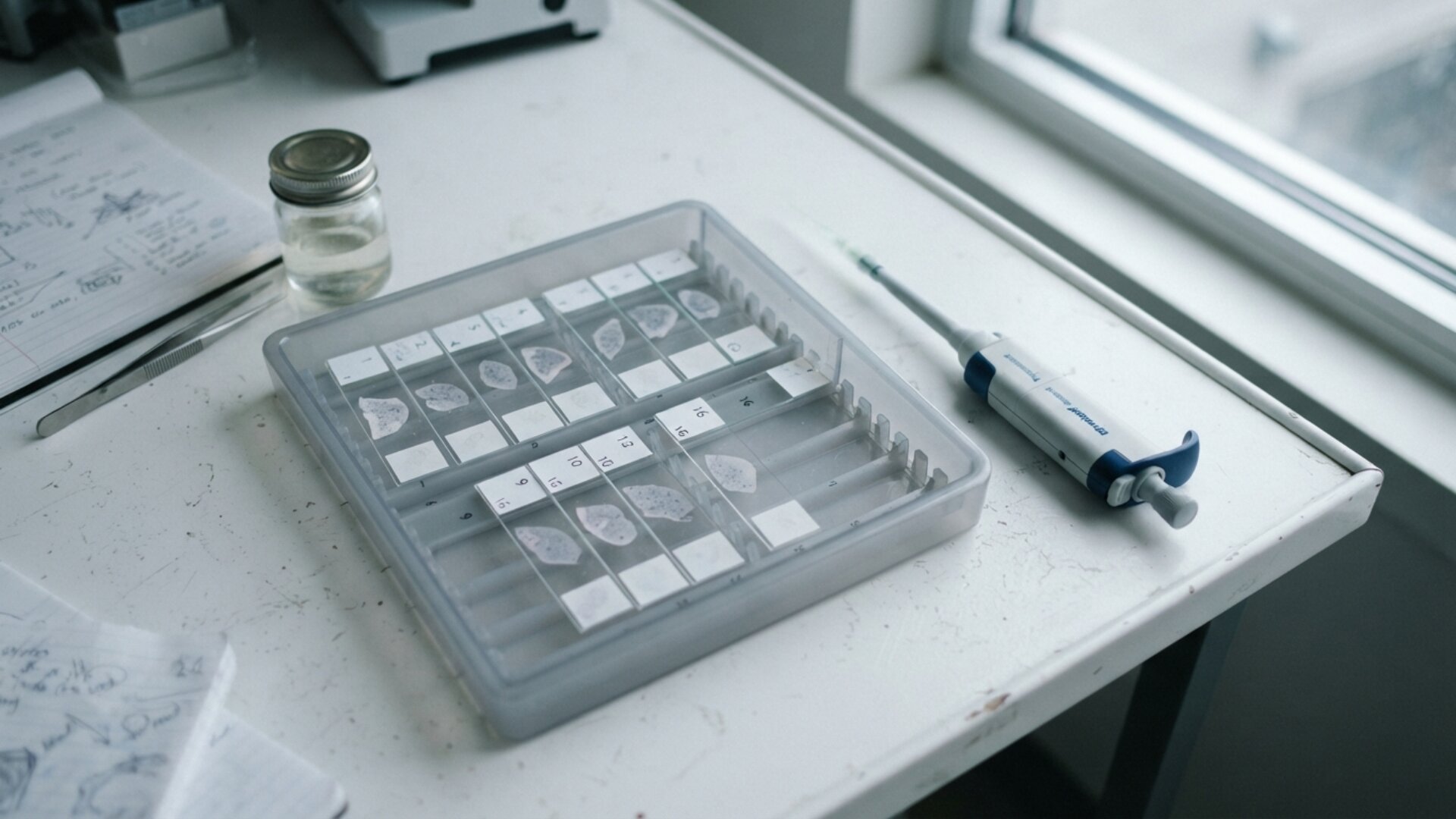
Researchers know tattoo ink travels because lymph nodes near a tattoo can take on its color. Those nodes are filters along the route lymph fluid takes through the body, packed with white blood cells that catch debris, bacteria and viruses. Scientists at Germany’s Federal Institute for Risk Assessment reported that nano-sized pigments from tattoo ink can accumulate in lymph nodes permanently.
A 2025 study in PNAS followed ink in mice. It drained into the nodes quickly and persisted for months, and ink-loaded macrophages often died, which the authors suggest could weaken a node’s defenses against pathogens. Mouse results don’t automatically carry over to people. A rapper says he got sick once his tattoo reached his armpits.
MGK says the tattoo session near his armpits left him sick

In a 2026 interview with Billboard Canada, the rapper MGK described getting a blackout tattoo, solid black ink across his arms and torso, in about two months. He went to artist ROXX’s Los Angeles studio every day. After the first week, he said, the work reached the area around his armpits and shoulders, and he got “really sick.” He said his skin was turning yellow, he couldn’t sleep, and he stopped being able to move parts of his upper body.
That’s his own account, not a medical finding, and nothing in it shows the ink was the cause. Some of the pigments in tattoo ink started out in factories.
Tattoo inks borrow pigments from paint, plastics and toner

Mohammed wrote that many pigments in use today were originally developed for industrial jobs such as car paint, plastics and printer toner. Ink is a blend: pigments for color, a liquid carrier that spreads them, preservatives to stop microbes growing, and small amounts of impurities. Carbon black is the main pigment in black tattoos.
The bottle doesn’t always tell the full story. One research team’s chemical analysis, described in The Conversation, found ingredients that weren’t on the label, and a December 2025 Conversation report described lead, arsenic and other toxic metals in inks sold in Australia, where no rules cover what’s in the ink. Which color you choose changes the odds of a reaction.
Red, yellow and orange inks are flagged most for reactions

Mohammed wrote that colored inks, red, yellow and orange especially, show up more often in allergic reactions and chronic inflammation. Red is the one she singles out for itching that won’t go away, swelling and granulomas, small lumps where immune cells wall off material.
Azo pigments, synthetic dyes also used in textiles and plastics, are one suspect. Chemist Yolanda Hedberg of Western University, who worked on a 2021 study of tattoo inks, has said that azo dyes in some red inks raise the odds of allergic reactions, and that some azo dyes can damage DNA and cause cancer. One man’s reaction to red ink in 2020 went far beyond itching.
A red tattoo triggered rare, severe reactions in a Polish man

A 36-year-old man in Poland got a multicolored tattoo that included red ink in 2020. About four months later a reaction began that cost him all his hair and swelled his lymph nodes. He lost the ability to sweat, and in 2022 he developed vitiligo, patches of skin that lose their color.
Patch tests confirmed he was sensitized to the red ink. His doctors couldn’t analyze it, since he had no sample or packaging. They suspect an existing autoimmune condition had primed his immune system. Hair regrowth and a halt to the vitiligo came only after the red ink was removed and he took immunosuppressive drugs. Sweating didn’t return. Cancer is a separate question, and a Swedish study put a number on it.
A Swedish study found a 29 percent higher melanoma risk

Tattooed people had a 29 percent higher risk of cutaneous melanoma, a skin cancer that starts in pigment-producing cells, in a Lund University study published November 24, 2025 in the European Journal of Epidemiology.
The team used Sweden’s cancer register to find 2,880 people diagnosed with melanoma between ages 20 and 60, then matched each with three people of the same sex and age who hadn’t had it. The raw numbers were close, with 22 percent of the melanoma patients tattooed versus 20 percent of the comparison group. The 29 percent figure came after adjusting for lifestyle factors that could distort the comparison. Bigger tattoos did not mean bigger risk, which complicates the headline number.
Why the melanoma number doesn’t prove tattoos cause cancer

People with larger tattooed areas didn’t have higher melanoma risk, and their estimates were actually lower than for people with small tattoos. If ink itself drove the risk, more ink would be expected to raise it. The design also compares people who already have melanoma with people who don’t, so it can show a pattern but can’t prove cause.
Among tattooed people, those with heavy UV exposure didn’t have higher risk than those with less, though the authors say studies in sunnier regions are needed. A Utah study posted as a preprint in March 2025, before peer review, found lower invasive melanoma risk among people first tattooed before age 20. A different risk starts the moment the needle breaks the skin.
The needle itself also carries an infection risk
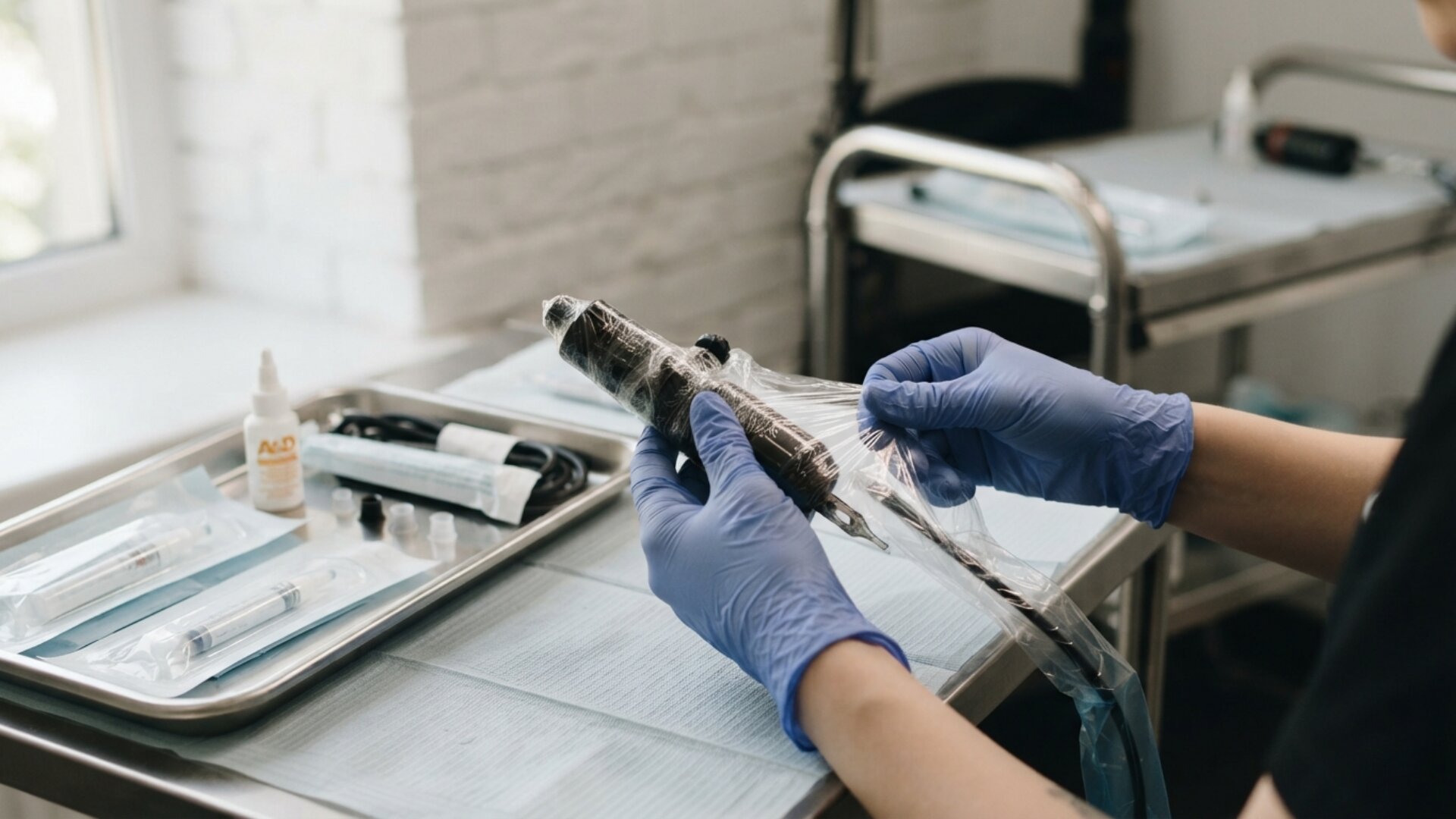
Tattooing breaks the skin barrier on purpose, and that barrier is one of the body’s main defenses against infection. Bacteria such as Staphylococcus aureus, a common skin germ, can get in, and so can viruses like hepatitis B and C when equipment or ink isn’t clean. Ink includes preservatives to prevent microbial growth, as Mohammed noted.
Mohammed also wrote that people with autoimmune conditions or weakened immune systems may face additional concerns from tattoos. How much protection the rules give you depends on where you live.
Ink rules vary by country, and labels can leave things out
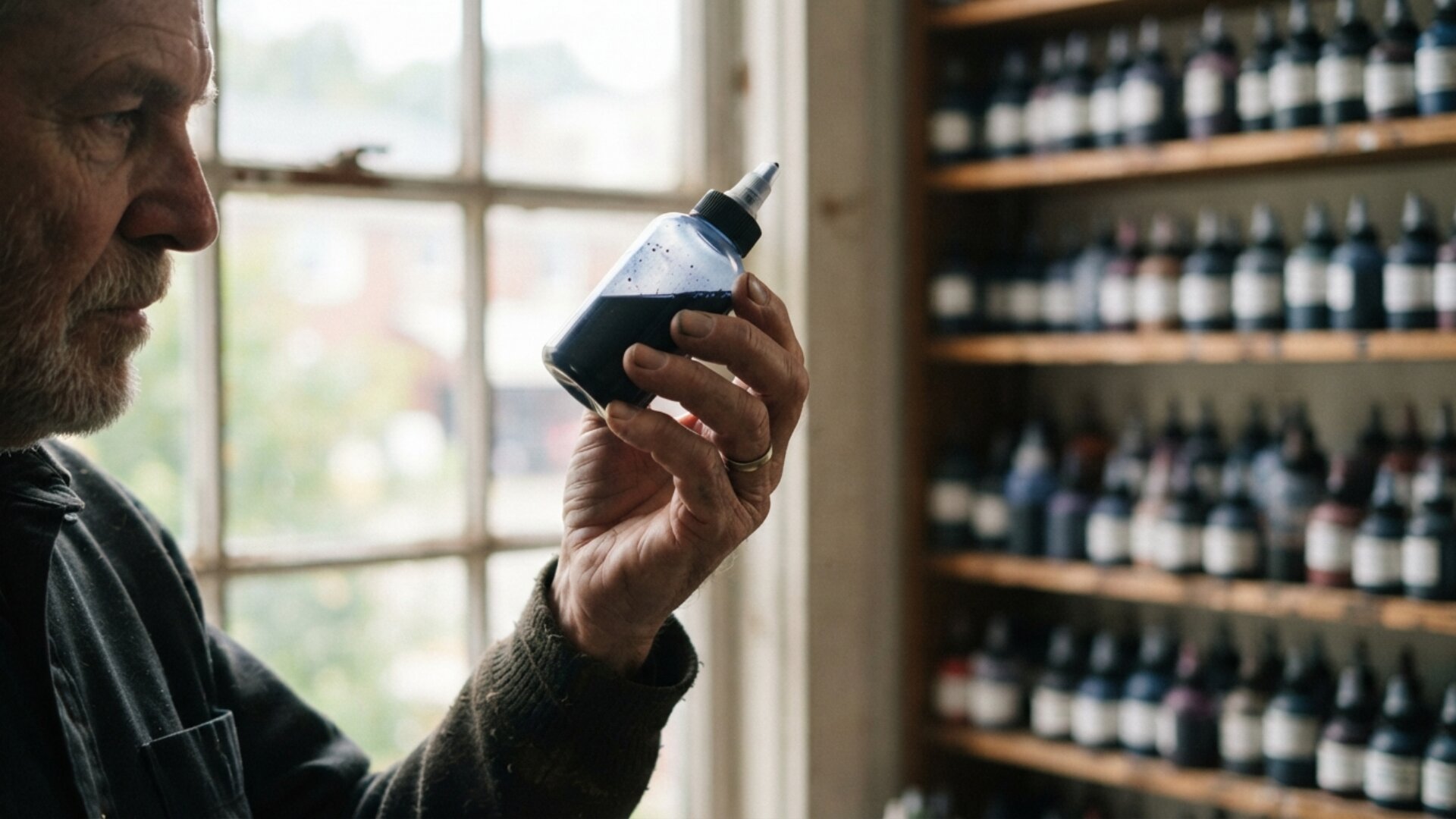
The European Union introduced rules on tattoo ink composition in 2022 to restrict dangerous chemicals. As of December 2025, Australia had no rules on what goes into the ink, according to The Conversation. Mohammed argues the case for better regulation, transparency and sustained research is becoming hard to ignore.
Labels can’t fully fill the gap, since analysis has found ingredients missing from them, and the Polish man’s doctors couldn’t test his ink without a sample or packaging. Before a session, ask the artist which ink brand and batch they use, and write it down.