


Products are selected by our editors, we may earn commission from links on this page.
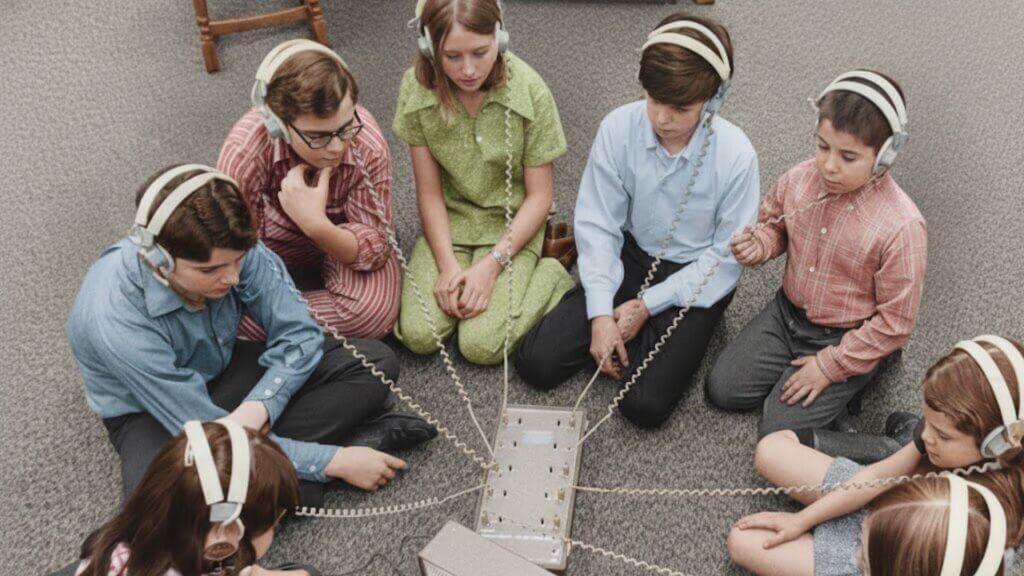
Before smartphones became an extension of the human hand, teenagers navigated the world through a completely different set of skills. The 1970s generation mastered abilities born from necessity, developing competencies that shaped their independence and problem-solving capabilities. Today’s digital natives would find these tasks baffling, if not impossible, to execute without technological assistance.
Balancing a Checkbook by Hand

Even teenagers with part-time jobs tracked every dollar manually. They maintained check registers, writing down each purchase and withdrawal, then calculating running balances by hand. This practice taught genuine financial responsibility that apps can’t replicate. Mistakes meant bounced checks and fees, making accuracy essential. According to research, this hands-on tracking created spending awareness that modern banking doesn’t provide.
Fixing Household Items Instead of Tossing Them
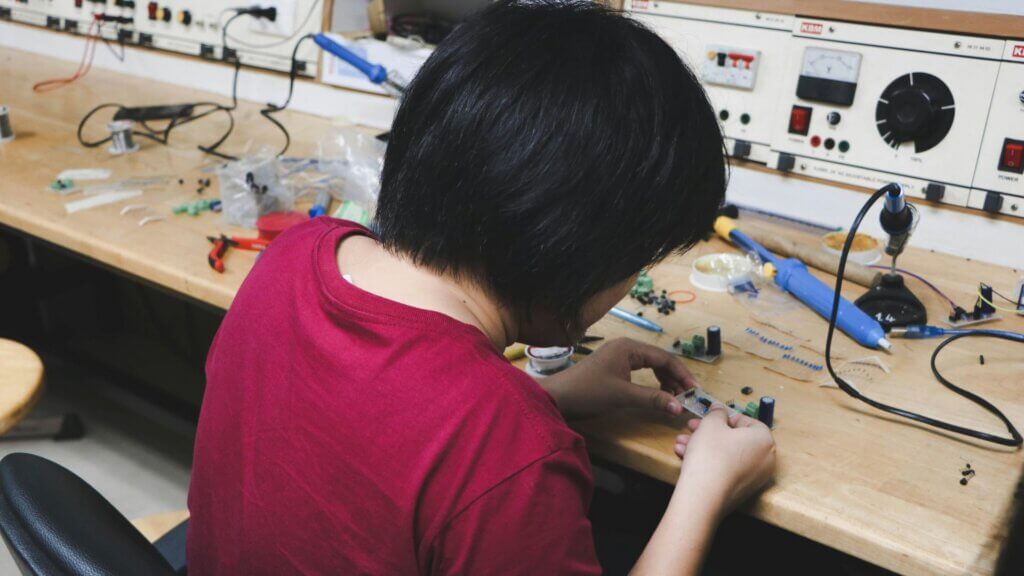
When radios or toasters broke, teens grabbed screwdrivers and investigated. They troubleshot problems, opened devices, and attempted fixes before considering replacement. This mindset saved money and taught persistence. Families valued possessions and maintained them carefully, creating less waste. Today’s culture prioritizes convenience and disposability, with most devices designed to resist repair entirely.
Using a Pay Phone

Making calls required pocketfuls of coins and locating public phones. Teens arranged meetups days ahead, with no ability to text updates or change plans spontaneously. The commitment to social arrangements was absolute. Standing on street corners waiting for friends who might never appear was a standard experience. This forced reliability and punctuality that instant communication has largely eliminated.
Recording TV Shows on a VCR

Watching shows later required programming VCRs with exact start and end times. Teens became household tech support, setting up recordings for family members and managing disappointment when something failed. Missing favorite shows meant waiting months for reruns instead of next-day streaming. This scarcity made television watching more intentional and appointment-based than today’s on-demand entertainment culture.
Changing a Flat Tire

Cars were mechanically simpler, and teens learned essential maintenance. Changing flat tires, checking oil, topping fluids, and jump-starting batteries were expected knowledge. Parents taught these skills because roadside breakdowns were common, and smartphones didn’t exist for emergency calls. This competence gave teenagers confidence and independence. Modern computerized vehicles rarely require such hands-on intervention from drivers.
Dialing a Rotary Phone

Patience accompanied every call. Each number required finger-in-hole rotation until hitting the stop, then waiting for the dial’s return. Messing up one digit meant hanging up and restarting completely. Teenagers memorized dozens of numbers without contact lists. Busy signals were frequent, requiring repeated attempts. The effort invested made conversations feel genuinely important and intentional.
Memorizing Everyone’s Phone Number

Every teenager stored dozens of phone numbers in actual memory. Best friends’ numbers, crushes’ numbers, and important family contacts were mentally retained without digital contact lists. This mental exercise created memory skills that smartphone-dependent teens struggle to develop. Recalling numbers was automatic and essential for maintaining social connections. Today’s generation rarely knows even their own phone number by heart.
Sewing Their Own Clothes

Discarding clothes for minor damage wasn’t economically feasible. Teens learned basic sewing from parents or home economics classes, regularly patching holes and replacing buttons. Many got creative, turning repairs into personal style statements with embroidered patches and colorful stitching. Clothes lasted longer through proper care. Today’s fast fashion culture has completely eliminated these practical repair skills.
Reading a Map (Without GPS)

Folding massive paper maps was its own art form. Teens traced routes with fingers, understanding compass directions and highway numbers without voice guidance. They estimated travel times based on distance calculations. Getting lost was surprisingly uncommon because they paid attention to landmarks and street signs. GPS has completely replaced this spatial awareness and navigational problem-solving ability.
Finding Books in a Card Catalog

Finding books meant flipping through tiny drawers filled with index cards. Each card listed titles, authors, and Dewey Decimal numbers indicating shelf locations. Teens navigated this system expertly, moving from catalog to shelf without digital assistance. Research required real detective work, thinking critically about subject cross-references. Libraries felt like treasure hunts. Online catalogs have eliminated this satisfying discovery process entirely.
Driving a Manual

Automatic transmissions were less common, so most teens learned manual. Mastering clutch coordination, gear shifting timing, and simultaneous hand-foot movements challenged beginners initially. But once learned, driving stick became instinctive, making them versatile with any vehicle. Parents taught kids in empty parking lots through stalls and jerky starts. Today’s predominantly automatic cars make this coordination skill nearly obsolete.
Writing Letters by Hand

Staying connected with distant friends required paper, pens, and thoughtful composition. Teens crafted letters sharing stories and feelings, then waited days or weeks for replies. Handwriting revealed personality through neat script or quick scribbles with doodles. Receiving physically written letters felt deeply personal. Texting and instant messaging provide speed but eliminate the anticipation and tangible connection.
Taking Photos Without Previewing Them

Photography was expensive gambling. Teens shot entire film rolls without knowing if the pictures turned out well. After paying for development, they often discovered half were blurry, overexposed, or thumb-obstructed. This uncertainty made each shot count and created genuine surprise when retrieving prints. Digital photography’s instant preview and unlimited retakes have eliminated this anticipation and careful consideration.
Waiting Hours to Record a Song

Hearing a song meant you couldn’t download it instantly. Teenagers sat by radios for hours, fingers hovering over record buttons to capture favorite songs on cassette. This patience extended to albums, requiring weeks of saved allowance for single vinyl records. Each purchase was significant. Today’s streaming services provide instant access, eliminating the anticipation and value placed on individual songs.
Making a Mixtape
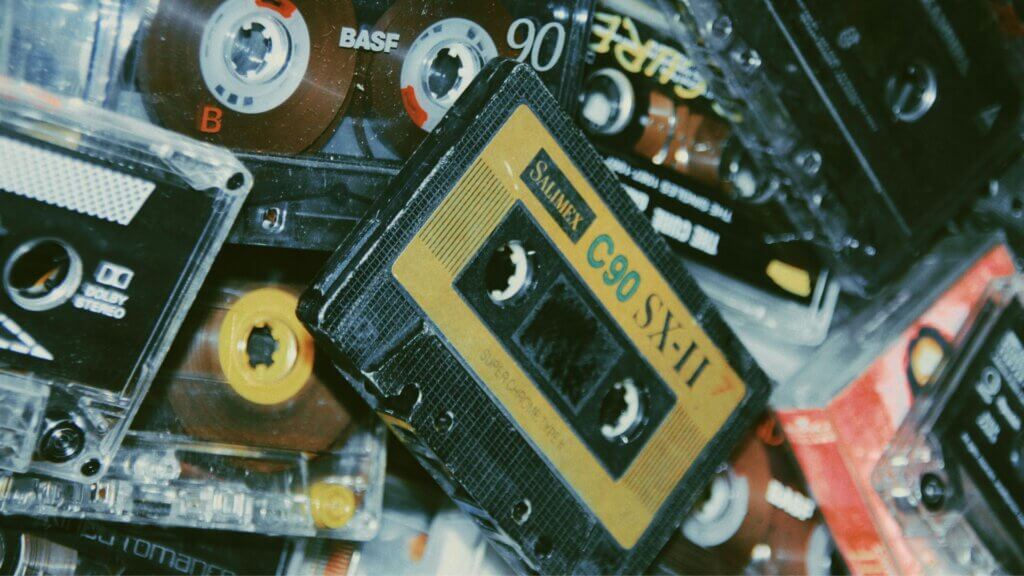
Creating perfect mixtapes for crushes or friends consumed entire weekends. Teens carefully selected songs, recorded them in precise order, and decorated cassette covers with handwritten titles and artwork. Each mixtape represented hours of work and personal expression. Today’s playlist-makers accomplish the same in minutes. The effort and thoughtfulness behind mixtape creation made them genuinely meaningful gifts.
Researching Without the Internet

School projects meant library trips and hours flipping through encyclopedias. Teens manually took notes on index cards and created hand-written bibliographies. A research paper could require weeks of physical effort that Google-savvy teens accomplish in afternoons. This process developed patience and information literacy. The manual research method instilled persistence and deeper subject understanding through necessary repetition.
Handling Conflict Face-to-Face

Problems demanded in-person resolution. No screens existed to hide behind, no carefully edited responses, no ghosting to avoid discomfort. If conflicts arose with friends, teens talked directly, requiring courage and honesty. These interactions taught real-time conflict resolution and empathy. Body language reading and emotion management developed naturally. Today’s generation often handles disagreements through texts, avoiding difficult conversations entirely.
Cooking From Scratch

Microwaves were new technology, and takeout wasn’t everyday accessible. Teens learned cooking real food like macaroni, spaghetti, and casseroles without needing recipe videos. They understood measurements, timing, and flavor adjustments through kitchen practice. Cooking was practical life knowledge passed down through families. Today’s generation often relies on pre-packaged meals and delivery apps instead of foundational cooking skills.
A Different Kind of Smart
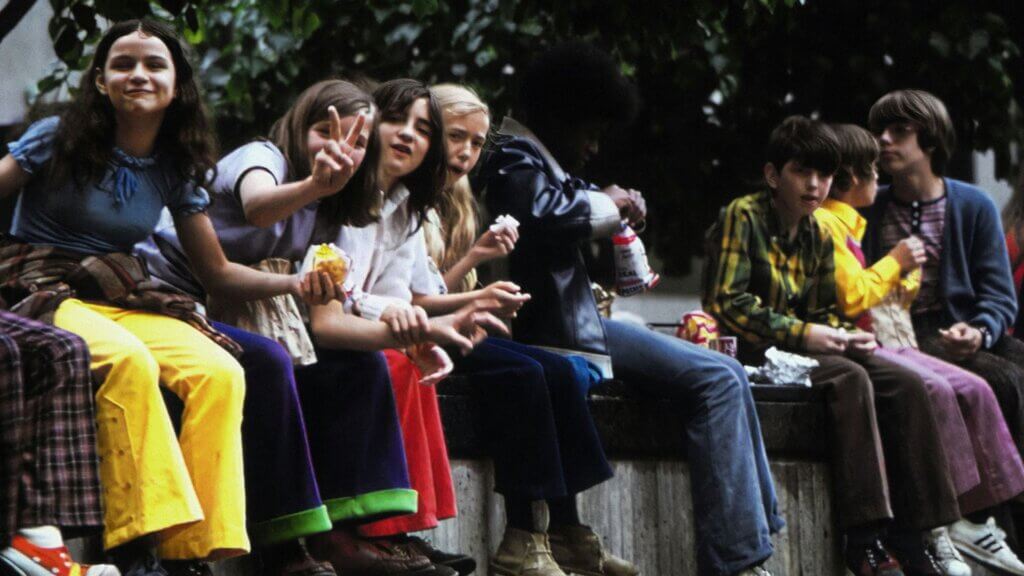
70s teens developed patience, resourcefulness, and genuine self-reliance through daily necessity. While today’s technology offers incredible convenience, something valuable was lost in the trade. Modern kids are smart in different ways, but they’ll never know the satisfaction of mastering these analog challenges that once defined teenage independence.