

Products are selected by our editors, we may earn commission from links on this page.
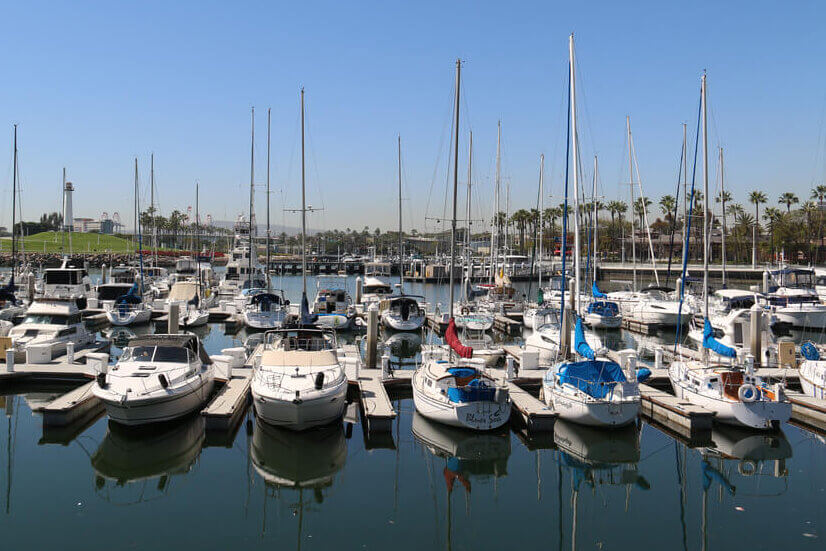
For many Americans, summer means long days on the water, whether that involves fishing before sunrise, cruising with family, or spending weekends at the lake. This year, however, boaters across the country are finding that one of their favorite seasonal traditions comes with a significantly higher price tag.
Fuel prices have surged alongside broader energy market disruptions tied to the conflict involving Iran and ongoing concerns about global oil supplies. Reuters reported that U.S. gasoline prices have climbed more than 45% since late February, with analysts warning that supply pressures could keep prices elevated throughout the summer. The national average has hovered above $4.50 per gallon, while some forecasts suggest prices could exceed $5 per gallon if global supply disruptions persist.
For boat owners, the impact is often magnified. Unlike cars, many boats require premium fuel and consume it at a much faster rate, particularly larger recreational vessels. At marinas across the country, dockside fuel prices have climbed well above roadside rates, creating a new reality for families preparing for boating season.
The result is a growing divide between those willing to absorb the extra cost and those beginning to rethink how often they head out on the water.
From Minnesota to North Carolina, Costs Are Climbing
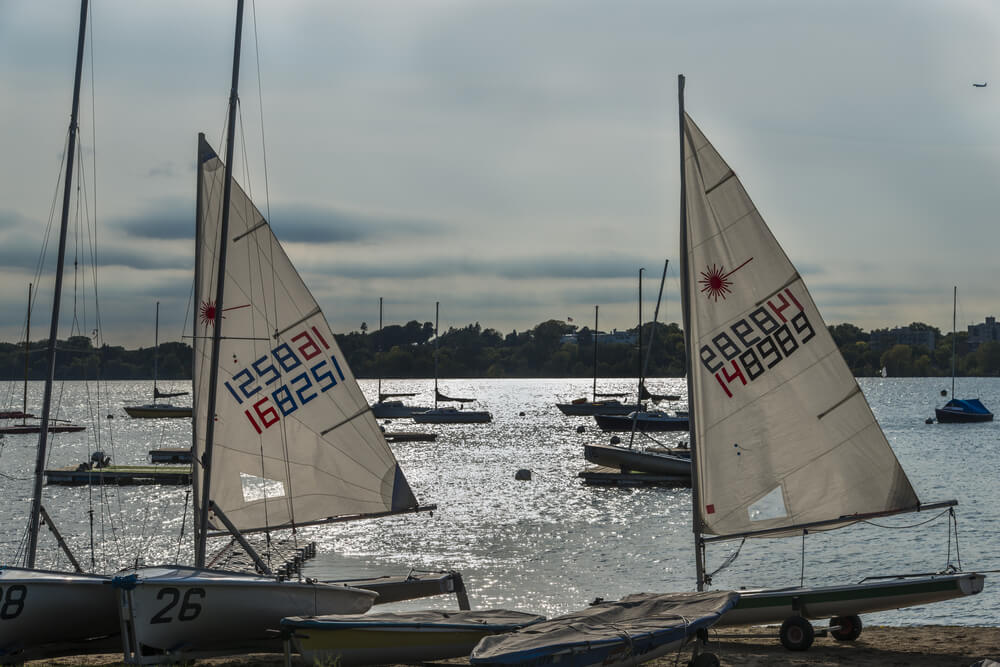
Some of the sharpest examples are emerging at marinas where fuel prices are approaching levels that would have seemed unthinkable only a few years ago.
At Tonka Bay Marina in Minnesota, operations manager Nick Mensen told CBS Minnesota that fuel had reached $6.75 per gallon heading into Memorial Day weekend. Marina operators have responded by using multiple suppliers and closely monitoring market conditions in an effort to secure the best available prices.
In North Carolina, boater Odell Pendly told ABC11 that a full day on the water now costs him roughly $150. To compensate, he said he has reduced how often he goes boating and tries to launch closer to his preferred fishing locations to conserve fuel. At Rollingview Marina on Falls Lake, fuel was selling for $5.19 per gallon, while nearby stations were approaching $6.
The financial burden extends beyond casual recreation. Tournament anglers, frequent fishermen, and owners of larger boats often face fuel expenses that can rival major household bills. Oklahoma angler Hunter Baird told KSNF that what once cost around $100 to fuel both a truck and boat can now approach $200, making participation in competitive fishing increasingly difficult for some enthusiasts.
The combination of fuel costs, insurance premiums, maintenance expenses, and inflation has led many boaters to scrutinize spending in ways they have not had to in previous seasons.
Boaters Are Adapting Rather Than Staying Home
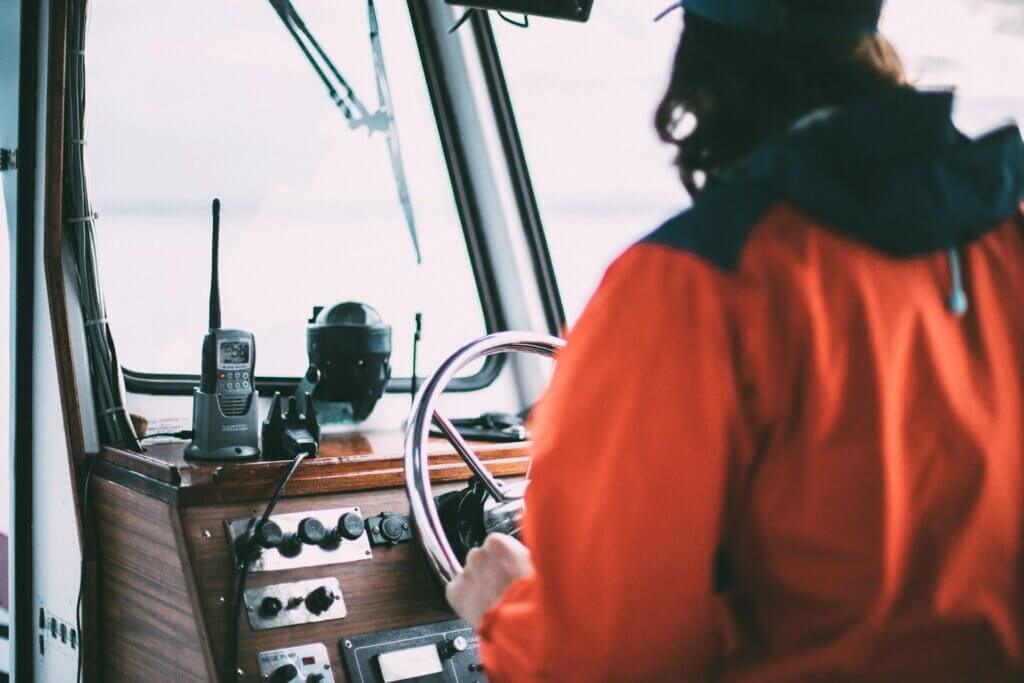
Despite the rising costs, evidence from across the country suggests that most boaters are not abandoning the water. Instead, they are adjusting their habits.
Industry observers note that recreational boating has historically proven resilient during periods of higher fuel prices. A recent analysis comparing boating trends to the automotive sector found that consumers typically adapt by taking shorter trips, reducing cruising speeds, postponing upgrades, or choosing smaller and more fuel-efficient vessels rather than leaving the activity altogether.
That pattern is already emerging at marinas. Operators in North Carolina report growing interest in boat clubs and rental programs that allow customers to enjoy boating without the expense of ownership. Elsewhere, some boaters are shopping around for cheaper fuel, launching closer to destinations, or consolidating outings to reduce costs.
In Michigan, boaters told WNEM that higher fuel prices were anticipated and incorporated into their budgets before the season began. Others pointed out that weather, not fuel costs, had been the bigger obstacle so far. One boater said Michigan’s short boating season means every opportunity on the water remains valuable despite the increased expense.
The adjustments mirror broader travel behavior nationwide. Reuters reported that Americans are still planning record levels of summer travel, but many are shortening trips, staying closer to home, or looking for ways to reduce fuel consumption.
Why Many Say the Cost Is Still Worth It
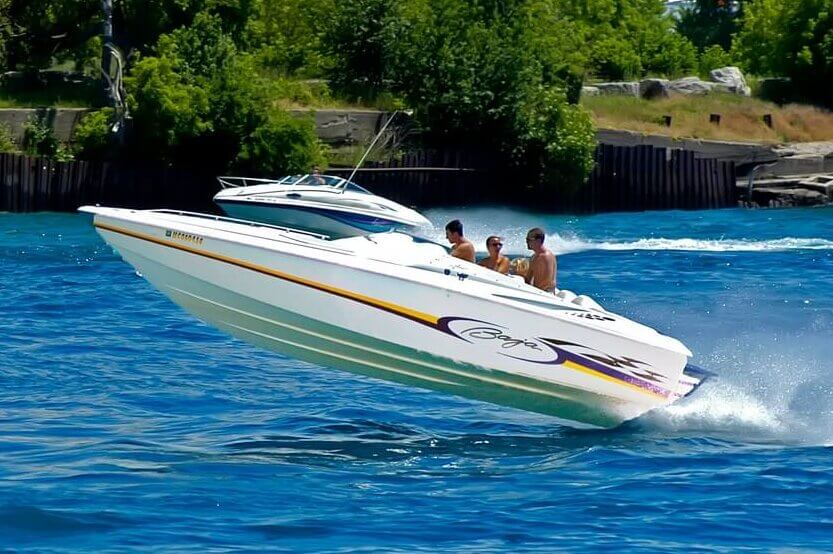
While fuel prices dominate conversations at marinas and boat ramps, many boaters continue to view the expense through a different lens. For them, boating is not simply another discretionary purchase but a lifestyle, tradition, and source of social connection.
Pennsylvania boater Leroy Mosteller told FOX43 that even if fuel reached $10 per gallon, he would find a way to keep boating. After more than four decades on the Susquehanna River, he described the experience as “money well spent” because of the recreation and friendships it provides.
Similar sentiments emerged in Oklahoma, where marina manager Tisha Schoch said most customers remain focused on enjoying time with family and friends rather than obsessing over fuel costs. While some may compare prices between marinas, she said many boaters still prioritize the experience itself.
That perspective helps explain why industry leaders remain cautiously optimistic despite economic pressures. The National Marine Manufacturers Association has reported slowing new boat sales, particularly among entry-level buyers, but notes that participation levels, boat club memberships, and shared ownership programs have remained relatively stable.
For many Americans, boating season is measured in memories rather than gallons. Yet as dockside fuel prices edge toward $7 in some parts of the country, this summer is also becoming a test of how much consumers are willing to pay to preserve those traditions. The early signs suggest most are not giving up the water but are simply finding new ways to stay afloat.