

Products are selected by our editors, we may earn commission from links on this page.
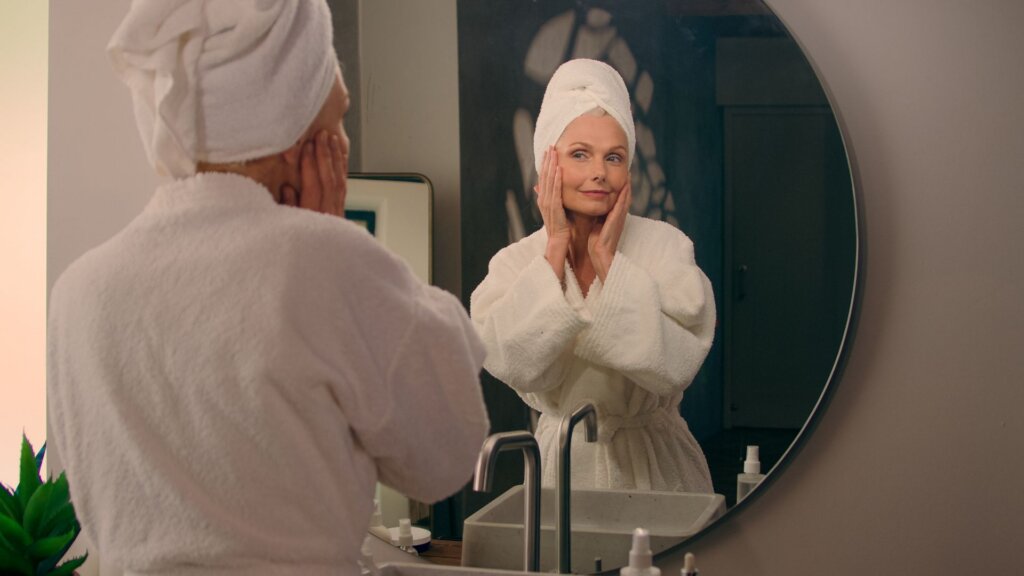
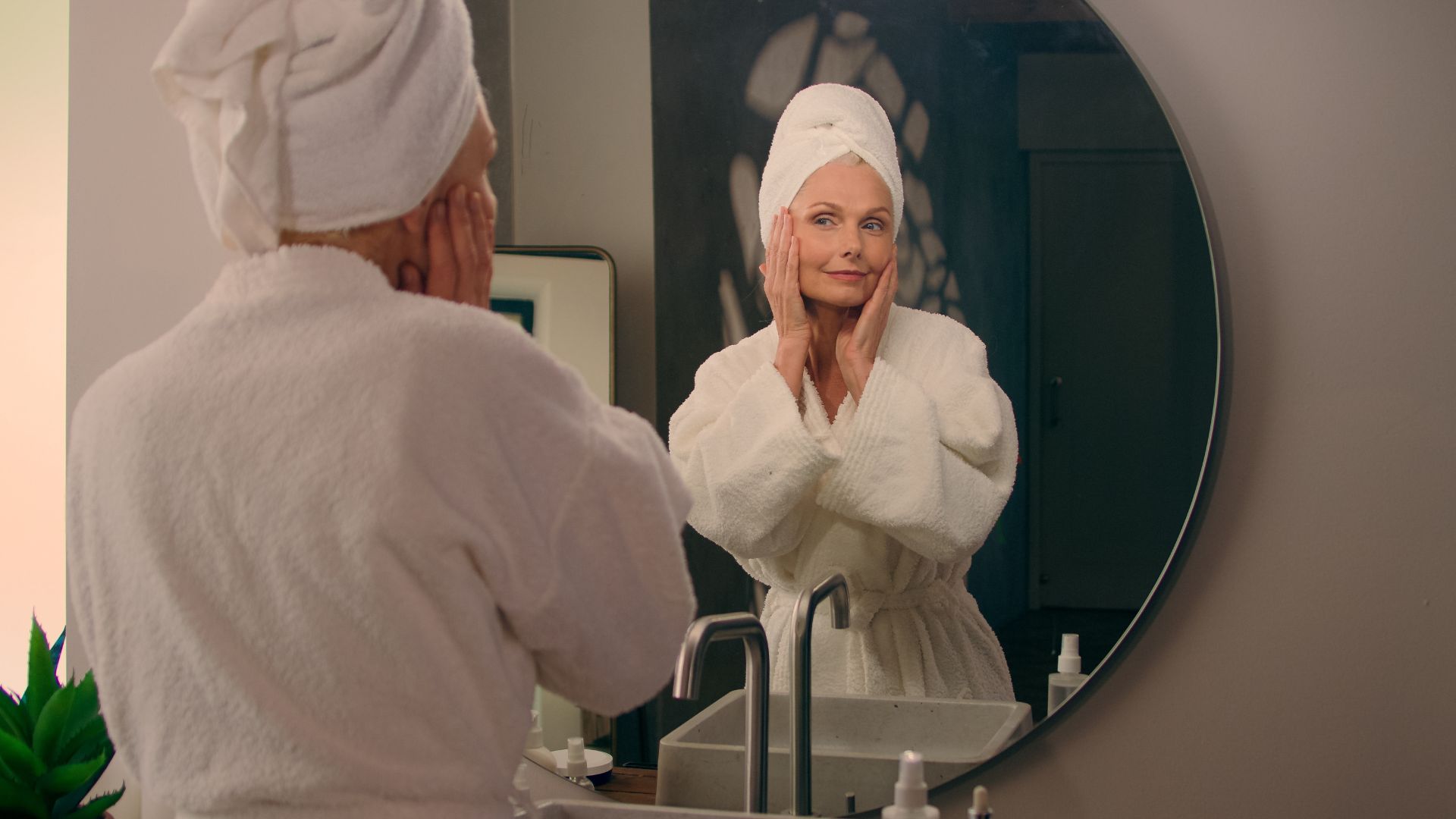
Most people shower every day without thinking twice about it, following the same basic routine for years. But according to doctors, that habit may quietly work against people as they get older. Skin changes with age, and routines that once felt harmless can start doing more harm than good, stripping away protection that aging skin can no longer easily rebuild or replace once it’s gone.
A national survey of more than 3,200 Americans, conducted by Glass Doctor, a major North American franchise, found the average person showers around six times a week and washes their hair four times a week. Doctors say that pace is fine for younger skin, but it can work against people once they’re older, wearing down a skin barrier that’s already struggling to keep up.
Newsweek spoke with Dr. Wesley Tensel, a general practitioner and preventative health specialist, who explained that aging brings on significant structural and functional changes to the skin. Tensel, founder of Prestige Private Health in Manchester, England, said these changes mean older skin often needs a gentler, more deliberate approach than the habits people picked up decades earlier and never thought to revisit, even as their bodies changed.
How Aging Changes Your Skin
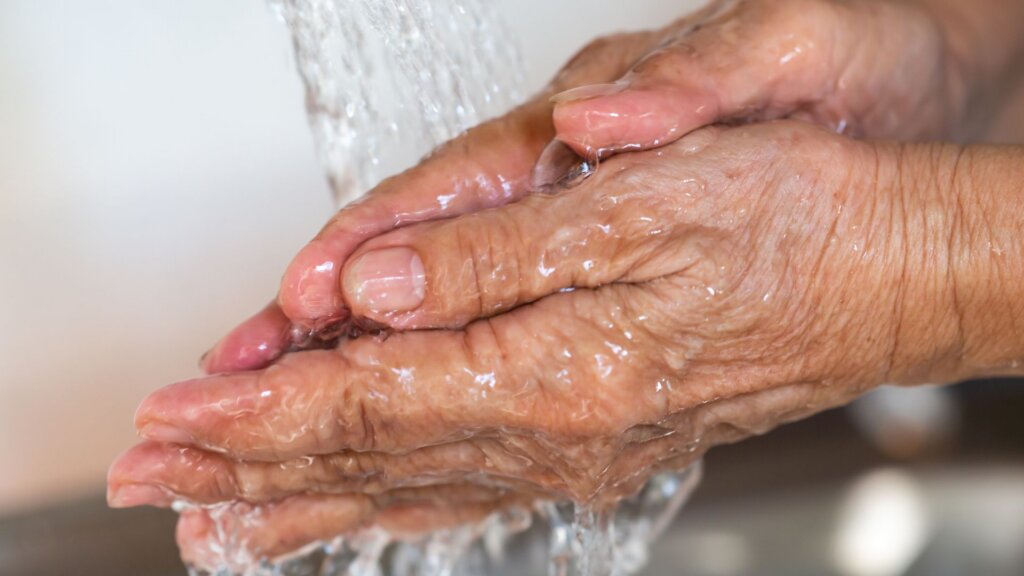
“The production of natural oils declines, the skin barrier becomes thinner and more fragile, and water retention reduces,” Tensel told Newsweek. That combination leaves older skin naturally drier and more vulnerable to irritation, he explained. It is part of why a shower routine that worked fine at thirty can quietly start causing real problems decades later, even without any actual change in habits at all.
The American Academy of Dermatology notes that skin infections become more likely with age, alongside slower healing and easier bruising. Skin itself often grows thinner and takes on a paper-like quality, while becoming drier, itchier, and more prone to irritation and blotchiness. The AAD also points to more age spots, wrinkles, and deeper creases as common changes people may notice during this stage of life.
Frequent showering, especially with hot water and foaming soaps, can strip away what little protection aging skin has left. “It can worsen dryness, itching, and even eczema,” Tensel said. Rather than washing more often as skin ages, he suggested people rethink the approach altogether, since what aging skin actually needs is less stripping and more care, not a heavier routine, ideally paired with fragrance-free products that won’t add further irritation.
How Often Should Older Adults Actually Shower

There is no single universal rule for exactly how often older adults should shower, but Tensel says less is often more overall. “For many healthy older adults, showering two to three times per week is entirely sufficient,” he said, provided daily hygiene is still maintained for the face, hands, underarms, and groin in between those fuller washes, throughout the remainder of each week.
Some people still need to wash more often than that. Those who are very active, live in hot climates, or manage certain medical conditions may require more frequent bathing. Meanwhile, people with eczema or very dry skin may benefit from fewer full showers altogether. Tensel said the key is tailoring the routine to an individual’s specific skin type, health conditions, mobility, and overall day-to-day comfort level.
There’s another reason bathing habits change with age. Both sweat and sebum production decline over time, meaning older adults often do not get dirty the same way younger people do, and typically sweat less overall. “Body odor is generally less pronounced unless there are medical issues, infections, or incontinence,” Tensel explained. Skin sensitivity rises instead, he said, making gentle handling more important than how often someone washes.
Protecting Your Skin While You Wash
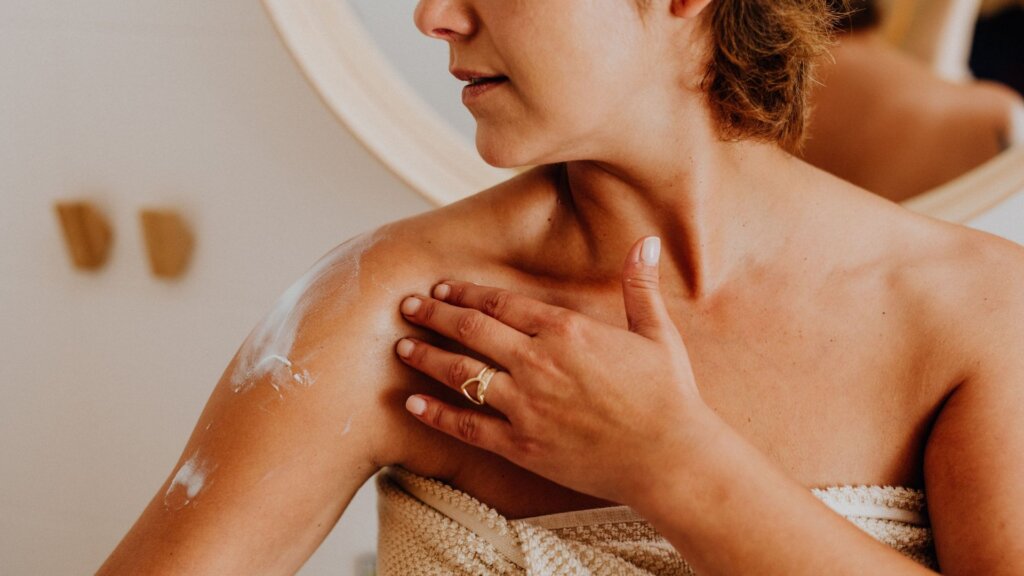
Tensel recommends using lukewarm rather than hot water, keeping showers short, applying soap only to key areas like the underarms, groin, and feet, and moisturizing immediately after washing while the skin is still slightly damp. The AAD echoes much of this advice, recommending fragrance-free, moisturizing cleansers and a cream or ointment applied within three minutes of bathing to help lock in hydration afterward each time.
Over-washing removes the skin’s natural lipid layer, which already declines with age. In older adults, this can lead to persistent dryness and itching, a higher risk of eczema, and cracked skin that raises the chance of infection. In frail individuals, Tensel said, it can even contribute to skin tears, the kind of injury that becomes far more common once skin grows thinner and more fragile.
“Protect the barrier,” Tensel said when asked for the one thing to keep in mind about washing and aging. “Cleanliness should support skin health, not compromise it.” The AAD adds that anyone noticing a new or changing spot on their skin should make an appointment to see a board-certified dermatologist, since the risk of skin cancer continues rising well past age 50 as the years go on.