

Products are selected by our editors, we may earn commission from links on this page.
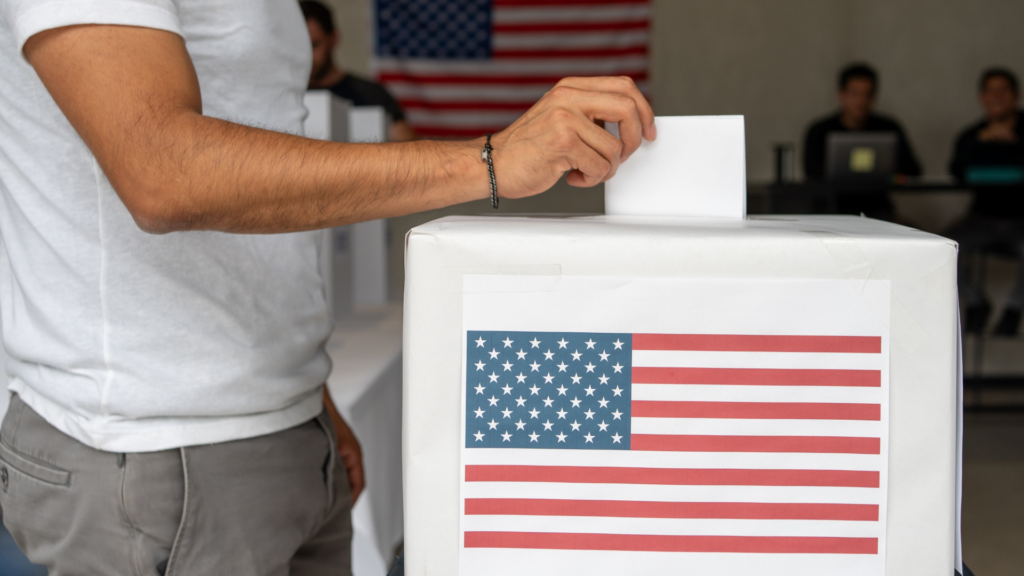
A closely watched vote in Virginia over congressional redistricting has quickly turned into a national political flashpoint, after former President Donald Trump called the outcome “rigged” and legal challenges began piling up almost immediately. The referendum, approved by a narrow margin, allows the state legislature to redraw congressional maps in a way that could significantly shift political power ahead of upcoming elections.
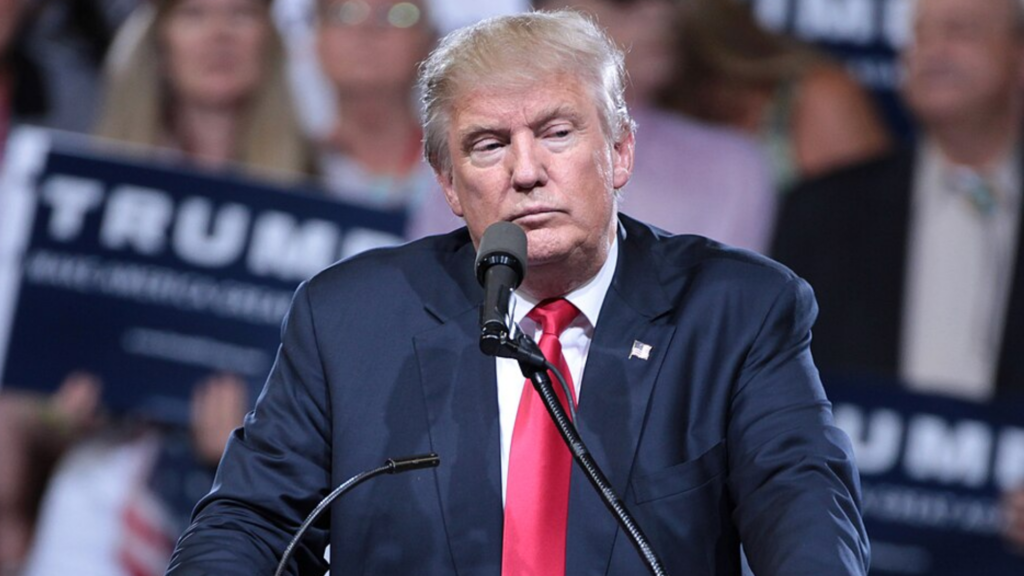
Trump’s comments came shortly after the results were announced, as he and other Republican leaders raised concerns about how the vote was conducted, particularly pointing to mail-in ballots and the overall process, although no evidence of widespread fraud has been presented in connection with the election.
At the same time, the vote itself has sparked intense debate not just over its political implications, but over whether voters were given a clear and accurate understanding of what they were approving when they cast their ballots, an issue that is now being examined in court.
Why The Ballot Language Is Being Challenged

One of the central issues in the legal fight is the wording of the ballot question itself, with critics arguing that it did not fully or accurately describe the scope and impact of the proposed amendment, particularly its potential to reshape congressional districts in a way that could favor one political party.
A Virginia judge has already weighed in on the dispute, temporarily blocking the implementation of the measure and stating that the ballot language may have been “misleading” and did not properly reflect how the amendment was passed by lawmakers, raising serious questions about whether voters were adequately informed.
Legal challenges also focus on procedural concerns, including whether the amendment was properly authorized and whether the process used to place it on the ballot complied with state constitutional requirements, adding another layer of complexity to an already contentious issue.
What The Redistricting Vote Could Change
The stakes of the vote are particularly high because the approved amendment would allow Virginia’s legislature to redraw congressional districts mid-decade, something that could shift as many as four seats toward Democrats and potentially alter the balance of power in the U.S. House of Representatives.
Supporters of the measure argue that it is a legitimate response to redistricting efforts in other states and gives Virginia flexibility to adjust its maps when political conditions change, while opponents contend that it opens the door to partisan gerrymandering and undermines fair representation.
The referendum passed by a relatively narrow margin, reflecting how divided voters are on the issue, and highlighting the broader national debate over how congressional districts should be drawn and who should have the authority to draw them.
A Legal Battle With National Implications

With the measure now tied up in court, the future of Virginia’s congressional maps remains uncertain, as appeals are expected and both sides prepare for a prolonged legal battle that could ultimately reach higher courts.
The case is being closely watched across the country, as it touches on key issues such as election integrity, ballot clarity, and the role of courts in reviewing voter-approved measures, all of which have broader implications beyond Virginia.
Ultimately, the controversy highlights how even the wording of a ballot can become a critical factor in modern elections, shaping not only how voters understand an issue but also whether the results themselves withstand legal scrutiny in an increasingly polarized political environment.