

Products are selected by our editors, we may earn commission from links on this page.
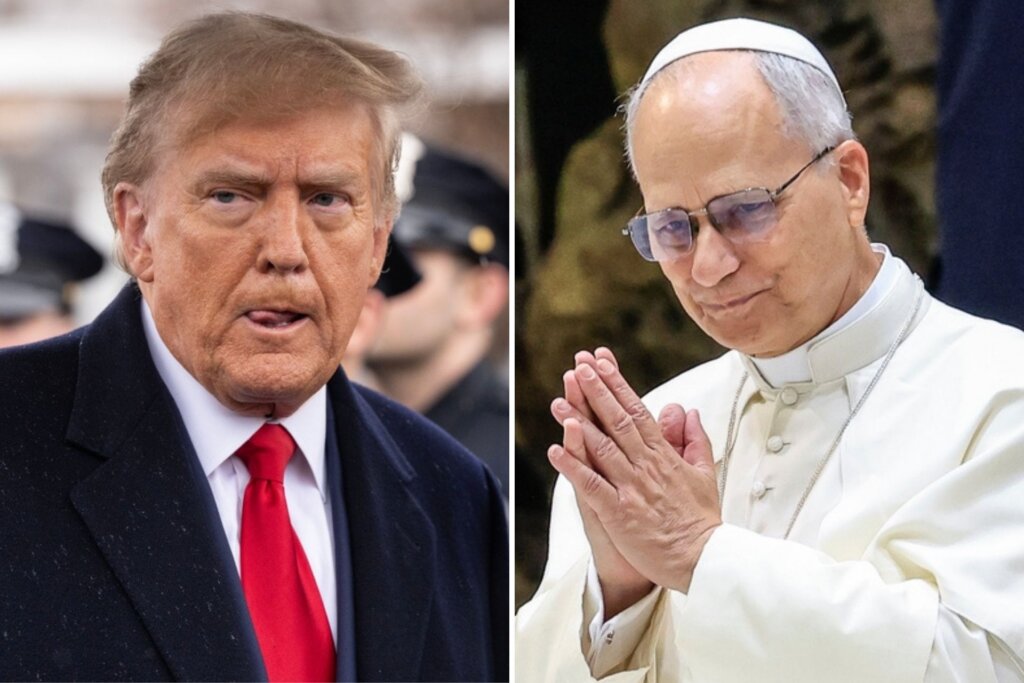
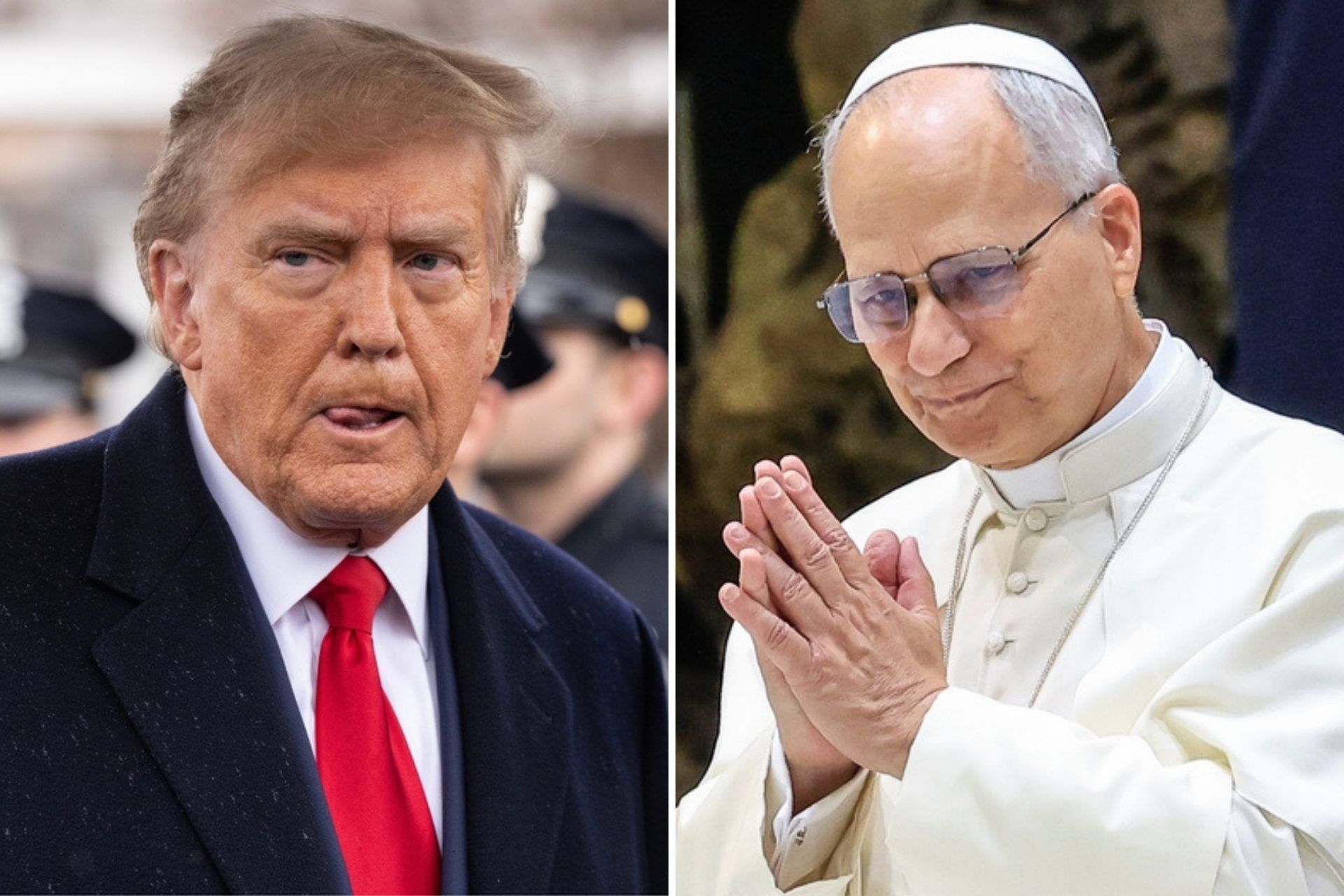
President Donald Trump’s sharp criticism of Pope Leo XIV has triggered an unusually public clash between the White House and the Vatican, drawing backlash not only from global leaders but from within Trump’s own base. The dispute began with a lengthy Truth Social post in which Trump called the pope “weak on crime” and questioned his stance on foreign policy, setting off a wave of criticism that has spread across political, religious, and international lines.
Targeting the First American Pope
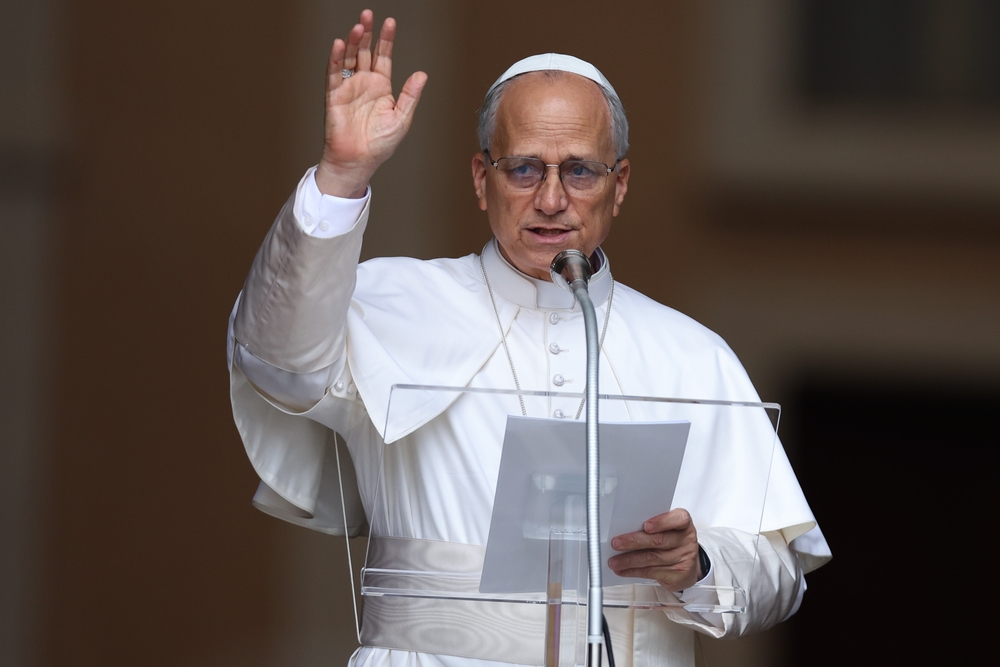
The confrontation carries added weight because Pope Leo XIV is the first American to lead the Catholic Church, elected in 2025. His outspoken criticism of war, including the U.S.-backed conflict involving Iran, has put him on a direct collision course with Trump, who has defended his policies as necessary and accused the pope of overstepping into politics.
Trump Doubles Down on His Criticism
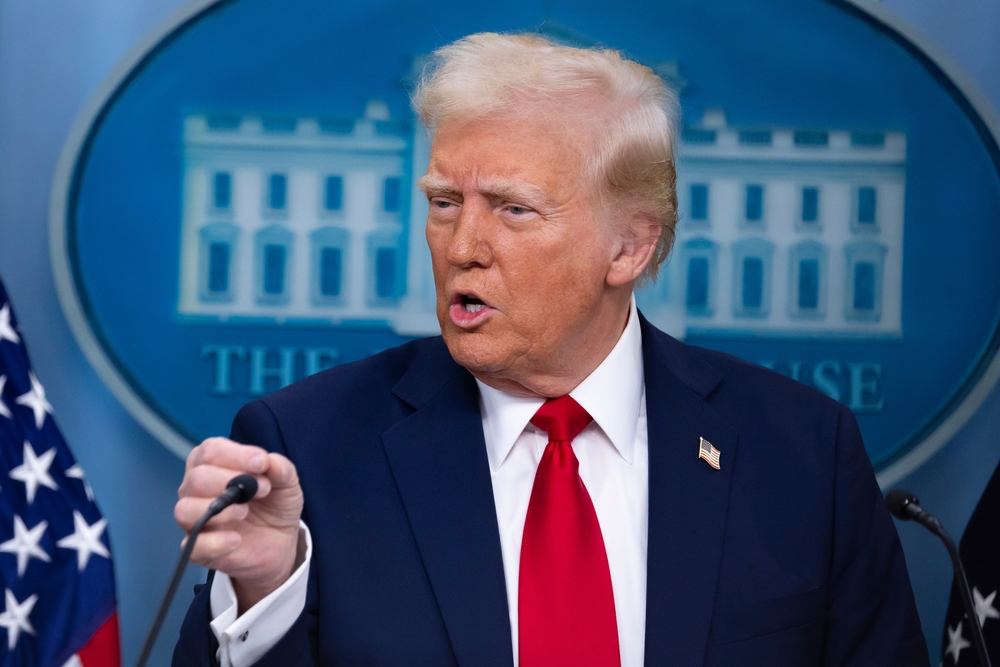
Rather than soften his tone, Trump has repeatedly doubled down. He told reporters he was “not a big fan” of the pope and later insisted he had nothing to apologize for, even as criticism mounted. He also suggested the pontiff’s election was influenced by American politics, claiming that “if I wasn’t in the White House, Leo wouldn’t be in the Vatican,” a remark that further intensified the backlash.
Global Leaders Push Back
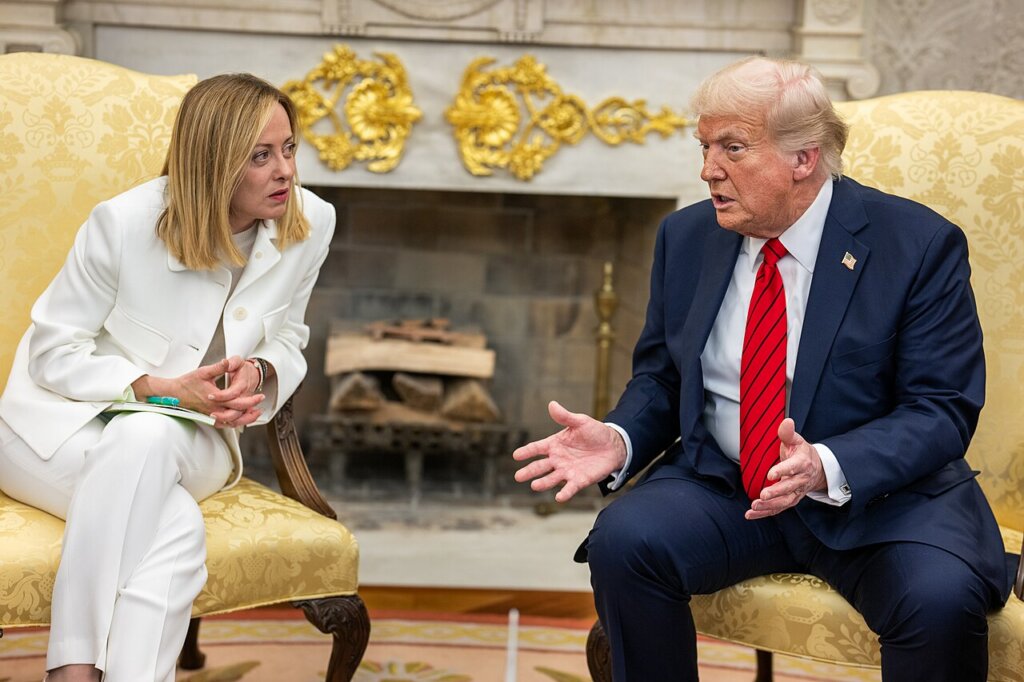
The response was swift at the international level. Italian Prime Minister Giorgia Meloni, a close Trump ally, publicly condemned his remarks as “unacceptable,” marking a rare break between the two leaders. Other European politicians and Catholic figures echoed that criticism, framing the attack as inappropriate given the pope’s role as a spiritual leader advocating for peace.
Catholic Leaders Voice Disapproval
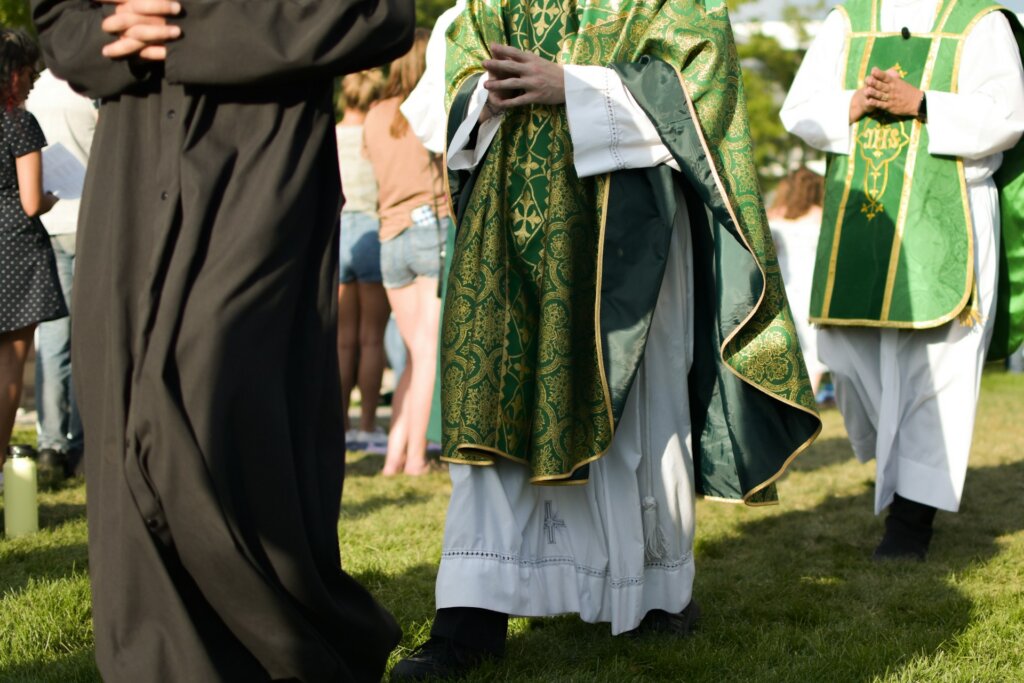
Within the Catholic Church, the reaction was even more pointed. U.S. bishops and senior clergy across the political spectrum criticized Trump’s language, with some calling it “disparaging” and “entirely inappropriate and disrespectful.” Prominent church leaders emphasized that the pope is not a political rival but a religious figure whose authority comes from spiritual leadership, not partisan debate.
Backlash From Trump’s Own Supporters
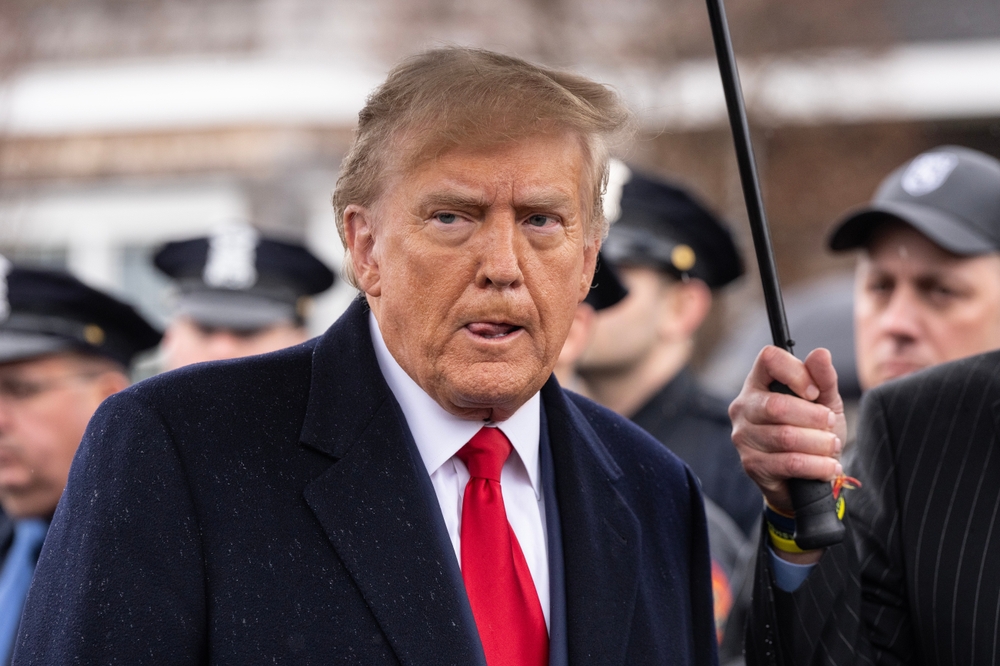
Perhaps most striking was the pushback from Trump’s own supporters, including conservative Christians and evangelical leaders who have historically backed him. Many objected not only to his criticism of the pope but to a separate AI-generated image he shared that appeared to depict himself as a Christ-like figure. Some supporters called the image “blasphemous” and urged him to take it down, a rare public break from a core part of his base.
The Image That Escalated the Controversy
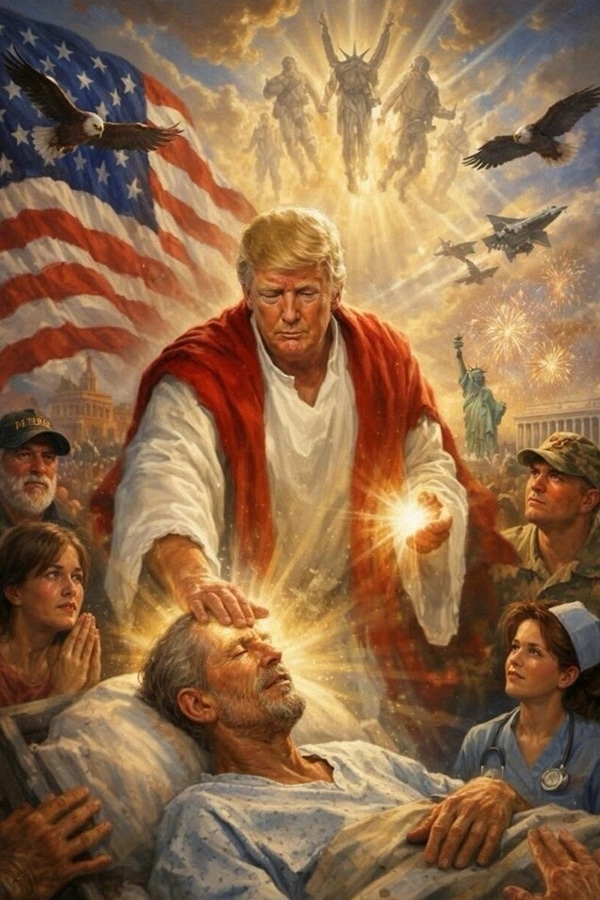
The image, posted shortly after Trump’s initial remarks, showed him in a robe with glowing hands, surrounded by admiring figures, according to reporting by Catholic Review. It was widely interpreted as portraying Trump as a messianic figure, prompting outrage across religious communities. Trump later said he believed the image depicted him “as a doctor,” but it was ultimately removed following the backlash.
The Pope’s Measured Response
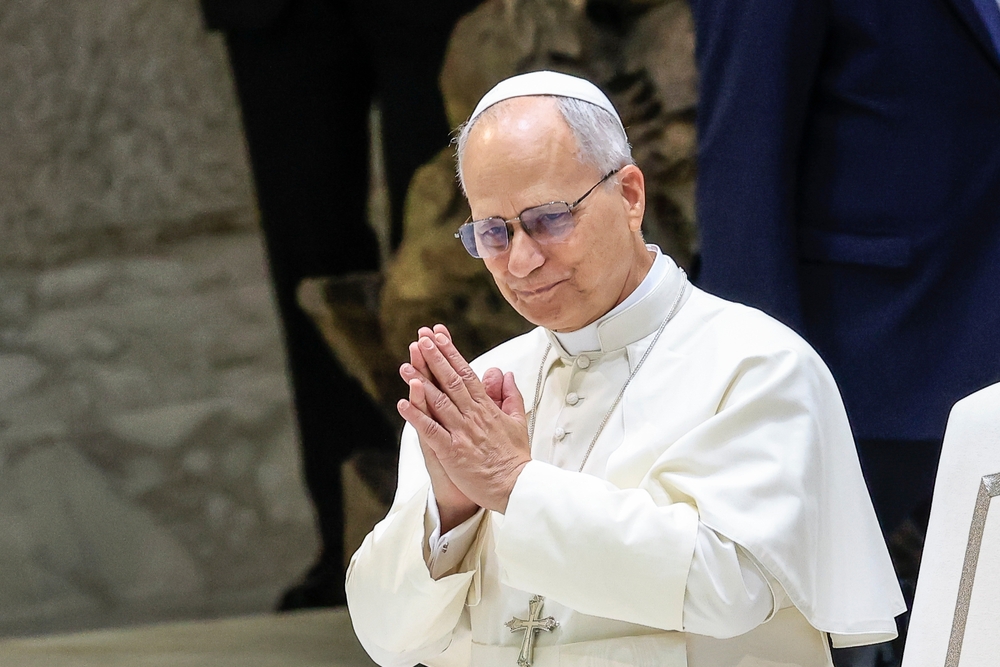
In contrast to the escalating rhetoric, Pope Leo’s response remained restrained. In another report by the Catholic Review, the pope, speaking to reporters aboard a flight to Algeria, said he had “no fear” of the Trump administration and would continue to speak out against war while avoiding direct political confrontation. His message emphasized peace and moral responsibility rather than engaging in a personal dispute, reinforcing the Vatican’s position as a moral voice rather than a political actor.
A Political Risk for Trump
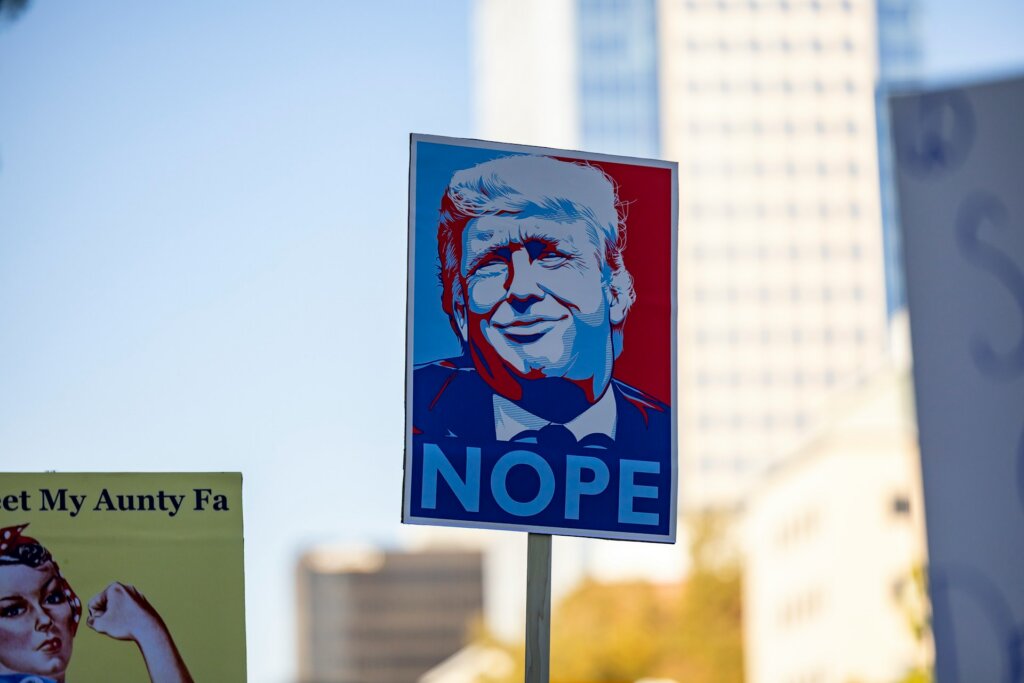
The fallout comes at a sensitive political moment. Trump’s approval ratings have remained net negative, and while polls included in recent averages predate the pope controversy, the backlash introduces new friction with key religious voters. Catholic voters, who have been an important part of Trump’s coalition, are now showing signs of division, with some expressing discomfort over what experts describe as an “unprecedented” attack on a sitting pope.
A Deeper Divide Over Faith and Power
Beyond the immediate controversy, the clash highlights a deeper tension over the role of religion in political life. For decades, disagreements between U.S. presidents and popes have remained largely diplomatic. This dispute, however, has unfolded in public and in personal terms, blurring the line between political authority and spiritual leadership. Whether the backlash fades or reshapes political alliances, it underscores a growing divide over how power, faith, and influence intersect in a deeply polarized moment.