

Products are selected by our editors, we may earn commission from links on this page.
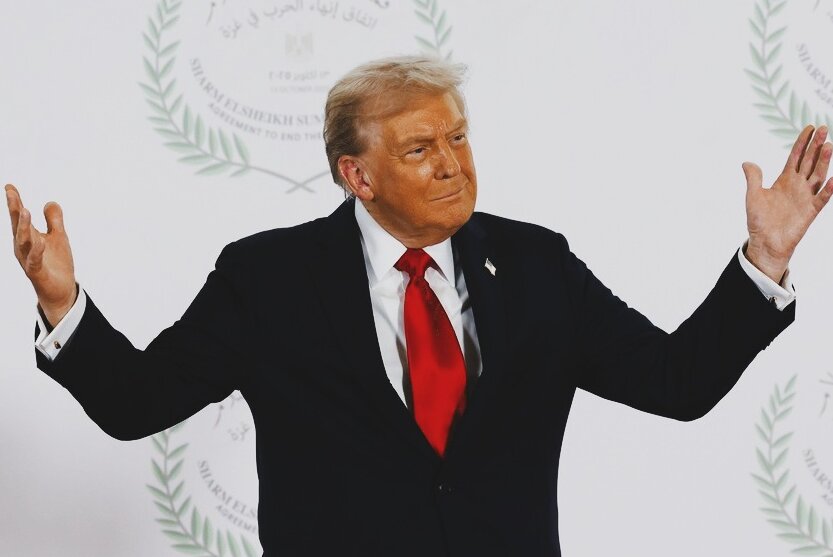
President Donald Trump’s disapproval rating has climbed to 62%, the highest level recorded across both of his terms in office, according to a Washington Post-ABC News-Ipsos poll conducted in late April 2026. His overall approval rating stands at 37%, reflecting broad dissatisfaction with his handling of the economy, inflation, foreign policy, and the cost of living. The survey of 2,560 adults suggests that political frustration has spread beyond Democrats and now includes many independents and Republican-leaning voters who once backed Trump strongly.
The Iran War Became A Political Turning Point
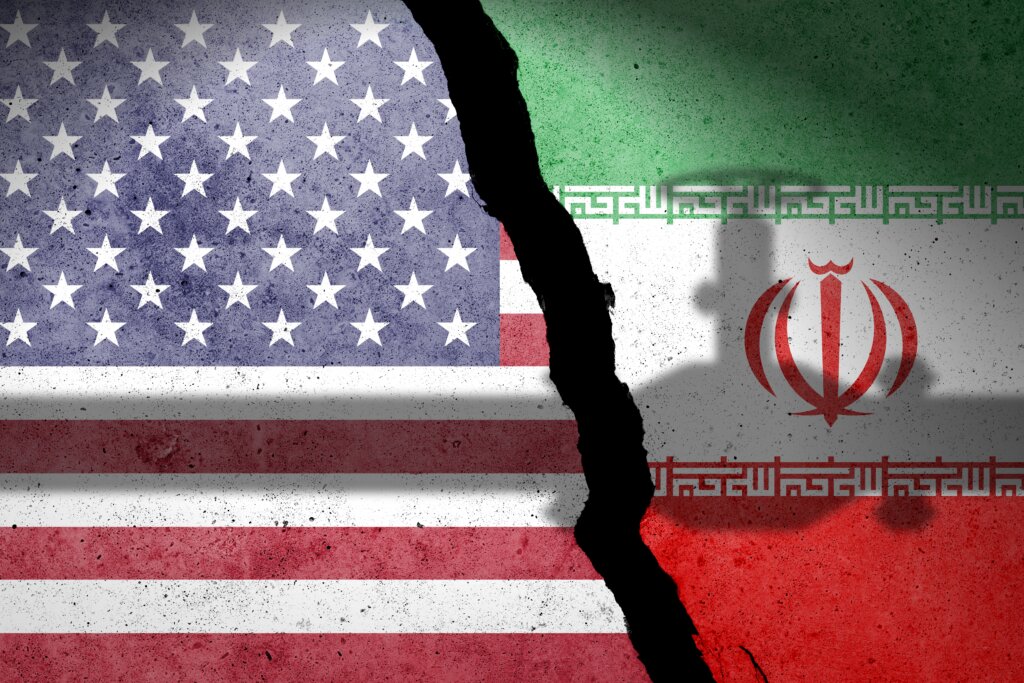
The sharpest decline in Trump’s standing followed the U.S. military campaign against Iran that began in February 2026. Polling found that 61% of Americans believe the military action was a mistake, while only 36% said the United States made the right decision. The backlash has drawn comparisons to public opinion during the Iraq War and the Vietnam War, two conflicts that became politically toxic after prolonged fighting and rising casualties. The Washington Post noted that Trump’s Iran conflict reached Iraq-era levels of disapproval far faster than those earlier wars did.
Republicans Still Stand Behind Trump
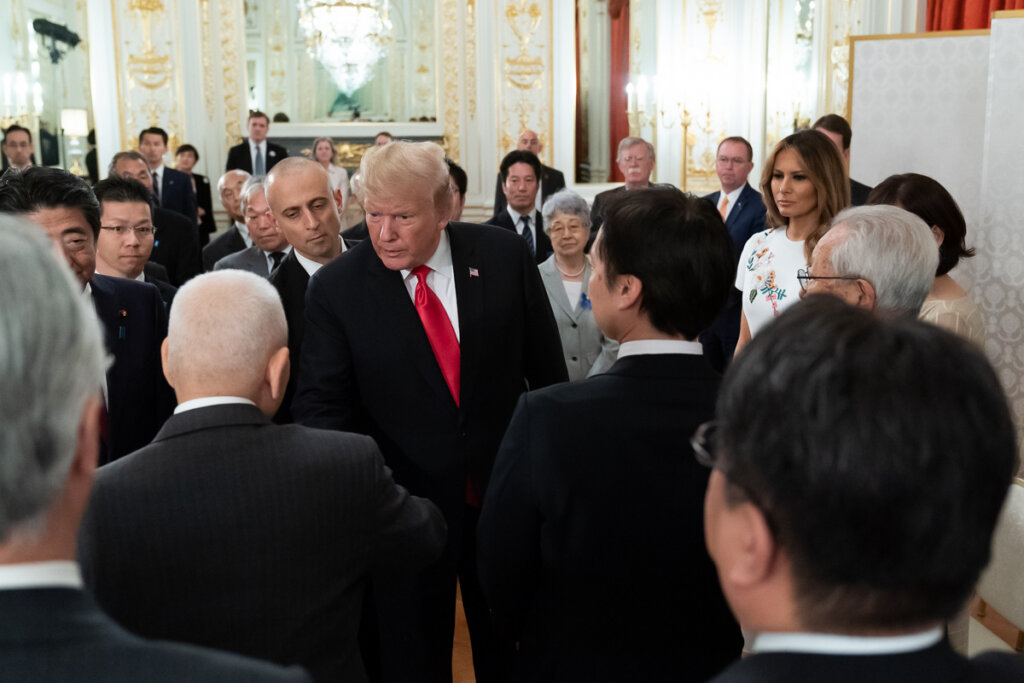
Despite the national backlash, Trump continues to command strong support among Republican voters. The poll found that 85% of Republicans approve of his job performance, and 79% support the Iran military action. That divide highlights the increasingly polarized political environment in the United States. However, Republican-leaning independents have become less supportive, with Trump’s approval among independents dropping to 25% overall. Analysts often view independents as a key warning sign ahead of midterm elections because they frequently determine competitive House and Senate races.
Inflation And Living Costs Remain The Biggest Weakness
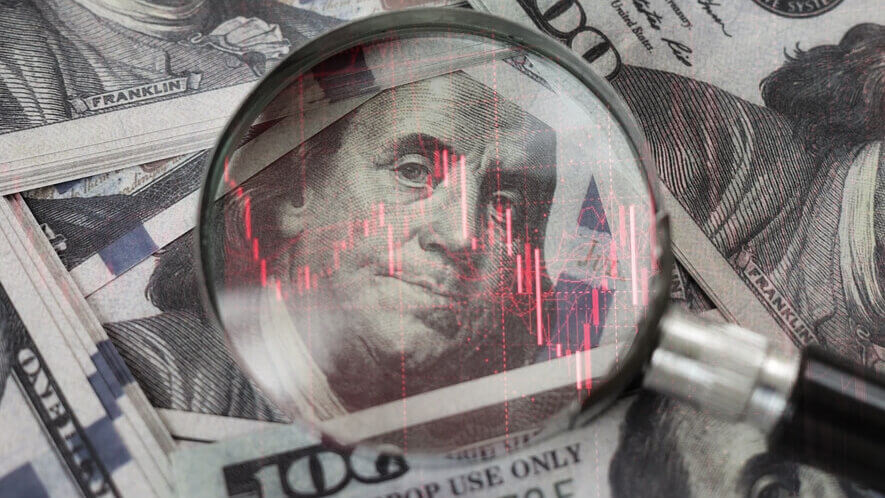
The president’s weakest numbers came on kitchen-table economic issues. Just 23% of Americans approve of Trump’s handling of the cost of living, while 76% disapprove. On inflation, his approval stands at only 27%. Rising gasoline prices linked to instability in global oil markets after the Iran conflict appear to have intensified public frustration. Many Americans reported cutting travel plans, reducing driving, or scaling back household spending because of higher fuel prices and broader economic anxiety.
Economic Data Paints A Mixed Picture

The economic numbers themselves remain complicated. According to The Economist’s presidential tracker, U.S. GDP grew at a 2% annual rate in the first quarter, inflation measured 3%, unemployment stood at 4.3%, and the S&P 500 remained more than 21% above its level when Trump took office. Yet consumer confidence has fallen sharply, with many Americans worried about tariffs, government debt, and disruptions tied to the Iran conflict. Investors have also shown concern about Trump’s attacks on Federal Reserve independence and broader institutional instability.
Midterm Elections Are Starting To Shift
The polling suggests the political fallout could reshape the 2026 midterm elections. Democrats now hold a five-point advantage in the generic congressional ballot among registered voters, an improvement from their smaller edge earlier in the year. Among voters who say they are absolutely certain to cast ballots, the Democratic advantage grows even larger. Democratic voters also report significantly higher enthusiasm levels than Republicans about participating in the upcoming election cycle, a pattern that historically benefits the opposition party during midterms.
Immigration Remains Trump’s Strongest Issue
While Trump’s ratings have weakened across most areas, immigration continues to be his best-performing issue. Forty-five percent of Americans approve of his handling of the U.S.-Mexico border, better than his ratings on the economy, taxes, or foreign policy. Republicans also still maintain a measurable advantage over Democrats on immigration and crime issues. Even so, those advantages have narrowed compared with previous election cycles, especially on the economy and inflation where Republicans once held double-digit leads nationally.
Concerns About Leadership Are Growing
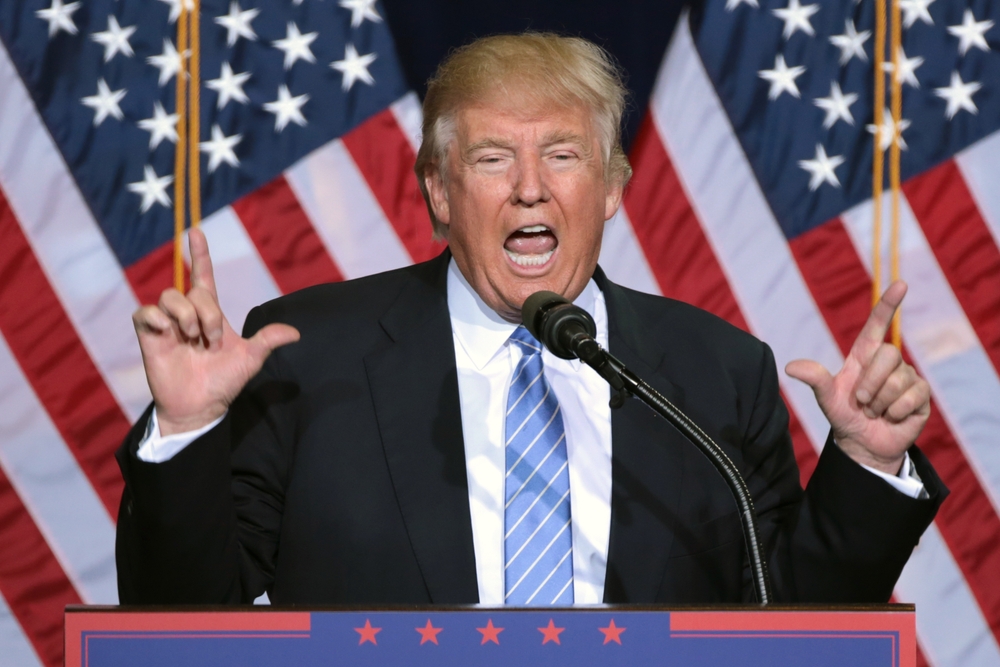
Beyond policy disagreements, the survey revealed rising doubts about Trump personally. Nearly 59% of Americans said he lacks the mental sharpness needed to serve effectively, while 55% questioned his physical fitness for office. Large majorities also described him as dishonest or unwilling to carefully consider major decisions. Those perceptions may become increasingly important as voters weigh not only economic conditions but also presidential temperament during periods of international conflict and domestic uncertainty.
Americans Fear Broader Consequences From The Conflict
The Iran war appears to have fueled deeper fears about economic and national security risks. Sixty percent of Americans believe the conflict increases the chances of a recession, while 61% think it raises the risk of terrorism against Americans. More than half also worry the military campaign could damage U.S. relationships with allies. These concerns have emerged even though only 13 American service members had reportedly died in the conflict at the time of polling, far fewer than casualty levels during Iraq or Vietnam.
The Next Six Months Could Define Trump’s Presidency
With six months remaining before the 2026 midterms, the White House faces mounting pressure to stabilize both public opinion and the economy. Trump continues to argue that confronting Iran is necessary to prevent Tehran from obtaining nuclear weapons, and his allies insist voters will eventually reward strong leadership abroad. Critics counter that rising prices, foreign conflict, and voter fatigue are creating conditions similar to previous midterm backlash elections. Whether inflation eases, oil markets stabilize, and the Iran conflict cools may determine not only Republican control of Congress but also the long-term direction of Trump’s second presidency.