

Products are selected by our editors, we may earn commission from links on this page.
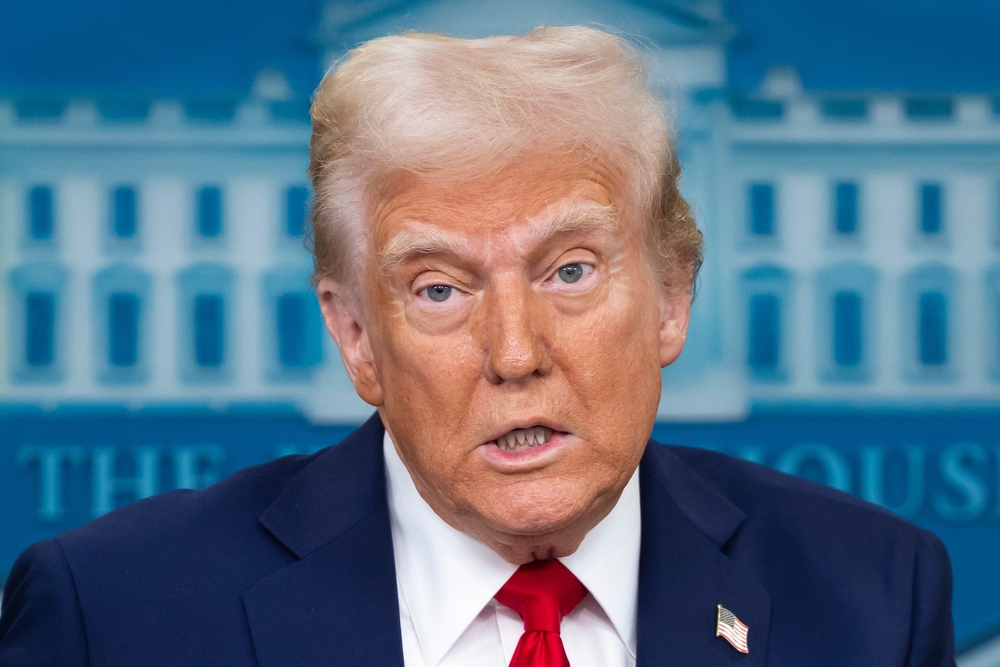
President Donald Trump’s repeated claims that his administration reduced prescription drug prices by “500%,” “600%” or even “1,500%” are drawing renewed scrutiny from economists, lawmakers and fact-checkers who say the numbers are mathematically impossible.
The controversy escalated after Trump defended the figures during a White House event announcing a pharmaceutical pricing agreement with Regeneron. According to reporting from the Associated Press and CNN, Trump argued there were “two ways of calculating” percentage reductions and said Americans could interpret the numbers as either 50% or 500% savings depending on the method used. Critics quickly responded that prices cannot decline by more than 100% without effectively dropping below zero.
The issue gained additional attention after Health and Human Services Secretary Robert F. Kennedy Jr. defended Trump’s calculations during a Senate hearing with Sen. Elizabeth Warren. Kennedy argued that if a drug price rose from $100 to $600 and later dropped back to $100, that could represent a “600% savings.” Analysts and mathematicians noted the math does not work that way: a rise from $100 to $600 equals a 500% increase, while a drop back to $100 represents roughly an 83% decrease.
Trump has continued using the figures despite widespread criticism. During the same White House appearance, he acknowledged receiving “a lot of heat” over the claims but insisted there were “different kinds of calculations.” The Associated Press reported that Trump framed the issue as a matter of presentation rather than accuracy, though economists and fact-checkers rejected that explanation.
Officials and Allies Have Tried to Defend the Numbers
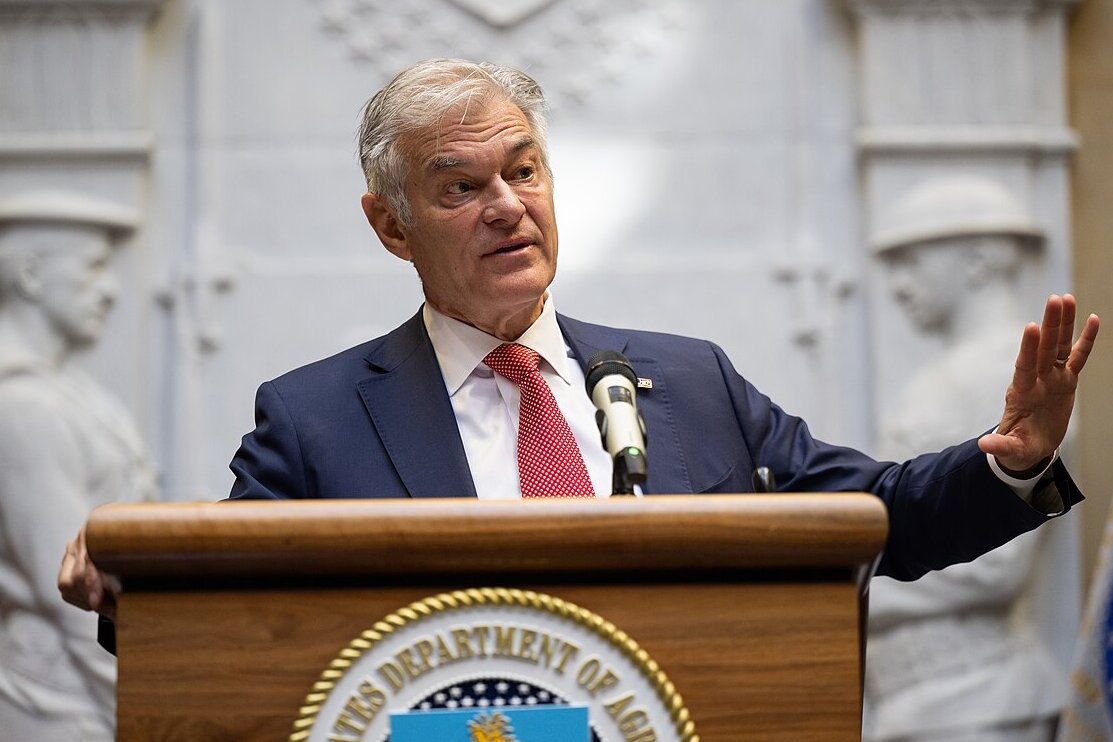
Several administration officials and allies have attempted to justify the president’s claims, often by reframing the discussion around broader drug-pricing disparities between the United States and other countries. CNN reported that White House spokesperson Kush Desai defended Trump on the separate point that Americans often pay dramatically more for prescription drugs than consumers in other wealthy nations.
According to the White House, some drugs sold in the United States cost roughly 1,000% more than similar medications available overseas. Officials argued Trump was using that disparity to illustrate the scale of savings his administration hopes to achieve through “most favored nation” pricing agreements and other pharmaceutical negotiations. But fact-checkers stressed that even if a U.S. drug price falls from $521 to $45, for example, that still represents about a 91% decrease rather than a 1,000% reduction.
Dr. Mehmet Oz, who oversees the Centers for Medicare and Medicaid Services, also faced criticism after suggesting some drug-price reductions were “too high to calculate without a more studied approach.” During an NBC interview referenced by CNN, Oz similarly described Trump’s calculations as based on comparing the amount removed from a price to the remaining amount left afterward. Analysts again said the explanation conflicted with standard percentage calculations.
The debate has also fueled broader concerns among critics about how the administration communicates economic data and policy achievements. An MSNBC opinion piece described the claims as “pseudo-math” and argued that repeated defenses from senior officials reflected a larger unwillingness inside the administration to publicly challenge the president’s statements.
Some Drug Prices Have Fallen, But Many Have Also Risen
The dispute over Trump’s math comes alongside a more complicated reality surrounding prescription drug prices themselves. Multiple healthcare analysts say some consumers have benefited from lower prices through Trump administration initiatives, but many medications have simultaneously become more expensive.
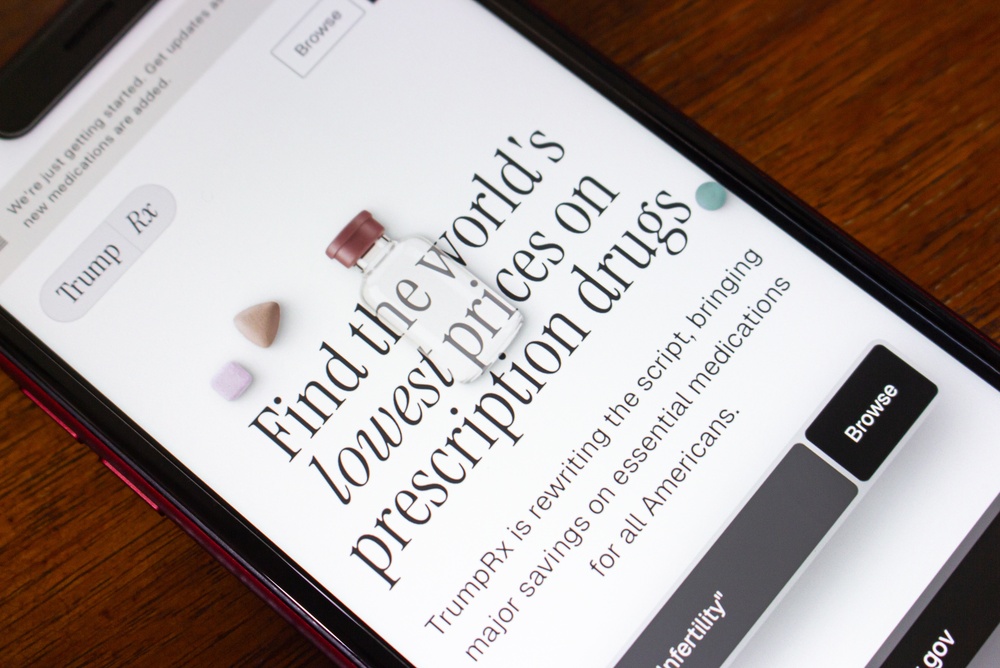
According to reporting from KFF Health News and CBS News, the administration launched TrumpRx, a platform offering discounts on select medications for cash-paying consumers. The administration also promoted agreements with pharmaceutical companies tied to “most favored nation” pricing policies designed to align some U.S. drug prices more closely with prices in other developed countries.
Some high-profile discounts have received attention, particularly for fertility treatments and GLP-1 weight-loss drugs such as Wegovy. Under certain TrumpRx offers, some patients without insurance reportedly gained access to lower-cost prescriptions that previously remained financially out of reach. Pfizer also promoted discounts on more than 30 drugs through the program.
But healthcare researchers say the broader picture is far less dramatic than the administration’s rhetoric suggests. Data from the pricing research firm 46brooklyn found that nearly 1,000 brand-name drugs increased in price in early 2026, while Pfizer reportedly raised prices on dozens of medications during the same period it announced select discounts. Aaron Kesselheim, a Harvard Medical School professor who studies drug pricing, told KFF Health News that many of the agreements appear to be “one-off agreements made for publicity purposes” rather than structural reforms to the pharmaceutical market.
Critics also note that many discounted drugs on TrumpRx still cost far more than generic alternatives available elsewhere. Some discounts apply only to uninsured cash-paying consumers, while others remain inaccessible to Medicare or Medicaid recipients. As a result, healthcare analysts say many Americans may see only limited savings despite the administration’s broader claims.
The Political and Economic Stakes Are Growing
Despite the criticism, the administration continues presenting its pharmaceutical negotiations as a major economic achievement ahead of upcoming elections. White House economists recently estimated that Trump’s drug-pricing agreements could eventually save the U.S. economy roughly $529 billion over the next decade, with additional projections suggesting savings could exceed $700 billion if the pricing framework expands further.
The administration has also framed the policies as part of a larger effort to pressure drugmakers into lowering U.S. prices while increasing domestic pharmaceutical investment. Several major companies, including Pfizer, Eli Lilly, AstraZeneca, Novo Nordisk and Johnson & Johnson, reportedly reached agreements with the administration to avoid threatened tariffs tied to pharmaceutical imports.
At the same time, lawmakers from both parties are demanding greater transparency around the agreements themselves. Senate Finance Committee Democrats led by Sen. Ron Wyden have pushed for legislation requiring public disclosure of the administration’s pharmaceutical deals, arguing that many details remain vague or undisclosed. Critics say it remains difficult to determine exactly which drugs qualify for discounts and how broadly consumers will benefit.
For now, the debate reflects two separate but overlapping issues: whether the administration’s policies are meaningfully reducing drug costs, and whether Trump’s public descriptions of those reductions accurately reflect reality. While some patients may ultimately benefit from lower prices on specific medications, economists and healthcare experts continue warning that the president’s headline-grabbing percentage claims simply do not add up mathematically.