

Products are selected by our editors, we may earn commission from links on this page.
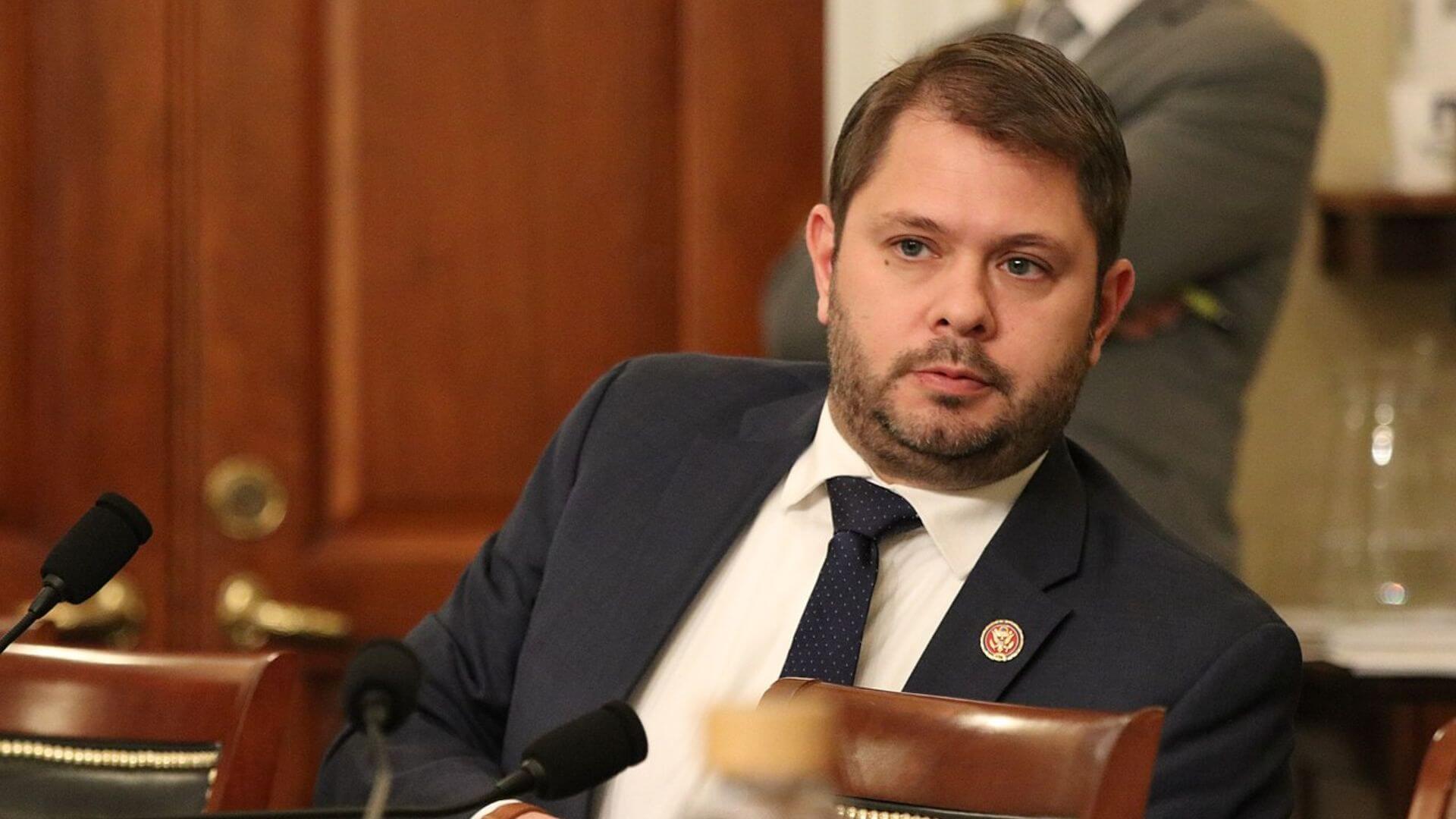
Senator Ruben Gallego introduced landmark legislation to combat what he calls surveillance pricing, in which companies use personal data and artificial intelligence to charge different customers different prices for identical products. The One Fair Price Act would prohibit businesses from leveraging detailed consumer information to set individualized prices, marking the first federal attempt to regulate this emerging practice.
The Arizona Democrat argues that companies have moved beyond traditional capitalism into exploitative territory. “They’re collecting so much information that it’s not really capitalism anymore,” Gallego stated. “It’s truly exploitative at this point.” His concern centers on how retailers track everything from location data to mouse movements on websites, creating targeted pricing that maximizes what each individual customer is willing to pay.
The timing of Gallego’s bill aligns with growing consumer frustration over rising costs. Recent Federal Trade Commission findings revealed that intermediary firms help at least 250 businesses implement surveillance pricing strategies across grocery stores, apparel retailers, and other sectors. The practice capitalizes on personal details that many consumers don’t even realize companies are collecting and analyzing.
Study Exposes Price Variations on Grocery Platform
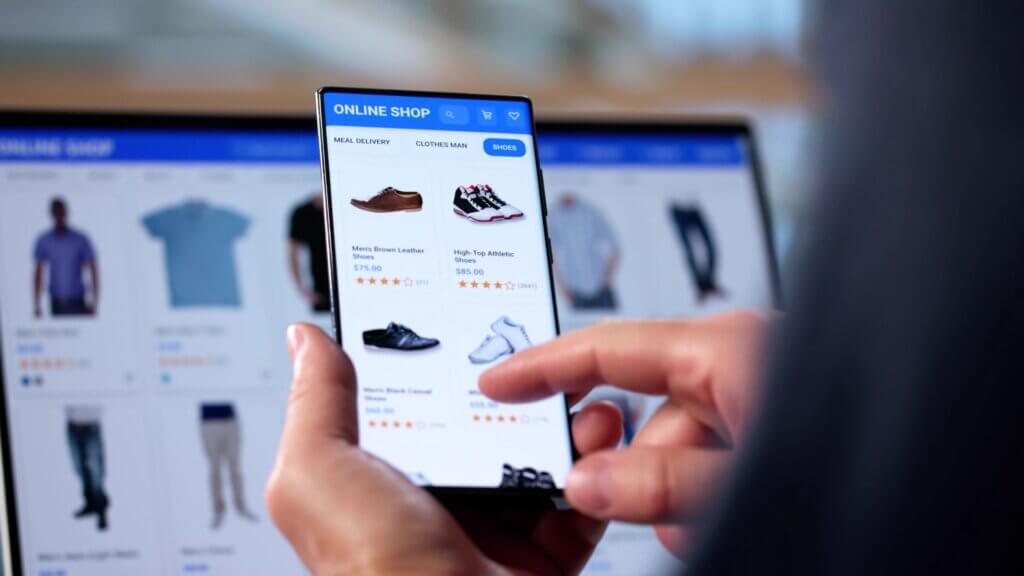
A joint investigation by Consumer Reports and Groundwork Collaborative unveiled troubling pricing disparities on Instacart. The research involved over 400 volunteers shopping simultaneously for identical items and discovered that approximately three-quarters of products appeared at different prices to different customers. Some items showed price variations ranging from seven cents to $2.56, with one basket of groceries displaying five different total prices.
The implications extend beyond minor discrepancies. Researchers calculated that these price experiments could cost a typical household of four roughly $1,200 annually. In one test at a Seattle Safeway, the same basket ranged from $114.34 to $123.93, an 8.4 percent difference. Major retailers, including Albertsons, Costco, Kroger, and Sprouts, showed evidence of similar price experimentation through the platform.
Following the investigation’s publication and subsequent backlash, Instacart announced it would immediately halt price experiments on its platform. The company maintained that its tests didn’t use personal demographic data and were randomized, though critics questioned whether consumers should serve as unwitting guinea pigs during their routine grocery shopping.
How Surveillance Pricing Works

Companies employ sophisticated technology to gather extensive consumer information. The FTC study documented that businesses track precise location, browser history, demographics, and even mouse movements to inform pricing decisions. This data collection creates detailed profiles predicting the maximum amount each individual might pay, turning shopping into a personalized negotiation where only one side knows the terms.
Industry insiders describe a growing ecosystem of pricing consultants and artificial intelligence companies building infrastructure for retailers. Lindsay Owens, executive director of Groundwork Collaborative, explained that companies like Delta Air Lines have discussed using AI to set personalized ticket prices, while Starbucks reportedly engaged in surveillance pricing through its rewards app, according to published reports.
The technology allows businesses to identify vulnerable moments and capitalize on them. Gallego cited examples like airlines spotting when someone needs a last-minute flight after a family emergency and raising fares specifically for that traveler. Similarly, ride-sharing services have shown higher rates when phone batteries run low, suggesting algorithms detect and exploit consumer urgency.
Bill Faces Uncertain Future in Congress

The legislation would grant enforcement power to the Federal Trade Commission, state attorneys general, and individuals through lawsuits. Exceptions exist for legitimate discount programs offered to groups like teachers or veterans, and loyalty programs would remain legal provided they treat participants equally. Insurance and credit companies fall outside the bill’s scope, according to details from Gallego’s office.
Passage requires navigating a Republican-controlled Congress and securing President Trump’s signature. Gallego maintains optimism about bipartisan support, arguing that consumer protection transcends party lines. “Republicans and Democrats want consumers to have just as much power and just as much information as a retailer,” he said. The senator also joined colleagues, including Republican Josh Hawley, in a bipartisan letter urging the FTC to address surveillance pricing.
Political complications emerged after the Trump administration’s FTC Chair Andrew Ferguson, who previously voted against releasing the surveillance pricing report, canceled the public comment period on the study. Despite these obstacles, Gallego’s bill has gained co-sponsors, including Senators Kirsten Gillibrand and Cory Booker. Trump himself issued an executive order investigating food supply chain price fixing, though the White House hasn’t commented on Gallego’s specific legislation. Whether consumers will ultimately receive protection from algorithmic price discrimination remains to be seen.