

Products are selected by our editors, we may earn commission from links on this page.

A wall of dust rolling across the desert looks dangerous enough on its own, but health officials say the real threat may be too small to see. Reporting from Fox Local Health and UNILAD has drawn fresh attention to guidance from the Centers for Disease Control and Prevention (CDC) warning that dust storms, strong winds, and floods can lift soil-dwelling fungal spores into the air. Once inhaled, those spores can cause Valley fever, a lung infection that may begin with symptoms as ordinary as coughing, fatigue, or fever.
The Fungus Has Been Waiting in the Soil
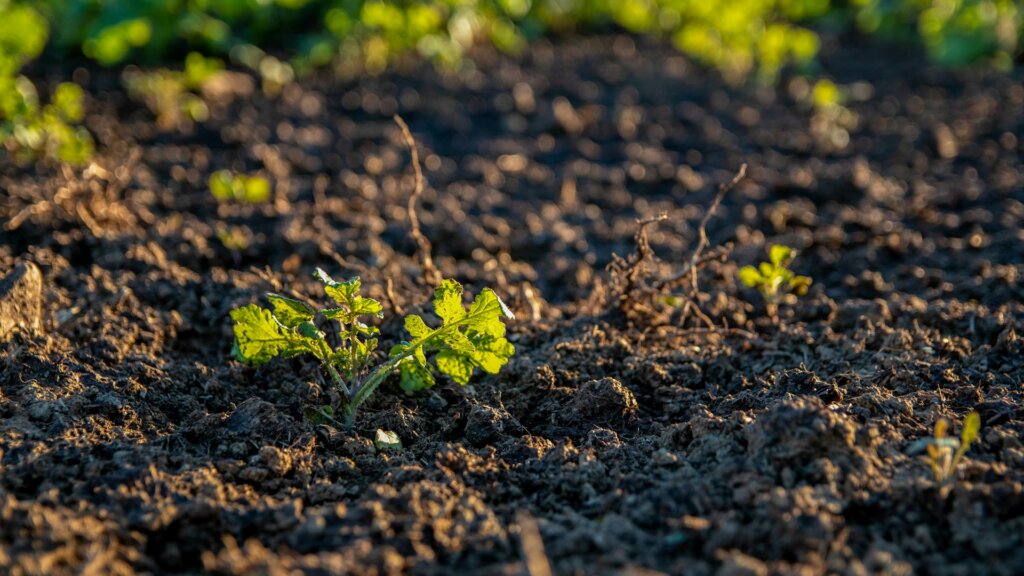
Valley fever is caused by Coccidioides, a fungus found in the soils of the southwestern United States and parts of south-central Washington. It does not spread like influenza or COVID-19. People become infected by breathing spores released from disturbed ground, sometimes without realizing they were exposed at all. The CDC says some people inhale the fungus and never develop symptoms, while others become ill days or weeks later.
Why Storms Can Turn Soil Into a Health Hazard
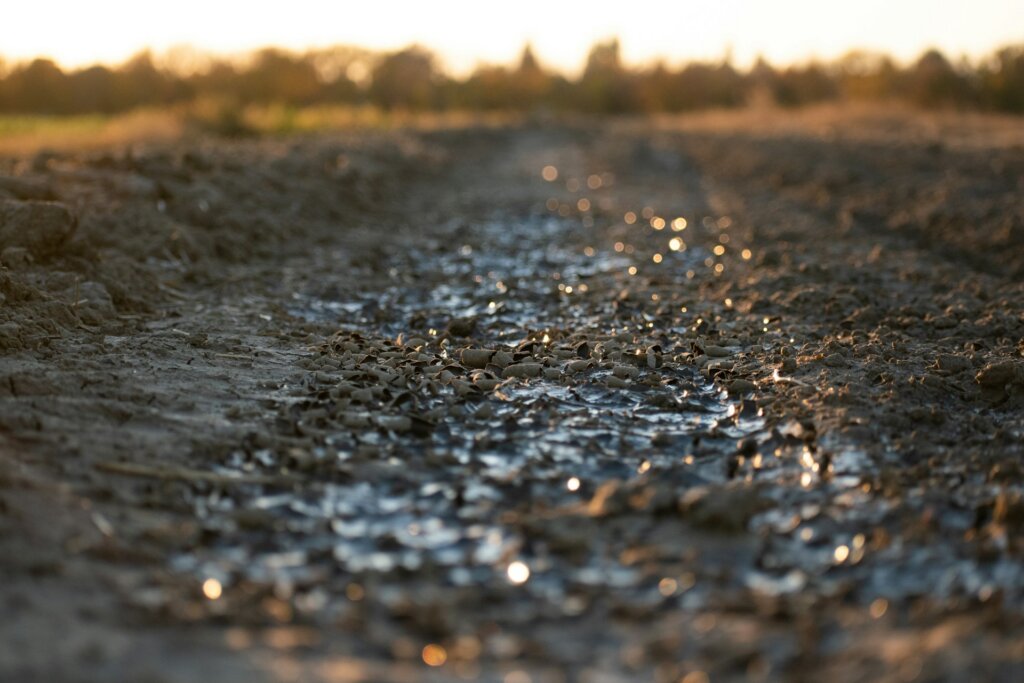
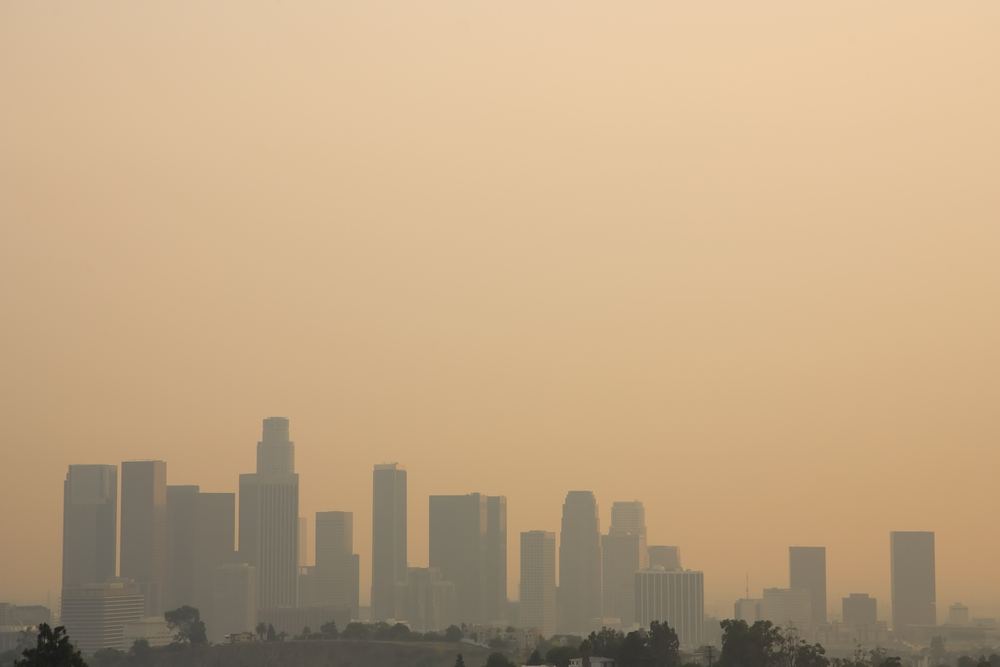
The danger rises when weather disturbs dry land. Dust storms and high winds can scatter spores over wide areas, while floods may also churn up contaminated soil. Researchers are especially interested in the pattern that follows heavy rain: the fungus can grow in damp ground, then become airborne when conditions turn hot and dry. Fox Local Health noted that Arizona and California have seen increases in Valley fever during such periods, suggesting that the sequence of rain, heat, and blowing dust may be particularly important.
The Risk Reaches Beyond Arizona and California
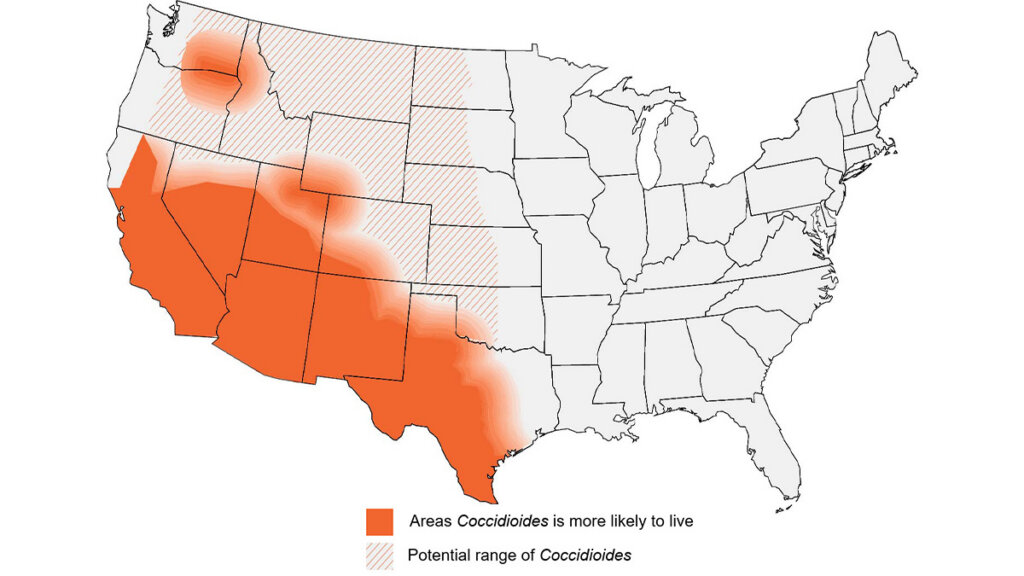
Valley fever is most closely associated with Arizona and California, but CDC maps and regional reporting show a broader footprint. Coccidioides may be present in parts of Nevada, Utah, New Mexico, Texas, Oregon, Washington, Wyoming, and Colorado, with possible exposure extending into additional neighboring states. UNILAD highlighted the expanding geographic concern, although the CDC cautions that maps show estimated areas rather than a precise boundary. The practical message is that Valley fever is no longer just a problem for a few desert counties.
It Often Looks Like Pneumonia

One reason the illness can be difficult to track is that its symptoms are easy to mistake for more familiar respiratory infections. Patients may experience fatigue, cough, fever, headache, shortness of breath, night sweats, muscle or joint pain, and rashes on the upper body or legs. The CDC says Valley fever is frequently misdiagnosed or missed because it resembles pneumonia caused by bacteria or viruses. That can delay the antifungal treatment needed by patients whose infections do not improve on their own.
Misdiagnosis Can Stretch an Illness for Months

A study cited by Fox Local Health found that Valley fever cases have increased roughly tenfold since 1998 and that 80 percent of patients received unnecessary antibiotics before the correct diagnosis was made. Antibiotics do not treat fungal infections, so those delays can prolong symptoms and postpone more appropriate care. The study’s authors called for healthcare providers to recognize the disease earlier, especially when patients live in or have recently traveled through areas where the fungus is known to occur.
Most Recover, but Some Develop Severe Disease

For many healthy people, Valley fever improves within weeks or months without treatment. The CDC estimates that about 5 to 10 percent of those who become ill develop serious or long-term lung problems. In about 1 percent of cases, the infection spreads beyond the lungs to the skin, bones, joints, or brain, where it can cause meningitis. Severe cases may require antifungal medication, hospitalization, and prolonged monitoring.
Some People Face a Higher Risk

People with weakened immune systems, diabetes, or serious lung disease are more likely to develop severe infections, according to the CDC. The warning also matters for older adults and others whose symptoms may be attributed to more common illnesses. Early diagnosis does not guarantee a mild course, but it can prevent wasted time on ineffective treatment and allow doctors to begin antifungal therapy when needed.
Dogs Can Be Exposed Too
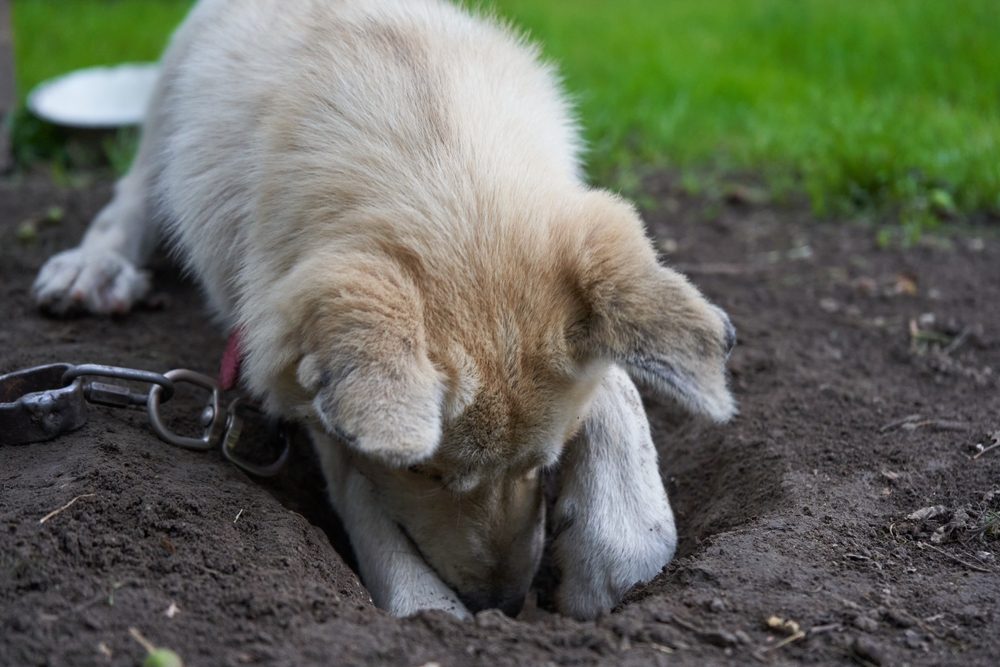
Pets face the same environmental hazards. Dogs can inhale spores while digging, running through dusty areas, or disturbing dry soil. Many healthy dogs show mild symptoms or none at all, but puppies, senior dogs, and animals with weakened immune systems may become seriously ill and require antifungal medication for six to 12 months. The disease does not spread between dogs and people, so both are infected independently through contact with contaminated soil or airborne spores.
What Residents Should Watch for Next
The CDC is not saying that every dust storm carries Valley fever, nor that everyone exposed will become ill. The warning is about awareness. People in affected parts of the West should pay attention to persistent respiratory symptoms after dust exposure and tell healthcare providers where they live or have traveled.