

Products are selected by our editors, we may earn commission from links on this page.
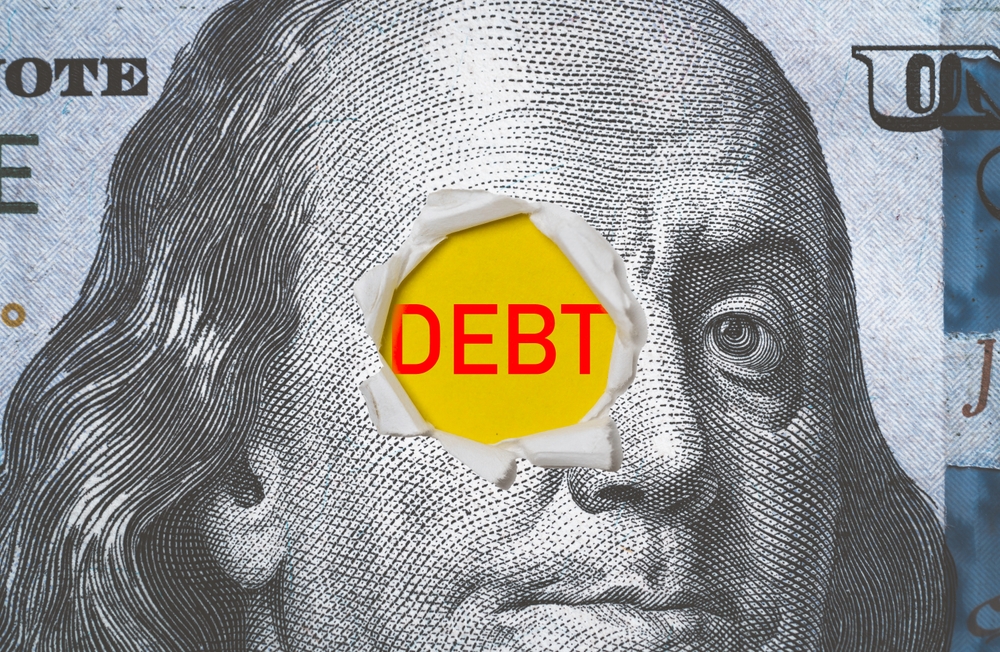
For the first time since the aftermath of World War II, U.S. debt held by the public has grown larger than the nation’s entire economy. According to Bureau of Economic Analysis data, publicly held federal debt reached $31.27 trillion while U.S. gross domestic product stood at $31.22 trillion in early 2026. Economists often use the debt-to-GDP ratio to judge whether government borrowing is sustainable because it measures debt against the country’s ability to generate income.
Why Economists Watch the Debt-to-GDP Ratio
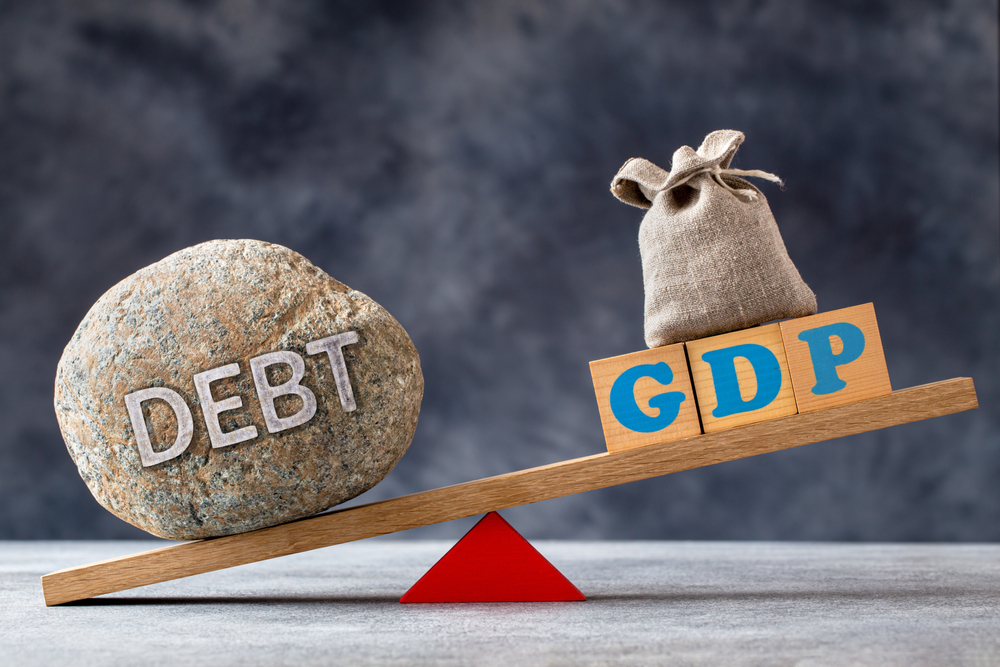
The raw national debt figure can sound alarming on its own, but many analysts focus more on how debt compares with economic output. The Treasury Department explains that comparing debt to GDP provides a clearer picture of whether a country can manage repayment obligations over time. Historically, U.S. debt surged during wars or recessions and then stabilized afterward. Today, however, debt continues rising even during periods of economic growth.
What Is Driving the Debt Surge

Several forces are pushing federal debt higher simultaneously. The government has continued running large budget deficits, meaning Washington spends more than it collects in revenue. Major spending on Social Security and Medicare has increased as the population ages, while higher interest rates have made borrowing more expensive. Tax cuts, pandemic-era stimulus programs, and rising healthcare costs have also contributed to long-term deficits.
America Has Been Here Before
The last time debt exceeded 100% of GDP was in 1946 after massive wartime spending. Back then, however, the debt surge followed a global conflict that transformed the economy and was later followed by decades of strong growth. Today’s increase has developed gradually over years of peacetime borrowing. The Treasury Department notes that debt has risen sharply after events such as the 2008 financial crisis, the wars in Iraq and Afghanistan, and the COVID-19 pandemic.
Why Some Experts Are Worried
Fiscal watchdog groups argue the current path is unsustainable. The Government Accountability Office warns that debt growing faster than the economy can raise borrowing costs, slow wage growth, and increase prices for households. Maya MacGuineas of the Committee for a Responsible Federal Budget said the country is nearing levels that could “spark a devastating fiscal crisis” if lawmakers fail to act. Critics also warn that growing interest payments could crowd out spending on defense, infrastructure, and social programs.
Interest Payments Are Becoming a Bigger Problem

One major concern is how much the government now spends just to service its debt. According to GAO data, net interest spending already exceeds several major categories of federal spending and could eventually surpass Social Security if current trends continue. Treasury figures show maintaining the national debt cost about $623 billion in fiscal year 2026, while some analysts estimate annual interest payments have now surpassed $1 trillion.
Others Say the Situation Is Manageable

Not all economists believe the current debt level signals an immediate crisis. Supporters of this view point out that the United States still controls the world’s dominant reserve currency and continues attracting strong demand for Treasury securities. Investors worldwide still buy U.S. debt because they view Treasury bonds as relatively safe assets. JPMorgan analysts cited by CBS News argued that economic growth has recently outpaced average interest costs, helping keep debt pressures manageable for now.
The Global Picture Matters Too

The United States is not alone in carrying debt larger than its economy. Countries including Japan, Italy, France, and Canada have also crossed that threshold. Atlantic Council President Frederick Kempe argued that the real issue is not whether America has already crossed 100%, but whether policymakers still have enough flexibility to respond to future crises. Rising debt, he wrote, shrinks the nation’s “margin for economic and geopolitical error.”
What Americans Could Feel First

The effects of rising debt are often indirect rather than immediate. The GAO warns that higher federal borrowing can contribute to increased interest rates on mortgages, car loans, and business borrowing. Businesses facing higher financing costs may invest less, slowing wage growth and productivity. Some economists also worry persistent deficits could eventually fuel inflation or weaken confidence in U.S. financial stability.
What Happens Next Depends on Washington
Most experts agree the debt trajectory will depend largely on future policy choices. The Congressional Budget Office projects debt held by the public could reach 120% of GDP within the next decade without major fiscal changes. Proposed solutions range from spending cuts and tax increases to reforms for Social Security and Medicare. For now, economists are divided on whether Americans should panic, but many agree the bigger risk is continued political inaction as borrowing costs steadily rise.