

Products are selected by our editors, we may earn commission from links on this page.
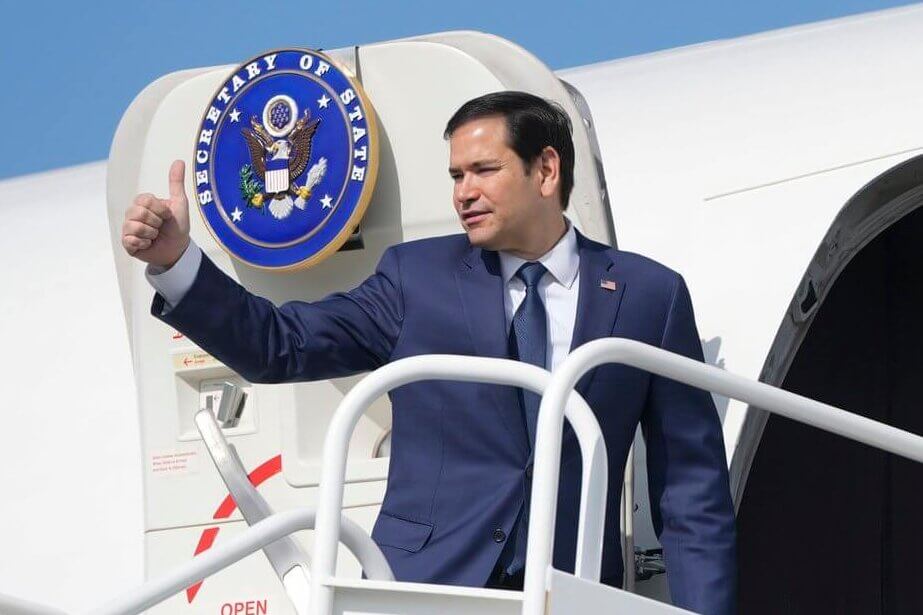
U.S. Secretary of State Marco Rubio is heading to the Vatican for what officials are already describing as a “frank” conversation with Pope Leo XIV, as friction between the White House and the Catholic Church intensifies. The visit comes after weeks of increasingly public disagreements between President Donald Trump and the first American-born pope over international conflicts, immigration policy, and the moral framing of war.
According to U.S. Ambassador to the Holy See Brian Burch, Rubio’s trip is intended to encourage “authentic dialogue” between Washington and the Vatican. Rubio, a practicing Catholic, is expected to discuss the conflict in Iran, broader Middle East tensions, and areas of shared concern in the Western Hemisphere. Vatican officials have also emphasized the importance of maintaining open channels of communication even amid political disagreements.
The meeting carries symbolic weight because it comes during one of the most strained periods in recent U.S.–Vatican relations. Pope Leo XIV has recently emerged as a sharp critic of the U.S.-Israeli war in Iran and has repeatedly spoken against policies he believes increase humanitarian suffering. Trump, meanwhile, has accused the pope of being naive on security matters and too critical of American foreign policy.
Trump’s Attacks on Pope Leo Intensify the Divide
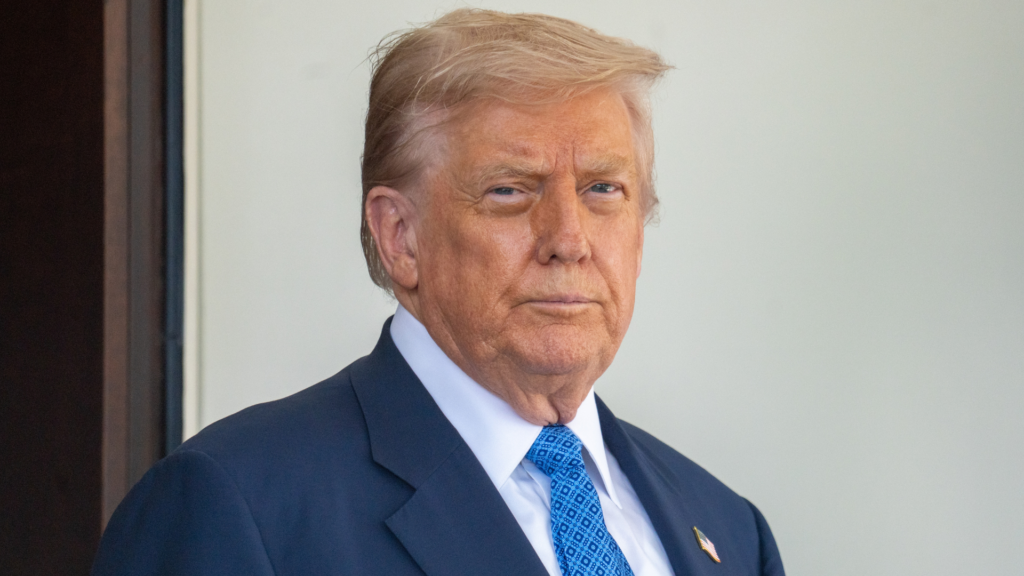
The tension escalated further after Trump publicly criticized Pope Leo during a radio interview, claiming the pontiff was effectively soft on Iran. Trump suggested the pope was indifferent to the dangers posed by Tehran’s nuclear ambitions, remarks that sparked backlash from religious leaders and political observers alike.
Pope Leo has never endorsed Iran obtaining nuclear weapons. Instead, he has consistently argued for diplomacy and de-escalation while warning about the human cost of war. The Vatican has framed its position as part of a broader commitment to peace and humanitarian protection, especially for civilians affected by international conflict.
The dispute has extended beyond policy disagreements and into public symbolism. Trump also faced criticism after posting a social media image likening himself to Jesus Christ, prompting further concern among Catholic leaders. U.S. bishops described themselves as “disheartened” by the rhetoric surrounding the pope, with some warning that the exchange reflected a troubling erosion of respect between political and spiritual leadership.
The Vatican Balances Criticism With Calls for Dialogue
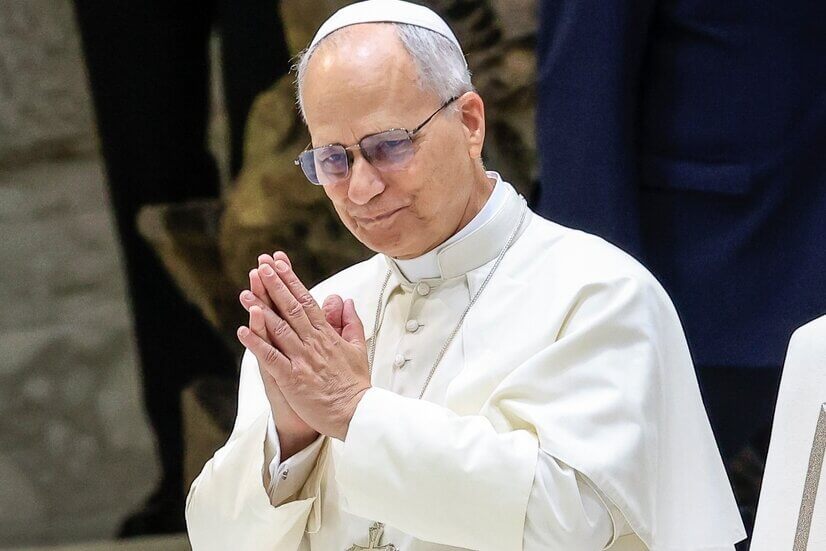
Despite the increasingly heated rhetoric, Vatican officials appear eager to avoid a complete breakdown in relations. Recent comments from Pope Leo and senior church leaders suggest a deliberate effort to reduce confrontation while continuing to defend the Church’s humanitarian priorities.
Observers say the Vatican is attempting to walk a careful line: maintaining moral criticism of war and immigration crackdowns while avoiding a direct political feud with the Trump administration. That balancing act has become more visible in recent weeks as both sides have occasionally softened their tone after public criticism intensified.
Rubio’s upcoming meeting is being viewed as part of that broader de-escalation effort. Ambassador Burch rejected the idea of a “deep rift” between Trump and Pope Leo, insisting that the purpose of the trip is to improve understanding and work through differences constructively. Rubio is also expected to meet Italian Prime Minister Giorgia Meloni, who has publicly defended the pope after Trump’s comments.
The Vatican’s preference for diplomacy over escalation has also shaped Pope Leo’s recent decisions on international appearances. Reports indicate the pope declined an invitation to attend a major U.S. anniversary celebration, choosing instead to focus on humanitarian visits tied to migration and refugee issues. Church officials said the decision reflected the pope’s broader mission rather than a rejection of the United States itself.
A Relationship That Could Shape Global Politics
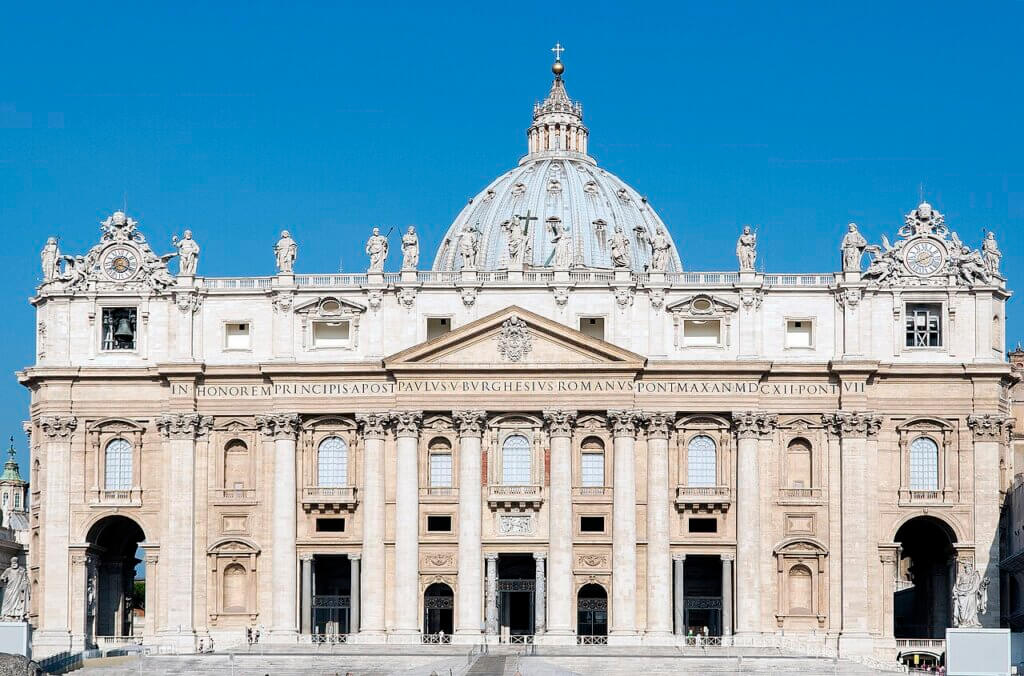
The dispute between Trump and Pope Leo highlights how deeply intertwined politics, religion, and diplomacy have become on the global stage. With roughly one in five Americans identifying as Catholic, tensions between the White House and the Vatican carry both international and domestic political implications.
Analysts note that Pope Leo’s criticism reflects a wider trend of religious leaders taking more vocal positions on humanitarian crises and military conflicts. The pope has repeatedly emphasized the need for peace, dialogue, and protection of vulnerable populations, even when those positions place him at odds with world leaders.
At the same time, the Trump administration has defended its policies as necessary for national security and global stability. Trump allies argue that the president’s approach toward Iran and immigration reflects practical geopolitical concerns rather than hostility toward the Church. Rubio’s visit may therefore serve as an opportunity to clarify positions while preventing further deterioration in relations.
Whether the meeting produces a meaningful reset remains uncertain. Still, both Washington and the Vatican appear aware that continued escalation benefits neither side. As Rubio prepares for his talks with Pope Leo, the broader relationship between political authority and moral leadership is once again being tested on the world stage.