

Products are selected by our editors, we may earn commission from links on this page.
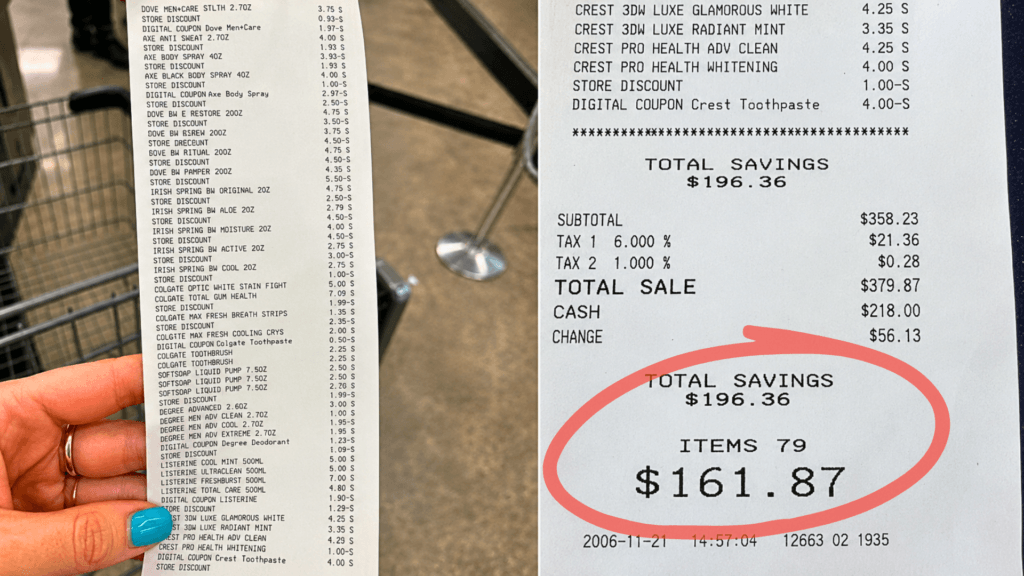
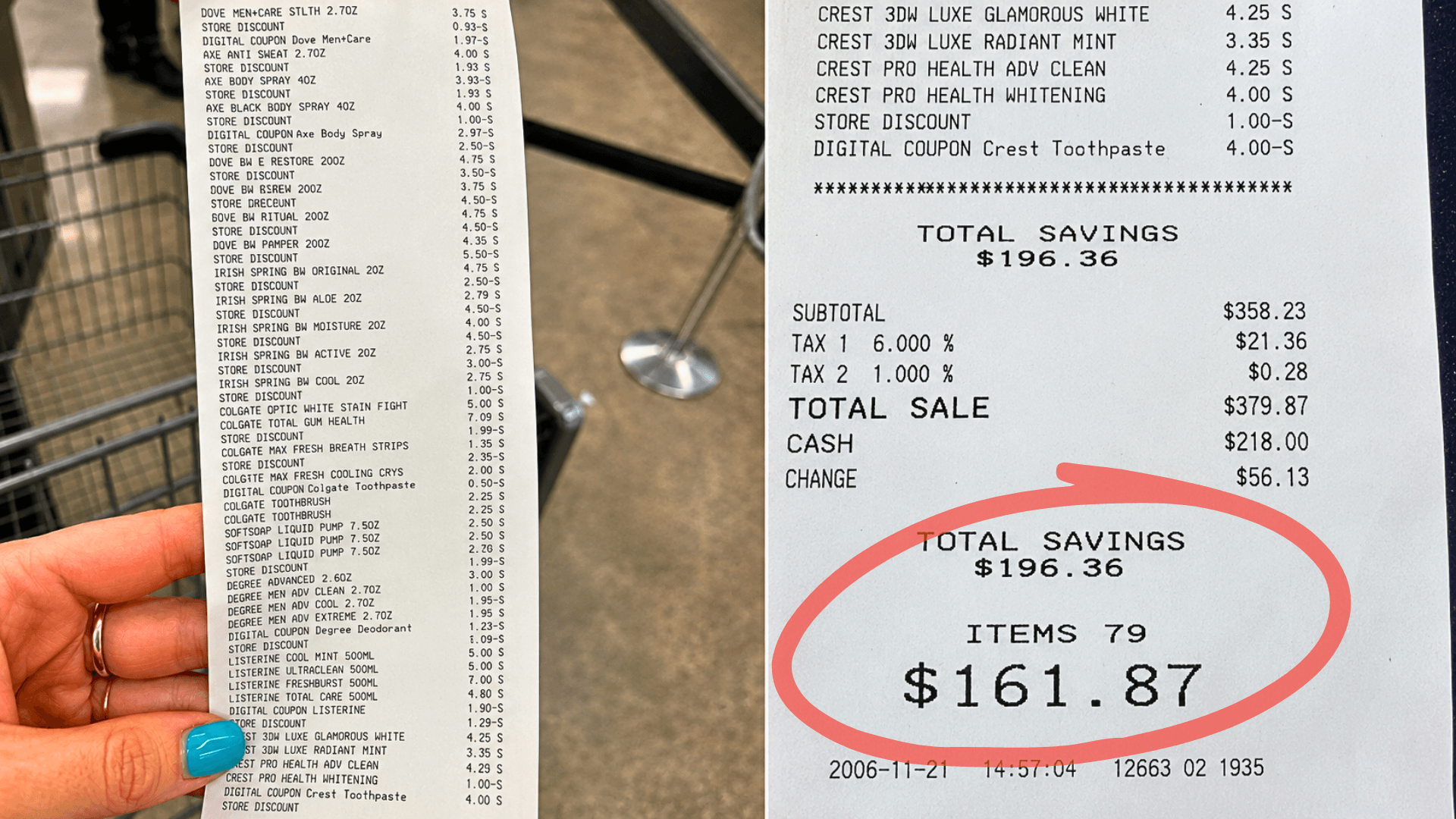
Finding an old piece of paper from two decades ago might seem trivial, but a recent social media post has shattered American consumer morale. An online user named Kylei shared a photograph of her mother’s Walmart grocery receipt from 2006. The total cost for a massive haul of seventy-nine individual items was only $161.87. The post instantly struck a nerve, amassing millions of views from shocked citizens. This artifact reveals how drastically our daily purchasing power has eroded.
This article was created with the assistance of AI and reviewed by our editorial team for accuracy and clarity.
Evidence From a Supposedly Lost Civilization
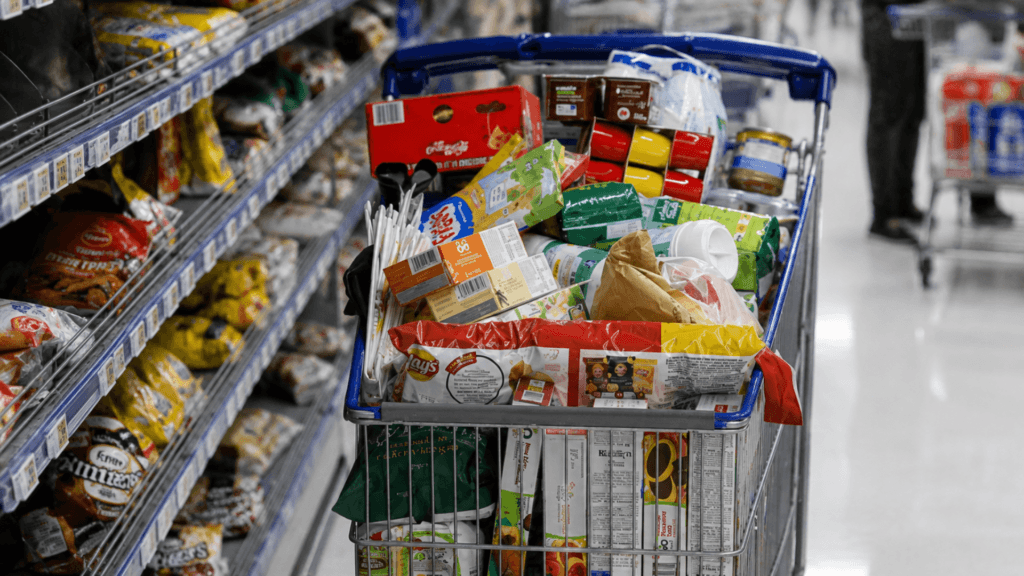
The viral receipt reads like a text from a completely different era of American history. Modern shoppers looking closely at the breakdown are astonished by the specific variety of items that $161 managed to secure. The cart did not just contain cheap filler products or basic starches. It was packed with high-quality proteins like salmon, fresh shrimp, chicken wings, and standard meats alongside fresh produce. Today, that identical cart would decimate an average family budget.
The Shocking Breakdown of Historical Staples
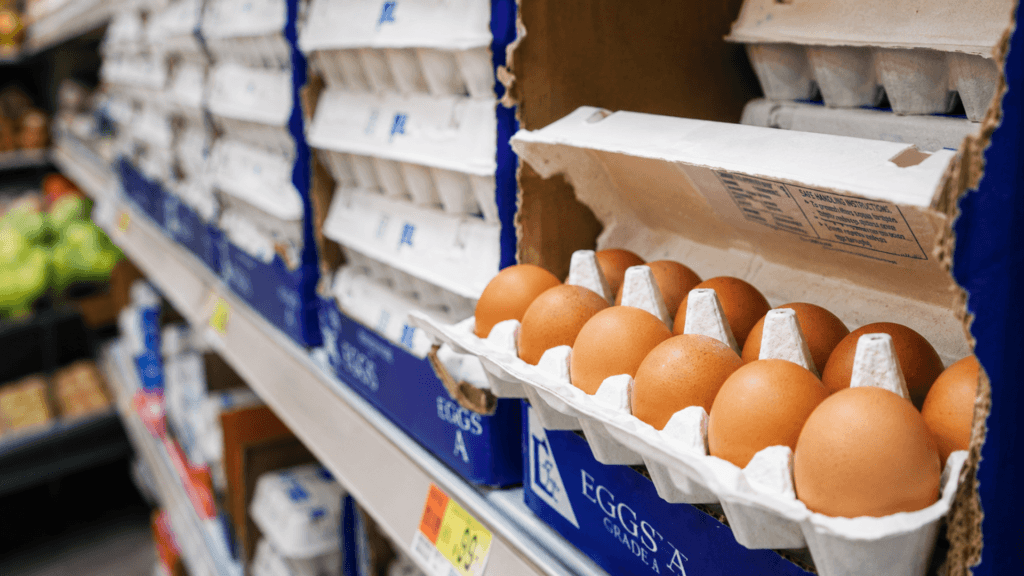
Looking back at individual prices from 2006 exposes a staggering reality check for the modern American household. Back then, a carton of eggs cost a meager $1.28, while fresh tomatoes were priced at just $1.24 per pound. National name-brand cereal boxes and bags of potato chips regularly sat comfortably under the two-dollar mark. Seeing these exact numbers listed sequentially on official store paper has forced consumers to recognize just how much standard inflation has slowly decoupled from normal wage growth.
The Unprecedented Surge in Modern Grocery Bills
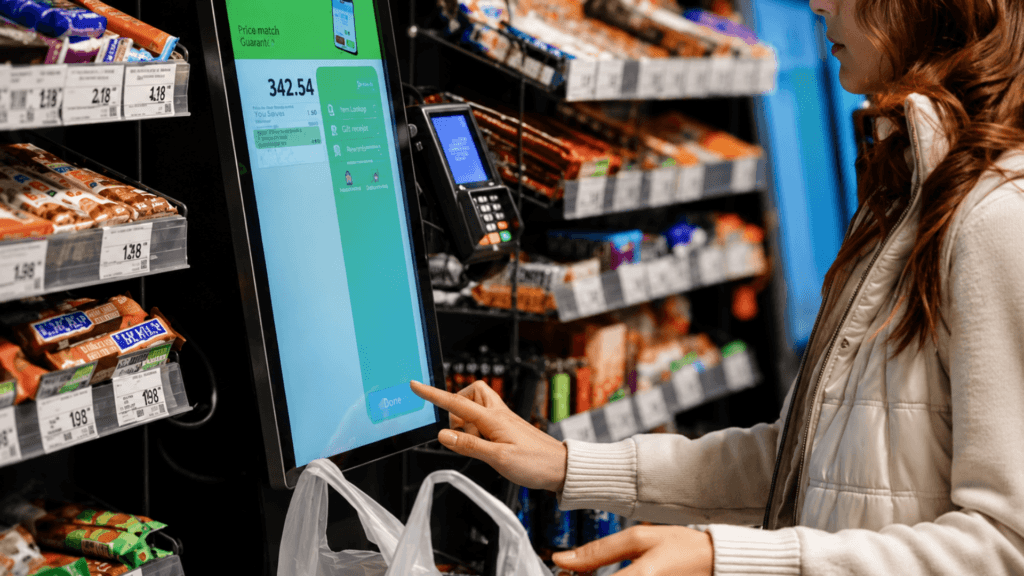
This collective online nostalgia is grounded in severe economic pain that Americans feel at checkout counters every single week. The latest data from the Labor Department reveals that food-at-home costs recently jumped by 0.7 percent in a single month. This metric marks the sharpest monthly increase the nation has experienced since 2022. The sudden acceleration proves that the ongoing grocery pricing crisis is far from over, and it explains why families are looking backward in envy.
Ground Beef and Nonalcoholic Drinks Skyrocket
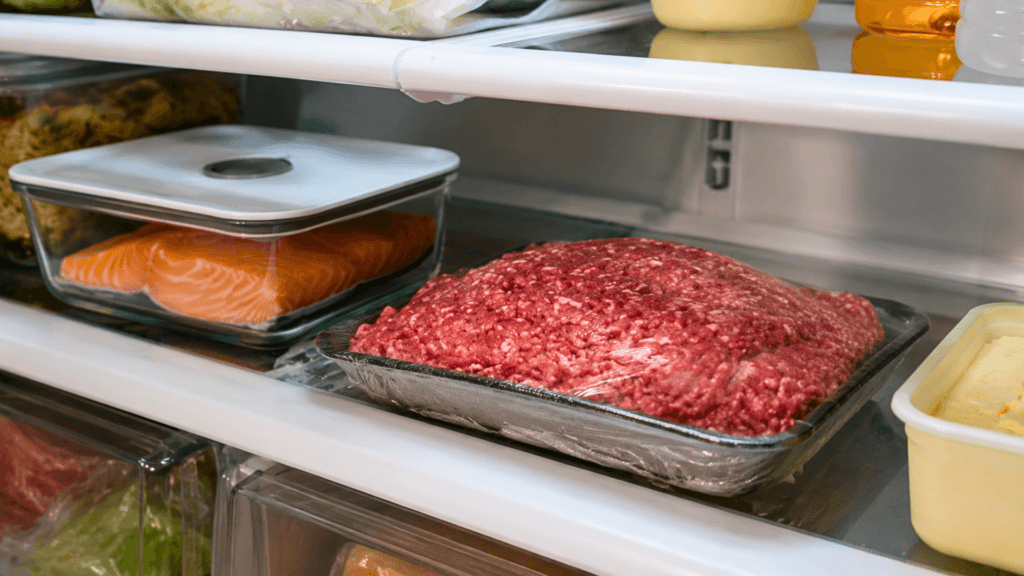
The financial damage becomes painfully clear when examining the specific kitchen staples that have driven modern bills skyward. For example, the average price of standard ground beef has climbed to roughly $6.90 per pound, representing a harsh fifteen percent increase over the previous year alone. At the same time, the cost of nonalcoholic beverages like juices and sodas surged by 5.1 percent annually. These compounding numbers force families to spend significantly more money just to maintain baseline nutrition.
Tomatoes Witness a Staggering Price Hike
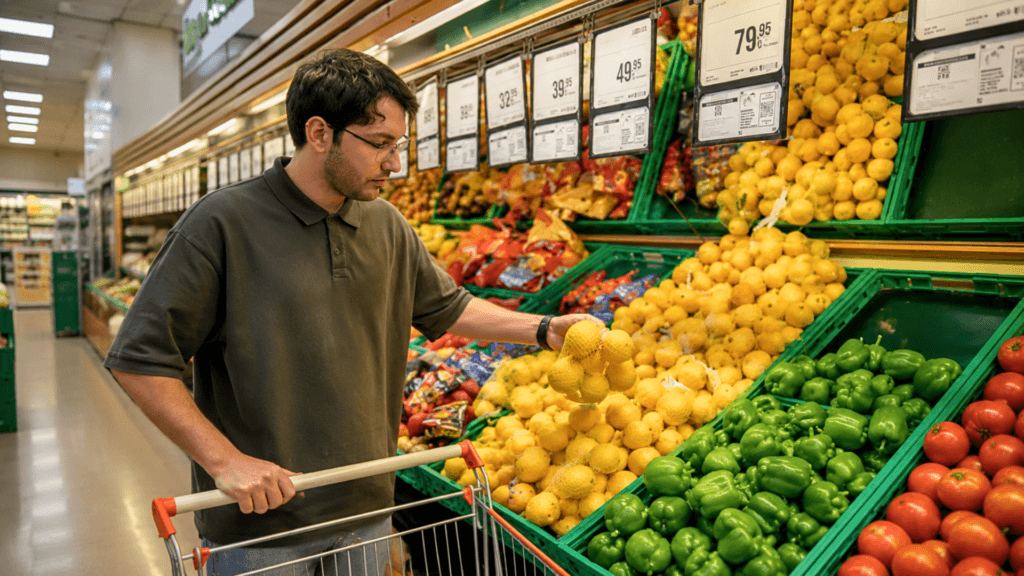
Produce aisles offer absolutely no relief for budget-conscious families trying to eat healthily. Fresh tomatoes experienced an immediate 15.1 percent price spike in April alone, pushing their total annual cost up by a staggering forty percent. When a single base ingredient for everyday salads and dinners experiences that level of volatile market fluctuation, it disrupts meal planning nationwide. Shifting global logistics and agricultural realities mean that fresh vegetables are quickly becoming luxury items for many households.
The Complex External Forces Driving the Crisis
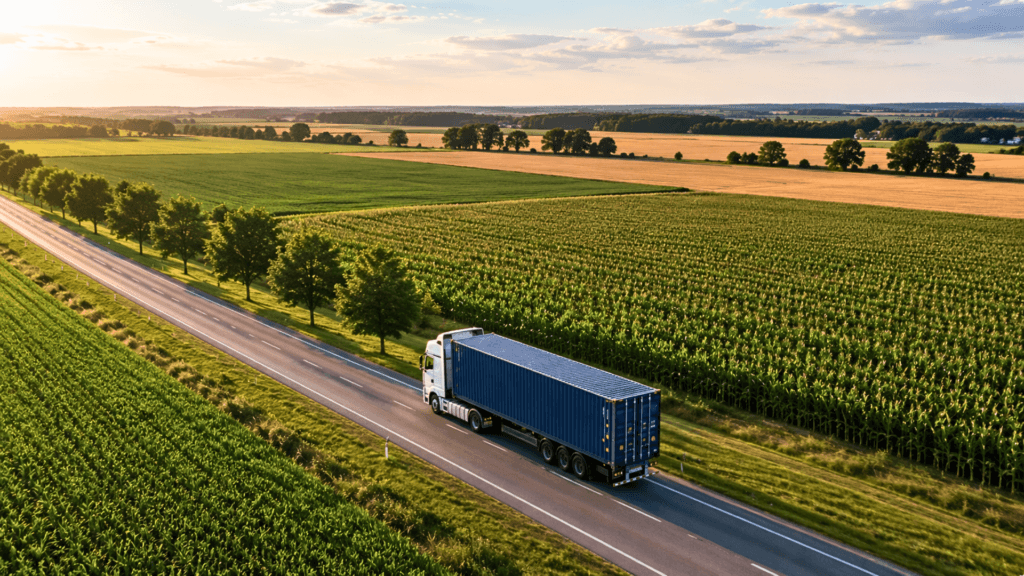
Why are modern grocery prices refusing to stabilize? Economists point to a perfect storm of systemic global disruptions that directly impact American supply chains. Steep transportation expenses driven by high diesel fuel costs make moving food across the country incredibly expensive. Additionally, unpredictable global conflicts have severely altered international grain markets, while extreme weather disruptions continue to ruin seasonal crop yields. These layered problems ultimately trickle directly down into the retail prices stamped on supermarket shelves.
Food Economists Offer Critical Survival Tactics
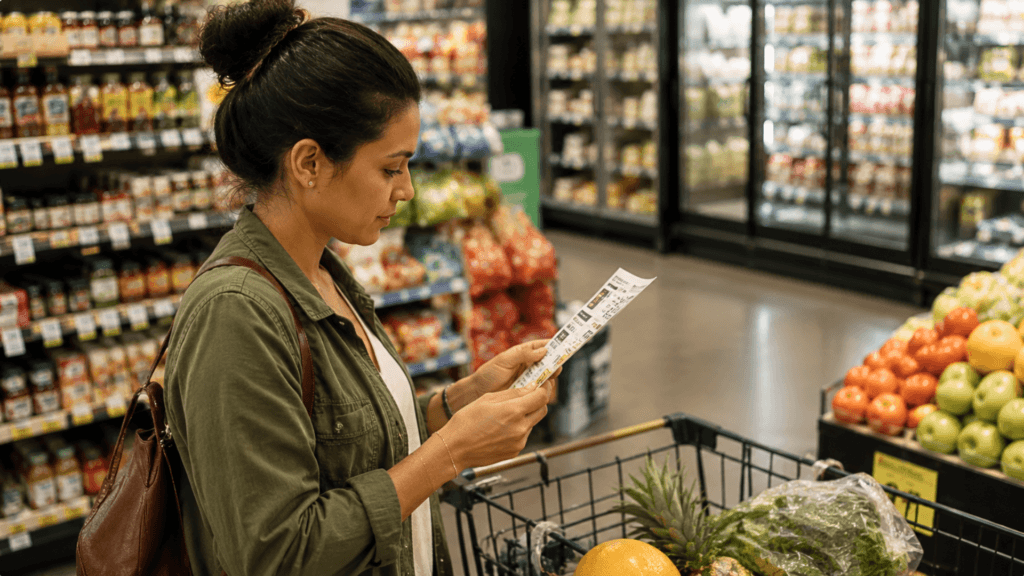
To combat these historic price hikes, consumers must fundamentally change how they approach the grocery store. David Ortega, a prominent food economist and professor at Michigan State University, urges shoppers to aggressively hunt for localized savings. Because individual grocery chains are actively competing for shrinking consumer dollars, stores frequently run deep promotions on specific items. By comparing weekly ads and shifting shopping habits across multiple local retailers, families can secure meaningful reductions on their monthly overhead.
Rethinking Proteins and Private Store Labels
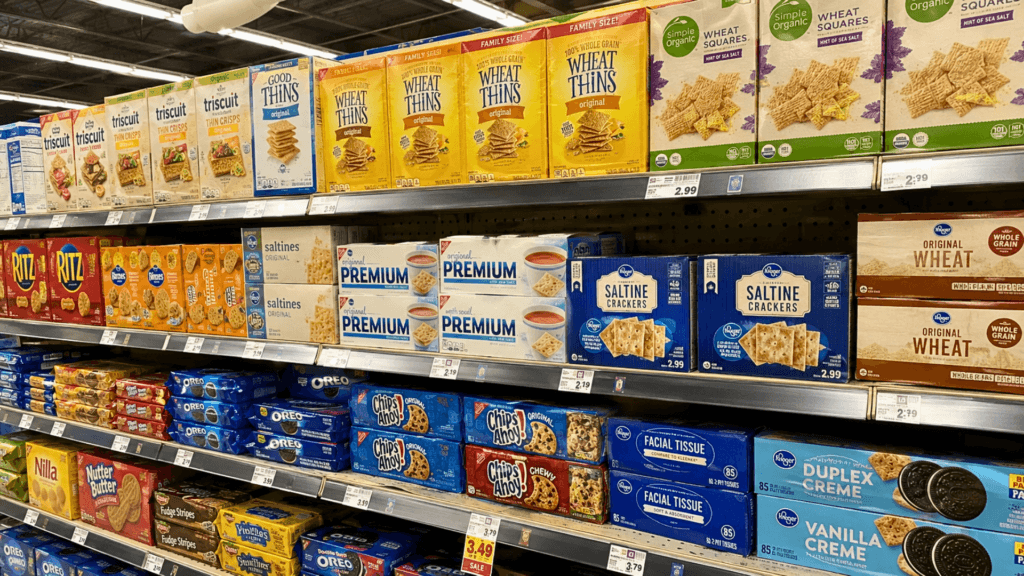
Experts also suggest modifying grocery lists to avoid the most volatile food categories. While beef prices remain incredibly high, alternative protein options like chicken, pork, and recently stabilized egg products offer much better value. Furthermore, switching from recognizable national brands to private store labels provides comparable quality for a fraction of the cost. Making these slight tactical adjustments across a handful of weekly meals can help shield an average household from the full brunt of grocery inflation.
The Long-Term Outlook for Public Trust
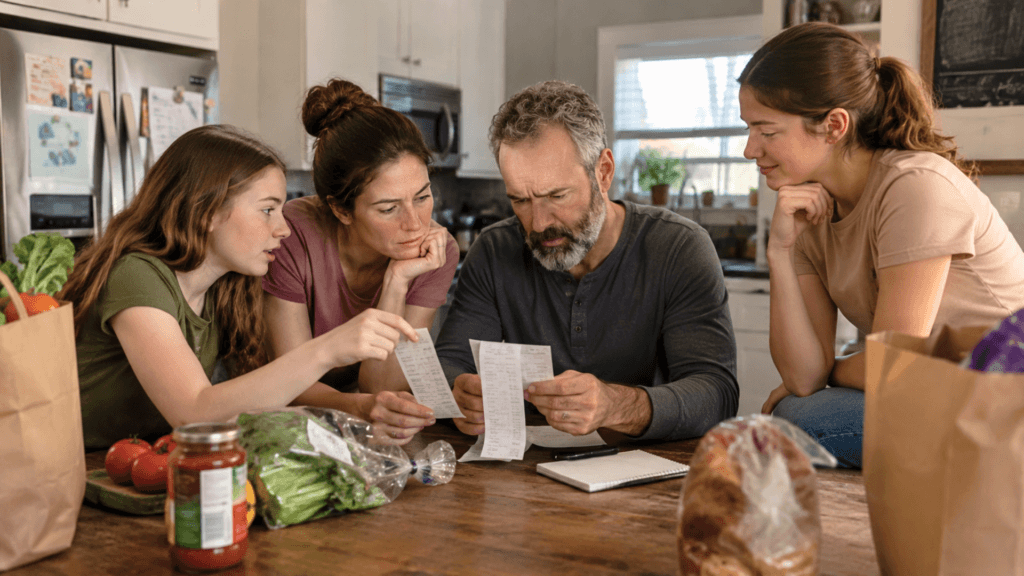
The viral response to a simple 2006 receipt underscores a deep structural anxiety regarding the future of American affordability. While strategic shopping habits and generic labels can help mitigate immediate costs, they do not solve the underlying economic pressures squeezing the working class. As food remains an inescapable daily expense, consumers are left wondering whether these inflated grocery prices represent a permanent new reality. Will our modern receipts look equally shocking to the next generation of American families?