


Products are selected by our editors, we may earn commission from links on this page.

The democratic process in Virginia has been thrown into chaos after a state judge halted the certification of a controversial redistricting referendum. Just twenty-four hours after voters narrowly passed the measure to redraw the state’s congressional boundaries, a court ruling has frozen the results. This sudden intervention creates a massive legal hurdle for a map that could fundamentally shift the balance of power in Washington, leaving the state’s electoral future hanging in the balance.
Tazewell County Circuit Court Judge Jack Hurley Junior issued the ruling following a lawsuit brought forward by the Republican National Committee. In his decision, the judge described the ballot measure as flagrantly misleading and argued that lawmakers failed to follow constitutional rules for amendments. The core of the dispute centers on whether the language presented to voters accurately reflected the changes being made. This legal clash has turned a victory for proponents into a courtroom standoff.
The redistricting plan at the heart of this battle is extremely consequential for both political parties as they prepare for upcoming elections. While Democrats currently hold six of the state’s eleven congressional seats, the proposed maps would likely expand that lead to a ten to one advantage. This potential shift is part of a broader national struggle over gerrymandering and district lines. As legal challenges mount, the question remains whether the maps will even be in place by November.
Accusations of Misleading Language on the Ballot
The primary reason for the judge’s intervention was the specific wording used in the referendum. Critics argue that the measure, which claimed the new districts would restore fairness, was designed to influence voters rather than inform them. Judge Hurley’s ruling suggests that the process used to bring the amendment to the ballot was flawed and did not meet the rigorous standards required by law. This focus on procedural integrity has become a major point of contention.
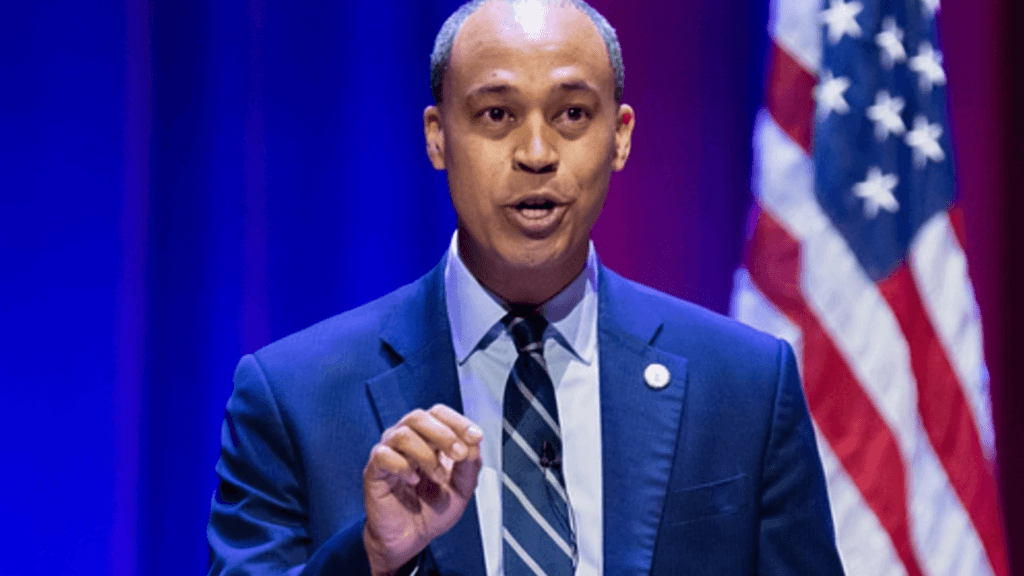
Attorney General Jay Jones, a Democrat, immediately vowed to appeal the decision and defend the will of the voters. He criticized the ruling as the work of an activist judge and argued that a single court should not have the power to overturn a public vote. The state’s top legal officer maintains that the measure was legitimate and that the people’s voice should be respected. This high profile disagreement sets the stage for a dramatic appeal process.
Legal experts note that this particular referendum had already faced several challenges before it ever reached the voters. The Supreme Court of Virginia previously allowed the vote to proceed while reserving the right to review the legality of the measure later. The current block on certification means that even though the votes have been cast, they cannot be officially finalized. This creates a period of intense uncertainty for candidates and election officials across the state.
A National Gerrymandering Arms Race Intensifies
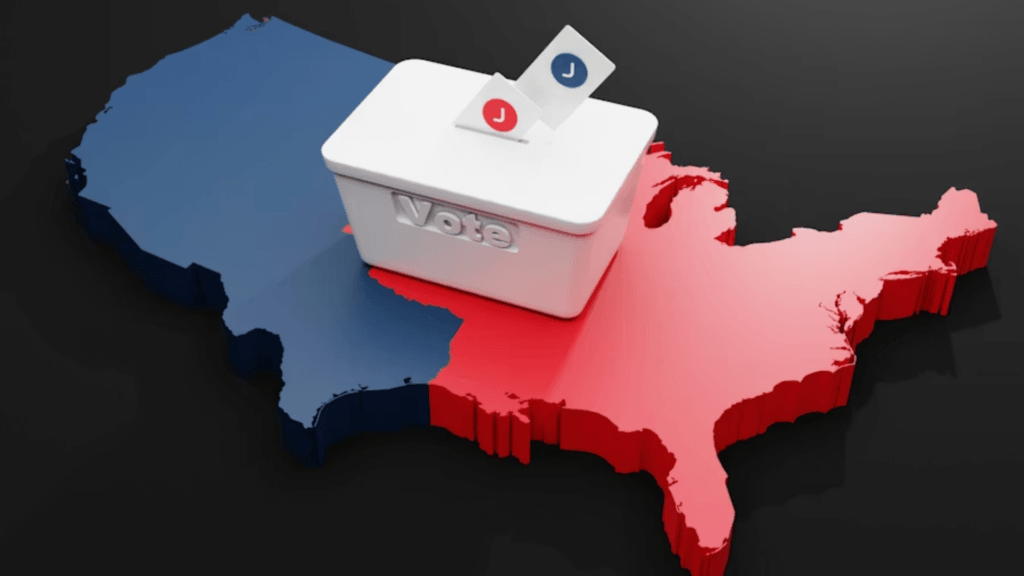
The situation in Virginia is part of a much larger national trend where both parties are aggressively redrawing maps to secure long term advantages. Political analysts describe these efforts as an arms race, with each side attempting to insulate themselves from potential shifts in the political climate. The Virginia map is particularly striking because of the lopsided advantage it provides to one party. Such drastic changes often lead to protracted legal battles that can last for years.
Kyle Kondik, an expert at the University of Virginia Center for Politics, suggested that the voter approval was only the first hurdle in a very long race. Even with a successful referendum, the map must still survive a rigorous judicial review to ensure it does not violate voting rights or constitutional protections. The complexity of these cases means that election preparations are often interrupted by new court orders. This instability can lead to confusion for voters who may not know which district they live in.
As the 2026 midterm elections approach, the pressure to finalize these maps is reaching a breaking point. Proponents of the new districts argue they are necessary to correct past imbalances, while opponents claim they are a blatant attempt to silence political competition. The outcome in Virginia could serve as a precedent for how other states handle similar ballot initiatives. For now, the fight over fairness and representation is being settled in a courtroom rather than a polling place.
Waiting for a Final Verdict on Voter Intent
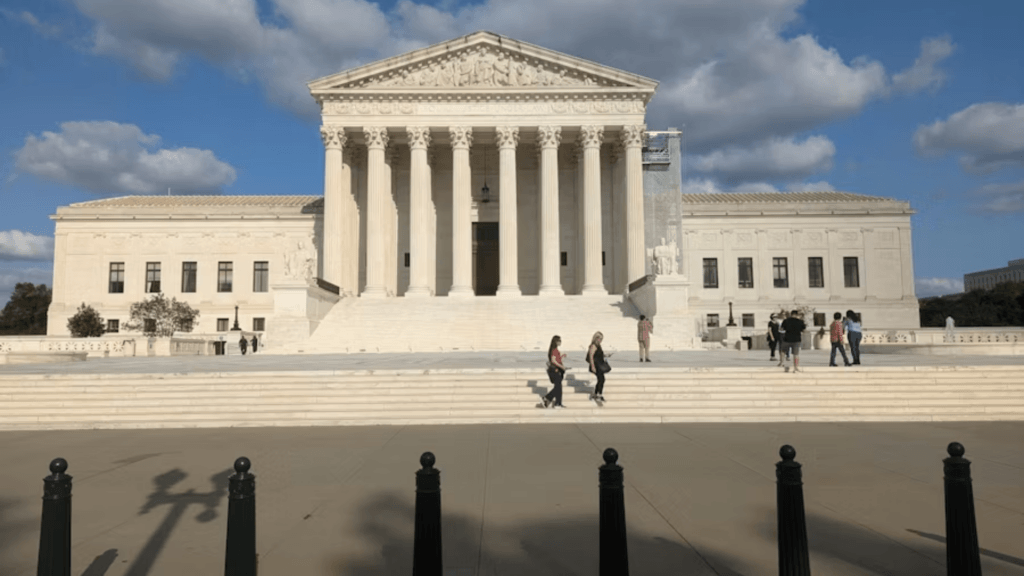
The next steps for Virginia will likely involve a fast tracked hearing at the state’s highest court. Both sides are preparing for a definitive ruling that will determine if the narrow margin of victory for the referendum will stand. If the lower court’s ruling is upheld, lawmakers may be forced to start the redistricting process over from scratch. This would be a major blow to those who spent months campaigning for the changes.
The conflict highlights a growing tension between direct democracy through referendums and the oversight provided by the judicial branch. While voters expressed their preference at the polls, the court’s role is to ensure that the process remains within the boundaries of the law. This check and balance system is designed to prevent misleading measures from altering the state constitution without proper scrutiny. However, it can also lead to deep public frustration when a popular vote is blocked.
Regardless of the final legal outcome, the battle over Virginia’s congressional map has already left a mark on the state’s political landscape. The controversy has sparked intense debate over the transparency of ballot language and the ethics of redistricting. As the legal clock ticks toward the next election cycle, the fate of the people’s vote remains an unresolved question. Virginians must now wait to see if their choice at the ballot box will be allowed to count or if the lines will be redrawn yet again.