

Products are selected by our editors, we may earn commission from links on this page.
Most people think of stress as something that lives in the mind, but your skin is wired into the same system. Scientists call this the brain-skin connection, and it works in both directions. When your brain senses pressure, whether from work, relationships, or lack of sleep, it sends out chemical signals that travel straight to your skin cells. At the same time, irritated or inflamed skin can send signals back to the brain that keep the stress cycle going. This means a stressful week and a sudden breakout are often more connected than you’d think. The next few facts explain exactly how that link plays out on your face.
This article was created with the assistance of AI and reviewed by our editorial team for accuracy and clarity.
One Hormone Is Behind Most of the Damage
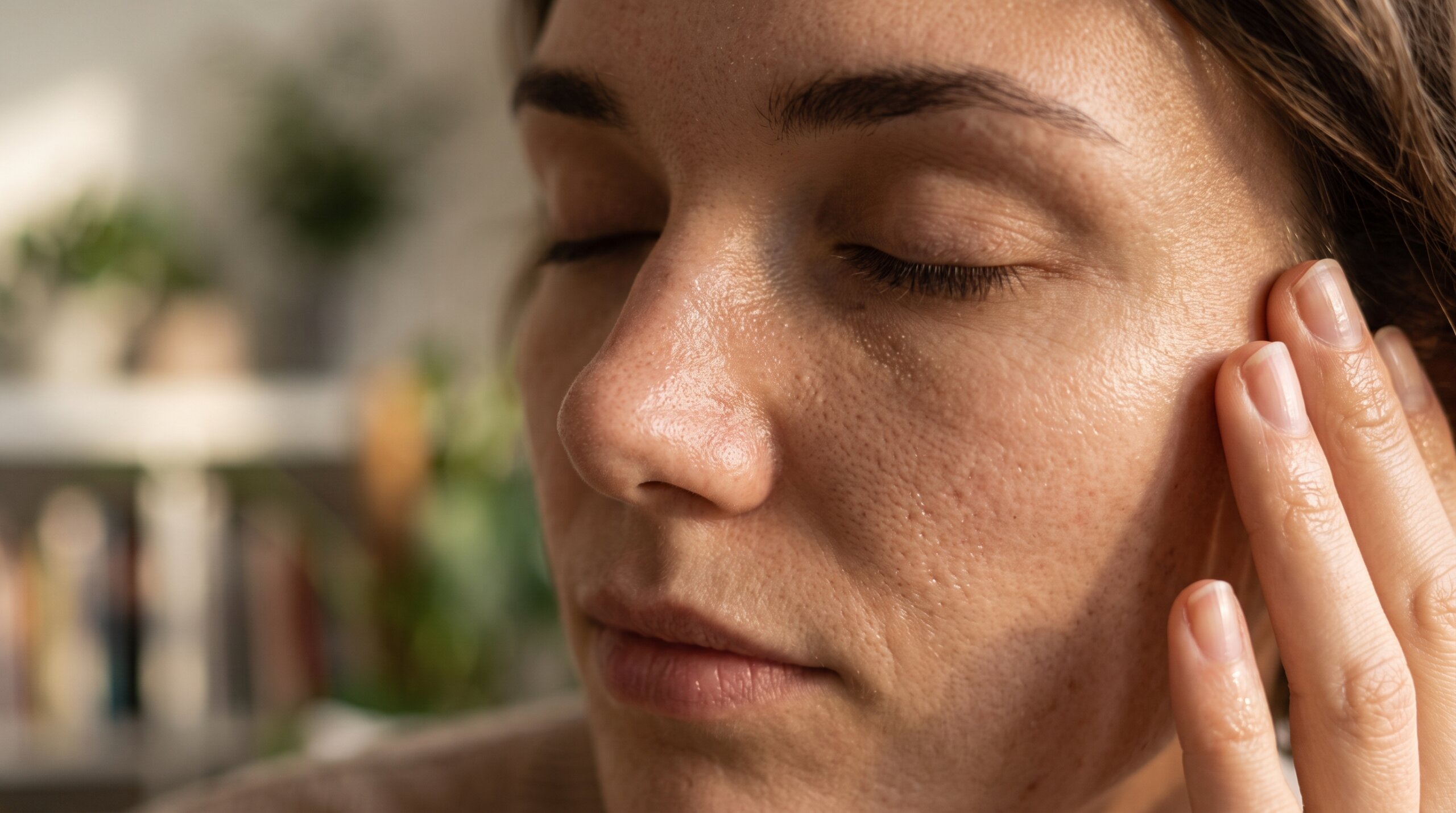
Cortisol is often called the stress hormone, and it plays a starring role in how your skin reacts under pressure. When you’re anxious or overwhelmed, your body releases more cortisol than usual. This tells the oil glands in your skin to ramp up production, which can leave your face looking shinier and more prone to clogged pores. Higher cortisol levels can also slow down how quickly your skin repairs itself. That combination of excess oil and slower healing is a big reason stressful periods often coincide with more noticeable skin issues, even for people who rarely struggle with them otherwise.
Breakouts Often Show Up Days Later
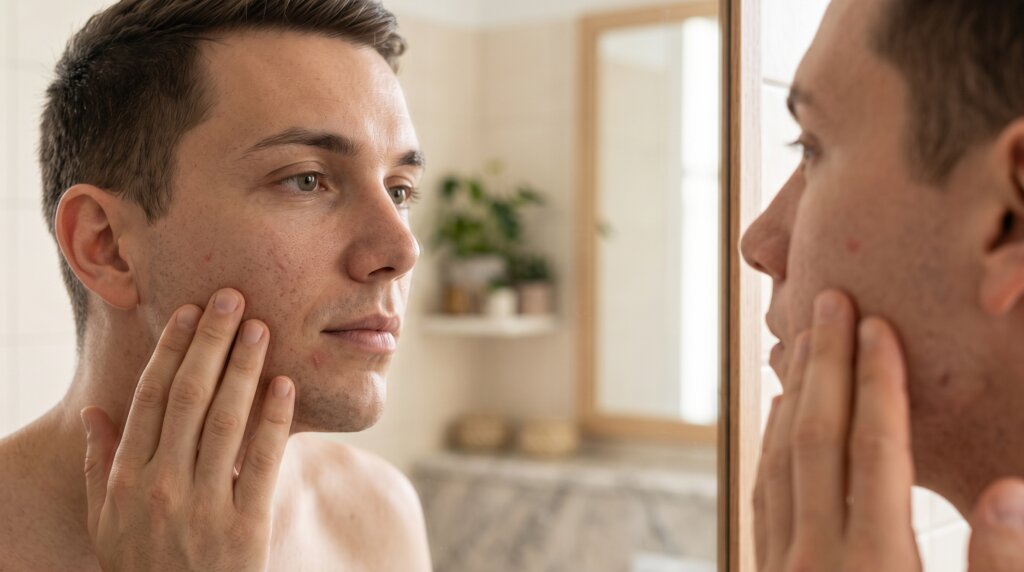
If you’ve ever noticed a pimple appearing after a stressful event has already passed, you’re not imagining things. Skin cells take time to respond to hormonal shifts, so a stressful deadline or difficult week may not show up on your face until several days afterward. This delay is one reason people often struggle to connect their skin flare ups to a specific cause. Dermatologists frequently ask patients about stress levels from the prior week, not just the current day, when trying to figure out what triggered a breakout. Recognizing this lag can help you spot patterns in your own skin over time.
Existing Skin Conditions Can Get Worse Under Pressure
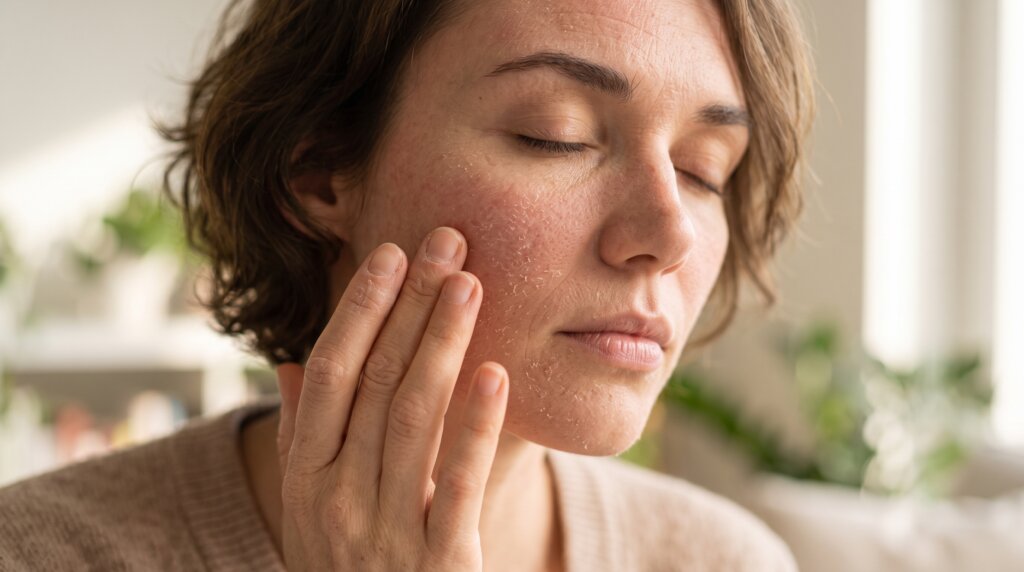
Stress does not just cause new problems, it tends to intensify ones that are already there. Conditions like eczema, psoriasis, and rosacea are known to flare during stressful periods. This happens because stress affects the immune system, making it more reactive and prone to inflammation. For people managing a chronic skin condition, this creates a frustrating cycle: the skin issue causes stress, and that stress then makes the skin issue worse. Dermatologists often recommend stress management as part of a treatment plan, not as an afterthought, precisely because of how closely the two are linked.
Your Skin Barrier Can Weaken Without You Noticing
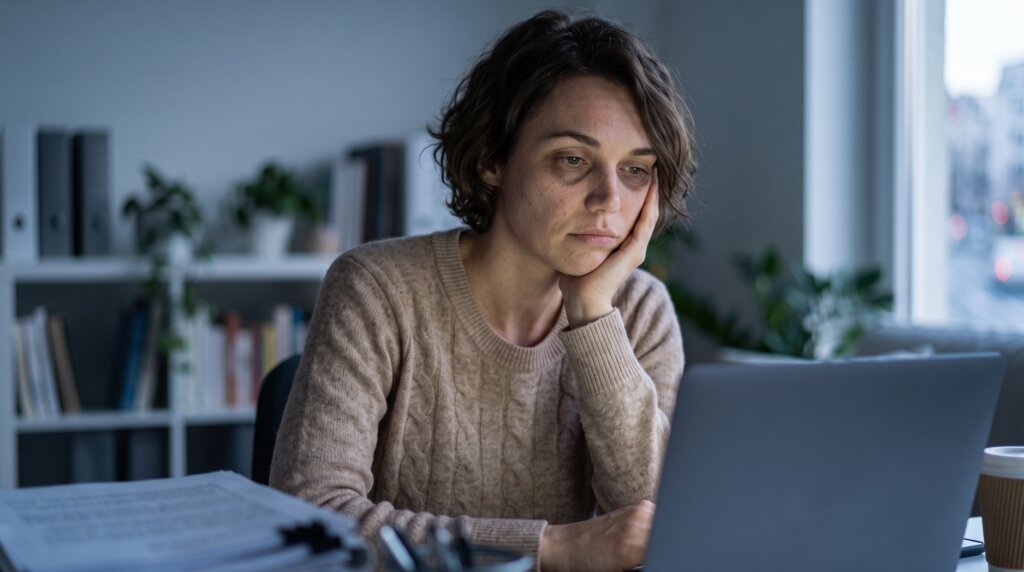
Your skin barrier is the outermost layer that keeps moisture in and irritants out. Research has shown that psychological stress can slow down how quickly this barrier repairs itself after everyday damage, like exposure to weather or harsh products. A weaker barrier means your skin loses moisture more easily and becomes more sensitive to things that normally wouldn’t bother it. This is part of why stressed skin often feels drier, tighter, or more reactive than usual, even if your skincare routine hasn’t changed at all.
Dark Circles Are Not Only About Sleep
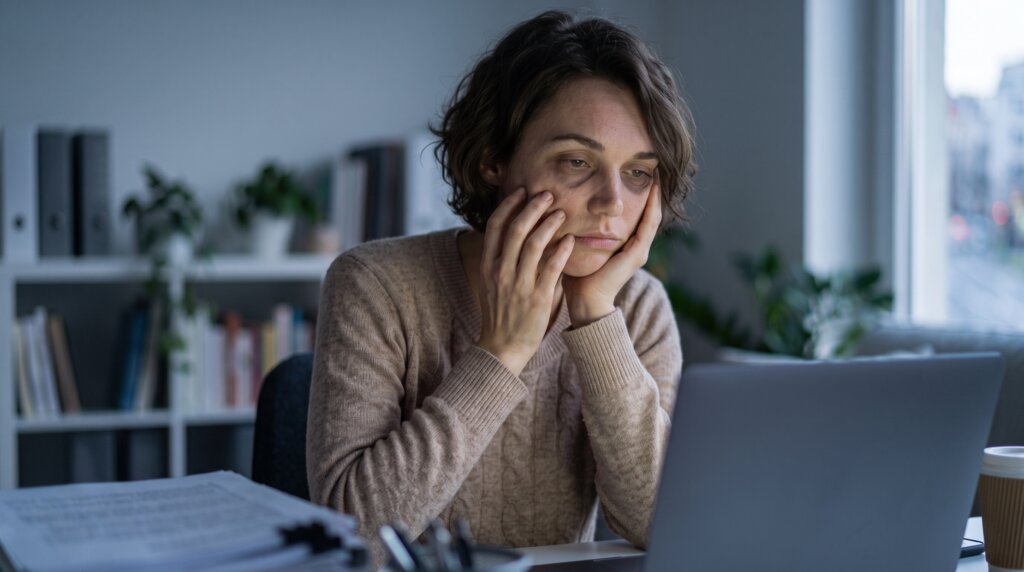
It’s easy to blame under eye circles entirely on a bad night’s sleep, but stress plays its own separate role. Anxiety and tension can affect blood flow and circulation, which may make the delicate skin under your eyes appear darker or more hollow. Stress also frequently disrupts sleep quality even when total hours look fine, compounding the effect. Surveys of skin concerns consistently list dark circles among the most commonly reported issues during high stress periods, particularly among younger adults juggling demanding schedules.
Stress Can Trigger Habits That Harm Your Skin Indirectly
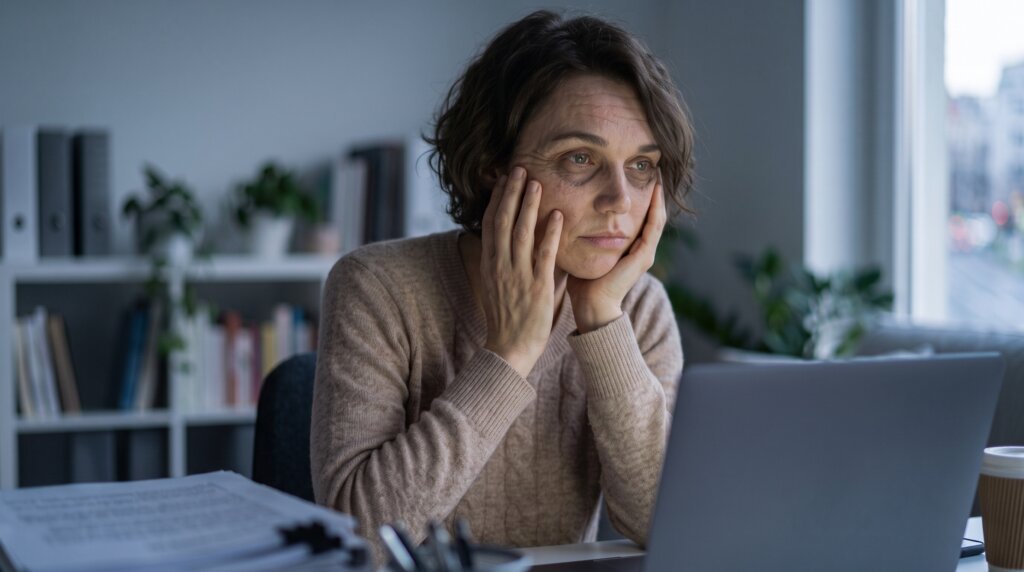
Beyond the internal chemistry, stress often changes behavior in ways that quietly affect your complexion. Many people pick at their skin, touch their face more, or grind their teeth when anxious, all of which can irritate skin or contribute to breakouts and tension lines. Stress can also lead to skipping skincare routines altogether, whether that means forgetting sunscreen or going to bed without washing off makeup. These small lapses add up over time, meaning some of stress’s damage comes less from hormones and more from the habits it encourages.
Aging Signs Can Accelerate During Stressful Periods
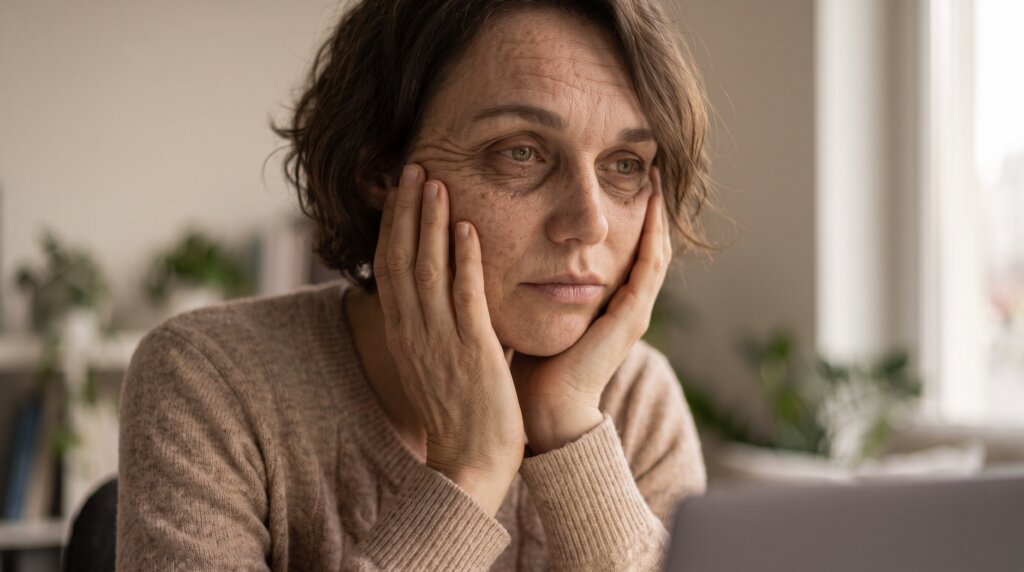
Chronic, ongoing stress has been linked to visible signs of premature skin aging, including fine lines, dullness, and loss of firmness. Surveys of women have found that the vast majority believe there is a real connection between stress and how quickly their skin appears to age, and dermatologists largely agree. The theory is that prolonged inflammation from stress can interfere with collagen production over time. While occasional stress is unlikely to cause lasting change, sustained high stress over months or years appears to have a cumulative effect on skin’s appearance.
Small Daily Habits Can Interrupt the Cycle
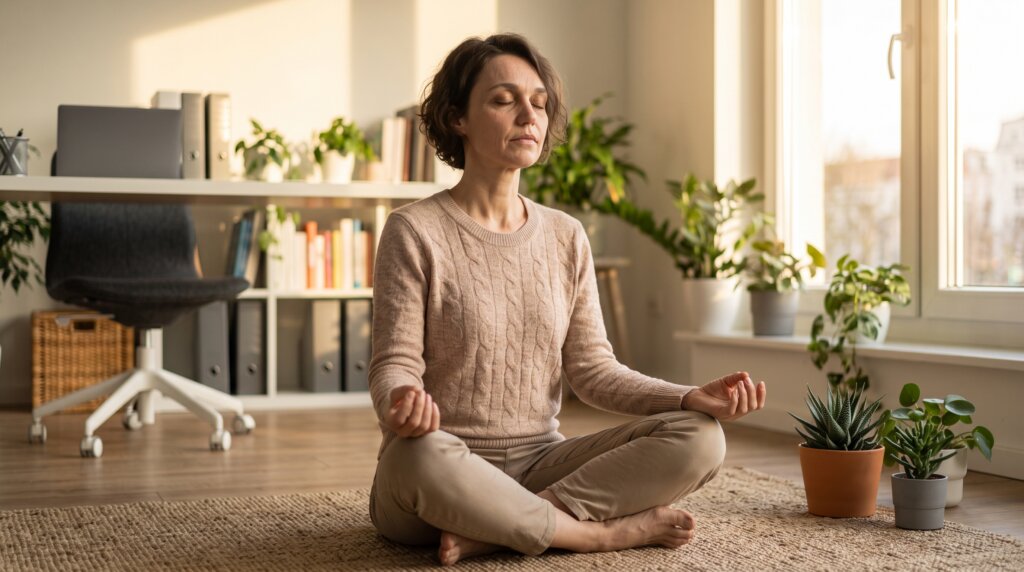
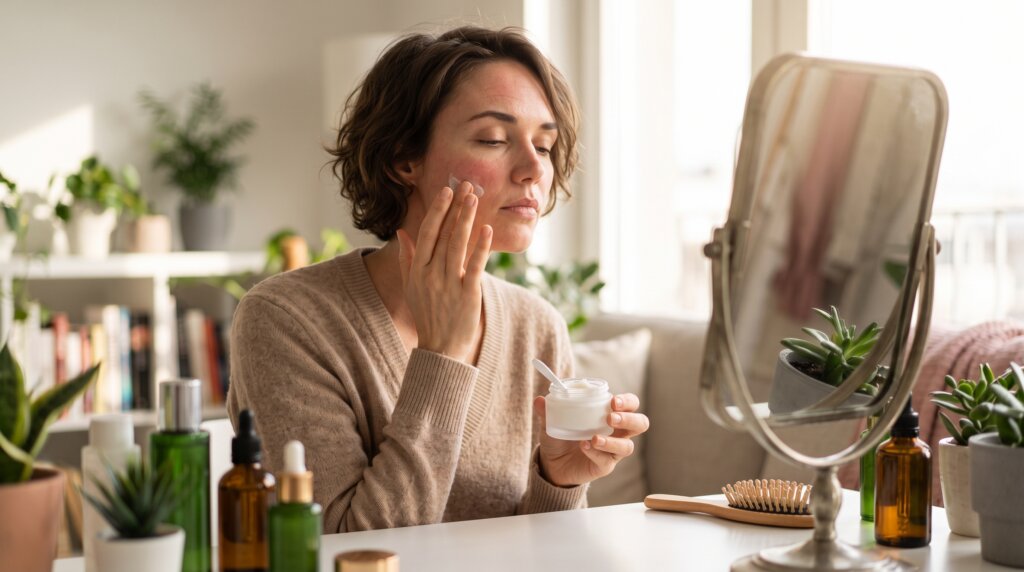
The encouraging part is that the brain-skin connection works both ways, meaning calming the mind can visibly help the skin. Simple, consistent habits such as regular exercise, adequate sleep, and short daily relaxation practices like deep breathing have been shown to support skin health alongside general wellbeing. You don’t need a dramatic lifestyle overhaul. Even ten minutes of intentional downtime a day, paired with a basic skincare routine you stick to regardless of how busy you are, can help reduce how much stress shows up on your face.
The Biggest Takeaway About Stress and Your Skin

Your skin is more than a reflection of your skincare products, it’s a genuine indicator of how your body is handling pressure. From oil production to healing speed to visible aging, stress touches nearly every part of skin health. The good news is that this connection gives you real influence over the outcome. Managing stress through sleep, movement, and moments of rest is not just good for your mood, it is one of the most effective things you can do for your complexion over the long run.