

Products are selected by our editors, we may earn commission from links on this page.
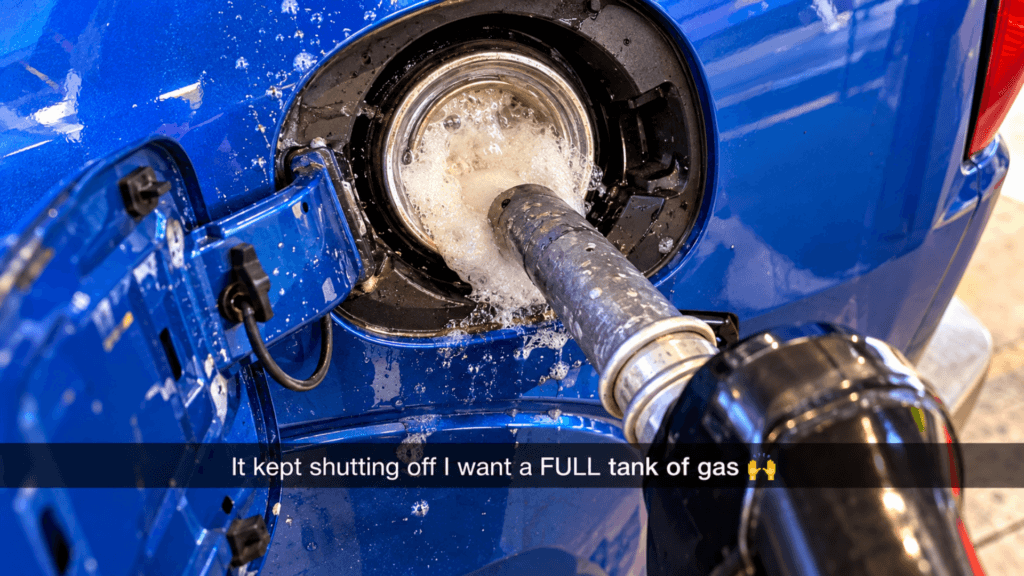
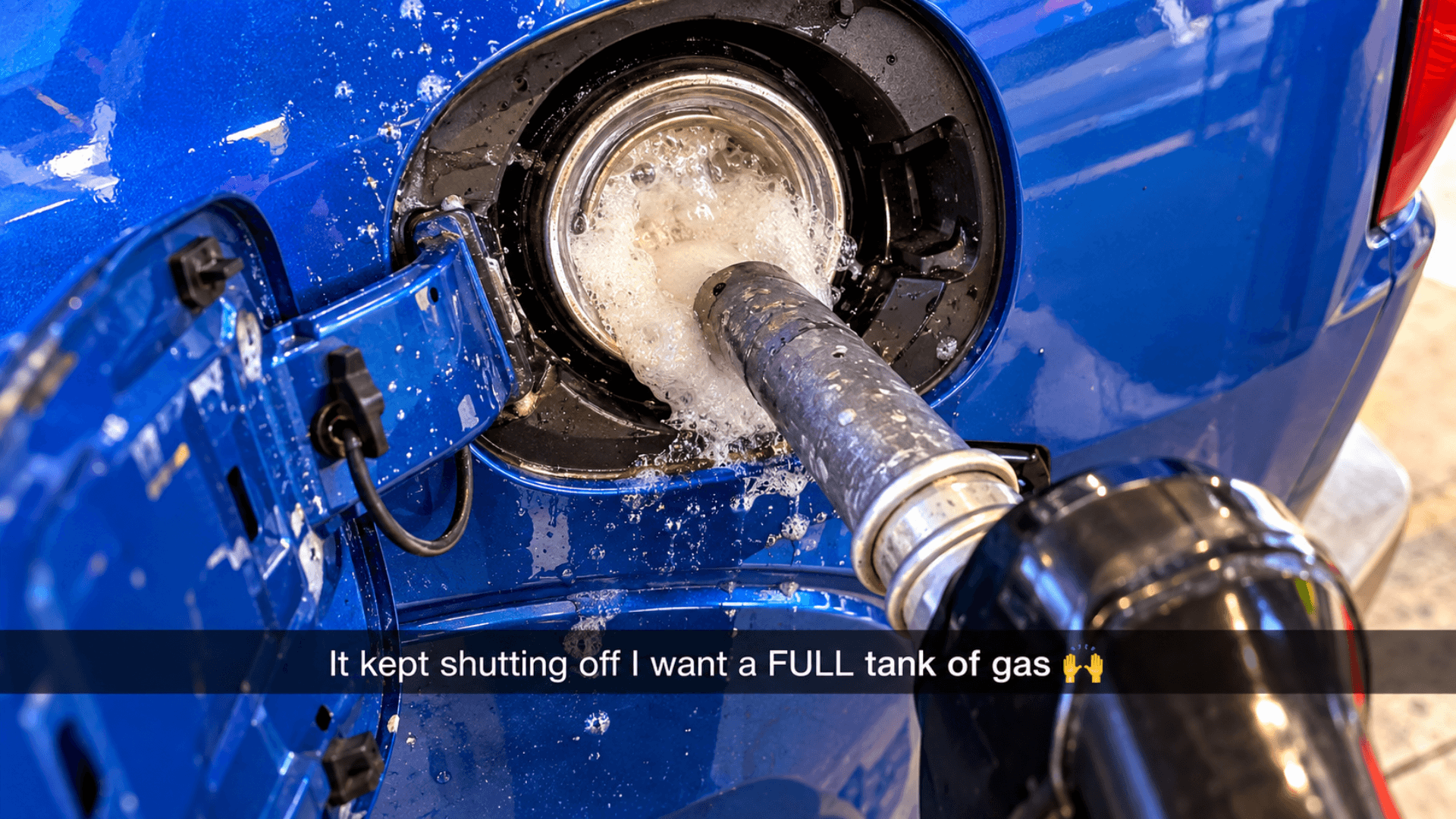
A gas pump clicking off before the tank actually reaches full ranks among the more annoying quirks of a routine fill-up. The good news is this isn’t random or broken equipment necessarily. There are specific, identifiable reasons behind the repeated shutoffs, tied to the nozzle itself, the particular gas station, or even your own vehicle, along with real steps to address each one.
This article was created with the assistance of AI and reviewed by our editorial team for accuracy and clarity.
The Nozzle Is Smarter Than You’d Ever Guess
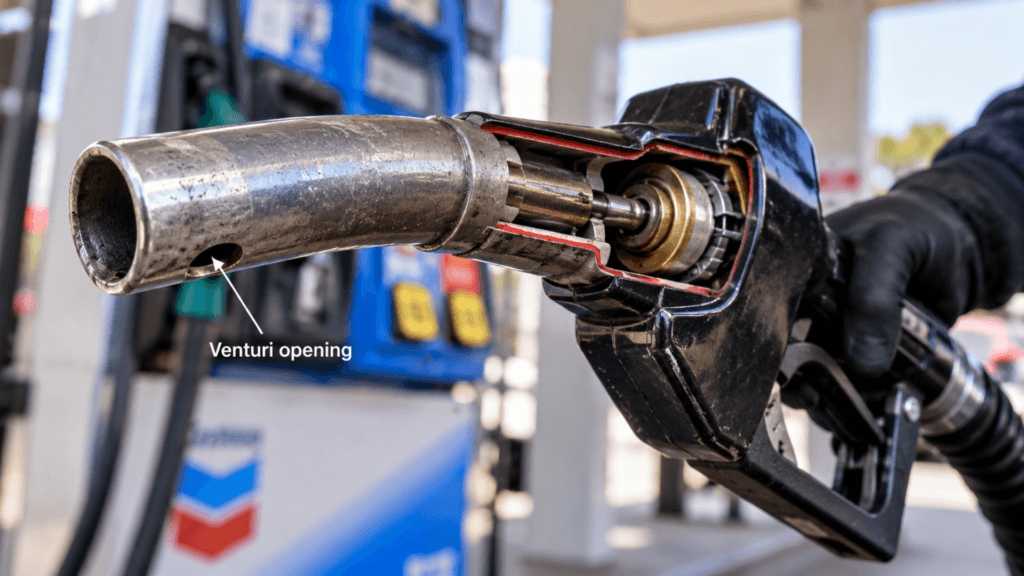
A gas pump nozzle is genuinely more mechanically clever than most drivers ever realize. Built into the spout is a tiny venturi intake hole near the tip, which continuously draws in air while fuel dispenses. Once rising fuel physically covers that small intake hole, the sudden pressure change trips a diaphragm inside the pump, which immediately shuts the main valve and stops fuel flow entirely.
A Bent Spout Is One of the Most Common Culprits

A damaged nozzle is one of the most common culprits behind premature, repeated shutoffs specifically at the pump. Over time, the metal spout can bend slightly from regular wear, causing fuel to spray at a different angle than intended and splash directly back onto that sensitive venturi intake hole, triggering the shutoff mechanism far earlier than it actually should.
The Fix Here Is Genuinely This Simple
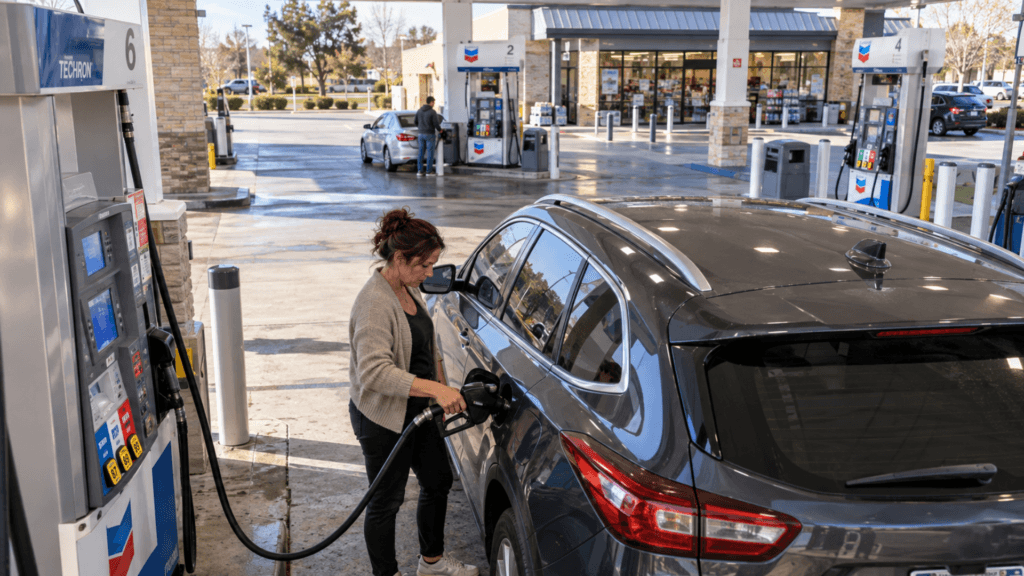
If a damaged nozzle seems like the likely culprit here, the fix is refreshingly simple to try. Visually check the spout for any obvious bend or pinch before using it, and if something looks off, just move to a different pump entirely. Most stations have multiple pumps available, making this an easy first troubleshooting step to attempt.
Sometimes It’s the Gas Station’s Fault, Not Yours
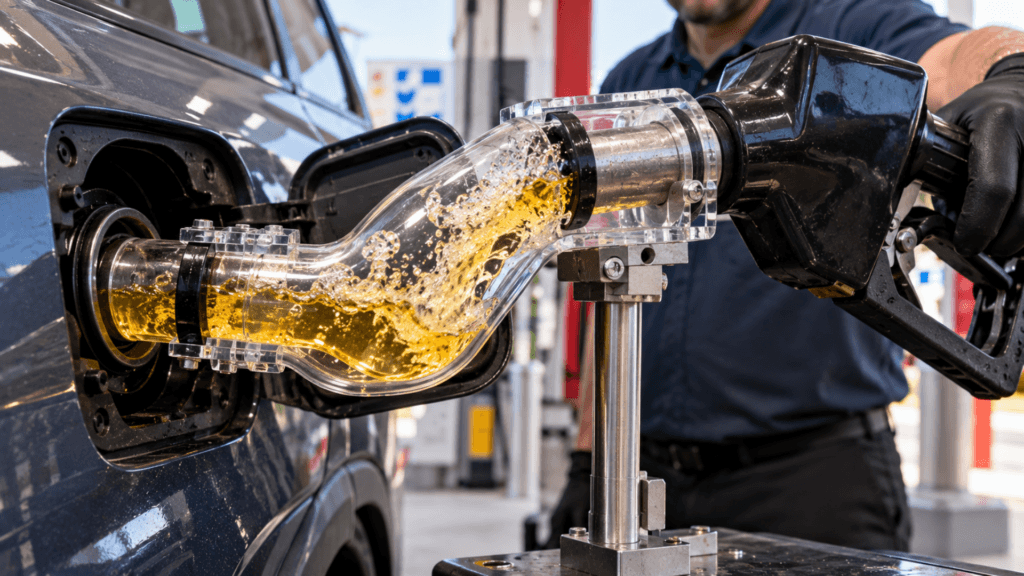
Sometimes the problem has nothing to do with the nozzle itself and instead traces back to exactly how quickly a specific station’s pump delivers fuel. Some stations pump gasoline at a notably higher flow rate than others do, and that faster stream can overwhelm certain vehicles’ fuel systems, triggering the venturi shutoff mechanism more frequently than usual.
Two Simple Tricks Can Slow the Flow Down Yourself

Two practical techniques can help work around a station’s overly fast flow rate specifically at the pump. Try squeezing the pump handle only partway rather than fully, deliberately slowing the fuel stream down. Alternatively, flip the handle upside down while fueling, which repositions the venturi intake higher inside your vehicle’s intake port, away from immediate splash-back.
Your Own Car’s Filler Neck Could Be the Real Issue
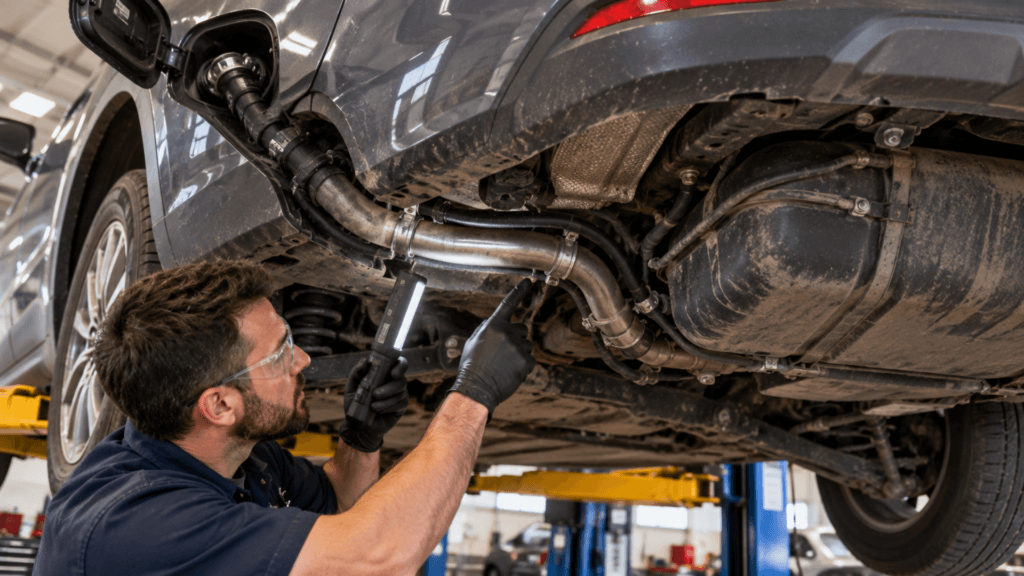
Your own vehicle’s design can also be part of the problem, independent of the pump or nozzle involved. Fuel tank filler necks, the tube connecting the gas cap opening to the actual tank, vary in size across different vehicle models. A shorter filler neck paired with a fast-flowing pump can let gas rush in too quickly, prematurely triggering the shutoff.
Switching Stations Might Just Solve It Instantly

If a vehicle’s shorter filler neck seems to be the underlying issue here, trying an entirely different gas station is worth attempting before assuming anything is actually broken. A station with a naturally slower dispensing rate may simply work better with certain vehicle designs, resolving the repeated shutoff issue without needing any actual repairs at all.
If Nothing Works, Your Own Fuel Tank Might Be to Blame
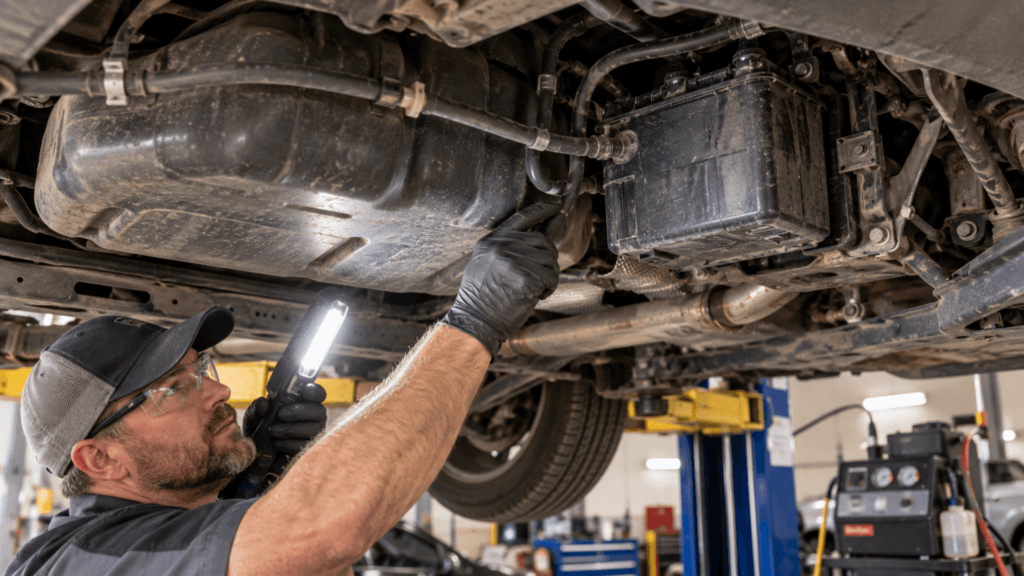
When none of these fixes actually work, the issue may genuinely lie within your vehicle’s own fuel tank venting system instead of the pump. As a tank fills, it must vent air out through a tube, routing that air through a charcoal filter designed to trap fuel vapor safely before release into the atmosphere.
A Clogged Filter Can Trick the Pump Into Stopping Early
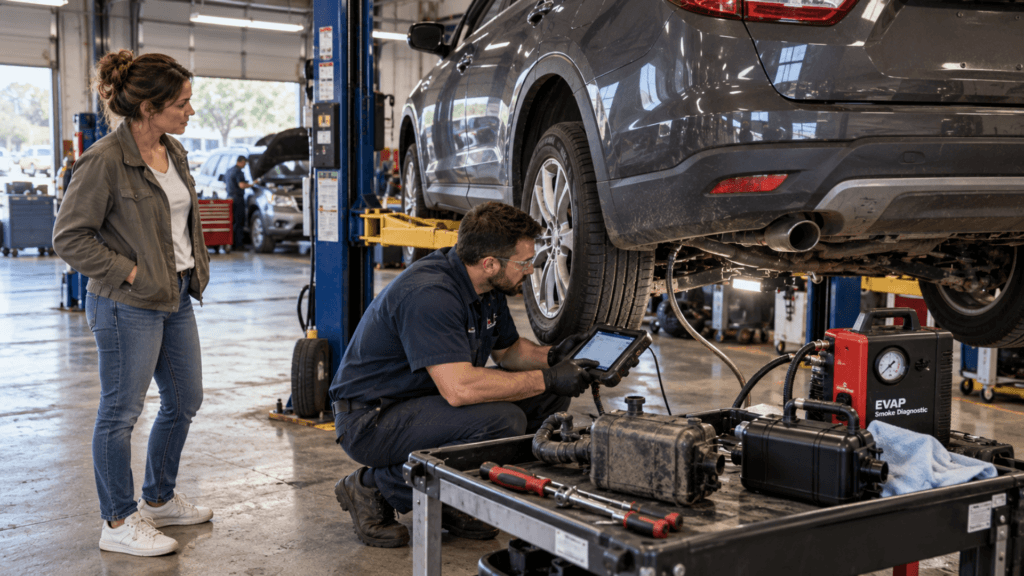
That charcoal filter can gradually become clogged with debris over time, changing the tank’s internal pressure in a way that falsely triggers the pump’s shutoff mechanism even when the tank isn’t actually full yet. If a bent nozzle and a slower gas station both fail to solve the problem, it’s genuinely time to see a mechanic and have the vehicle’s fuel system properly inspected.