

Products are selected by our editors, we may earn commission from links on this page.
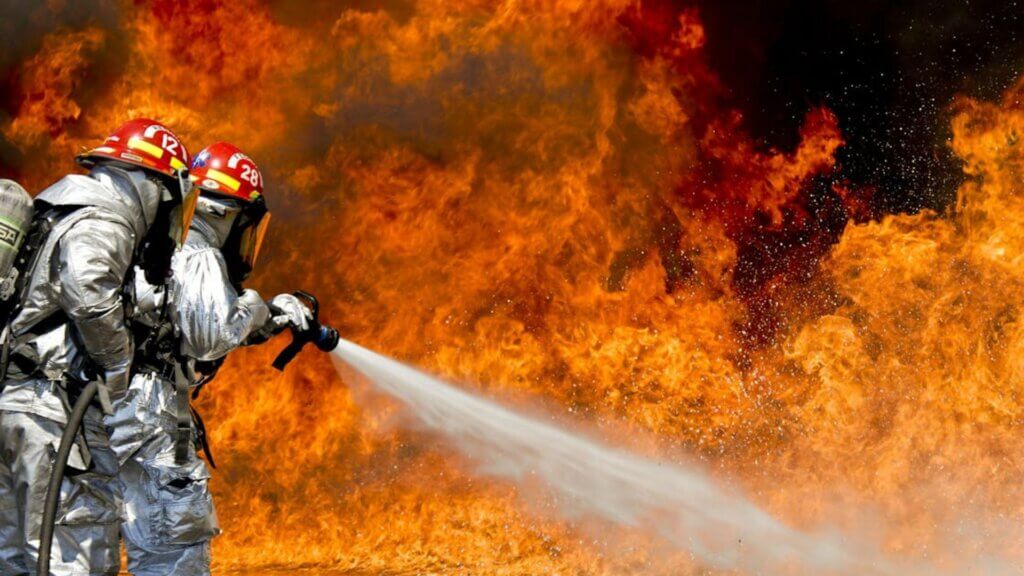
It was still technically winter when Nebraska recorded the largest wildfire in its history. The Morrill Fire burned through 645,000 acres in western and central Nebraska, pushed along by extreme winds, record heat, and grasslands left brittle after a season with almost no meaningful precipitation. By the time it was partially contained, it had surpassed every previous fire in state history, a record that even topped some of California’s largest fires in terms of acres burned.
Two major blazes combined to scorch nearly 800,000 acres across the state. Nebraska Governor Jim Pillen declared a state of emergency and issued a statewide burn ban, mobilizing the National Guard alongside more than 400 firefighters from Nebraska and neighboring states. The fires also claimed a life: Rose Mary White, 86, of Arthur County, died as the Morrill Fire pushed 70 miles across four counties, driven by extremely high winds.
The fire’s scale caught even experienced firefighters off guard. Tim Casperson, a former wildland firefighter who runs The Hotshot Wake Up, said crews are accustomed to seeing this level of fire behavior later in the year. Pete Curran, a staff meteorologist for Watch Duty and a 45-year veteran of wildfire response, said the scale was unlike anything typical for the season: “To have any fire that goes hundreds of thousands of acres in a day anywhere is very unusual at any time of the year, let alone in mid-March.”
A Season That Started Before Spring
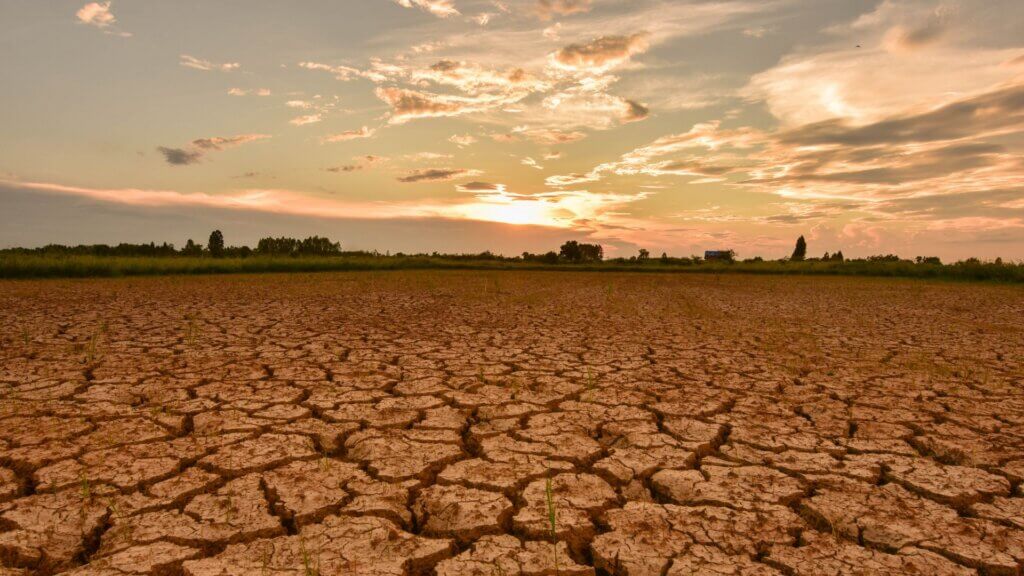
Much of the country skipped a meaningful winter, leaving little of the snowpack and soil moisture that normally tempers fire conditions heading into summer. In Nebraska, state climatologist Deborah Bathke, citing a recently released climate report on Nebraska, noted that winter and spring temperatures have been rising, the western half of the state is seeing fewer days with snow on the ground, and March wind gusts have been growing more intense in recent years.
Colorado is drawing particular concern. According to the Colorado Climate Center at Colorado State University, essentially the entire state is in a snow drought, with mountain snowpack at its lowest levels since 1987. Near Fort Carson, outside Colorado Springs, the 24 Fire more than doubled in size within 24 hours, growing from 1,927 acres to 4,607. Firefighters in Eagle County, home to the Vail ski resort, are already preparing for what they describe as their worst wildfire season on record.
The heat compounding these conditions has been extraordinary for the time of year. An unprecedented heat dome stretched from California to the Great Plains, bringing the highest March temperature ever recorded nationally. In Flagstaff, Arizona, it reached 84 degrees, a temperature the city had never previously seen before May 2 in records dating back to 1898. Drought has reached extreme levels across the Plains, South, and West, with forecasters at the Climate Prediction Center projecting those conditions to persist through June.
Stretched Resources and a Shrinking Safety Net
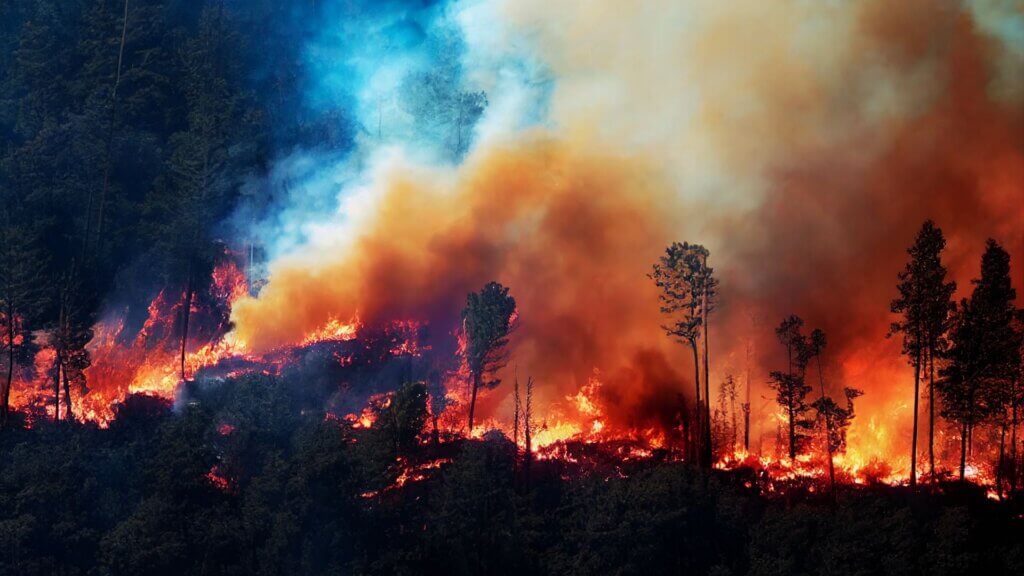
The federal agencies responsible for wildfire response are heading into this season with significantly reduced staffing. The U.S. Forest Service lost 16 percent of its workforce in 2025, largely due to cuts and buyout programs through the Trump administration’s DOGE initiative. The Agriculture and Interior departments also cut thousands of workers. According to a letter sent to Forest Service Chief Tom Schultz, those reductions led to a 38 percent drop in hazardous fuel work compared to the prior four years.
The Pacific Northwest has also seen its incident management capacity cut in half. The region once maintained 14 Incident Management Teams, specialized federal crews that respond to large, complex fires and support states that need mutual aid. That number is now down to seven, according to a U.S. Forest Service official. California lost two additional teams last year, leaving fewer teams available to respond when fires in different states demand resources simultaneously.
Colorado’s Democratic senators, Michael Bennet and John Hickenlooper, joined four other state lawmakers in a March 4 letter to the Forest Service warning of a “potentially catastrophic fire season.” The letter cited reduced staffing as a direct threat to communities across the West and called on the agency to prioritize forest thinning, prescribed burns, and insect treatments before conditions worsen. “USFS’ lack of preparation last year puts communities across the West at risk,” the lawmakers wrote.
The Months Ahead Are Looking Dry Across Much of the Country
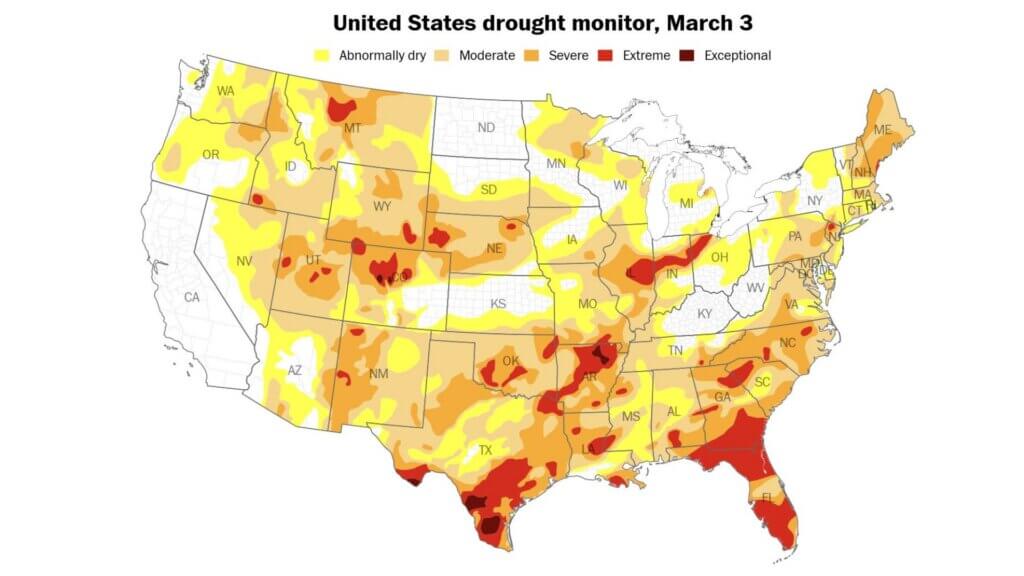
California entered the year in a relatively strong position, declared drought-free in January for the first time in 25 years. That buffer is narrowing. Recent record heat has been rapidly pulling moisture from the dense vegetation that built up over a wet winter, and that drying vegetation is what fire officials say could drive significant fire risk heading into summer and fall.
The Climate Prediction Center’s latest seasonal outlook projects drought conditions to persist through June across wide stretches of the country, including New Mexico, Wyoming, South Dakota, Texas, and parts of Arizona. Nebraska, still recovering from its historic fires, faces another surge of strong winds and record heat in the coming days, with little rain in the forecast.
Colorado is the state Casperson said he is watching most closely heading into the season. Seventeen of its 20 largest wildfires on record occurred in the last decade, and three of them in 2020 alone shattered records and damaged large parts of state parks. Casperson, who has been tracking wildfire conditions for years, said long gaps between major fire events can leave communities underprepared. “People kind of have amnesia when it comes to wildfire,” he said.